Purpose
With a calendar that grows on request, the method makes available time explicit again. It combines appointments, focus work, and buffer into a more realistic day structure.
Operations Personal productivity method
Translates priorities into concrete time intervals and outcomes within actual capacity.
Time blocking translates priorities into concrete calendar intervals. Fixed appointments, focused work, reactive tasks and rest share the same limited capacity; the plan is deliberately revised when circumstances change.
When will I work on which outcome within my actual capacity?
Make capacity visible
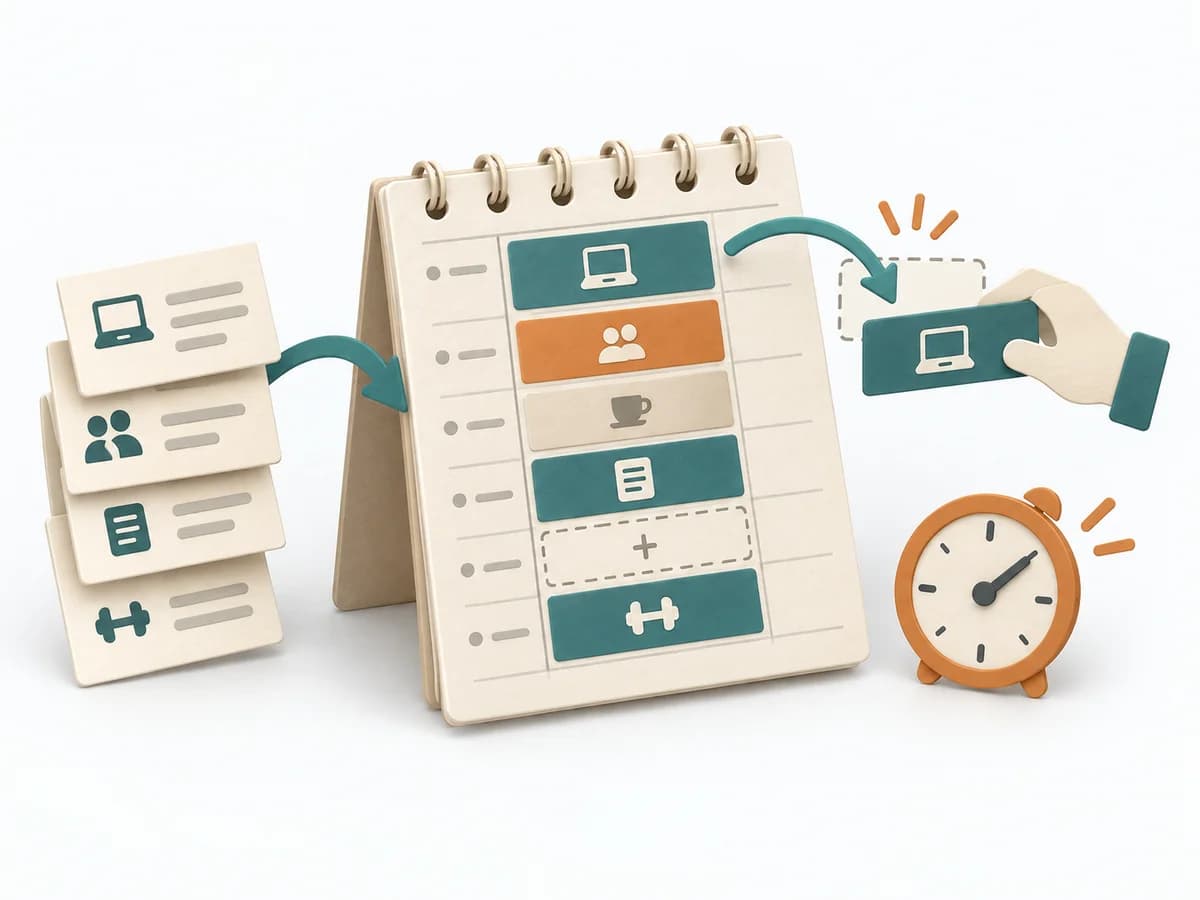
Enter work start, work end, fixed appointments and breaks in the time grid.
Assign work blocks
Place important outcomes with realistic durations in suitable free intervals.
Execute and replan
Work on the agreed outcome in the current block; capture new demands and replan when circumstances genuinely change.
Compare plan and reality
Briefly review duration variance, interruptions and achieved outcomes at day’s end.
Replan the remaining day after interruptions; compare estimates and actual events in the evening.
For days or weeks with competing demands when at least some available time can be planned.
Non-overlapping schedule with concrete work goals, appointments, breaks, buffer and recorded changes.
The improved planning assumptions address recurring bottlenecks with smaller blocks, realistic estimates, or more reactive time.
Fictional example
Time blocking translates priorities into concrete calendar intervals. Fixed appointments, focused work, reactive tasks and rest share the same limited capacity; the plan is deliberately revised when circumstances change.
Which working hours, breaks and fixed appointments bound the plan?
Fictional: 09:00–13:00; meeting 10:30–11:00, break 11:00–11:15.
Record start, end and outcome for each block including buffer.
09:00–10:15 proposal; 10:15–10:30 buffer; 10:30–11:00 meeting; 11:00–11:15 break; 11:15–12:00 support; 12:00–12:45 tests; 12:45–13:00 buffer/review.
What changes and which work is deliberately reconsidered as a result?
Support takes until 12:15. Tests are limited to 30 minutes; remaining cases receive a new block tomorrow at 09:00.
Which variance improves the next estimate or capacity assumption?
Support took 60 rather than 45 minutes: reserve 60 minutes on launch days in future.
All example details are fictional and illustrate the application.
Collect working hours, fixed appointments, tasks and deadlines; include breaks and transitions as real time.
With a calendar that grows on request, the method makes available time explicit again. It combines appointments, focus work, and buffer into a more realistic day structure.
Time is deliberately translated into segments with a clear function instead of just collecting loose tasks. This makes visible where capacity really exists and where expectations are too tight. When something is urgent, the plan can be actively shifted instead of quietly fraying at the edges.
Time Blocking makes intentions realistic by giving work a visible place in the calendar. Blocks chosen large enough, buffers, and an honest separation of focus, communication, and recovery keep the plan usable. The calendar should protect priorities and make shifts deliberate rather than accidental.
Plan blocks by energy, dependencies, and context switches, not just by free slots in the calendar. The method only carries weight once transitions and buffers are visibly considered and leftover work doesn't quietly slide into someone else's block. End the day by deliberately shifting open work rather than silently overloading the next calendar.
The method guide walks execution through 4 phases, timing, 4 pitfalls, and clear stop criteria.
Open method guideYour perspective
Your feedback helps shape the next improvements to methodatlas.
Collect working hours, fixed appointments, tasks and deadlines; include breaks and transitions as real time.
To be confirmed
To be confirmed
Complete cycle Time: 10–20 minutes daily planning; brief adjustments during the day
Complete this worksheet on paper or in your own document during the work.
Which working hours, breaks and fixed appointments bound the plan?
...
Record start, end and outcome for each block including buffer.
...
What changes and which work is deliberately reconsidered as a result?
...
Which variance improves the next estimate or capacity assumption?
...
Answer the prompts with your own information. Explicitly mark unknowns and assumptions.
Expected artifact: Available time windows
Is available time calculated without double booking?
Entry:
...
Expected artifact: Feasible block schedule
Does each block have a purpose and fit its interval?
Entry:
...
Expected artifact: Updated daily plan
Are changes visible rather than extra parallel commitments?
Entry:
...
Expected artifact: Improved planning assumptions
Does the observation change the next plan?
Entry:
...
...
Method guide: https://methodatlas.meierhoff-systems.de/en/methods/time-blocking/run-sheet
Fitting alternatives with decision guidance, followed by other related methods.

Instead of Time Blocking, when you need short focus blocks with fixed breaks to get cleanly into doing.
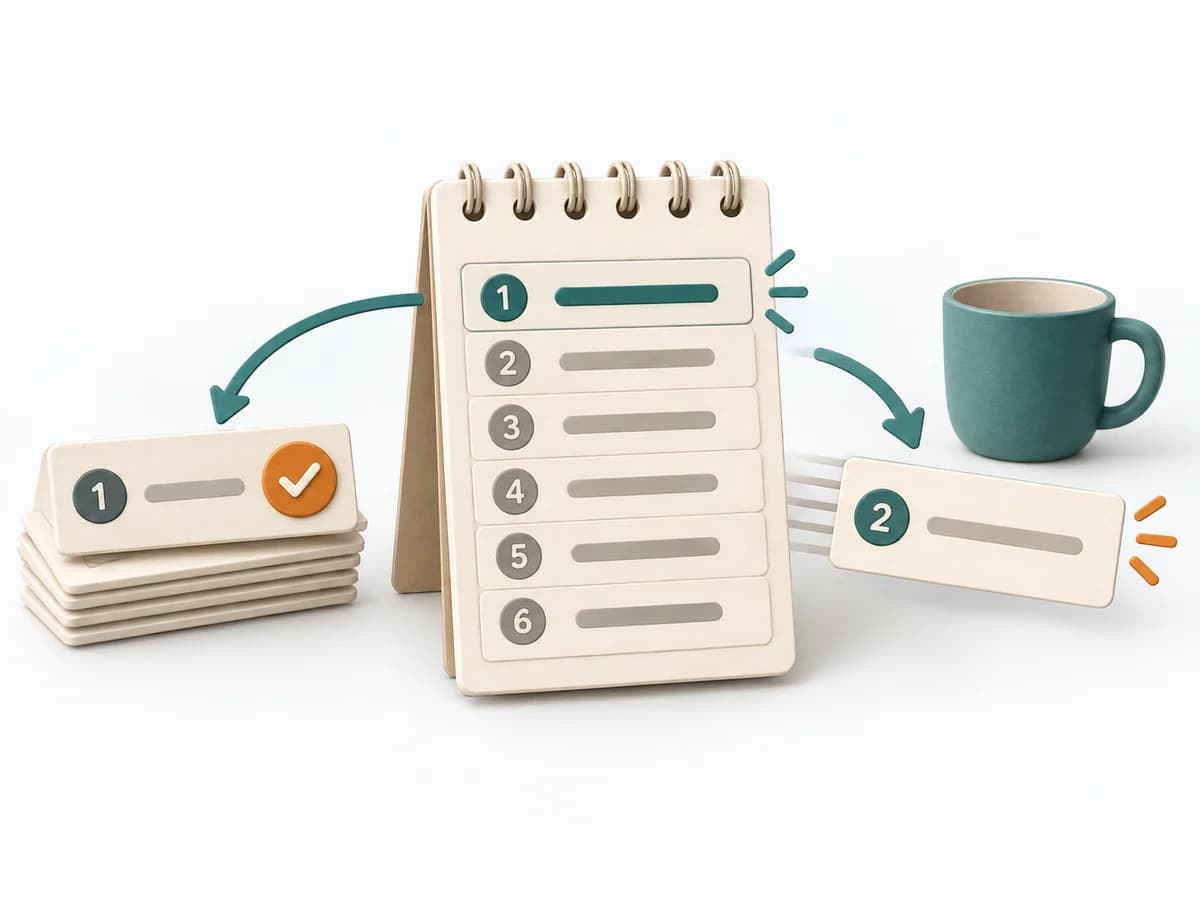
Limits daily focus to a few prioritized tasks and forces a clear order.
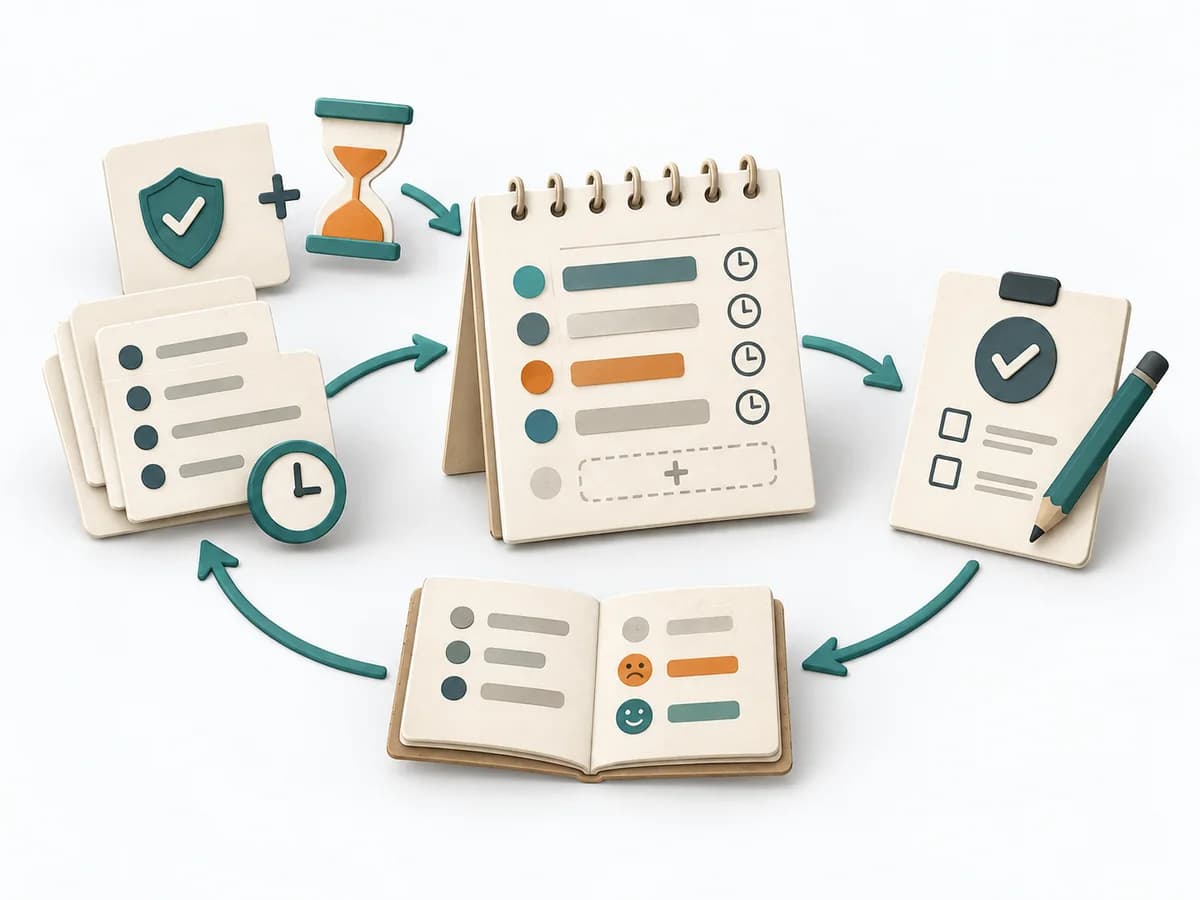
Plans the day through tasks, effort, buffer, and control so priorities stay realistically checkable.

Asks its way step by step to a controllable cause and stops only once an effective countermeasure is within reach.
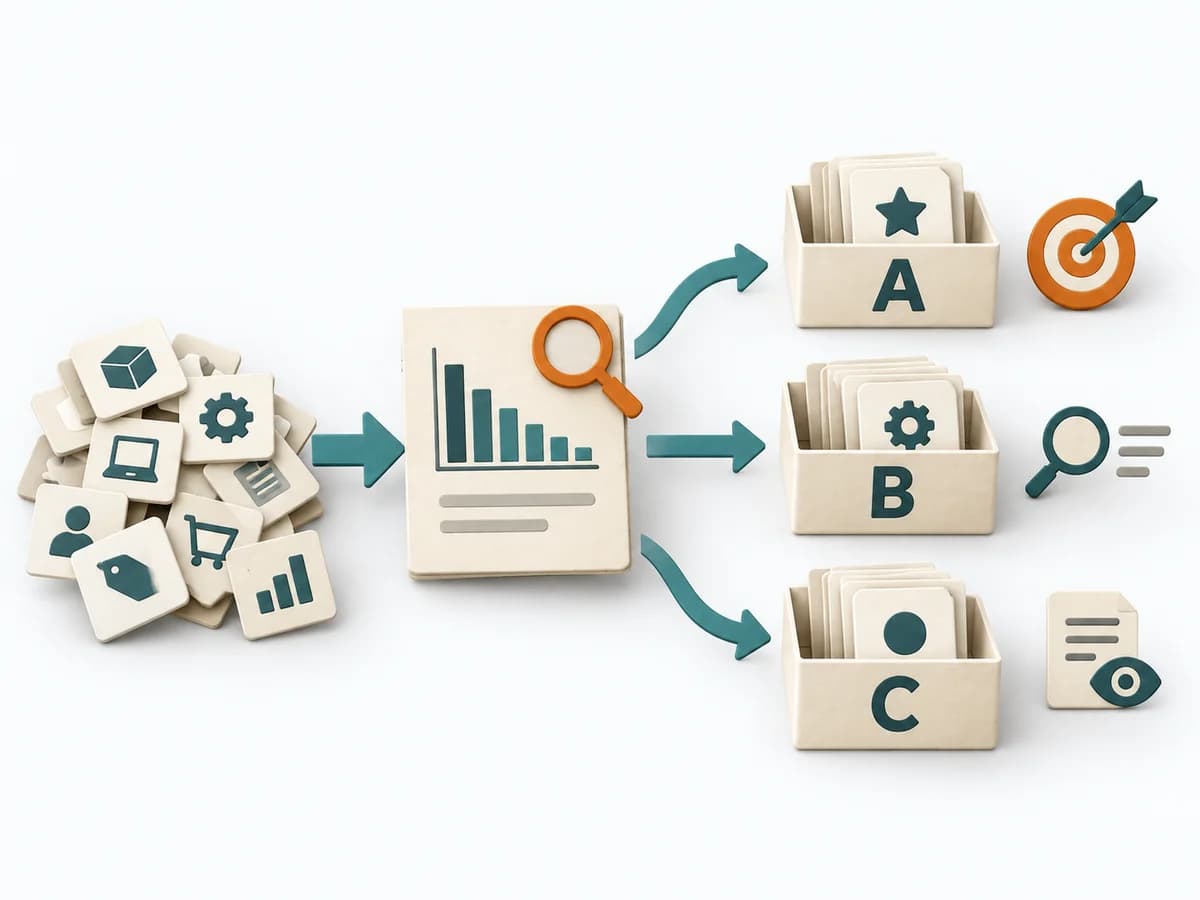
Splits items into A, B, and C by value or effect and directs focus to the most impactful ones.

Makes reaction patterns conscious and leads step by step to more ownership and concrete commitment.