
Purpose
It separates true priorities from noise so it becomes clear what should be done now, scheduled, delegated, or dropped.
Decision Making Decision method
The Eisenhower Matrix separates importance and urgency and derives deliberate action: do, schedule, delegate, or remove.
The Eisenhower Matrix classifies a bounded task list by consequences for agreed goals or responsibilities and by concrete deadlines. The quadrants serve as a planning heuristic rather than an objective measure of value or time.
What needs immediate action, scheduled attention, delegation, or removal from the active list?
Importance and urgency are separate questions. The quadrants sort actions, not people or projects.

Scope
Choose one work list, an owner or group, and a specific period.
Capture
Gather unfinished tasks and commitments from agreed sources before sorting.
Axes
Define importance through goal impact and responsibility, urgency through a deadline or near-term consequence.
Place
Place each task individually and check boundary cases, dependencies, obligations, and owners.
Act
Translate each quadrant into do, schedule, delegate when authorized, or deliberately remove.
Recheck open tasks regularly. Importance and urgency can change with deadlines, consequences, ownership, and dependencies.
Use the matrix when a manageable personal or shared task list competes for attention and the next action type needs to be clear.
Tasks, axis rationale, and action are visible.
Owner, date, and review for doing, scheduling, delegating, or removing.
Fictional teaching example
Fictional weekly tasks with derived next actions.
| Impact on goals and responsibilities | Urgent | Not urgent |
|---|---|---|
| ImportantWhat are the consequences for agreed goals or responsibilities? | Resolve a double-booked Saturday slot today. Contact affected households. | Test the reservation confirmation with two people. Block Tuesday. |
| Less importantWhat are the consequences for agreed goals or responsibilities? | Forward the supplier invoice before its deadline. Delegate only with confirmed cover. | Reformat old internal slides. Remove from the active list until needed. |
Importance relates to agreed goals and consequences; urgency to concrete deadlines and near-term effects. Placement depends on context. Delegation and removal must account for obligations, authority, and capacity.
Choose a person, role, or bounded team backlog and a suitable time period. Gather tasks before rating them.
It separates true priorities from noise so it becomes clear what should be done now, scheduled, delegated, or dropped.
Each task is placed in one of four zones: urgent and important, important but not urgent, not important but urgent, and not important and not urgent. This produces an action: do, schedule, delegate, or drop.
The Eisenhower Matrix starts with an unsorted task list. Each task is first checked for importance: Does it contribute to a meaningful goal, outcome, or risk reduction? Then urgency is checked: Does it need to happen now or is it only noisy? Important and urgent tasks are done immediately. Important but non-urgent tasks get a scheduled time. Urgent but less important tasks are delegated or capped. Unimportant and non-urgent tasks are dropped.
Collect tasks first, then evaluate without delay. Ask consistently: important for which goal? urgent by when? Ensure not everything is marked urgent just because it is loud. In the end each quadrant needs a defined action: do, schedule, delegate, or drop.
The method guide walks execution through 5 phases, timing, 5 pitfalls, and clear stop criteria.
Open method guideYour perspective
Your feedback helps shape the next improvements to methodatlas.
Plan a bounded task list, shared axis definitions, and a concrete follow-up action for each quadrant.
To be confirmed
To be confirmed
Reprioritize tasks Time: 15–30 minutes for a manageable list
Complete this worksheet on paper or in your own document during the work.
| Impact on goals and responsibilities | Urgent: concrete deadline or near-term consequence | Not urgent: no immediate deadline |
|---|---|---|
| Important | ||
| Less important |
Blank worksheet: add tasks and a next action in each cell. Check goal relationship, deadlines, and ownership before moving work.
Eisenhower Matrix quadrants, based on ProductPlan
Expected artifact: Bounded set of tasks
The matrix is a snapshot, not a permanent ranking.
Entry:
...
Expected artifact: Clean task list
Hidden or duplicate work distorts the picture.
Entry:
...
Expected artifact: Two defined rating dimensions
Importance and urgency are not synonyms.
Entry:
...
Expected artifact: Readable 2×2 grid
Quadrants reduce multidimensional project decisions to two questions.
Entry:
...
Expected artifact: Action list and review date
Sorting alone does not change the work.
Entry:
...
...
Method guide: https://methodatlas.meierhoff-systems.de/en/methods/eisenhower-matrix/run-sheet
Fitting alternatives with decision guidance, followed by other related methods.

Instead of Eisenhower Matrix, when you want to jointly cut requirements into must, should, could, and won't.

Splits items into A, B, and C by value or effect and directs focus to the most impactful ones.
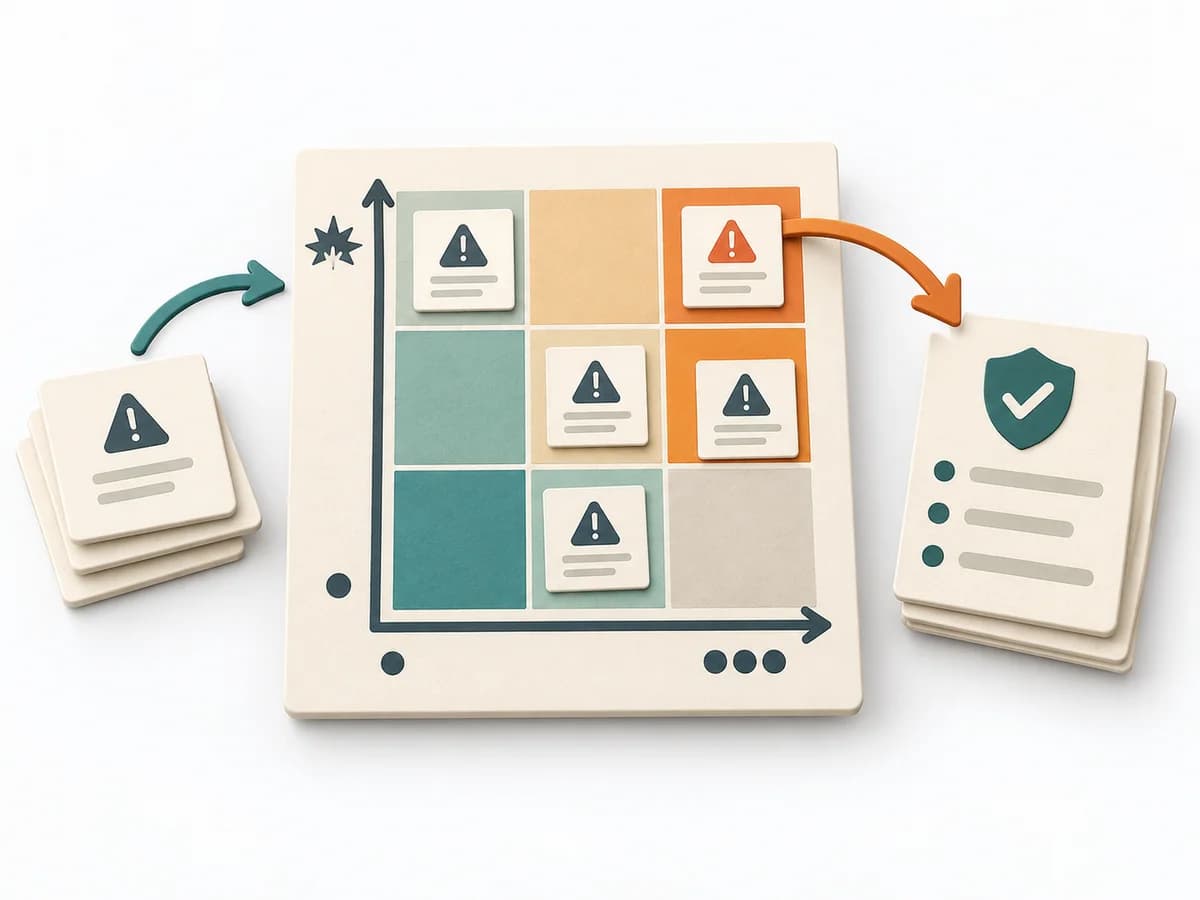
Moves options, criteria, and risks toward a concrete result through "set the scales for likelihood and impact", "collect risks or carry them over from earlier identification", and "define actions for each high-risk item".

Clarifies options, criteria, and risks by framing the initiative or decision, collecting implicit assumptions, and planning tests or research.

Makes hard and soft boundaries visible and turns them into decision rules and option impact notes.
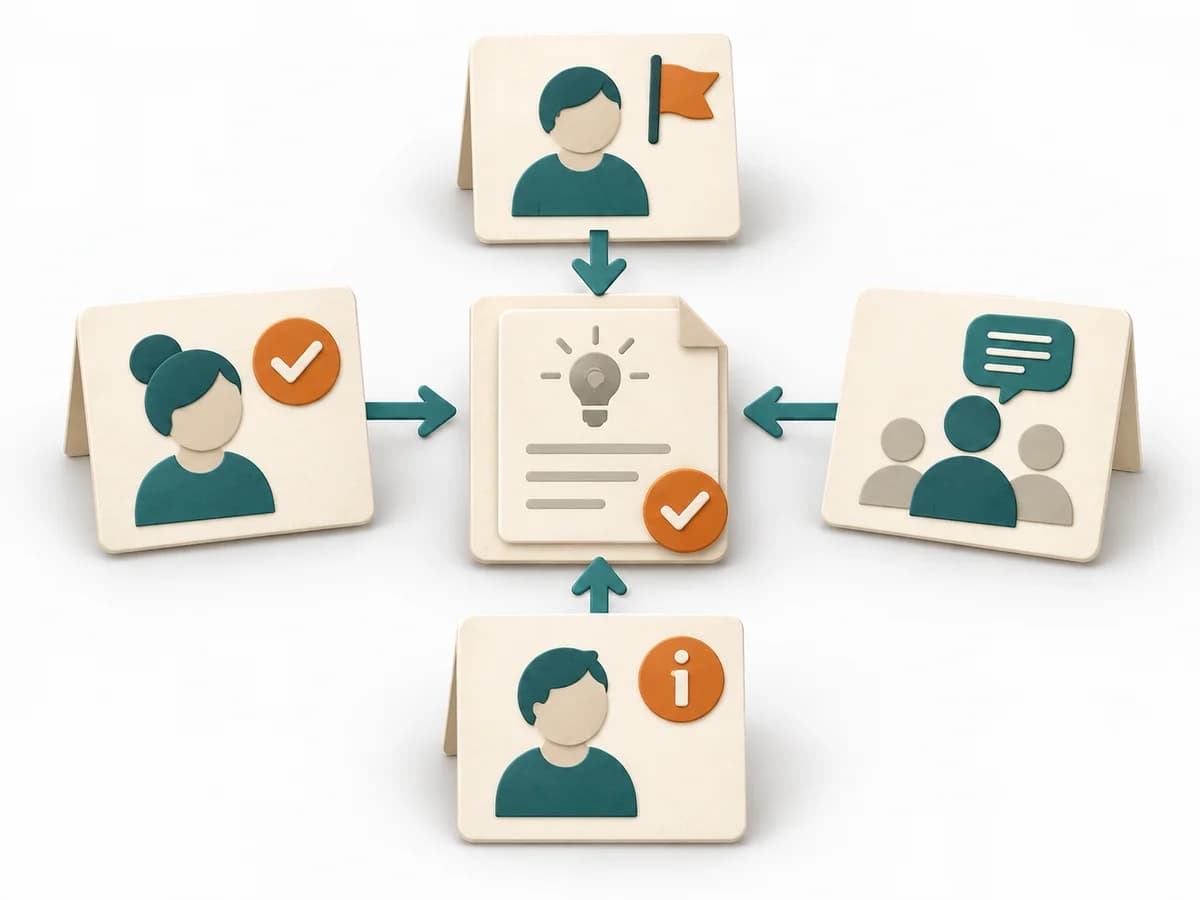
Clarifies roles for driver, approver, contributors, and informed and records the decision in a solid matrix.