
Purpose
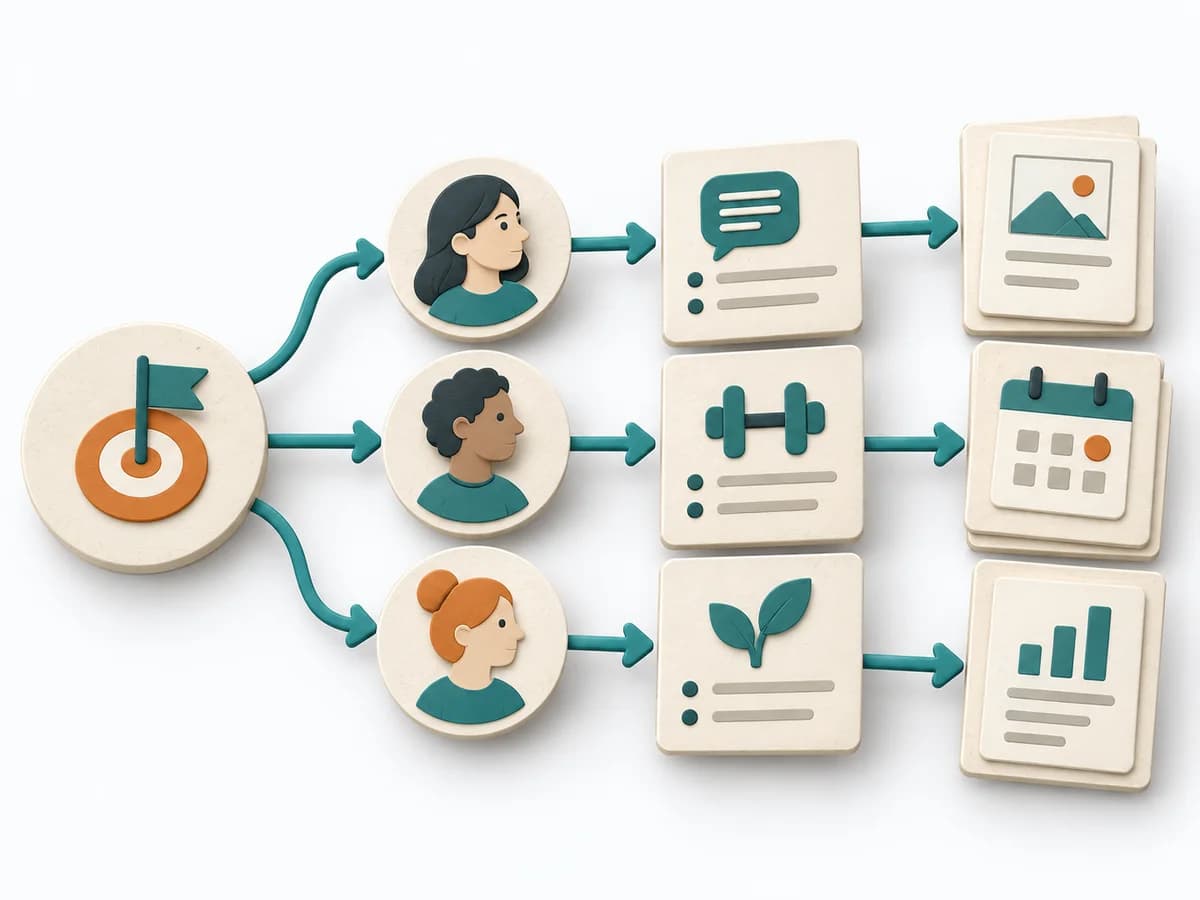
When strategic direction needs to become measurable, it connects ambition with checkable results. It makes goals connectable to focus and review.
Product Strategy Planning tool
Connects a qualitative objective with measurable key results and a recurring review practice.
Connects a qualitative objective with measurable key results and a recurring review practice.
What measurable outcome will this team achieve in the cycle?
The steps are a practical sequence; adapt them to the method’s purpose and available evidence.
Cycle
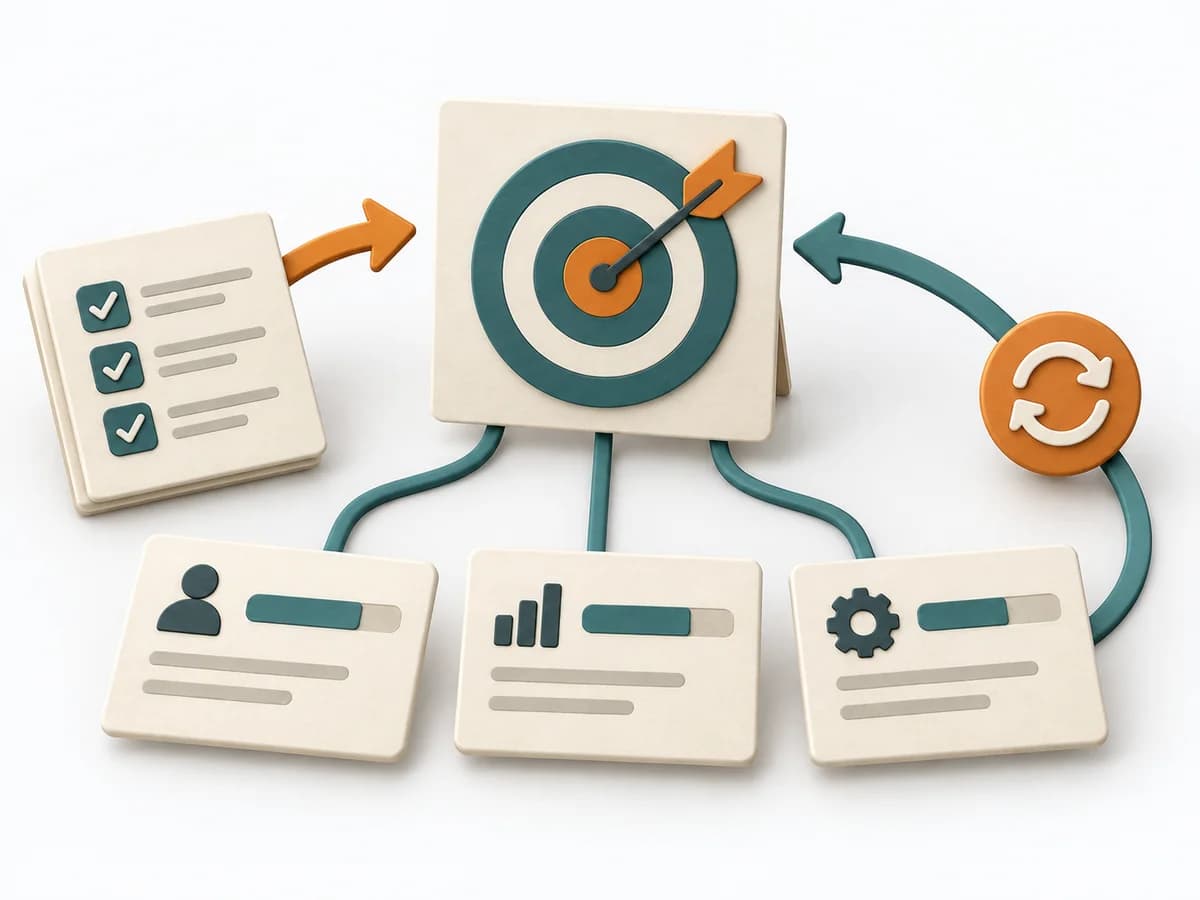
Set a bounded cycle and connect team focus to a higher-level priority.
Objective
Write a focused qualitative statement of the desired state, not a feature or project list.
Key Results
Define each KR with an observable metric, baseline, target and source; measure result rather than activity.
Review
Separate initiatives from KRs, assign ownership, set review cadence and close the cycle with learning.
Revisit the model when evidence, context or outcomes change. Record what changed and why.
Use it when: Team Alignment, Quarterly Planning. The group can provide the evidence and authority the method requires.
Outcome objective and measurable key results, separate from the work plan.
Recorded scope, date, participants, source version, owner, changed assumptions, and the reason for each revision.
Fictional worked example
Fictional quarterly OKR: Objective “Make follow-up appointments easy and reliable for patients.” KR1: raise share of follow-ups booked self-serve from 18% to 35%. KR2: reduce bookings requiring staff intervention from 22% to 10%. “Send an SMS link” is an initiative, not a Key Result. Agree metric definition, baseline and data owner before starting.
| Scenario | Objective | Key Result | Baseline → target | Initiative |
|---|---|---|---|---|
| Objective 1Record an observation or example for this row. | Make follow-ups easy and reliable | Increase self-serve bookings | 18% → 35% | Send SMS link |
Fictional quarterly OKR: Objective “Make follow-up appointments easy and reliable for patients.” KR1: raise share of follow-ups booked self-serve from 18% to 35%. KR2: reduce bookings requiring staff intervention from 22% to 10%. “Send an SMS link” is an initiative, not a Key Result. Agree metric definition, baseline and data owner before starting.
Set a bounded cycle and connect team focus to a higher-level priority.
When strategic direction needs to become measurable, it connects ambition with checkable results. It makes goals connectable to focus and review.
It translates an intent into a few measurable results and keeps them checkable in a recurring rhythm. Objectives give direction, key results show progress, and reviews clarify whether focus or ambition needs adjusting.
OKRs follow a clear working logic: formulate the objective, define key results, set owners, establish cadence, and run review and adjustment. This turns the method into a visible thinking process rather than only a conversation. Participants move step by step from raw material, observations, or options toward a shared structure. The result is an OKR set, measurement plan, and review cadence that makes decisions, learning, and further planning actionable.
Introduce OKRs around a few central priorities and check every wording for whether it still leaves real freedom in the solution path. A good basis for decisions emerges when a key result is temptingly easy to measure but strategically irrelevant. Close with lean goals, a clear review practice, and a visible link to ongoing prioritization.
The method guide walks execution through 4 phases, timing, 4 pitfalls, and clear stop criteria.
Open method guideYour perspective
Your feedback helps shape the next improvements to methodatlas.
Plan objective setting, ongoing check-ins and review.
To be confirmed
To be confirmed
Objective cycle Time: Set cycle length to the team cadence, usually several weeks; schedule the workshop and check-ins separately.
Complete this worksheet on paper or in your own document during the work.
| Scenario | Objective | Key Result | Baseline → target | Initiative |
|---|---|---|---|---|
| Objective 1 |
Key Results describe outcomes; initiatives describe work.
Set goals with OKRs · Google re:Work
Expected artifact: Cycle and alignment
Cycle and alignment
Entry:
...
Expected artifact: Understandable Objective
Understandable Objective
Entry:
...
Expected artifact: Measurable Key Results
Measurable Key Results
Entry:
...
Expected artifact: Reviewable OKR and initiatives
Reviewable OKR and initiatives
Entry:
...
...
Method guide: https://methodatlas.meierhoff-systems.de/en/methods/okr/run-sheet
Fitting alternatives with decision guidance, followed by other related methods.
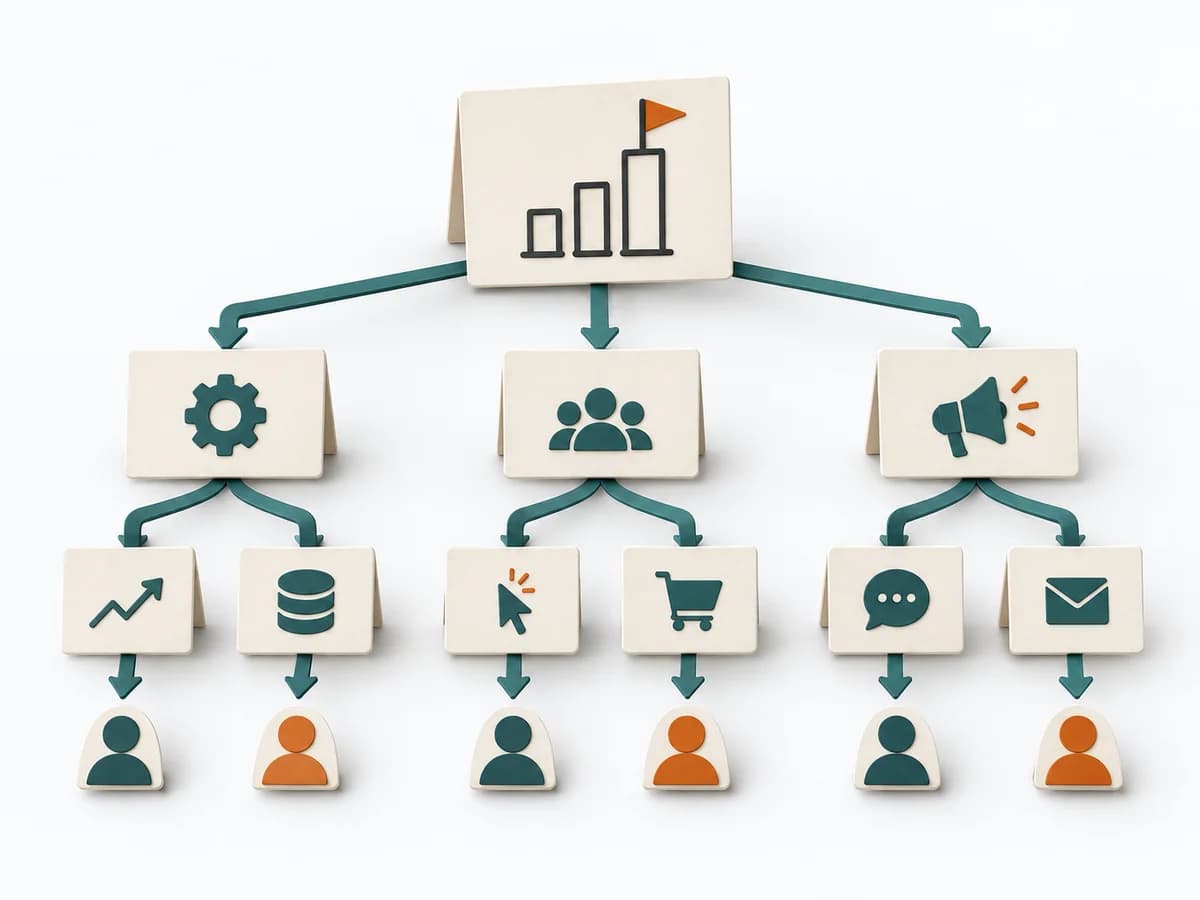
Instead of OKRs, when you want to use KPI Tree to break target figures down into drivers, sub-metrics, and responsibilities.
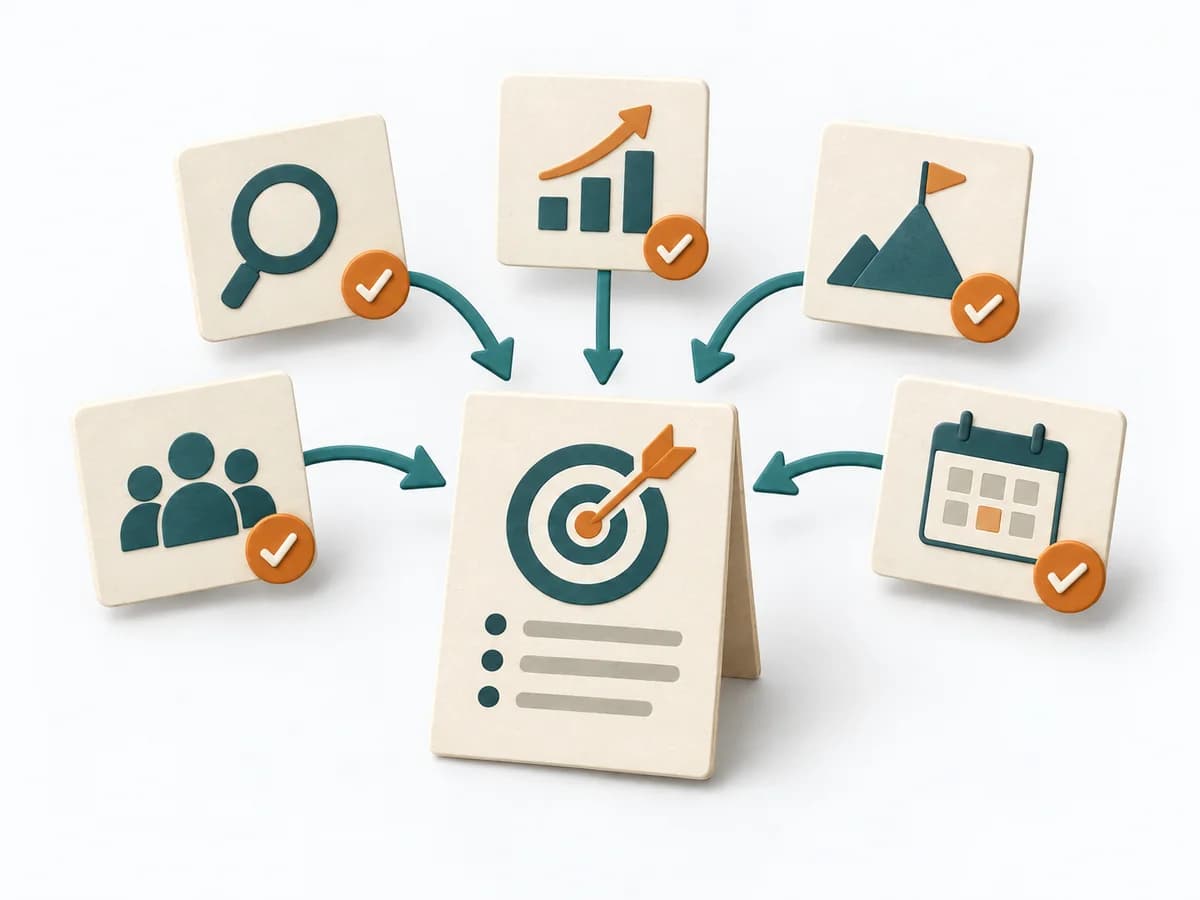
Formulates goals precisely enough that measure, relevance, and deadline together form a clear basis for steering.
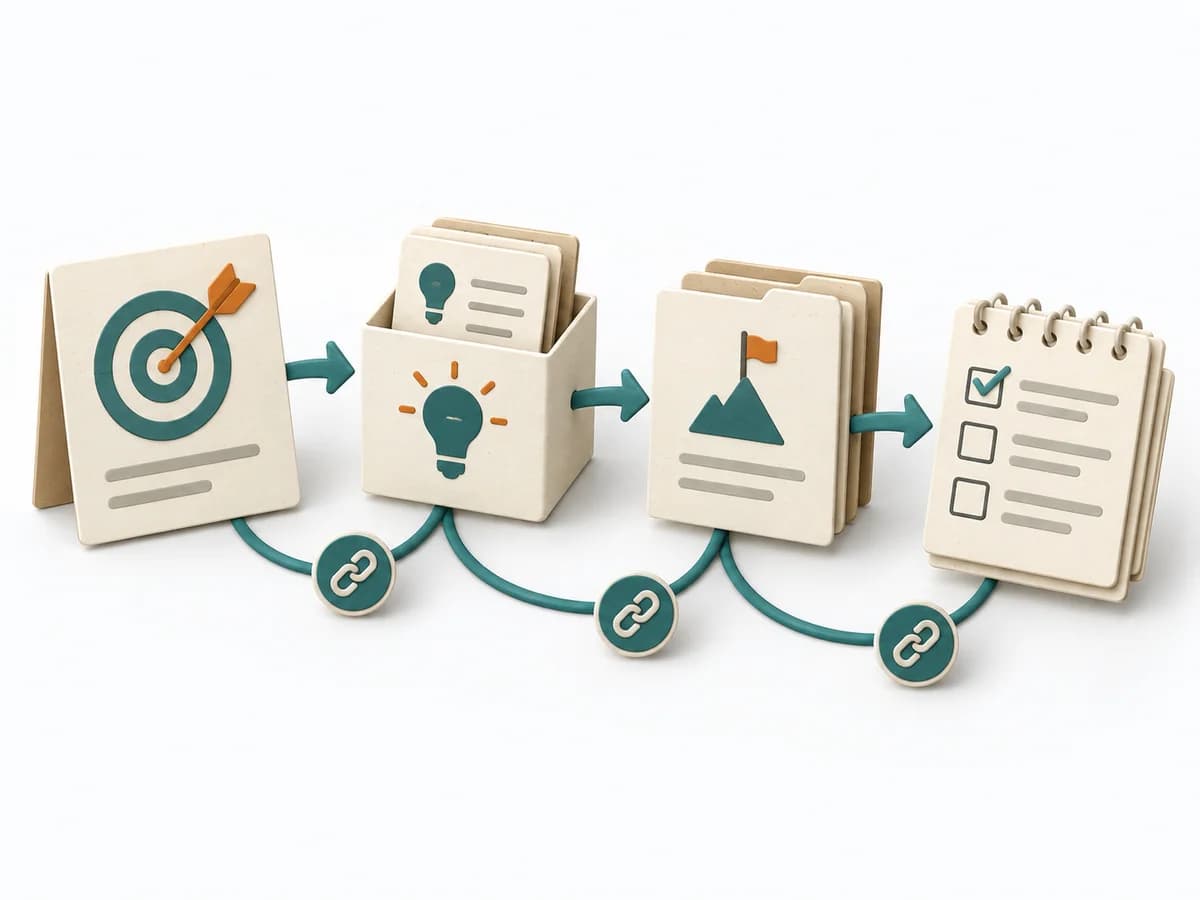
Connects goals, ideas, step projects, and tasks so product planning stays outcome-oriented and adaptive.

Vision, target group, needs, value, and business goals fit onto one board that exposes assumptions for validation.

Links data, insights, beliefs, and bets so strategy and product decisions become traceable and reviewable.
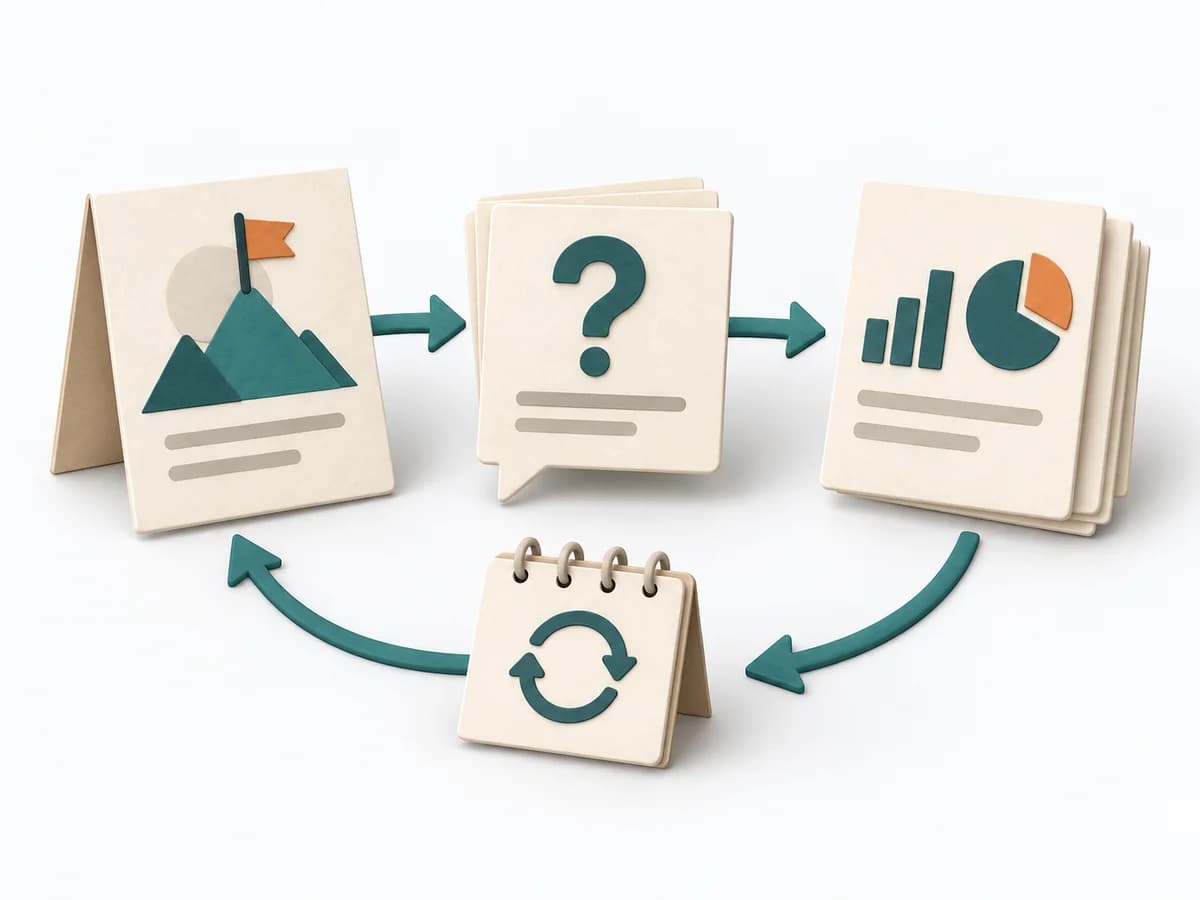
Moves technical problems, hypotheses, and next steps toward a concrete result through "formulate the goal clearly", "derive probing questions for each goal", and "set the review cadence".