Purpose
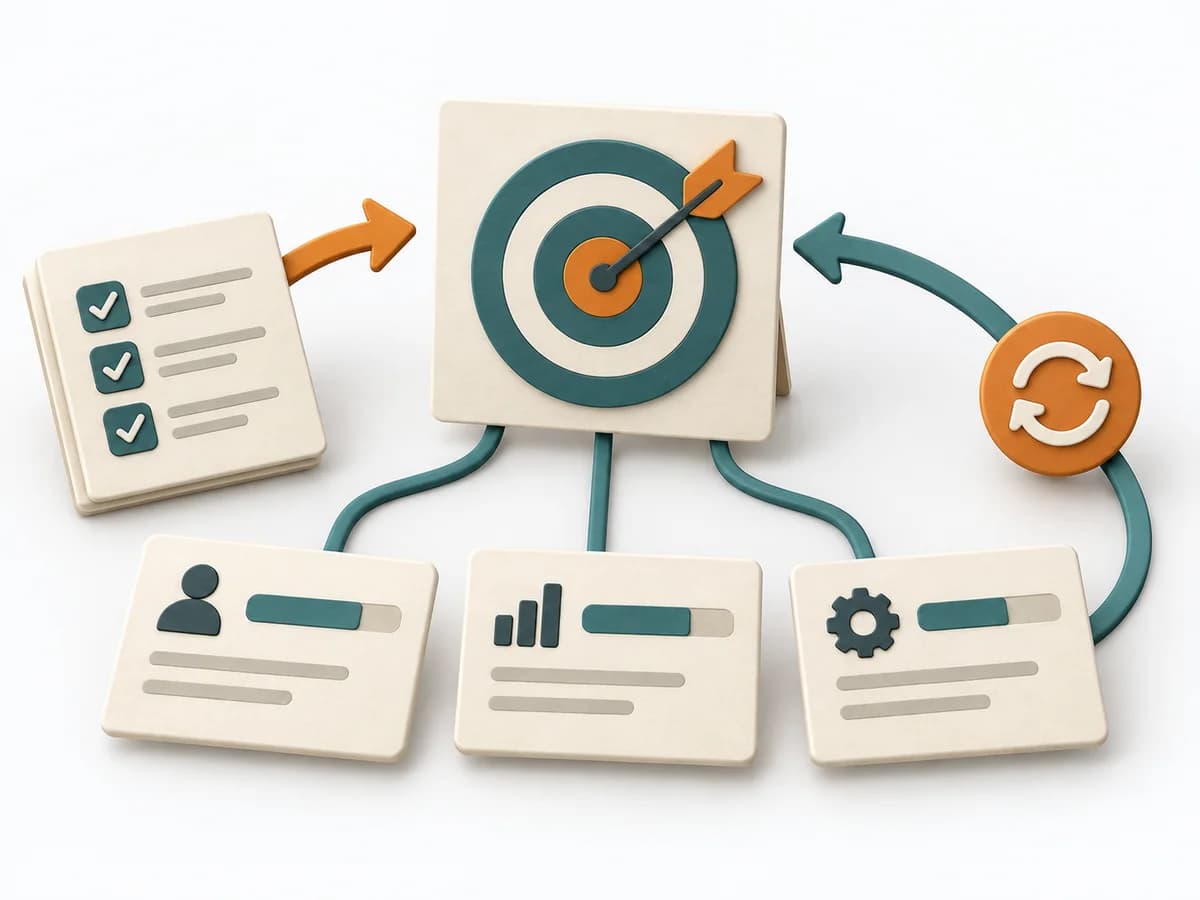
When a product needs a shared direction, it connects target audience, benefit, and business picture in a clear vision. It makes the envisioned future legible for the team.
Product Strategy Canvas
Connects vision, target group, needs, product, and business goals in one reviewable picture.
The Product Vision Board starts with a concise vision and details target group, needs, product, and business goals. Assumptions and evidence remain visible for every field.
What positive change should the product create for whom, and how does it support the business?
Product Vision Board uses vision plus four connected fields: target group, needs, product, and business goals. Assessments remain justified and context-bound.

Set vision
State the desired positive change concisely and inspiringly.
Target and need
Connect target group and prioritised needs to evidence.
Define product
Describe core value, differentiation, and boundaries.
Set business goals
Add measurable business goals, horizon, and assumptions.
Update after new evidence or a material context change and retain the previous version.
For new or repositioned products with strategic decision authority.
product vision board with traceable sources, assumptions, and domain decisions.
Owners, dates, and next review for product vision board.
Fictional worked example
vision plus four connected fields: target group, needs, product, and business goals as a precise working structure with a fictional example.
Positive change · purpose
Decisions without searching minutes.
Segment · context · evidence
Project leads in regulated services.
Need · core value · differentiation
Find evidence and owner; structured workspace.
Measure · target · horizon
20 paying teams by Q4.
Start with the core question: What positive change should the product create for whom, and how does it support the business?
When a product needs a shared direction, it connects target audience, benefit, and business picture in a clear vision. It makes the envisioned future legible for the team.
It condenses the target picture, target audience, and success logic into a compact view and keeps assumptions visibly alongside it. The fields connect vision with market, benefit, and business question, so that later decisions do not drift from the target picture.
The Product Vision Board helps because it condenses target audience, benefit, product idea, and business relevance into a concise directional narrative. Good application keeps the vision concrete enough that later priority can be measured against it, and open enough that learning movement remains possible. This gives the method a shared north star that better aligns discussions about scope, positioning, and next steps.
Start with the change the product is meant to bring about in the target audience's life or work, and only then derive the product idea from it. The topic gains concrete sharpness when a vision looks attractive but no longer names a clear addressee or benefit. Close with a board that gives direction and a list of the biggest unsubstantiated claims in it.
The method guide walks execution through 4 phases, timing, 4 pitfalls, and clear stop criteria.
Open method guideYour perspective
Your feedback helps shape the next improvements to methodatlas.
Plan Product Vision Board around its domain steps and the concrete decision question.
To be confirmed
To be confirmed
Full workshop Time: 90–120 minutes
Complete this worksheet on paper or in your own document during the work.
Positive change · purpose
...
Segment · context · evidence
...
Need · core value · differentiation
...
Measure · target · horizon
...
Roman Pichler: Product Vision Board
Expected artifact: vision statement
vision statement · source · uncertainty · next decision
Entry:
...
Expected artifact: customer focus
customer focus · source · uncertainty · next decision
Entry:
...
Expected artifact: product concept
product concept · source · uncertainty · next decision
Entry:
...
Expected artifact: vision board
vision board · source · uncertainty · next decision
Entry:
...
...
Method guide: https://methodatlas.meierhoff-systems.de/en/methods/product-vision-board/run-sheet
Fitting alternatives with decision guidance, followed by other related methods.
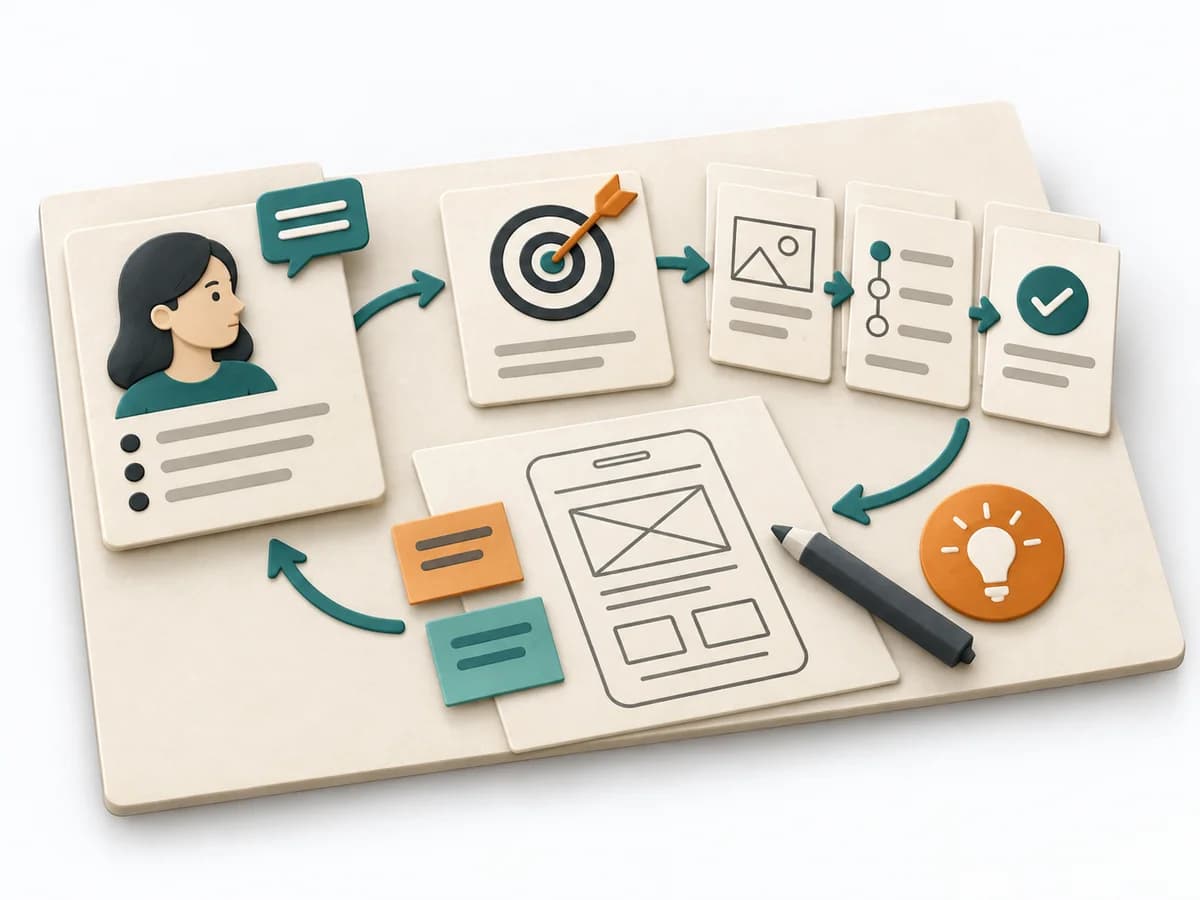
Instead of Product Vision Board, choose Product Canvas when you want to combine product goals, users, value, and risks compactly on one page.
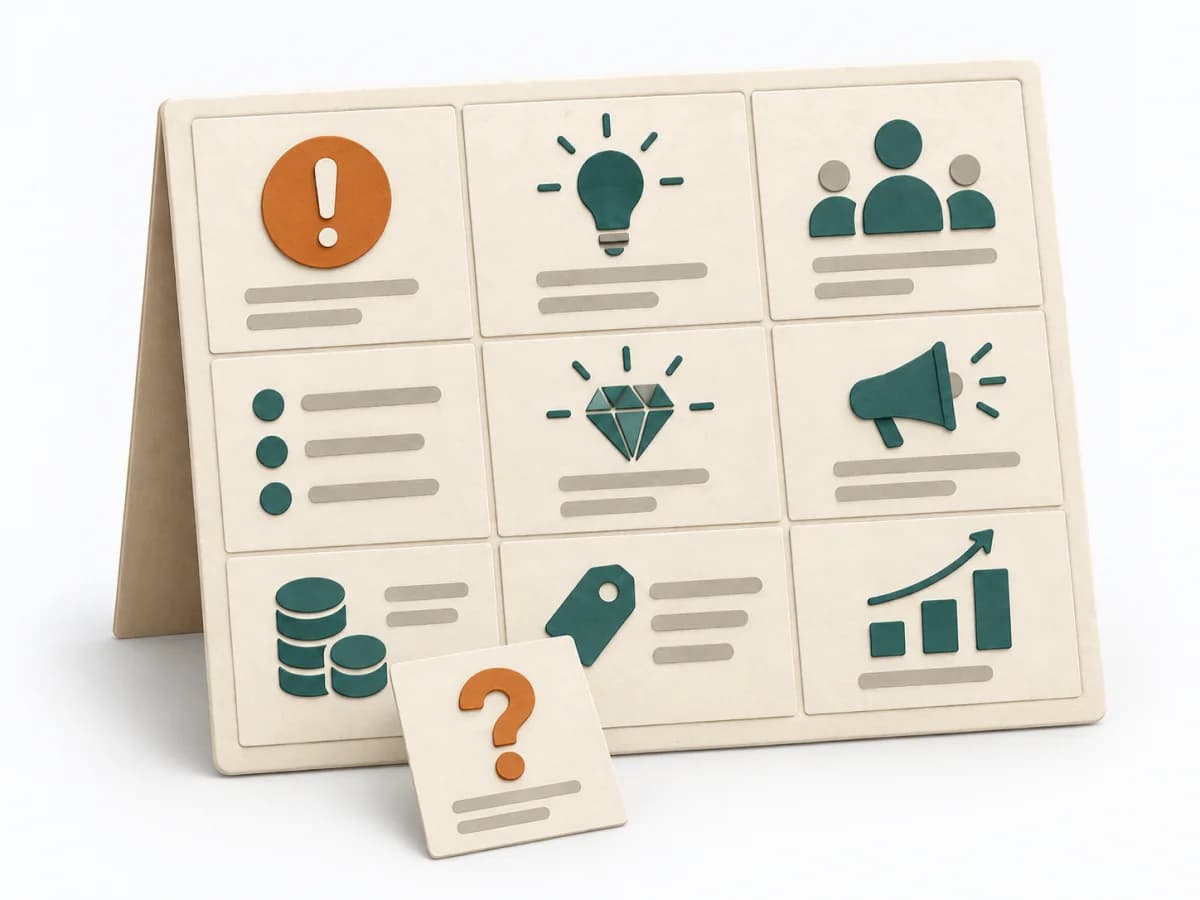
Instead of Product Vision Board, choose Lean Canvas when you want to sharpen an early product bet with problem, solution, and risks in a lean way.
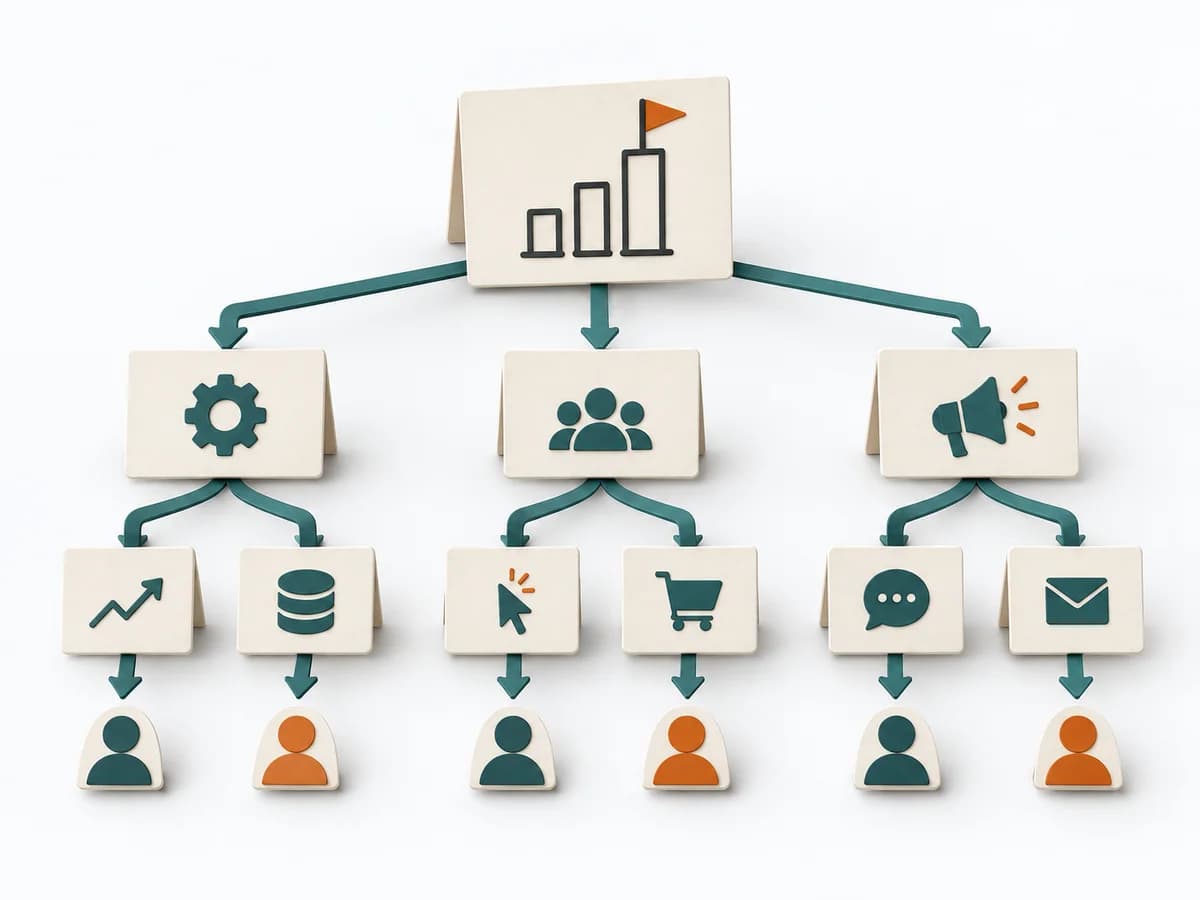
Moves target group, value, goals, and priorities toward a concrete result through "define the top metric", "describe the main driver of the top metric", and "set the review cadence".

Links data, insights, beliefs, and bets so strategy and product decisions become traceable and reviewable.
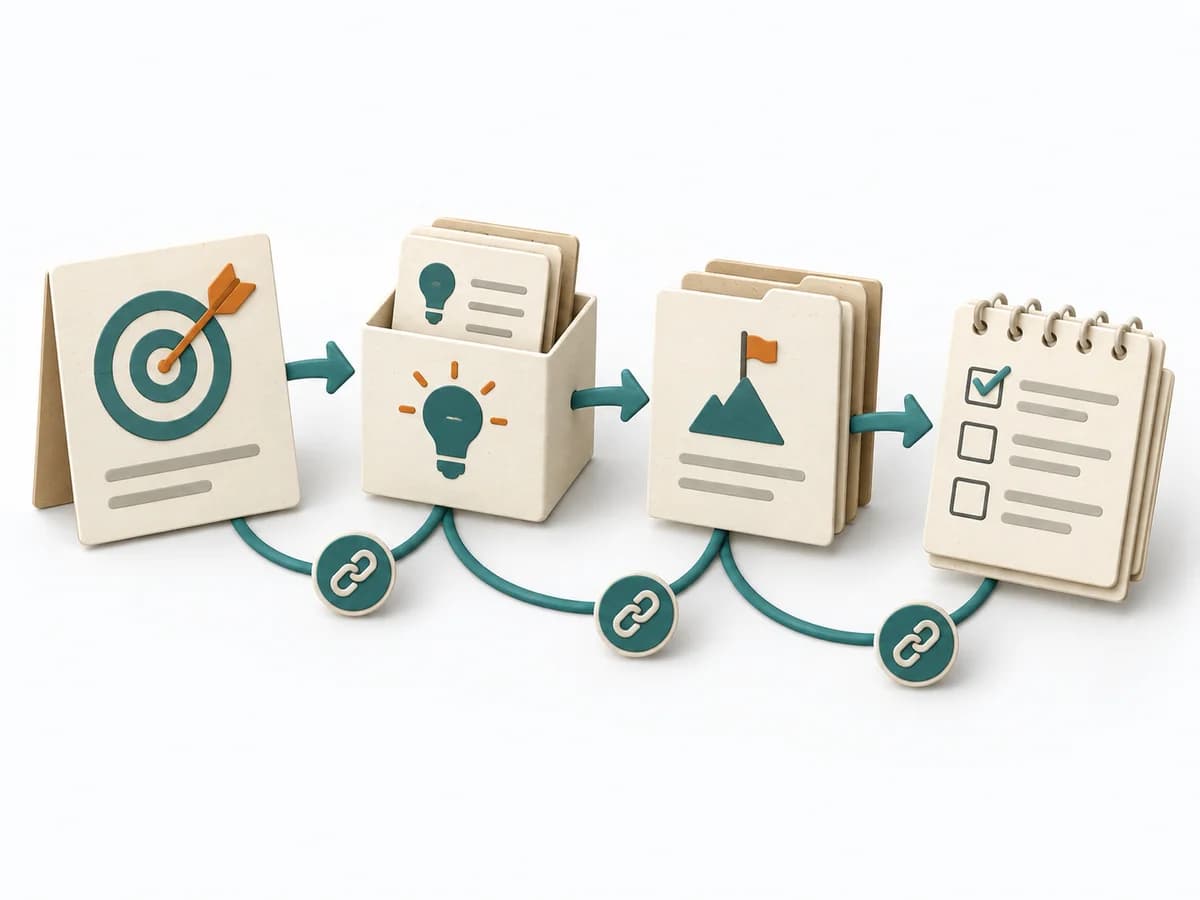
Connects goals, ideas, step projects, and tasks so product planning stays outcome-oriented and adaptive.
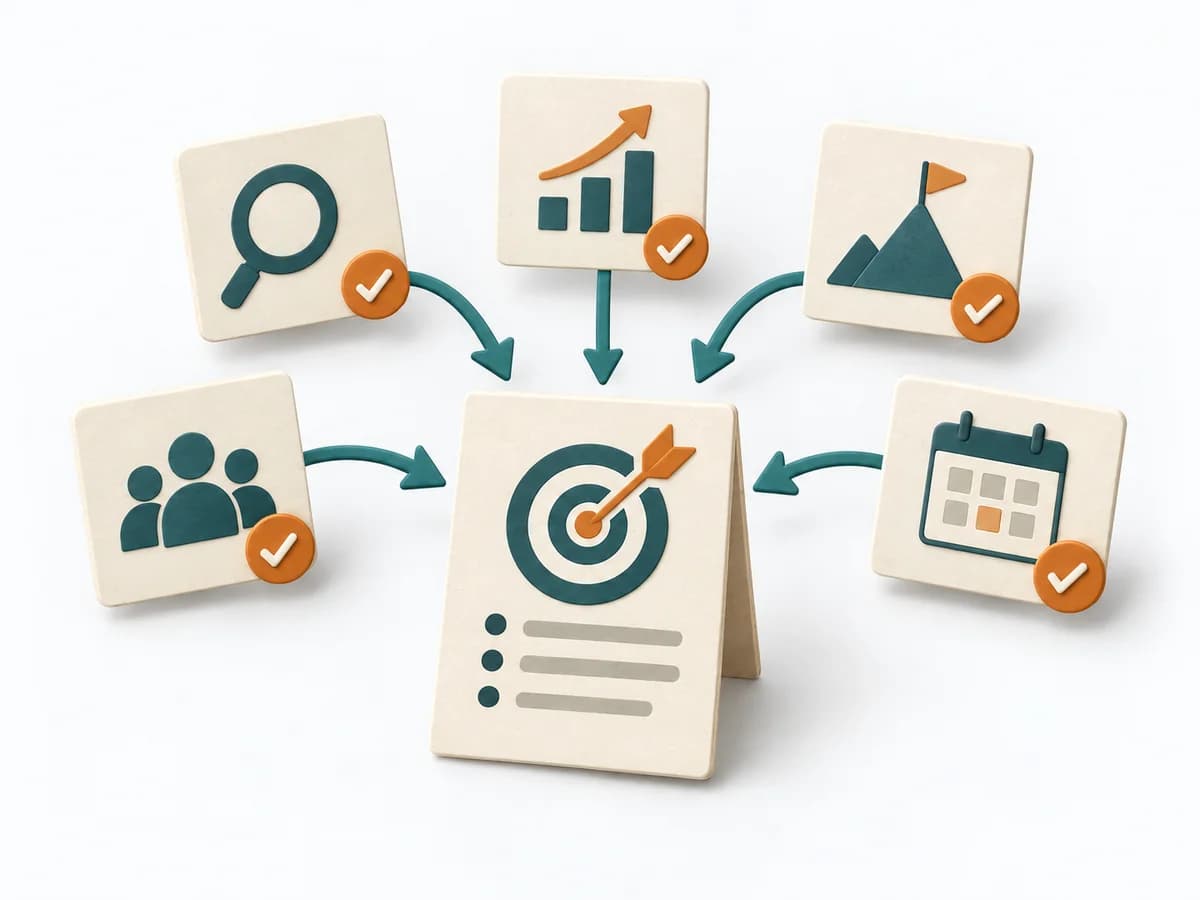
Formulates goals precisely enough that measure, relevance, and deadline together form a clear basis for steering.