Purpose
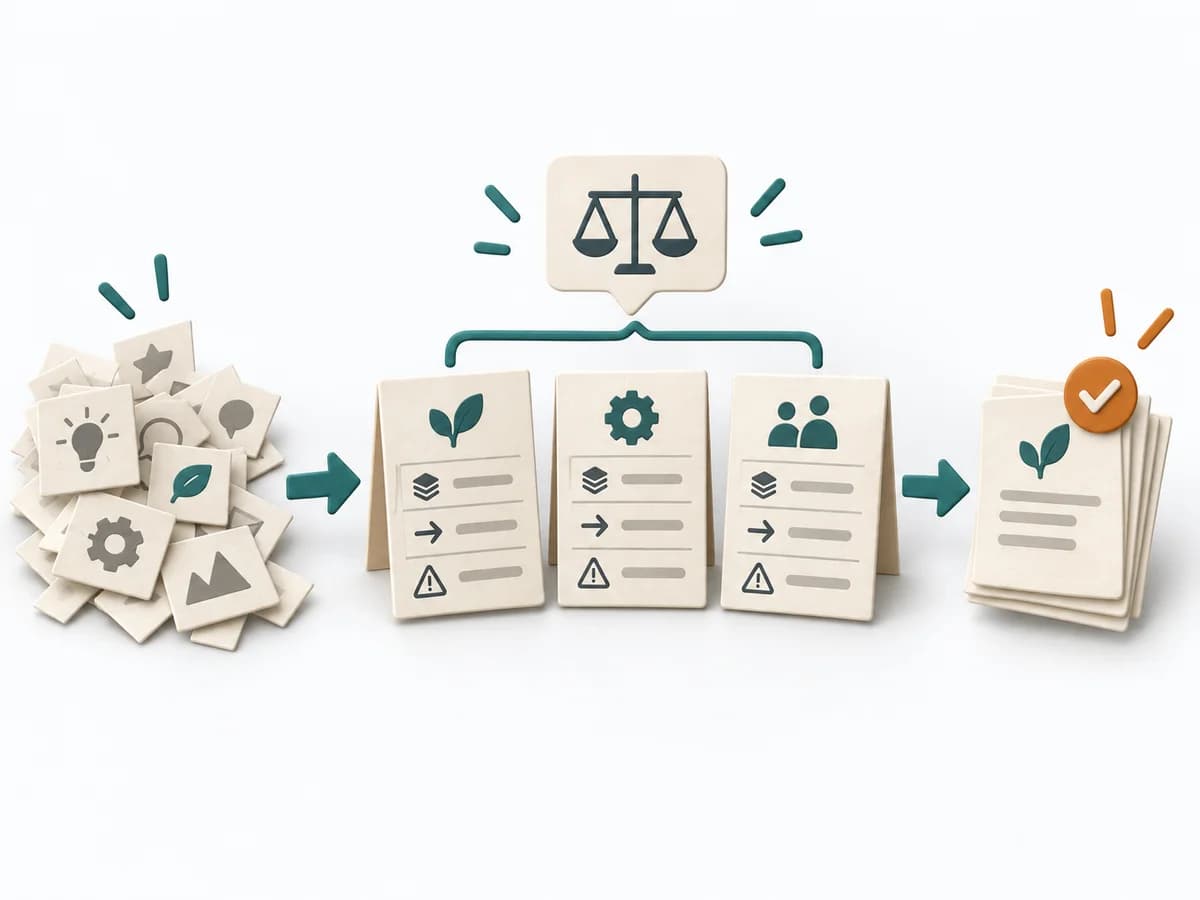
When a decision is poorly framed, even good answers deliver little value. A Decision Framing Workshop sharpens the problem, goal, and boundaries before the actual weighing begins.
Decision Making Decision method
A decision framing workshop sharpens the decision question, options, criteria, and evidence needs toward a suitable decision format.
A decision framing workshop turns a decision into a precise question with context, criteria, and constraints. The shared frame reveals missing information, needed perspectives, and a suitable decision mode.
What decision is pending now, who owns it, which objectives, alternatives, and uncertainties belong in the frame, and what analysis is needed before deciding?
The steps form one complete method run.
Decision
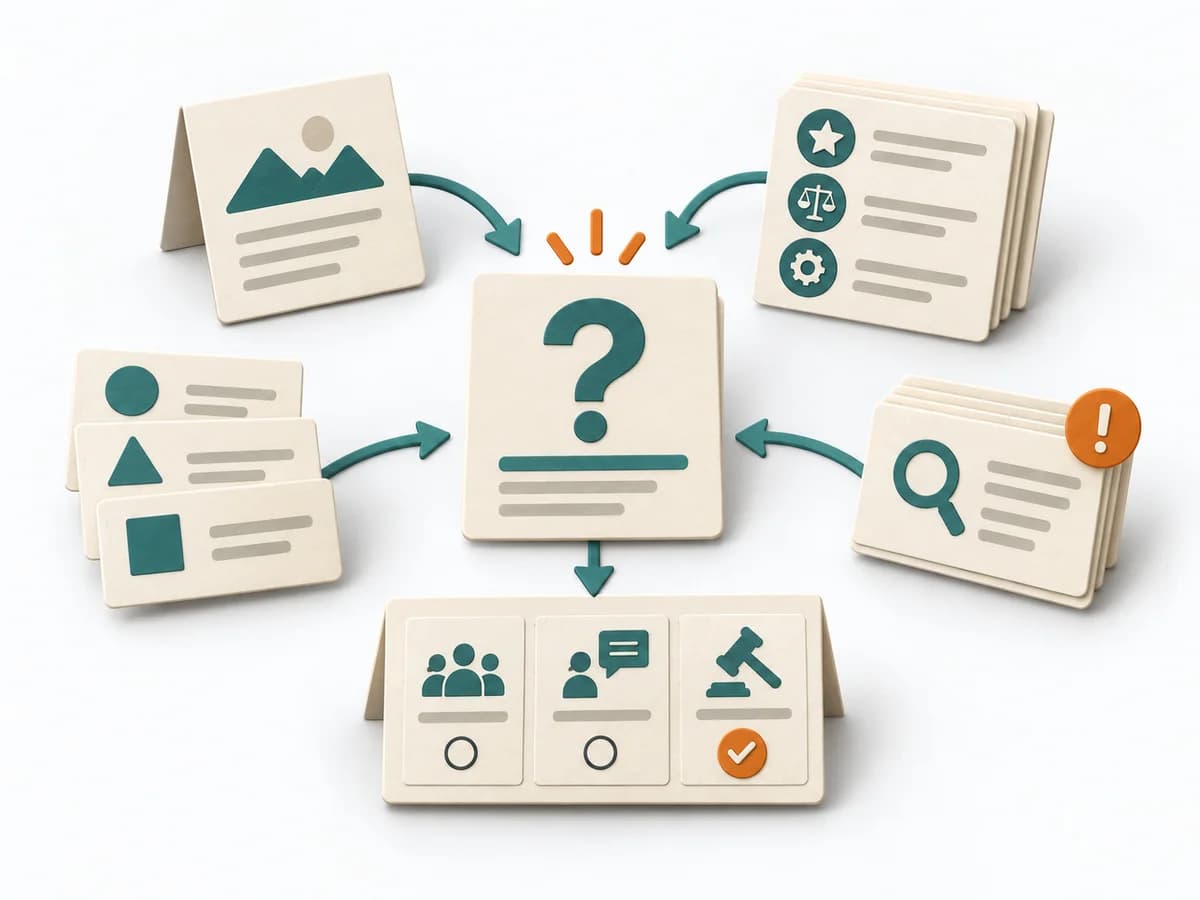
Clarify decision owner, choice statement, date, and downstream decision it enables.
Scope
Mark in/out, horizon, affected groups, fixed boundaries, and interfaces.
Objectives
Derive fundamental objectives, measures, and red lines from stakeholder perspectives.
Options
Phrase status quo and distinct feasible alternatives at the right decision level.
Evidence
Set key uncertainties, tipping values, sources, owners, and decision process; approve frame.
Add new evidence at review and version decisions with the prior state.
Wenn eine Entscheidung schlecht gestellt ist, liefern selbst gute Antworten wenig Wert. Ein Decision Framing Workshop schärft Problem, Ziel und Grenzen, bevor die eigentliche Abwägung beginnt.
Approved decision frame with decision statement, scope, objectives, alternatives, uncertainties, evidence plan, and revisit rules.
Fictional example
Fictional values show the actual method fields.
| Frame field | Working question | Fictional content | Owner/source | Status |
|---|---|---|---|---|
| DecisionAdd evidence and rationale. | Who decides what by when? | Operations chooses the Saturday model on 28 Oct for January onward. | Operations lead | Approved |
| ScopeAdd evidence and rationale. | What is in, out, fixed, or open? | In: Hamburg/Saturday; out: price/weekdays; fixed: labour/fire code. | Decision owner + stakeholders | Approved |
| ObjectivesAdd evidence and rationale. | Which fundamental values and red lines matter? | p80 wait; errors <1%; warehouse load; emergency access; effort. | Stakeholder group | Approved |
| AlternativesAdd evidence and rationale. | Which real actions include status quo? | A status quo; B fixed slots; C dynamic slots; D slots plus buffer. | Operations + Product | Open for additions |
| UncertaintyAdd evidence and rationale. | Which tipping question changes the choice? | Emergencies/month and achievable p80 flip B versus D. | Lea, four-Saturday pilot | Due 21 Oct |
All values are fictional.
Clarify mandate and decision owner; interview stakeholders about the decision, boundaries, interests, and contested assumptions.
When a decision is poorly framed, even good answers deliver little value. A Decision Framing Workshop sharpens the problem, goal, and boundaries before the actual weighing begins.
The decision is framed as a precise question with context, criteria, and boundary conditions. The shared framing shows which information is missing, which perspectives are needed, and which decision mode fits. This prevents the team from building a final answer too early on an unclear question.
Decision Framing separates the structure of a decision from its evaluation. The method clarifies which decision is at hand, why it matters now, which options are real, and by which criteria the decision should be made. It also makes roles, uncertainties, and required evidence visible. That prevents teams from comparing options while actually speaking about different questions.
Start with the decision question and keep it visible. Clarify the decision owner, participants, and advisors before options are evaluated. Make sure criteria and constraints are not mixed up, and end with a clear next decision format.
The method guide walks execution through 5 phases, timing, 5 pitfalls, and clear stop criteria.
Open method guideYour perspective
Your feedback helps shape the next improvements to methodatlas.
Set subject, evidence, roles, flow, and review.
To be confirmed
To be confirmed
Complete run Time: 120–180 minutes plus pre-interviews where scope is contested.
Complete this worksheet on paper or in your own document during the work.
| Frame field | Working question | Fictional content | Owner/source | Status |
|---|---|---|---|---|
| Decision | ||||
| Scope | ||||
| Objectives | ||||
| Alternatives | ||||
| Uncertainty |
The blank worksheet contains prompts only.
Reference · original teaching example
Expected artifact: Decision statement
Clarify decision owner, choice statement, date, and downstream decision it enables.
Entry:
...
Expected artifact: Scope map
Mark in/out, horizon, affected groups, fixed boundaries, and interfaces.
Entry:
...
Expected artifact: Objective hierarchy
Derive fundamental objectives, measures, and red lines from stakeholder perspectives.
Entry:
...
Expected artifact: Alternative space
Phrase status quo and distinct feasible alternatives at the right decision level.
Entry:
...
Expected artifact: Evidence plan
Set key uncertainties, tipping values, sources, owners, and decision process; approve frame.
Entry:
...
...
Method guide: https://methodatlas.meierhoff-systems.de/en/methods/decision-framing-workshop/run-sheet
Fitting alternatives with decision guidance, followed by other related methods.

Instead of Decision Framing Workshop, choose RAPID when roles for Recommend, Agree, Perform, Input, and Decide need to be defined.
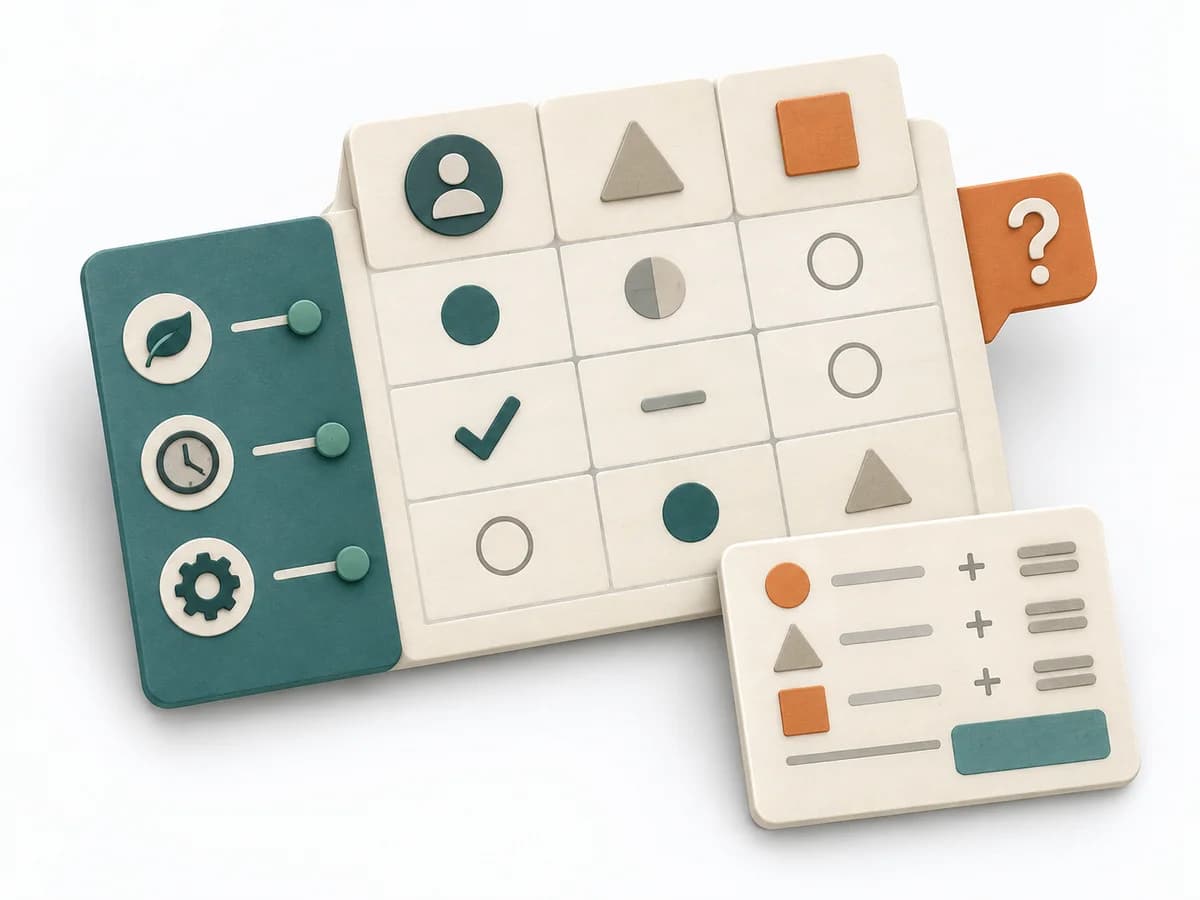
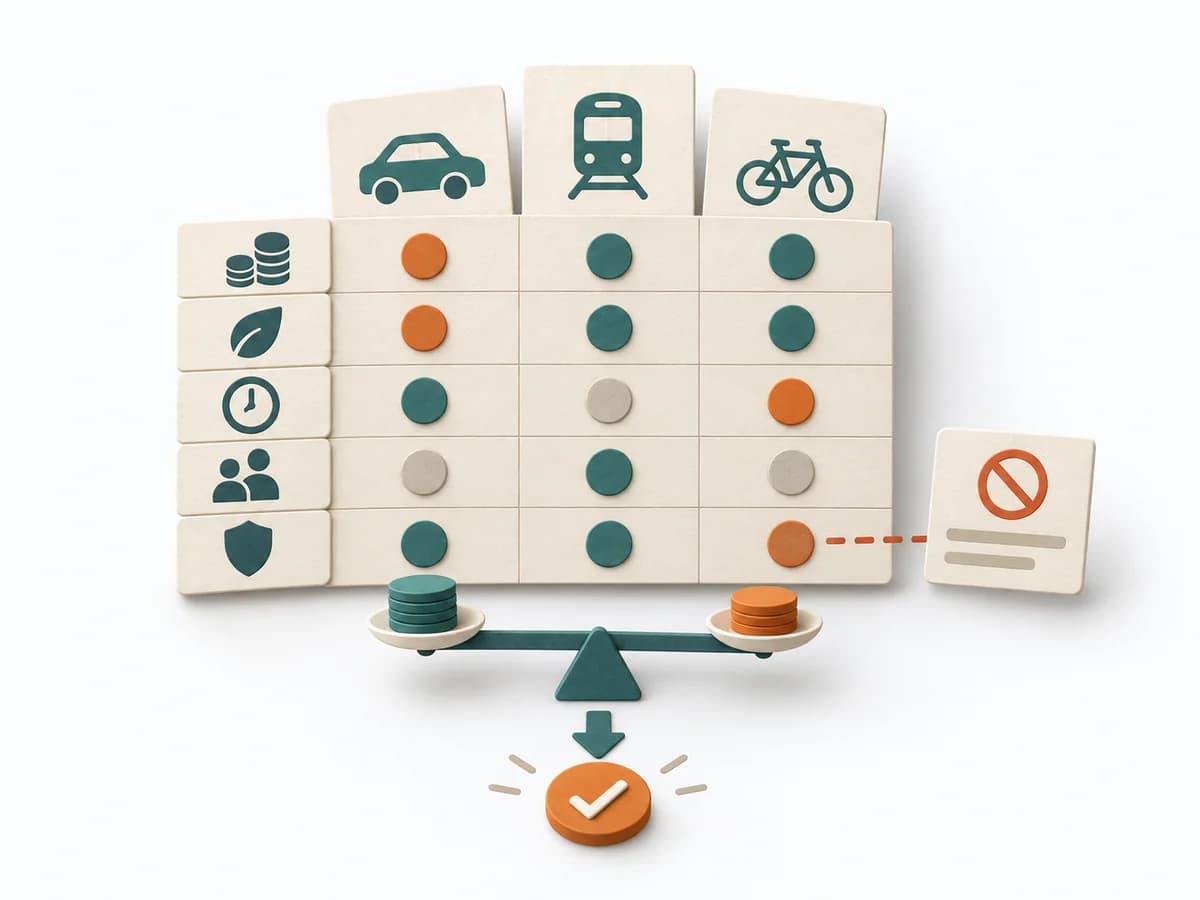
Instead of Decision Framing Workshop, choose Decision Matrix when you want to compare options in a traceable way through explicit criteria, weighting, and justification.

Makes hard and soft boundaries visible and turns them into decision rules and option impact notes.

Moves options, criteria, and risks toward a concrete result through "identify key decision types", "collect roles", and "document and communicate the agreement".

Draws decisions as branching paths so options, conditions, and consequences become clearer in comparison.
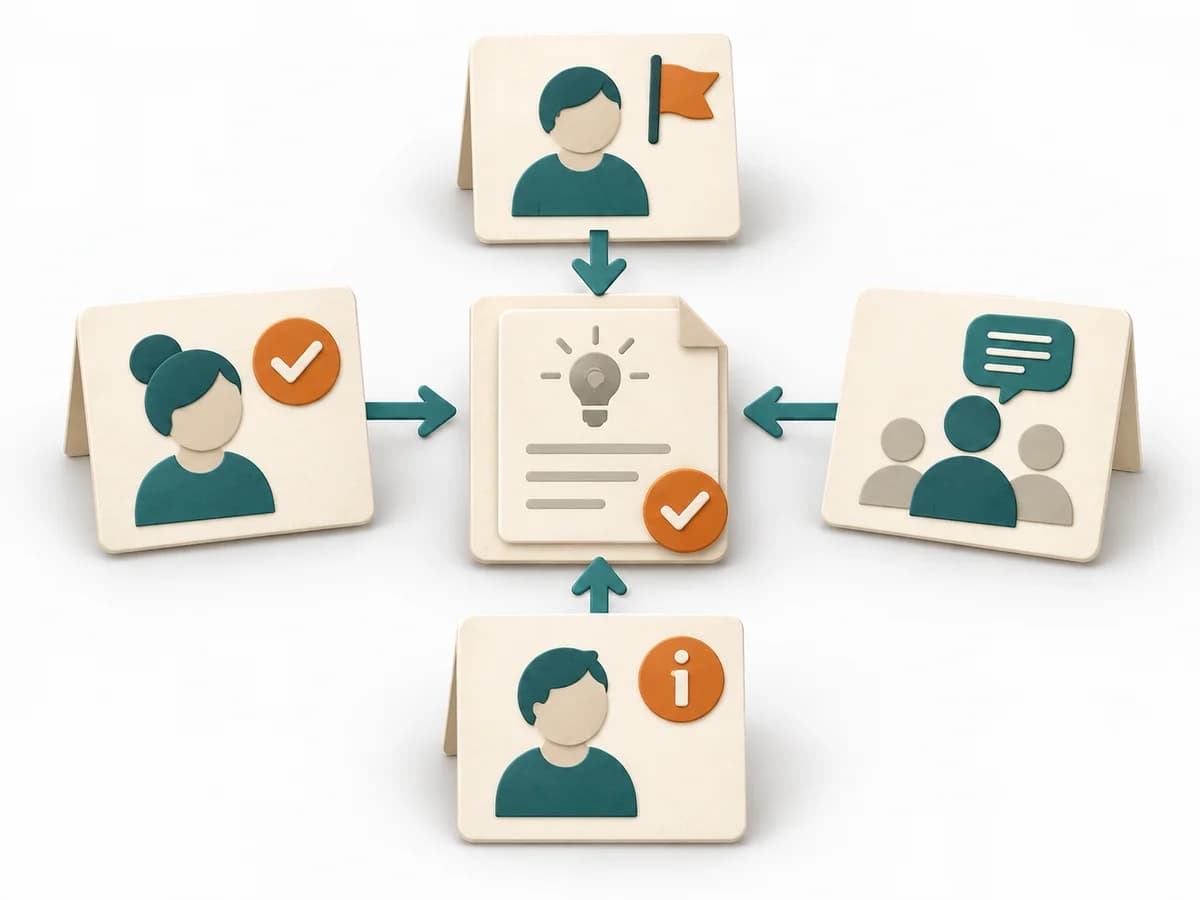
Clarifies roles for driver, approver, contributors, and informed and records the decision in a solid matrix.