Purpose
When an initiative stalls, the limit often lies not in the idea but in hard or soft boundary conditions. Constraint Analysis separates these limits and shows which of them can actually be shaped.
Decision Making Decision method
Constraint analysis makes hard and soft boundaries visible and shapes them into decision rules and option impact notes.
Constraint analysis classifies boundaries by their binding force and distinguishes changeable limits from conditions that must be worked around. This makes the available design space and its dependencies visible.
Which limit currently binds the system goal, which apparent limits are rules or assumptions, and what does a controlled relief test show?
The steps form one complete method run.

Boundary
Set system goal, flow unit, demand, period, and flow start/end.
Register
Capture physical, capacity, policy, and assumed limits with evidence, upper bound, and slack.
Binding
Test candidates against demand and system throughput; observe blockage before and idle time after.
Test
Protect or relieve the constraint and set a measurable prediction and stop rule beforehand.
Decide
Record binding limit, exploit/elevate action, and next constraint search with owner and review.
Add new evidence at review and version decisions with the prior state.
Wenn ein Vorhaben stockt, liegt die Grenze oft nicht in der Idee, sondern in harten oder weichen Rahmenbedingungen. Constraint Analysis trennt diese Begrenzungen und zeigt, welche davon tatsächlich gestaltbar sind.
Evidence-based constraint register with binding limit, buffer effect, relief test, new limit, and decision rule.
Fictional example
Fictional values show the actual method fields.
| Limit | Type | Upper bound | Evidence | Buffer pattern | Binding? | Relief test | Action |
|---|---|---|---|---|---|---|---|
| PreparationAdd evidence and rationale. | Capacity | 14 units/h | Time study over four Saturdays | No buffer before; 11 wait after handoff later | Yes after test | Observe after handoff relief | Protect as new constraint |
| HandoffAdd evidence and rationale. | Policy/capacity | 9 units/h with one lane | Scanner and handoff log | 11 units before; pickup idle after | Yes before test | Second lane 60 min → system 14/h | Set lane standard and owner |
| Warehouse feedAdd evidence and rationale. | Capacity | 18 units/h | Warehouse log | No persistent buffer | No | No test needed | Monitor only |
All values are fictional.
Set system goal, flow unit, period, demand, and boundary; capture capacity and actual throughput in the same unit.
When an initiative stalls, the limit often lies not in the idea but in hard or soft boundary conditions. Constraint Analysis separates these limits and shows which of them can actually be shaped.
Boundary conditions are examined for how binding they are and broken down into firm, changeable, or merely bypassable limits. This makes it distinguishable where shaping is possible and where the solution must adapt to reality. This guards against false alternatives that fail against the environment.
Constraint Analysis treats constraints not as a side note, but as a central structure of the problem. The method distinguishes hard constraints, soft constraints, assumptions, and self-imposed limits. That makes it clear which options are impossible, costly, risky, or only possible under certain conditions. Good constraint work can shrink the solution space while still allowing creative workarounds.
Collect constraints from technology, organization, law, time, budget, people, and market. Mark each constraint as hard, soft, assumed, or negotiable. Ask deliberately which constraint could be relaxed and which one truly cannot be negotiated.
The method guide walks execution through 5 phases, timing, 5 pitfalls, and clear stop criteria.
Open method guideYour perspective
Your feedback helps shape the next improvements to methodatlas.
Set subject, evidence, roles, flow, and review.
To be confirmed
To be confirmed
Complete run Time: 90–150 minutes for one bounded system flow; measurement and test extra.
Complete this worksheet on paper or in your own document during the work.
| Limit | Type | Upper bound | Evidence | Buffer pattern | Binding? | Relief test | Action |
|---|---|---|---|---|---|---|---|
| Preparation | |||||||
| Handoff | |||||||
| Warehouse feed |
The blank worksheet contains prompts only.
Reference · original teaching example
Expected artifact: System frame
Set system goal, flow unit, demand, period, and flow start/end.
Entry:
...
Expected artifact: Constraint register
Capture physical, capacity, policy, and assumed limits with evidence, upper bound, and slack.
Entry:
...
Expected artifact: Binding limit
Test candidates against demand and system throughput; observe blockage before and idle time after.
Entry:
...
Expected artifact: Relief finding
Protect or relieve the constraint and set a measurable prediction and stop rule beforehand.
Entry:
...
Expected artifact: Constraint plan
Record binding limit, exploit/elevate action, and next constraint search with owner and review.
Entry:
...
...
Method guide: https://methodatlas.meierhoff-systems.de/en/methods/constraint-analysis/run-sheet
Fitting alternatives with decision guidance, followed by other related methods.
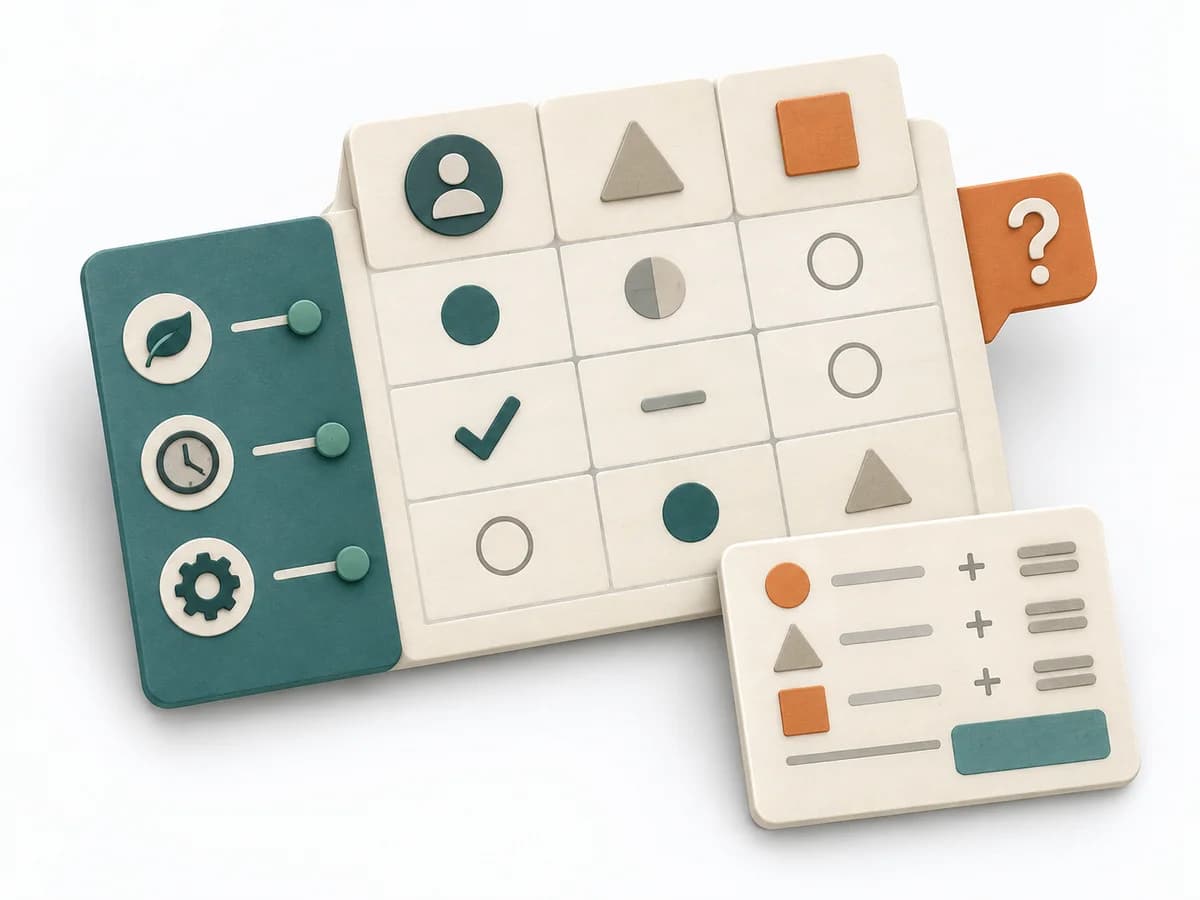
Instead of Constraint Analysis, choose Decision Matrix when known options should be prioritized using transparent criteria.

Instead of Constraint Analysis, choose Force Field Analysis when you want to weigh the driving and restraining forces of a change against each other.
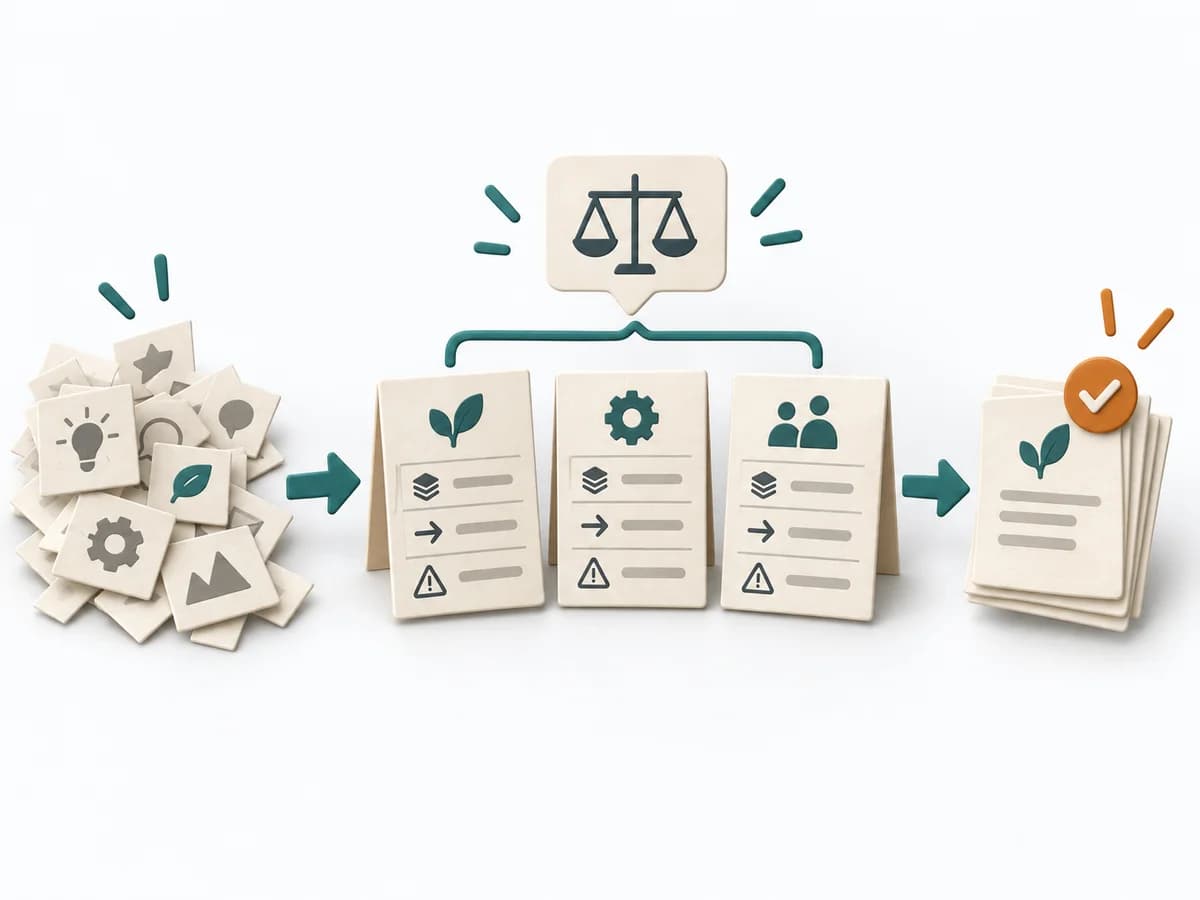
Shapes raw options into comparable descriptions with assumptions and consequences for a real shortlist.

Thinks through failure in advance to surface risks, countermeasures, and critical assumptions early.
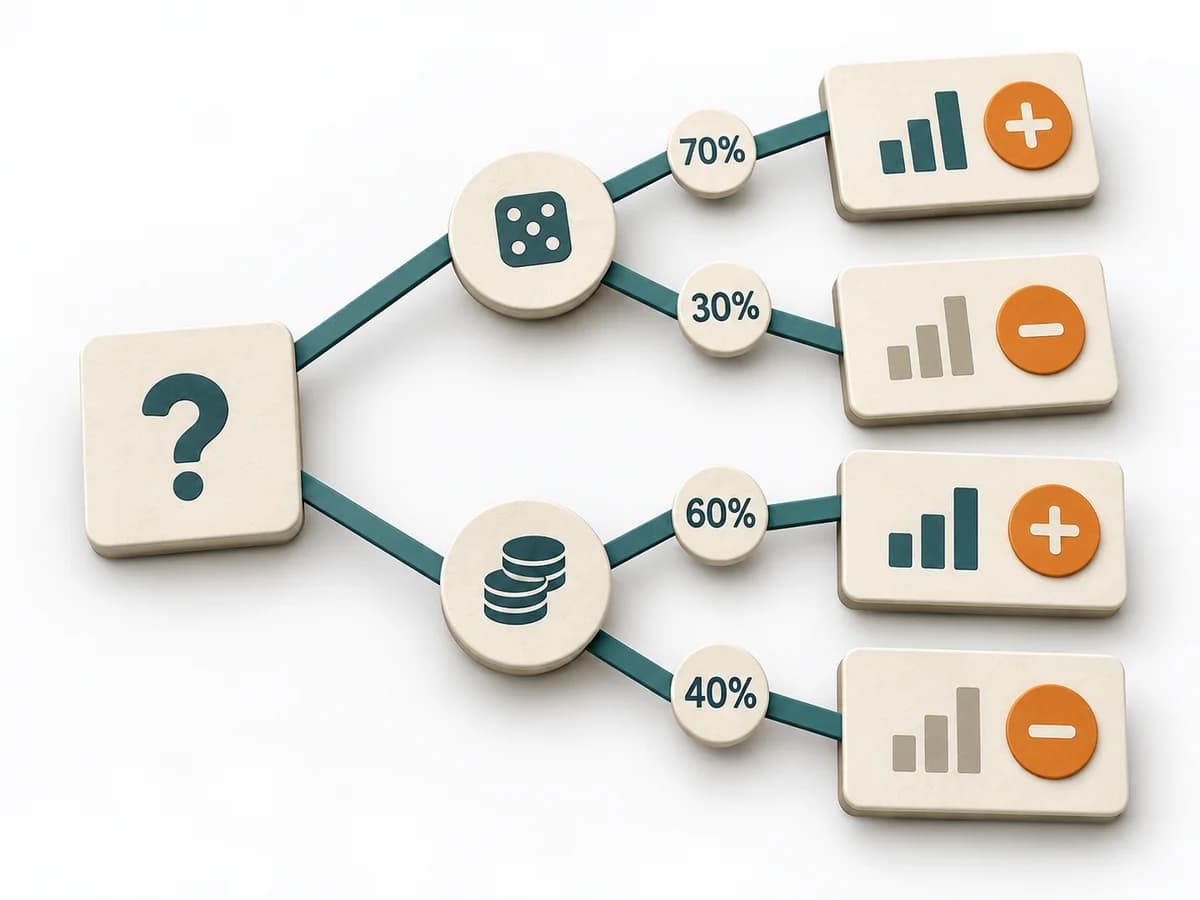
Draws decisions as branching paths so options, conditions, and consequences become clearer in comparison.

Clarifies options, criteria, and risks by framing the initiative or decision, collecting implicit assumptions, and planning tests or research.