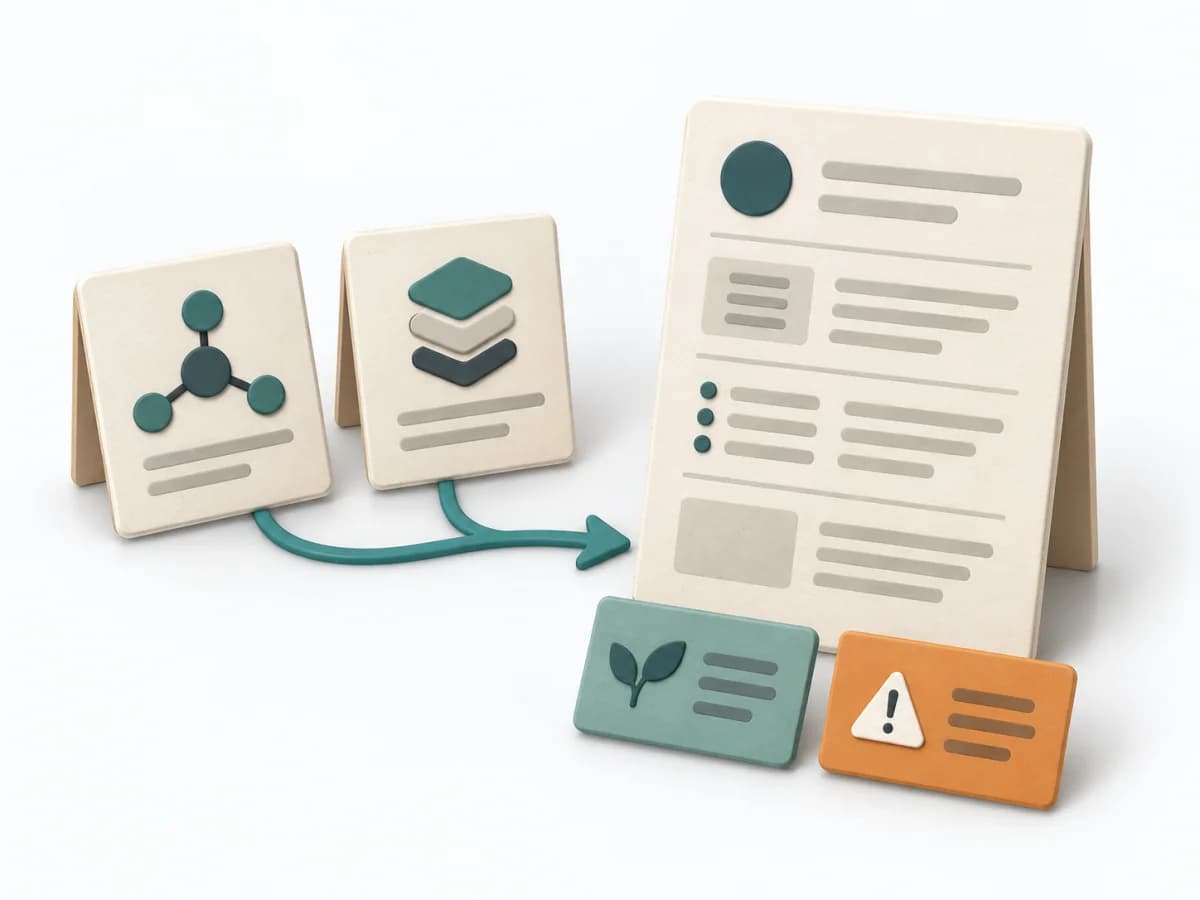
Purpose
The Architecture Inception Canvas bundles the first architecture questions into a compact decision picture. It fits when an initiative is still in motion but still needs clear guardrails.
Architecture Canvas
Structures the start of a new system around business goals, functions, constraints, and architecture hypotheses.
A compact inception workshop for a new system: business case, functions, context, quality goals, constraints, hypotheses and risks.
Which goals, constraints and testable architecture hypotheses shape the new system?
Which goals, constraints and testable architecture hypotheses shape the new system?
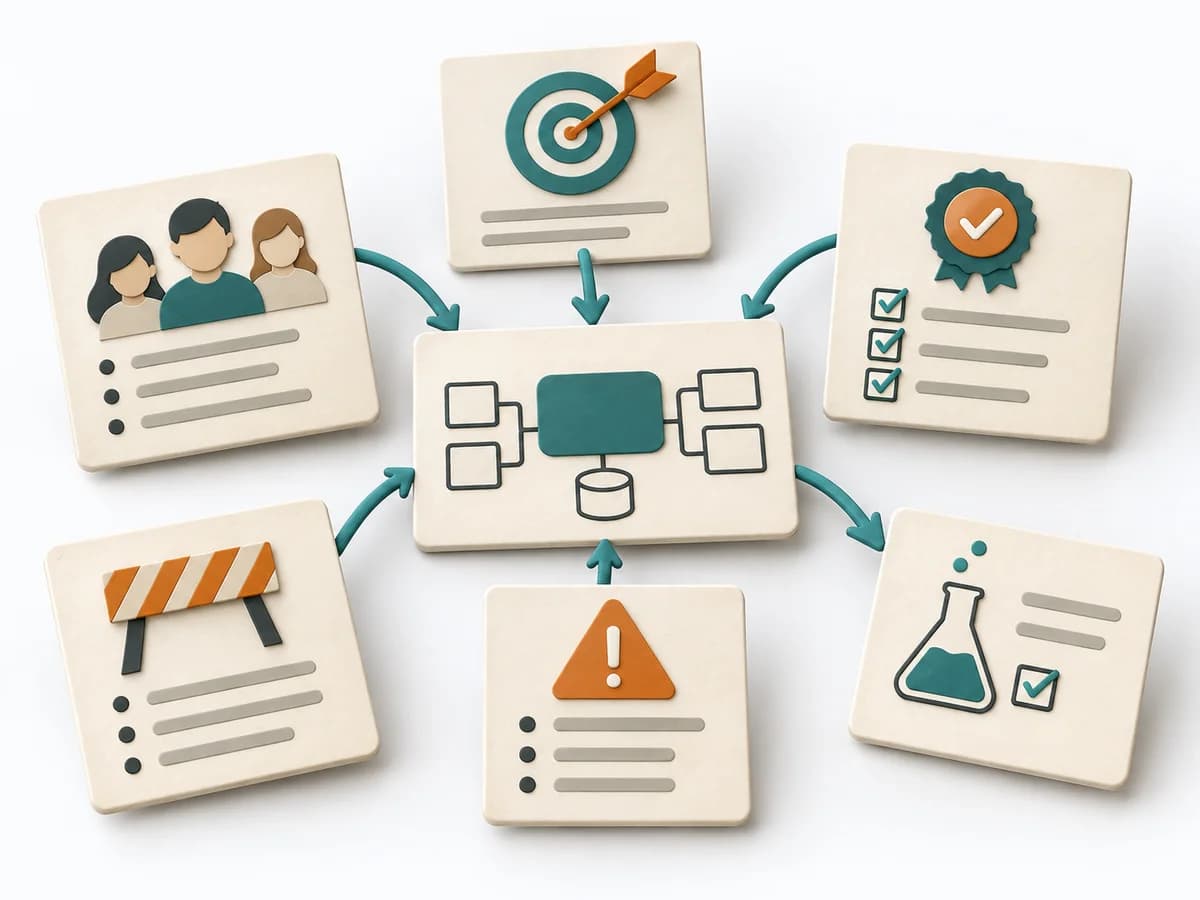
System
Complete system, team, date and iteration; describe business case and functional overview for a new system.
Goals
Draw the system as a black box with communication partners; record the top quality goals from stakeholder view.
Constraints
Separate binding requirements from preferences; add source, owner and effect.
Hypotheses
List consequential architecture hypotheses with reasons, technical risks and a way to investigate them.
Update the work record when new evidence, changed constraints or the planned review changes an assumption.
For greenfield work at project inception, not detailed design or a general replacement for communication about existing systems.

The canvas contains system, team, date, and iteration, as well as the business case and functional overview for a new system.

The diagram shows the system as a black box with communication partners and records the top quality goals from the stakeholder view.
The artifact separates binding requirements from preferences and includes source, owner, and effect.
The artifact lists consequential architecture hypotheses with reasons, technical risks, and an investigation approach.
Fictional example
Source-defined fields only; use the linked version. The example is fictional and the working canvas begins empty.
Describe the business or economic driver.
A rental booking service is proposed; the economic driver still needs confirmation.
List the most important functions at high level.
Check availability, request a reservation and receive confirmation.
Show the system as a black box and its communication partners.
Customers and payment service are neighboring partners.
Record organizational limits on design choices.
Must connect to the existing booking operation; owner to confirm.
Name three top quality goals from key stakeholder view.
Clear status during concurrent reservations; metric still open.
Record technical limits on design choices.
Existing booking interface needs verification.
Record consequential architecture hypotheses and reasons.
A spike tests whether availability can be synchronized reliably.
List known technical challenges and risks.
Timeout may leave reservation status unclear.
Use the published Architecture Inception Canvas and record system, team, workshop date and iteration.
The Architecture Inception Canvas bundles the first architecture questions into a compact decision picture. It fits when an initiative is still in motion but still needs clear guardrails.
First, goal, context, stakeholders, risks, and constraints are collected. Then the team condenses key options, open questions, and assumptions into a shared working state. This creates a usable starting point for architecture conversations and further detail work.
The canvas helps because it focuses an early architecture conversation on goals, framing, risks, and key decisions before details diverge. Good use connects product context and technical consequence instead of just producing a nice overview. Its strength shows when dependencies, quality demands, and open bets get a shared place early, making starting decisions more deliberate.
Start with the occasion, target picture, and the initiative's most important uncertainties so the canvas provides genuine initial orientation. The picture gets clearer as soon as an open assumption touches several technology decisions. Finish by noting a few prioritized architecture questions and a clear path for the first validations.
The method guide walks execution through 4 phases, timing, 4 pitfalls, and clear stop criteria.
Open method guideYour perspective
Your feedback helps shape the next improvements to methodatlas.
Plan a session or initiative to match the actual scope of work.
To be confirmed
To be confirmed
Prepare the full method Time: 60–120 minutes with prepared participants; missing requirements or technical research are separate.
Complete this worksheet on paper or in your own document during the work.
Describe the business or economic driver.
...
List the most important functions at high level.
...
Show the system as a black box and its communication partners.
...
Record organizational limits on design choices.
...
Name three top quality goals from key stakeholder view.
...
Record technical limits on design choices.
...
Record consequential architecture hypotheses and reasons.
...
List known technical challenges and risks.
...
Architecture Inception Canvas (official PDF)
Expected artifact: Context for a greenfield inception
Context for a greenfield inception
Entry:
...
Expected artifact: Context diagram and quality goals
Context diagram and quality goals
Entry:
...
Expected artifact: Traceable constraints
Traceable constraints
Entry:
...
Expected artifact: Hypotheses and technical challenges
Hypotheses and technical challenges
Entry:
...
...
Method guide: https://methodatlas.meierhoff-systems.de/en/methods/architecture-inception-canvas/run-sheet
Fitting alternatives with decision guidance, followed by other related methods.
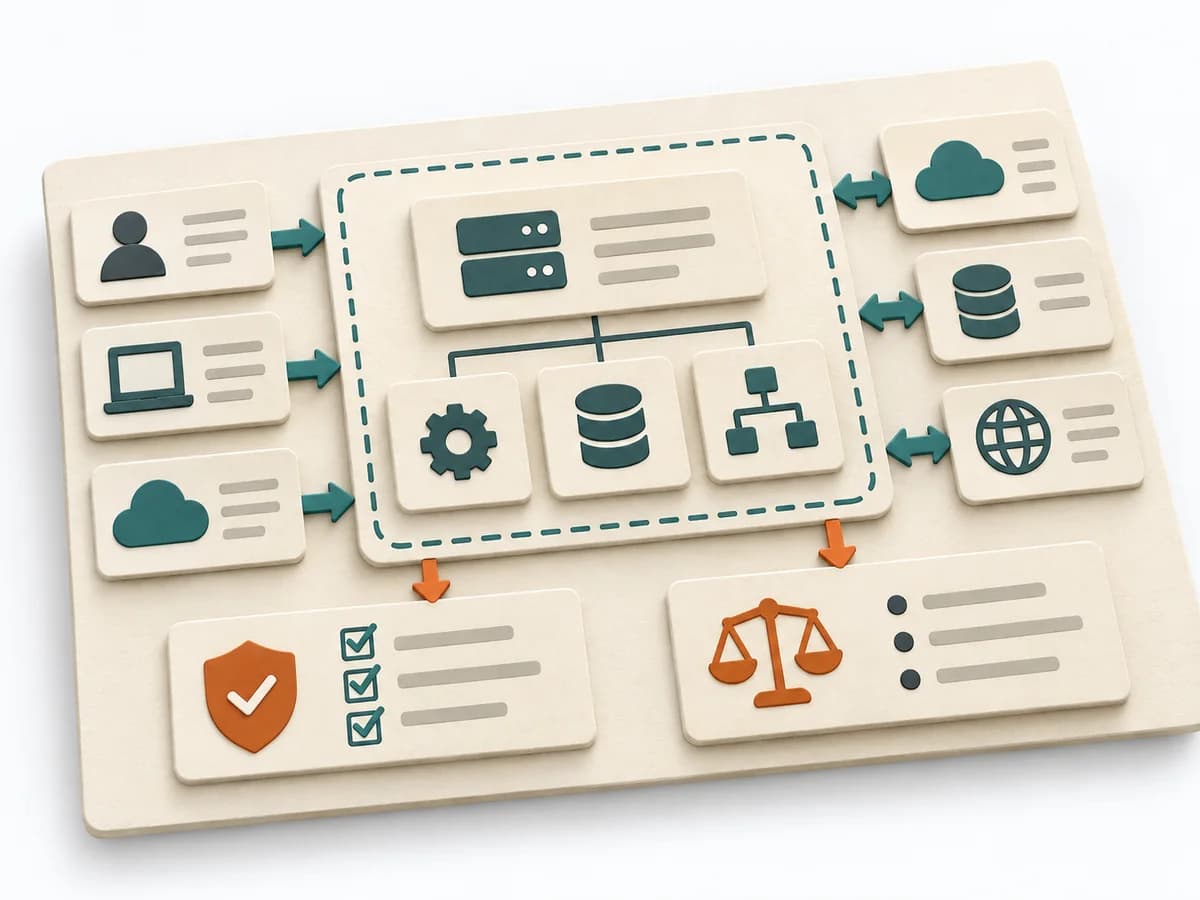
Instead of Architecture Inception Canvas, when you want to frame an architecture on a compact, shared overview sheet.
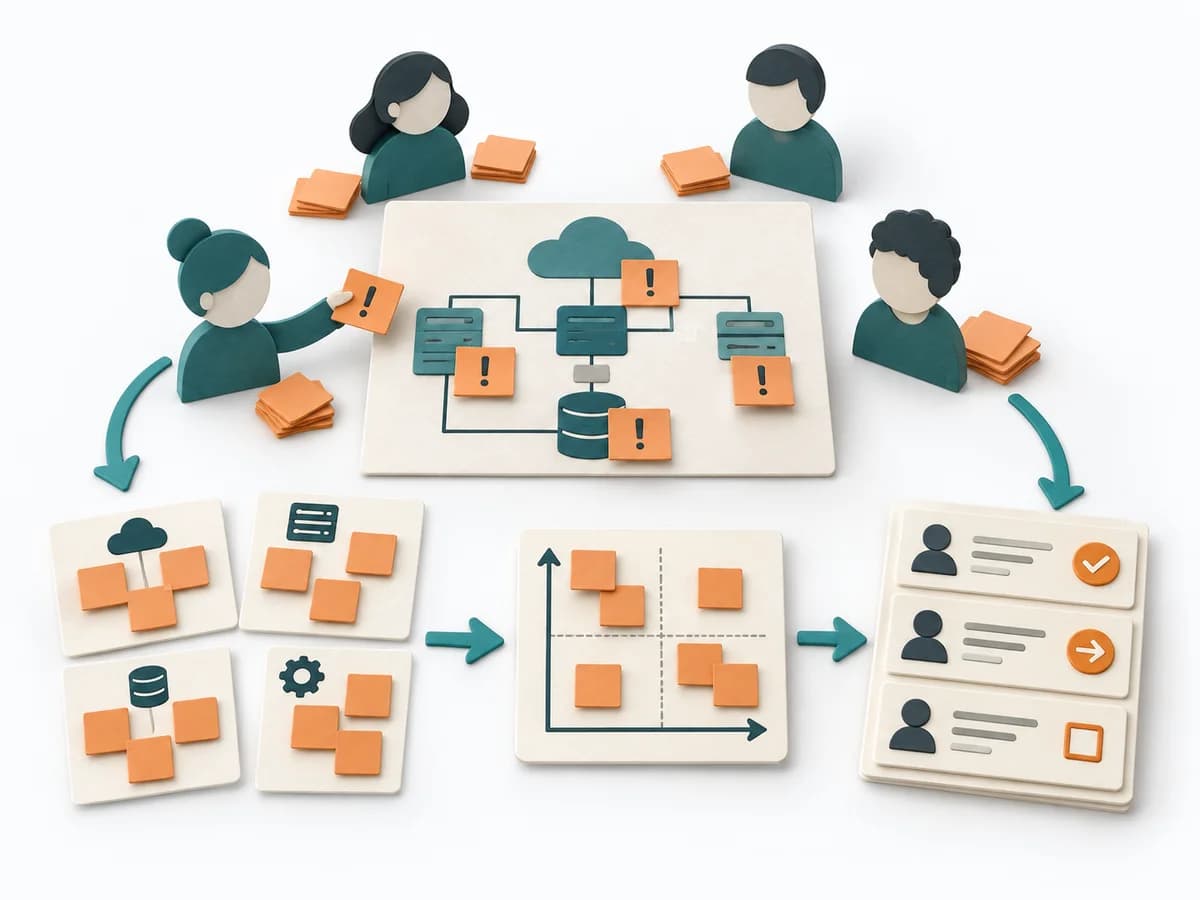
Moves architecture context, options, and consequences toward a concrete result through "place the architecture diagram or plan in the center", "set risk categories such as technical, organizational, and external", and "assign an owner and next steps for each top risk".
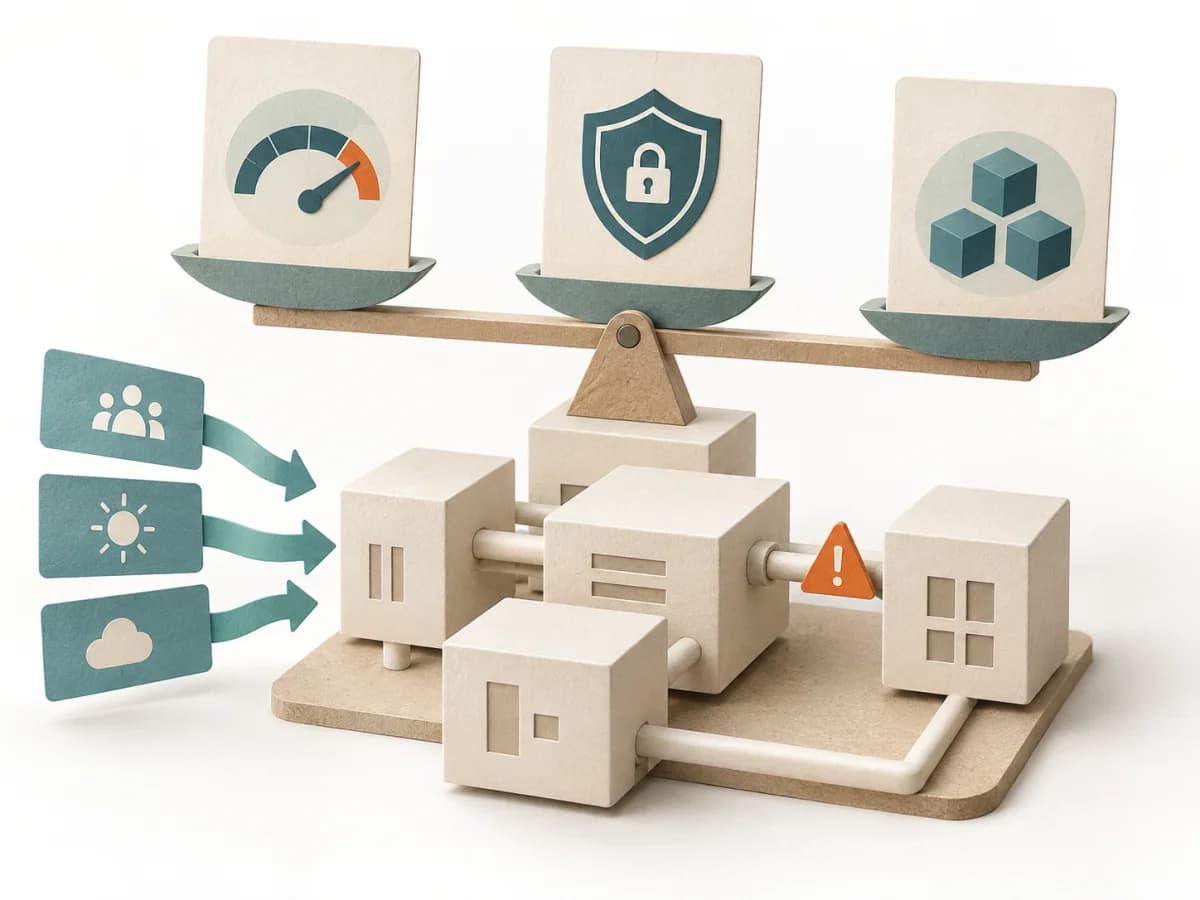
Examines how architecture decisions support important quality goals and makes risks and trade-offs visible.
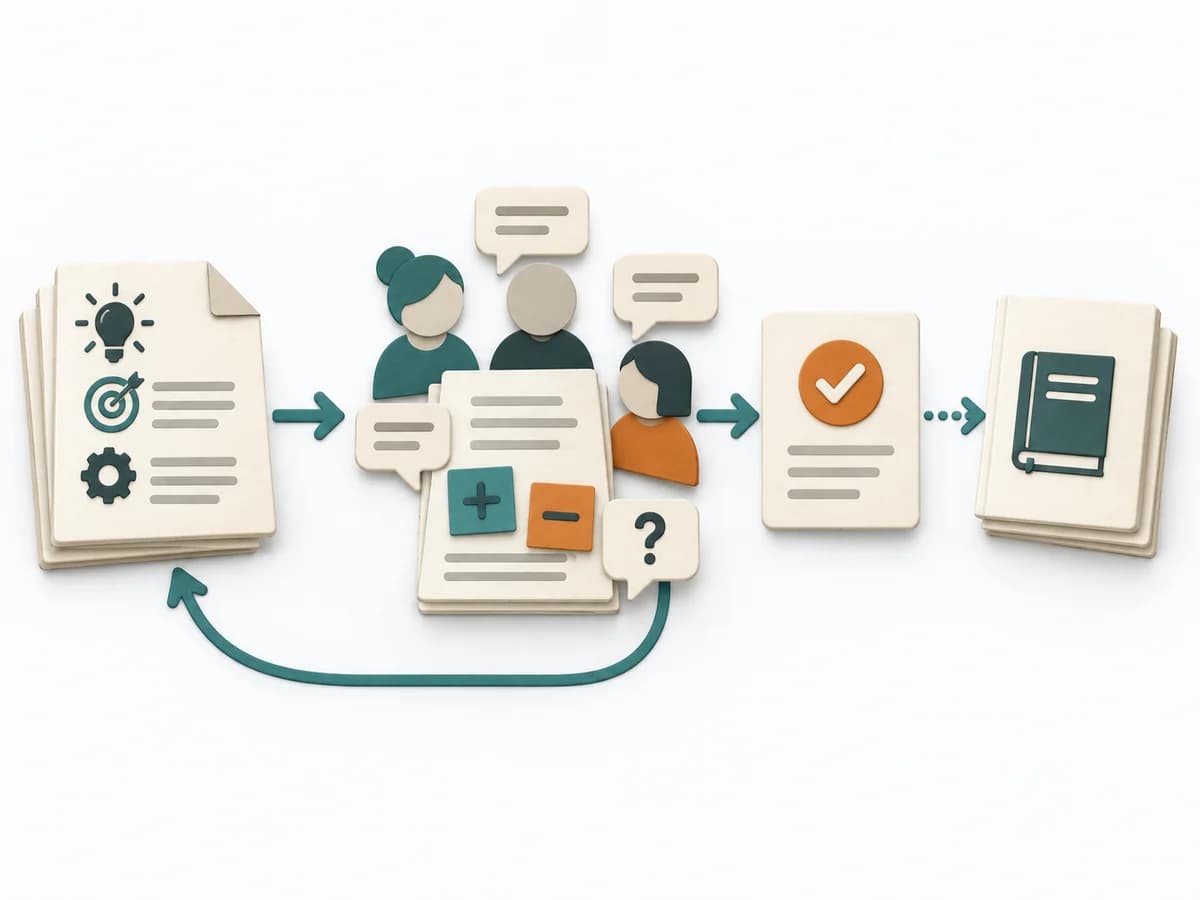
Uses a structured proposal and review process to make non-trivial technical or product changes discussable and decidable.

Uses concrete tasks to show how well an architecture supports use and change.
Prepares stakeholders, core messages, and artifacts so architecture communication connects deliberately.