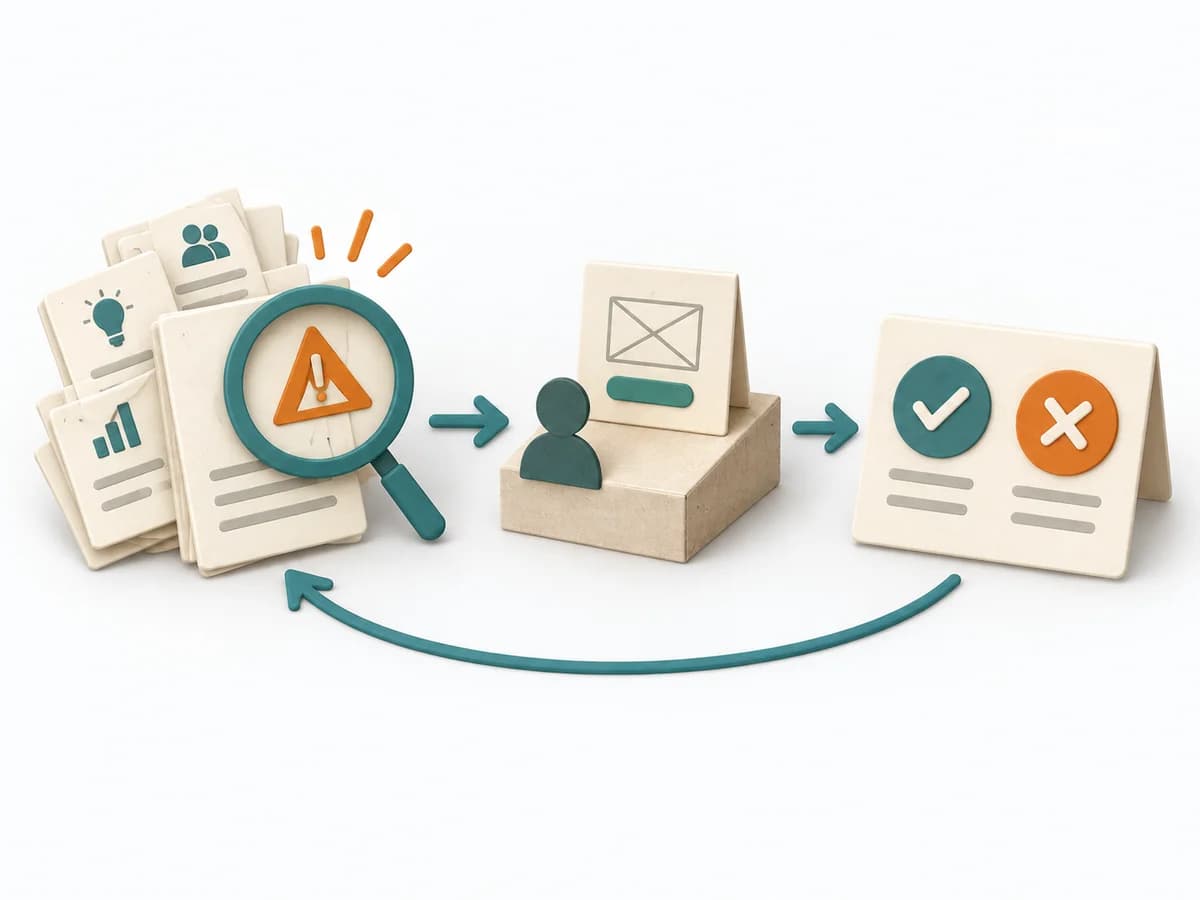
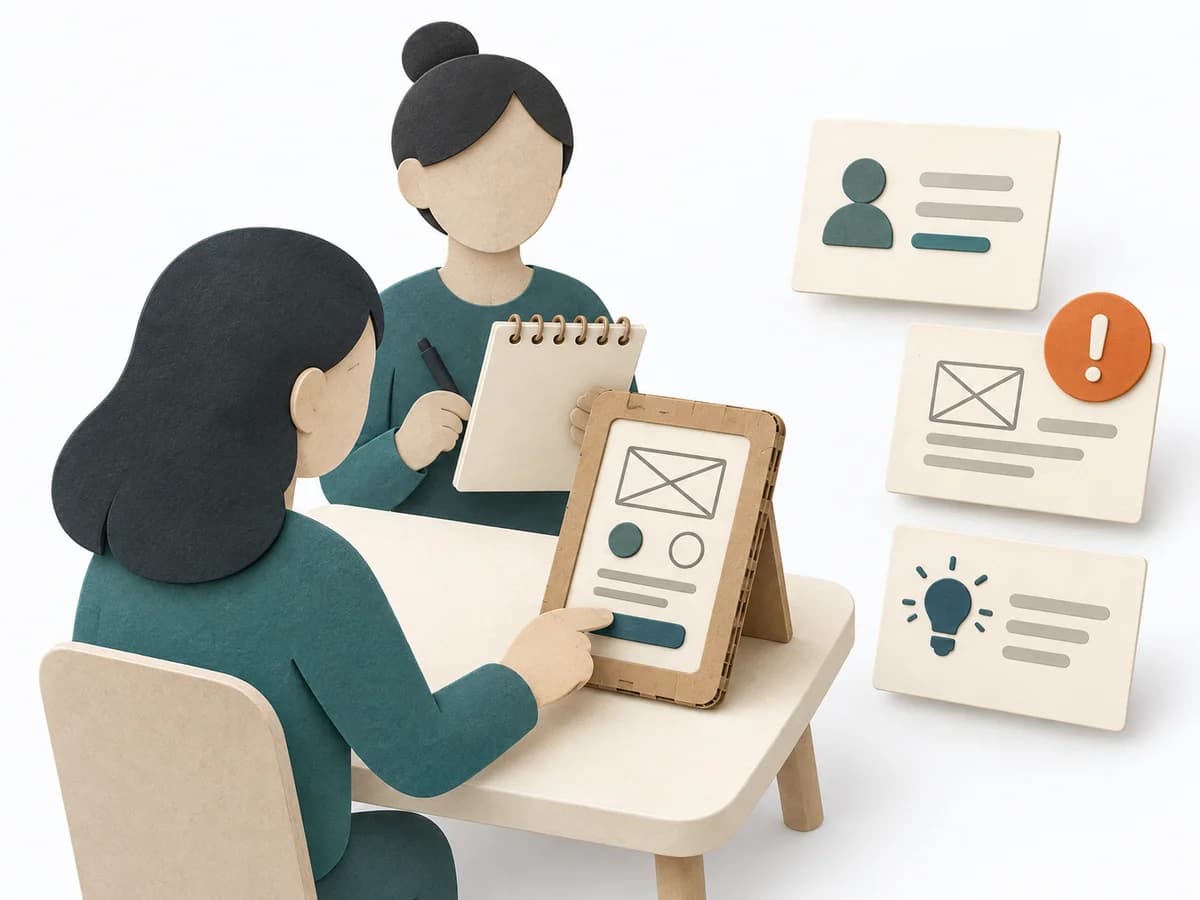
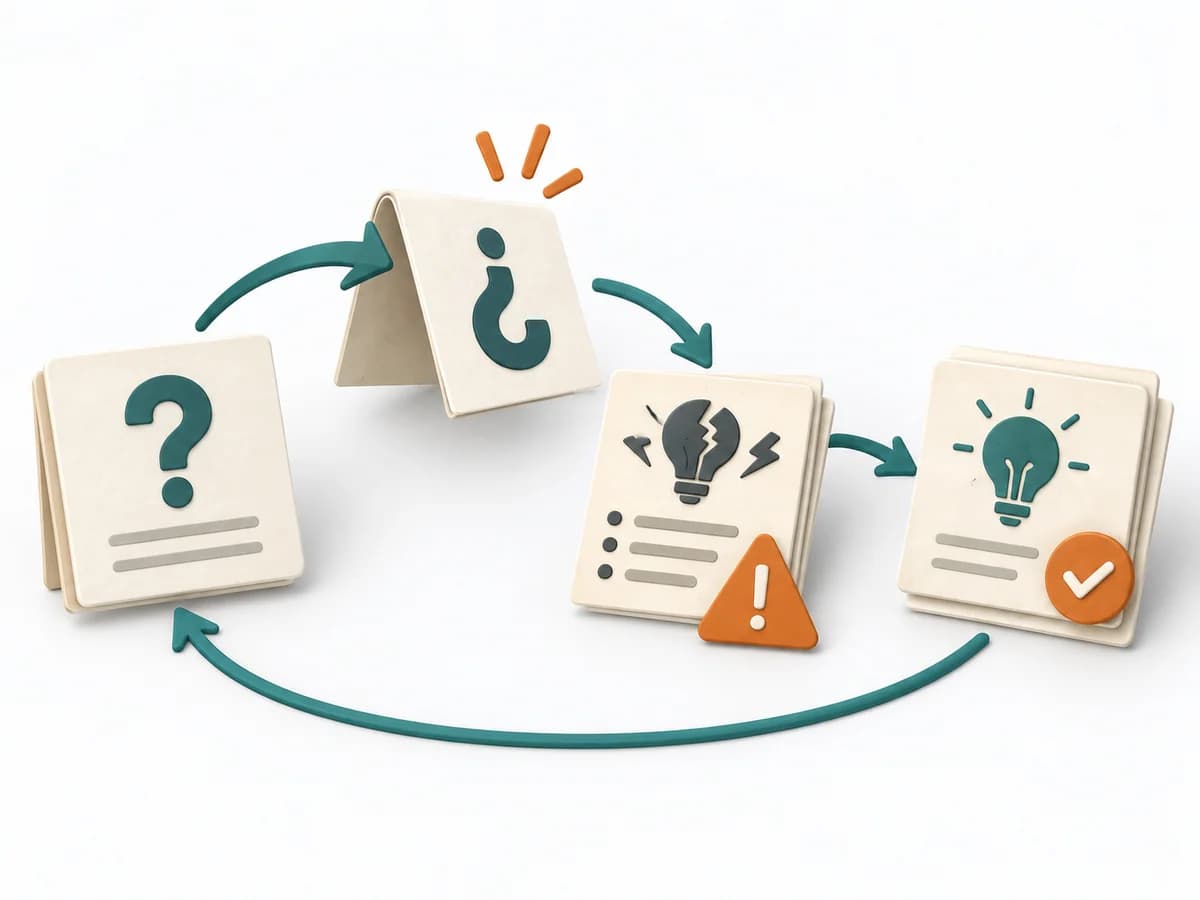
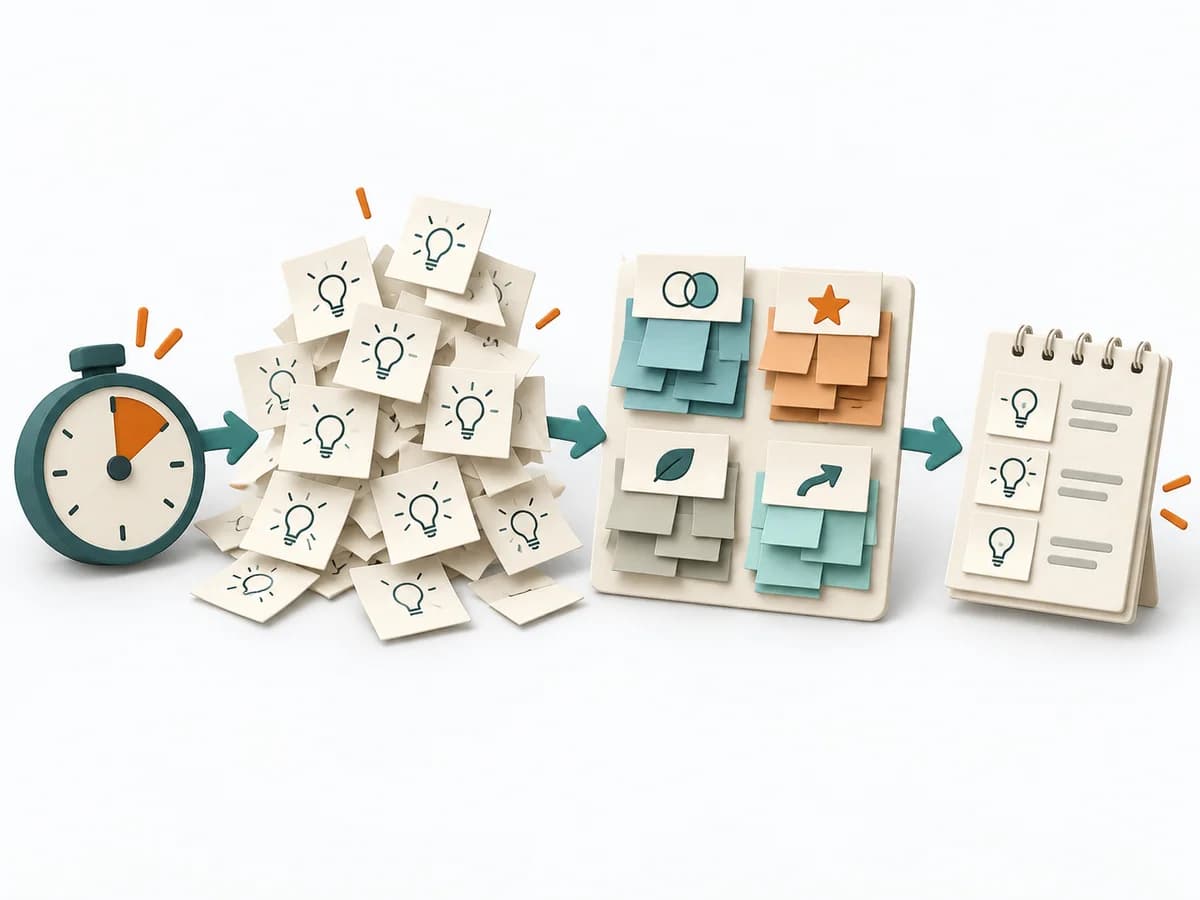
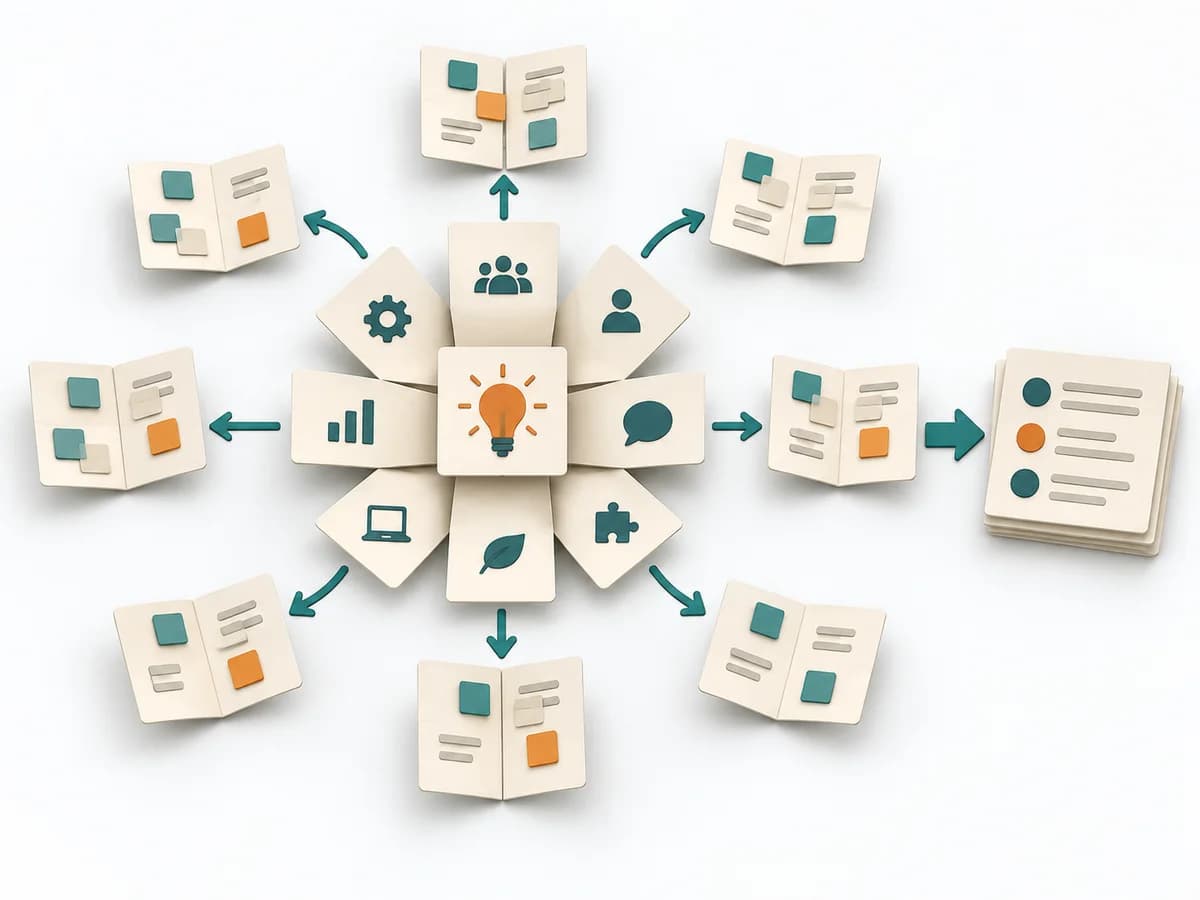
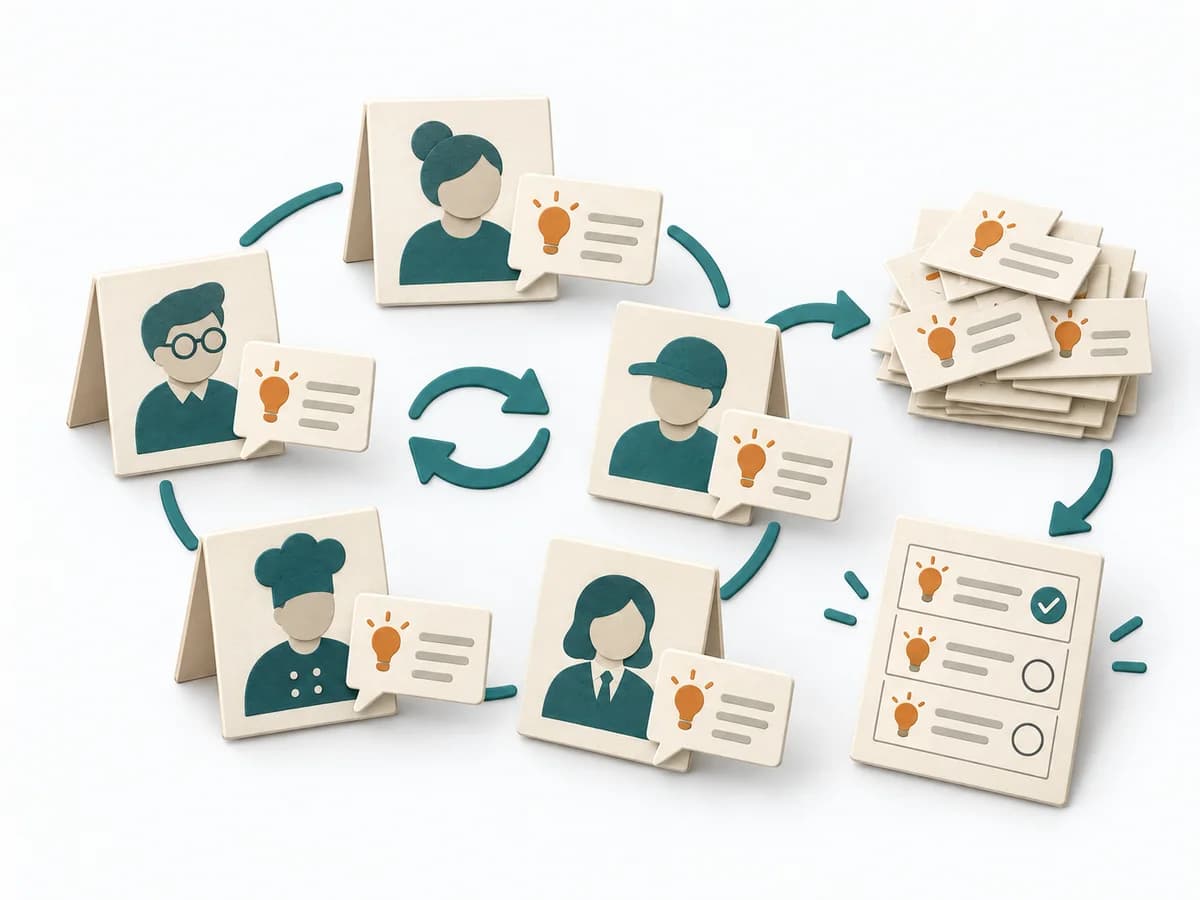
The method helps clarify ideas, open questions, and testable next steps concretely. It broadens the thinking space, groups ideas, and leads to testable options. The result is captured as a Bad Idea List, Reframed Concepts, and an Idea Shortlist.
Worst Possible Idea
Turns ideas, open questions, and testable next steps into a tangible result by clarifying the challenge, collecting the worst ideas, and deriving useful alternatives.
Which intentionally bad ideas for the challenge reveal principles that can be inverted into usable solutions?
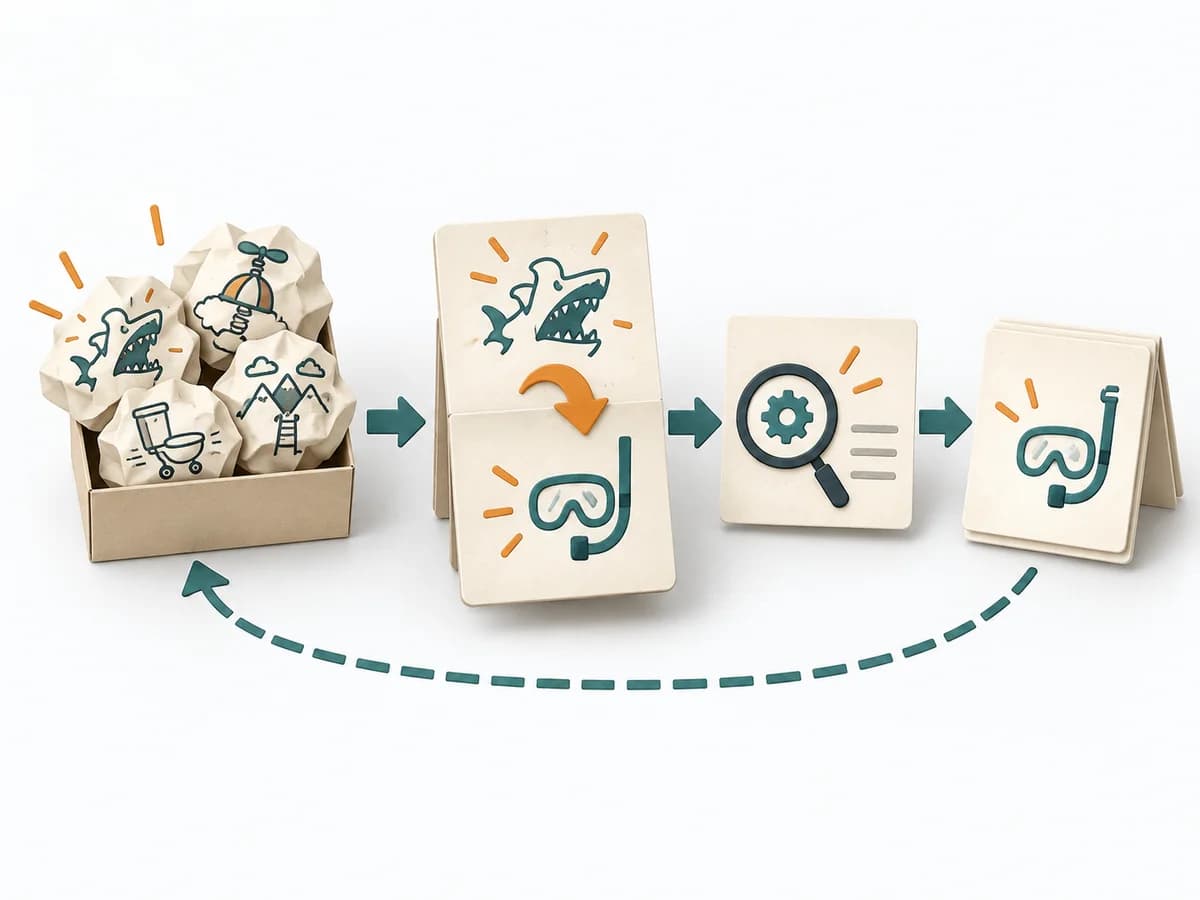
The team follows the steps: clarify the challenge, collect the worst ideas, investigate why they are bad, reverse the principles, and derive useful ideas. Each step is captured visibly. In the end, a Bad Idea List, Reframed Concepts, and an Idea Shortlist are available so decisions, tests, or actions can follow directly.
Visual orientation
Method sketch for a quick mental model.
Flow
- 1Clarify the challenge
- 2Collect worst ideas
- 3Investigate why they are bad
- 4Reverse the principles
- 5Derive useful ideas
The runsheet guides execution with 4 phases, timeboxes, 5 pitfalls, and clear stop criteria.
Open runsheetIdeal for
- Creative Warmups
- Stuck Teams
- Early Ideation
Not good for
- Formal decision sessions
- Situations without room for experimentation
Deep dive
Worst Possible Idea follows a clear working logic: clarify the challenge, collect the worst ideas, investigate why they are bad, reverse the principles, and derive useful ideas. This turns the method into a visible thinking process instead of only a conversation. The participants move step by step from raw material, observations, or options to a shared structure. As a result, a Bad Idea List, Reframed Concepts, and an Idea Shortlist support decisions, learning, and further planning.
Prepare a clear guiding question, the right information, and a visible workspace. Plan about 20 to 45 minutes with 3 to 12 people and run it in a facilitated workshop. Keep facilitation lightweight; short timeboxes, visible intermediate results, and a parking lot for open questions are helpful.
Worst Possible Idea Working TemplateCompact working template for Worst Possible Idea with bad ideas, reversals, and useful concepts.markdown
worst-possible-idea-working-template.md
Compact working template for Worst Possible Idea with bad ideas, reversals, and useful concepts.
Worst Possible Idea Working Template
Goal
Use deliberately bad ideas to unlock useful directions and reduce creative pressure.
Context
What challenge should the group explore, and what kind of outcome is needed?
Input
- Challenge statement:
- Constraints:
- Reference material:
- Participants:
Working area
- Worst ideas:
- Why they fail:
- Reversed principles:
- Useful ideas:
- Selection notes:
Output artifacts
- Bad idea list:
- Reframed concepts:
- Idea shortlist:
Open questions
- ...
Decision / next step
Owner, date, and success signal.
When to choose differently
Short decision aid for existing alternatives.
Statt Worst Possible Idea, wenn du mit Reverse Brainstorming bewusst gegenteilige oder schädliche Ideen erzeugen, um Risiken zu entlarven willst.
Similar methods
All methodsA strict timebox pushes quick idea volume first, then clusters and selects options after the burst is complete.
Turns ideas, open questions, and testable next steps into a tangible result by defining the challenge, asking a reverse question, and turning ideas into improvements.
Statt Worst Possible Idea, wenn du mit Reverse Brainstorming bewusst gegenteilige oder schädliche Ideen erzeugen, um Risiken zu entlarven willst.
Turns ideas, open questions, and testable next steps into a tangible result through defining a challenge, agreeing on rules, and clustering and selecting outcomes.
Turns ideas, open questions, and testable next steps into a tangible result by defining the central challenge, deriving eight major themes, and shortlisting ideas.
Turns ideas, open questions, and testable next steps into a tangible result by gathering insights, extracting tensions, and using them as ideation prompts.
Invented roles shift perspective during ideation and surface options that the normal team viewpoint would miss.