Purpose
For strategic decisions with high reach, agreement and gut feeling are often not enough. Red teaming brings deliberate opposition into the situation and tests where a plan breaks under real counterarguments.
Decision Making Decision method
Tests assumptions as an authorised, independent challenge and makes plausible failure paths visible; boundaries and stop rules remain explicit.
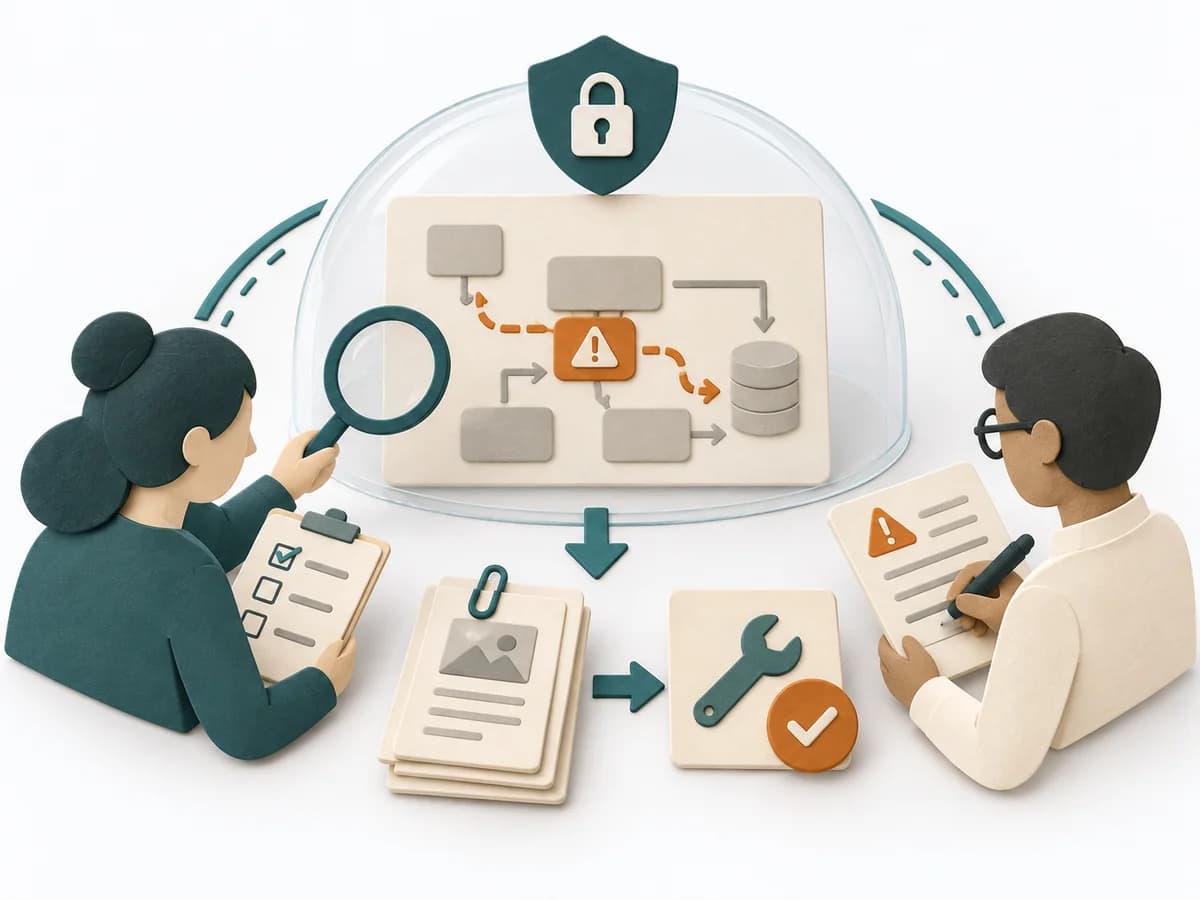
Red teaming examines a decision, plan, or system from an independent challenge perspective. An authorized brief defines boundaries and stop rules. The investigation challenges assumptions and identifies plausible failure paths.
How could the plan fail under a credible opposing perspective, and what changes the decision?
How could the plan fail under a credible opposing perspective, and what changes the decision?
Scope
Name object, allowed evidence, prohibited actions, approval and stop authority.
Perspectives
Select relevant challenge roles and disclose conflicts or shared assumptions.
Challenge
Use counterfactuals and failure modes; distinguish evidence, inference and speculation.
Response
Choose mitigation, acceptance or inquiry; assign owner and retest material changes.
Update the work record when new evidence, changed constraints or the planned review changes an assumption.
For consequential decisions where independent dissent may reveal blind spots. Use tabletop evidence when technical testing is unauthorized or unnecessary.

The authorised challenge brief defines the object, allowed evidence, prohibited actions, approval, and stop authority.

The role overview identifies relevant challenge perspectives and makes conflicts or shared assumptions visible.
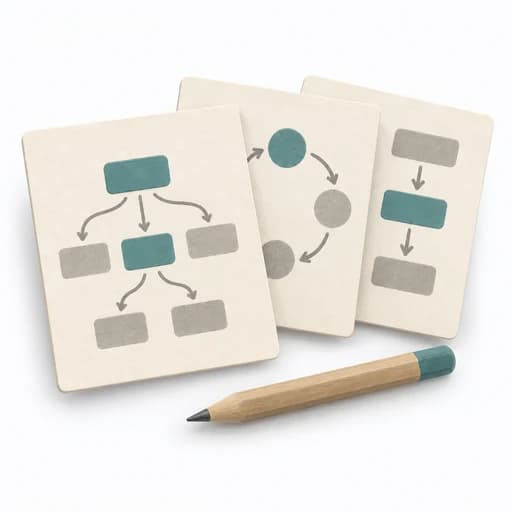
The findings list prioritizes counterfactuals and failure paths and distinguishes evidence, inference, and speculation.

The mitigation log records mitigation, acceptance, or further inquiry together with ownership and retesting of material changes.
Fictional example
Method-specific prompts and a fictional worked example; template prompts remain empty.
Keep the challenge inside an explicit safe boundary.
**Scope:** Challenge the launch plan using documents and tabletop scenarios only. No live probing or customer data access is authorized.
Add an independent perspective where possible.
**Challenge:** If confirmation is delayed while inventory stays reserved, can support determine the authoritative state?
Describe mechanism and consequence without personal criticism.
**Finding:** The plan does not identify a reconciliation owner or user recovery path. This is a planning gap, not a production defect.
Record a criterion and follow-up date.
**Response:** Product and operations add a procedure and test it in another tabletop.
The U.S. Army handbook is a practitioner source for structured independent challenge. This guide limits exercises to an approved scope.
Name the owner, object of challenge, allowed evidence, prohibited actions, stop authority and decision use.
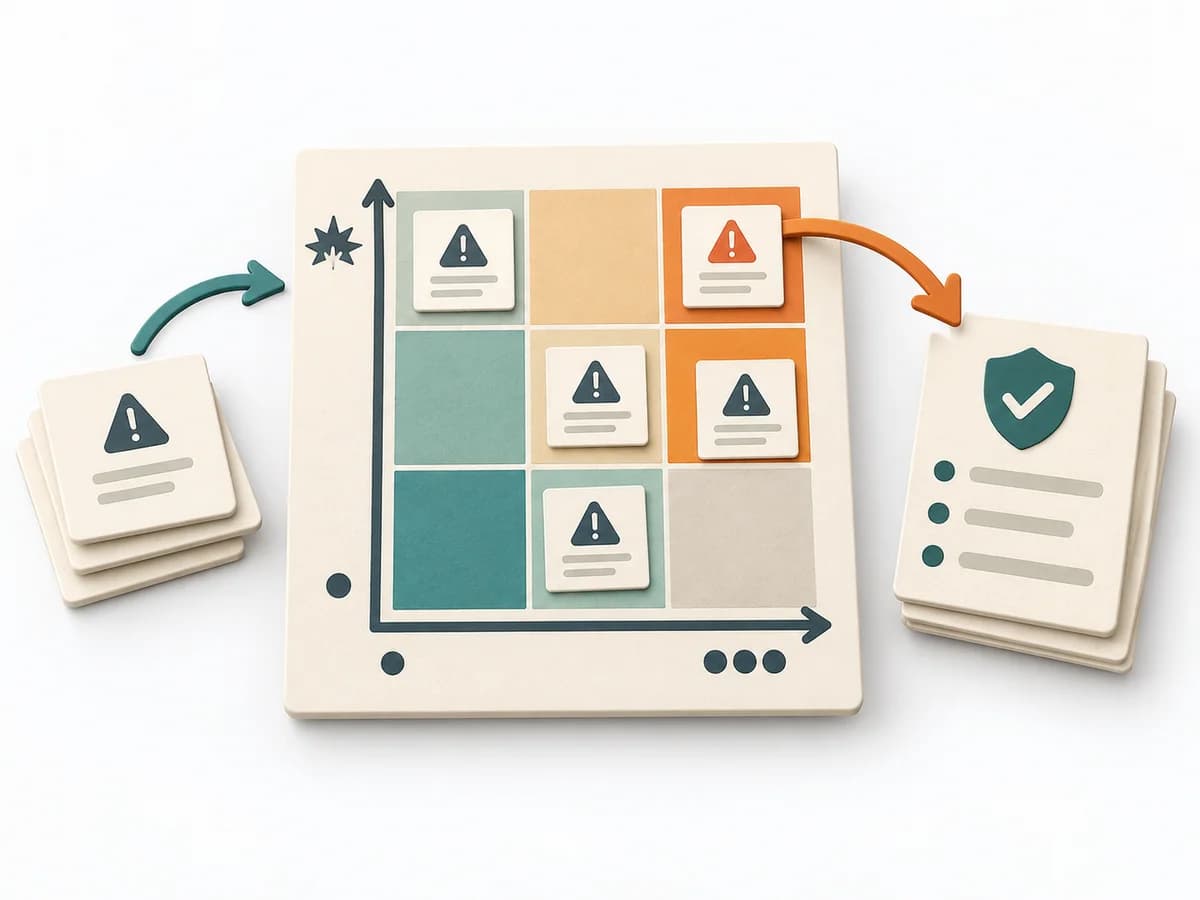
For strategic decisions with high reach, agreement and gut feeling are often not enough. Red teaming brings deliberate opposition into the situation and tests where a plan breaks under real counterarguments.
An opposing camp targets weaknesses, misunderstandings, and exploitable assumptions. Arguments are not politely supplemented but put under pressure until resilience, robustness, and responsiveness become visible. This produces more solid decisions and clearer lines of defense.
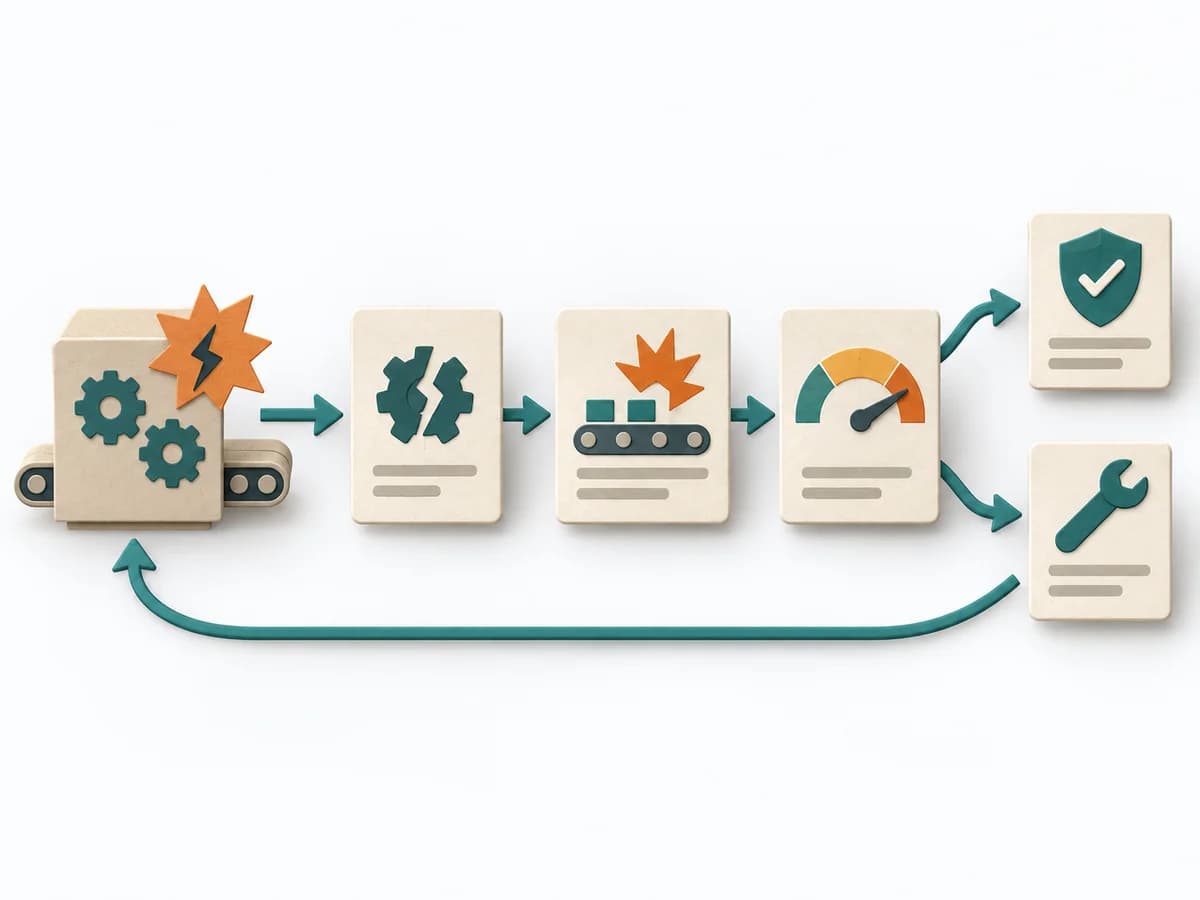
Red Teaming strengthens decisions by deliberately attacking an initiative from an opposing perspective. This requires a clear mandate, psychological safety, and willingness to take uncomfortable findings seriously. Criticism turns into decision protection when points of attack lead to better assumptions, safeguards, or stop decisions.
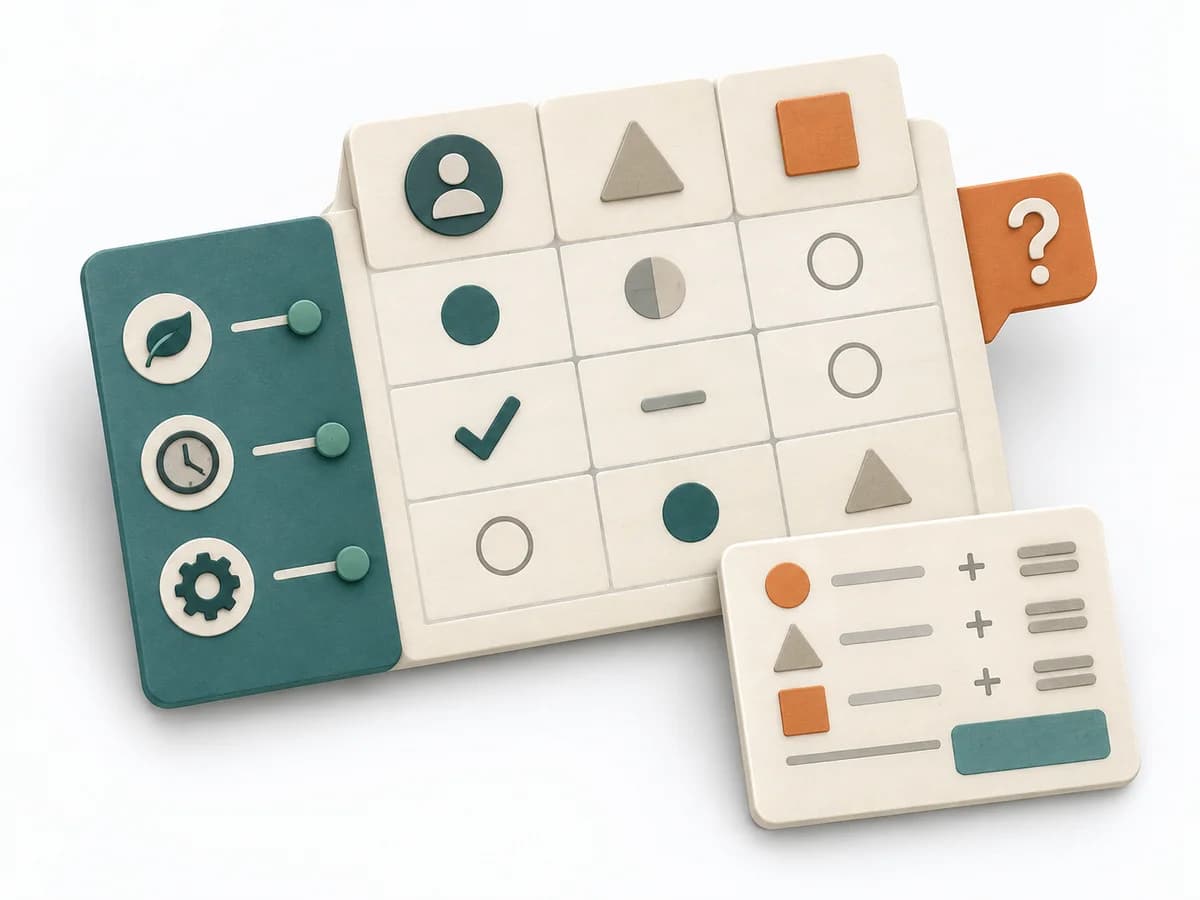
Formulate the thesis being tested, its success assumptions, and the permitted points of attack clearly enough that the counter-design doesn't grope in the fog. The real payoff comes when defense and criticism meet concrete weaknesses rather than questions of style. Close with a revised plan, open remaining attacks, and deliberate safeguards.
The method guide walks execution through 4 phases, timing, 4 pitfalls, and clear stop criteria.
Open method guideYour perspective
Your feedback helps shape the next improvements to methodatlas.
Plan a session or initiative to match the actual scope of work.
To be confirmed
To be confirmed
Prepare the full method Time: 60–240 minutes for a tabletop challenge; remediation and retest need follow-up.
Complete this worksheet on paper or in your own document during the work.
Keep the challenge inside an explicit safe boundary.
...
Add an independent perspective where possible.
...
Describe mechanism and consequence without personal criticism.
...
Record a criterion and follow-up date.
...
Blank worksheet contains prompts only, with no example data.
Expected artifact: Authorized challenge brief
Authorized challenge brief
Entry:
...
Expected artifact: Challenge roles and assumptions
Challenge roles and assumptions
Entry:
...
Expected artifact: Prioritized vulnerabilities
Prioritized vulnerabilities
Entry:
...
Expected artifact: Decision and mitigation log
Decision and mitigation log
Entry:
...
...
Method guide: https://methodatlas.meierhoff-systems.de/en/methods/red-teaming/run-sheet
Fitting alternatives with decision guidance, followed by other related methods.
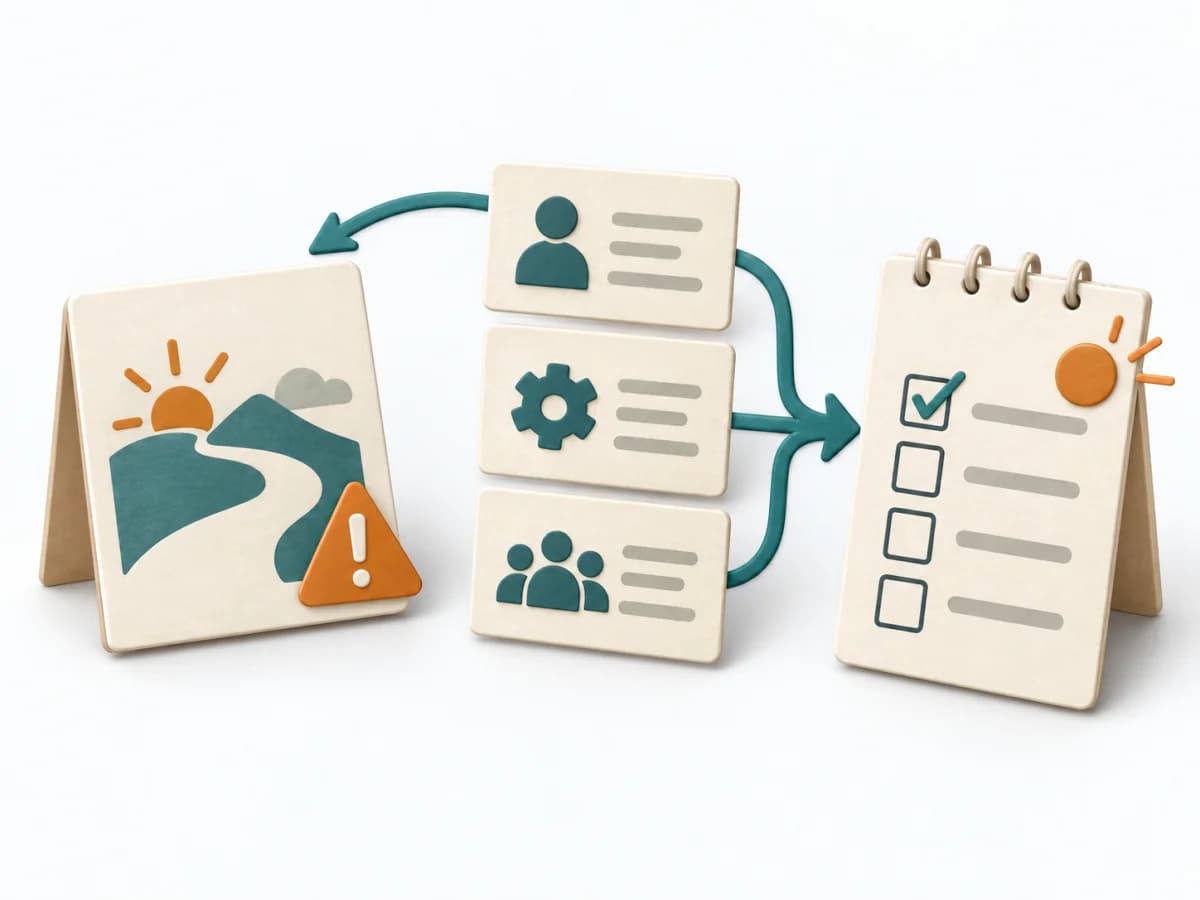
Instead of Red Teaming, when you want to play through risks in advance before they become truly expensive in the project.

Draws decisions as branching paths so options, conditions, and consequences become clearer in comparison.
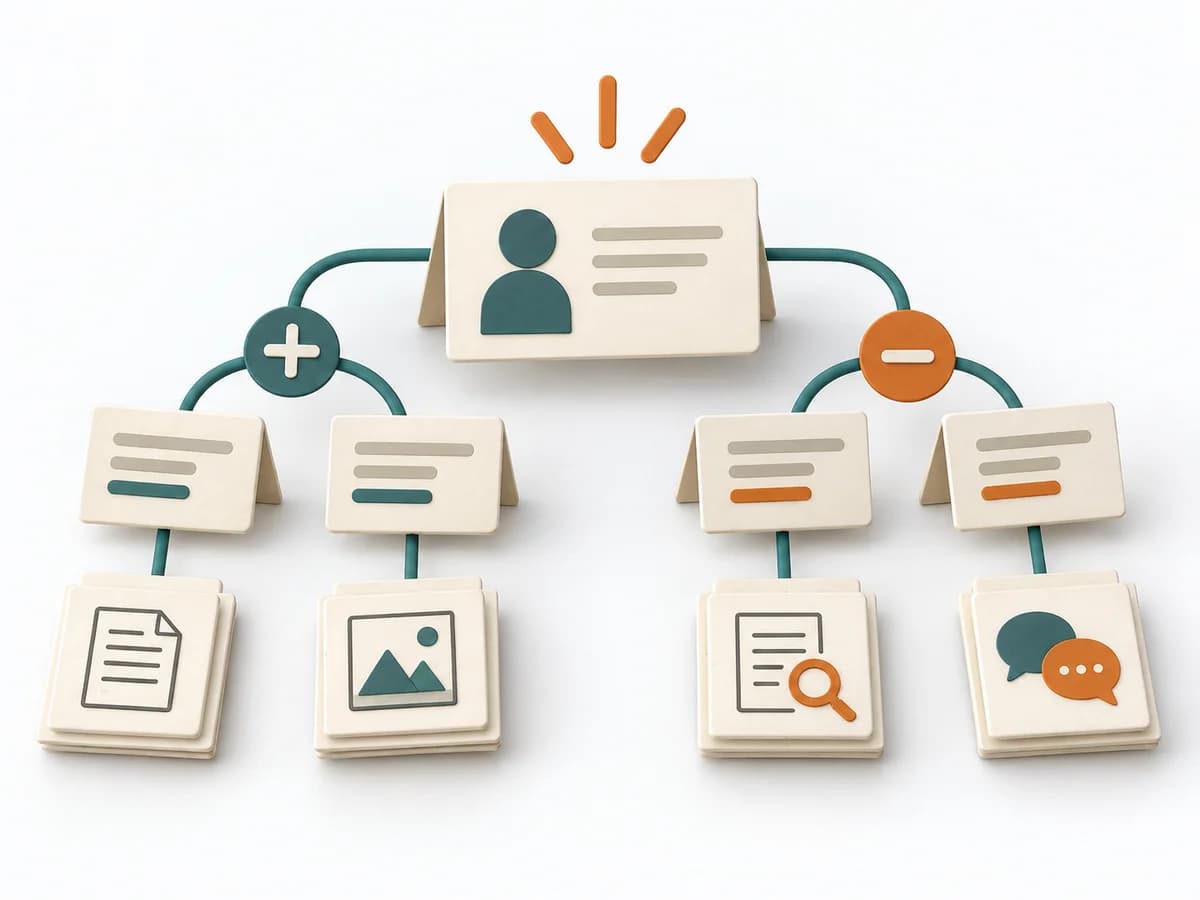
Clarifies options, criteria, and risks by framing the central question, recording the main claim, and marking weak spots.

Clarifies options, criteria, and risks by framing the initiative or decision, collecting implicit assumptions, and planning tests or research.

Bundles expert estimates across rounds until ranges, consensus, and assumptions become solid enough.
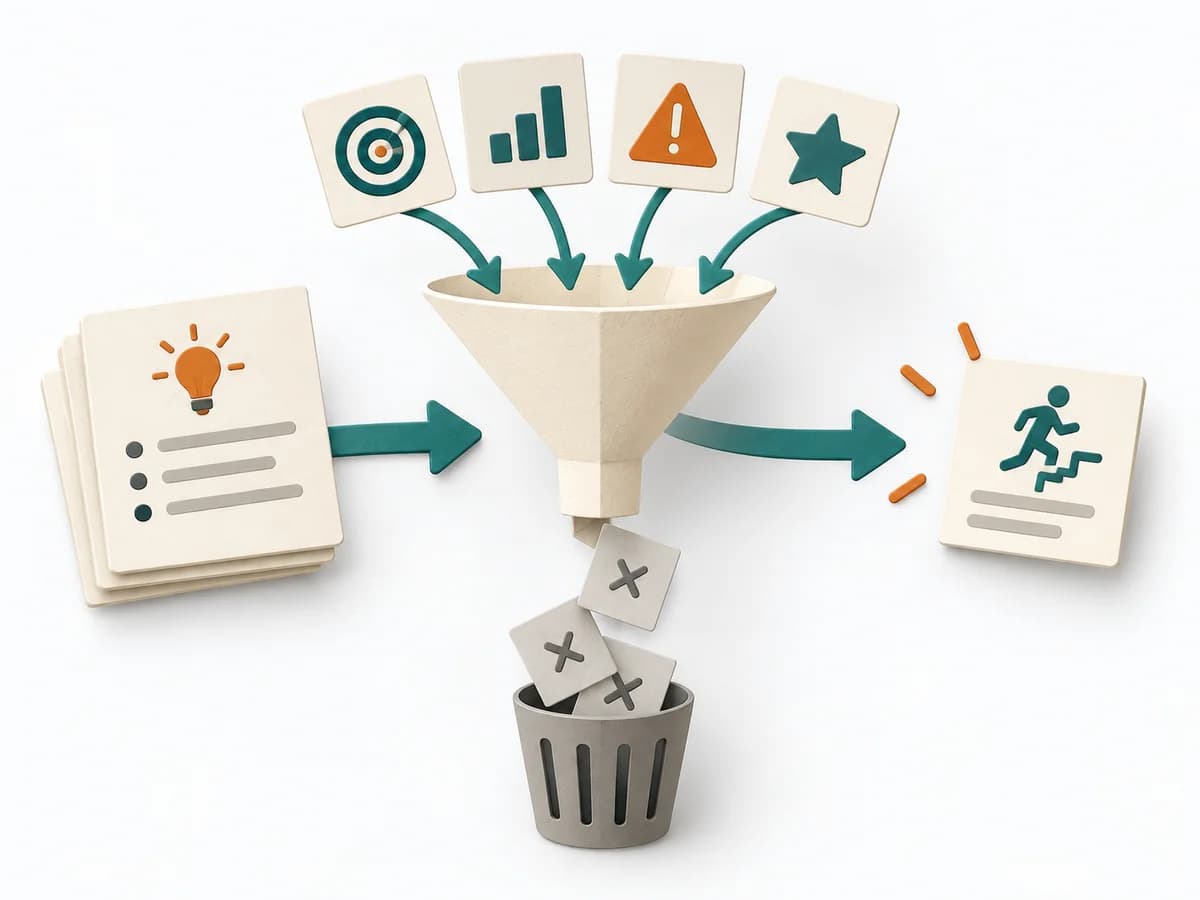
Sharpens a planned step through impact, success criteria, and risks down to the smallest sensible move.