Purpose
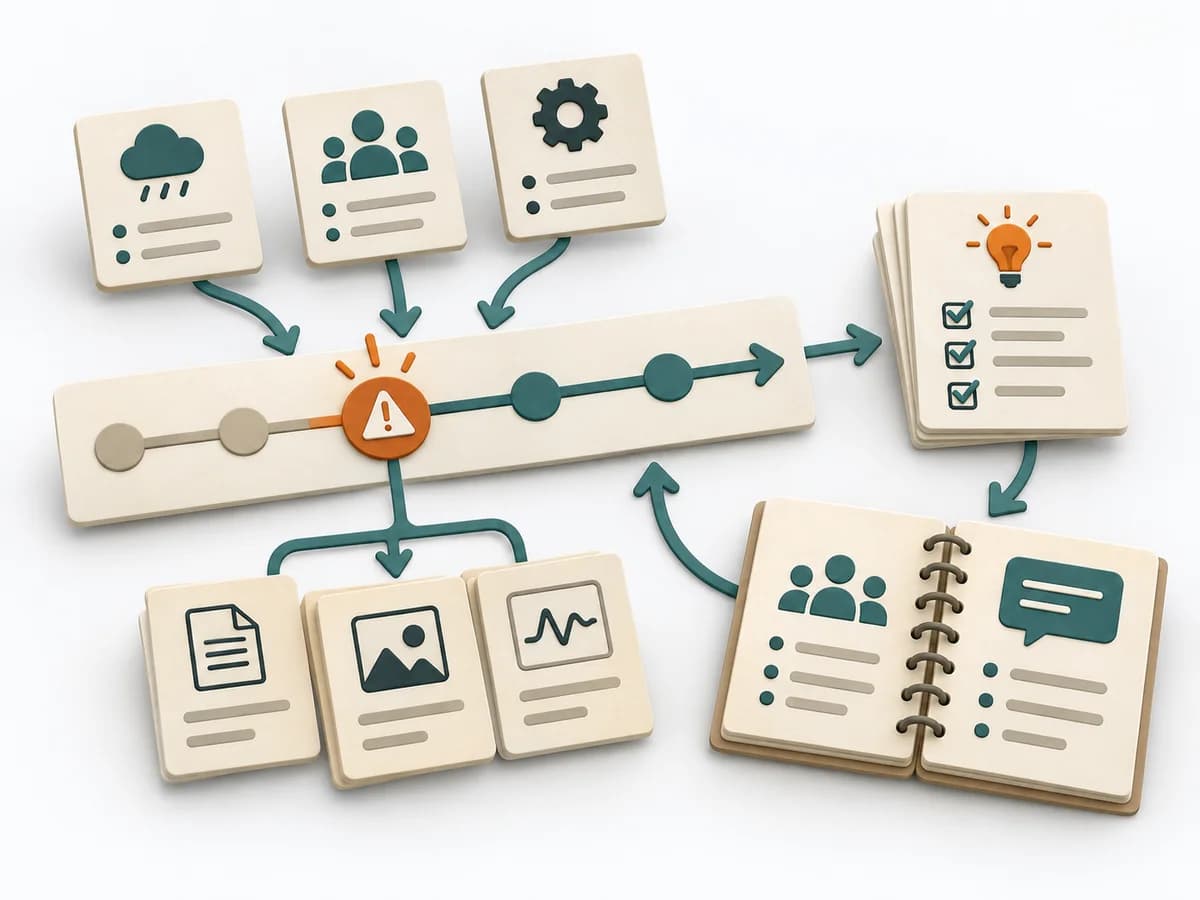
When systems fail unexpectedly, spontaneous attempts often produce more noise than insight. Hypothesis-driven Troubleshooting translates symptoms into testable assumptions and makes troubleshooting learnable.
Engineering Analysis method
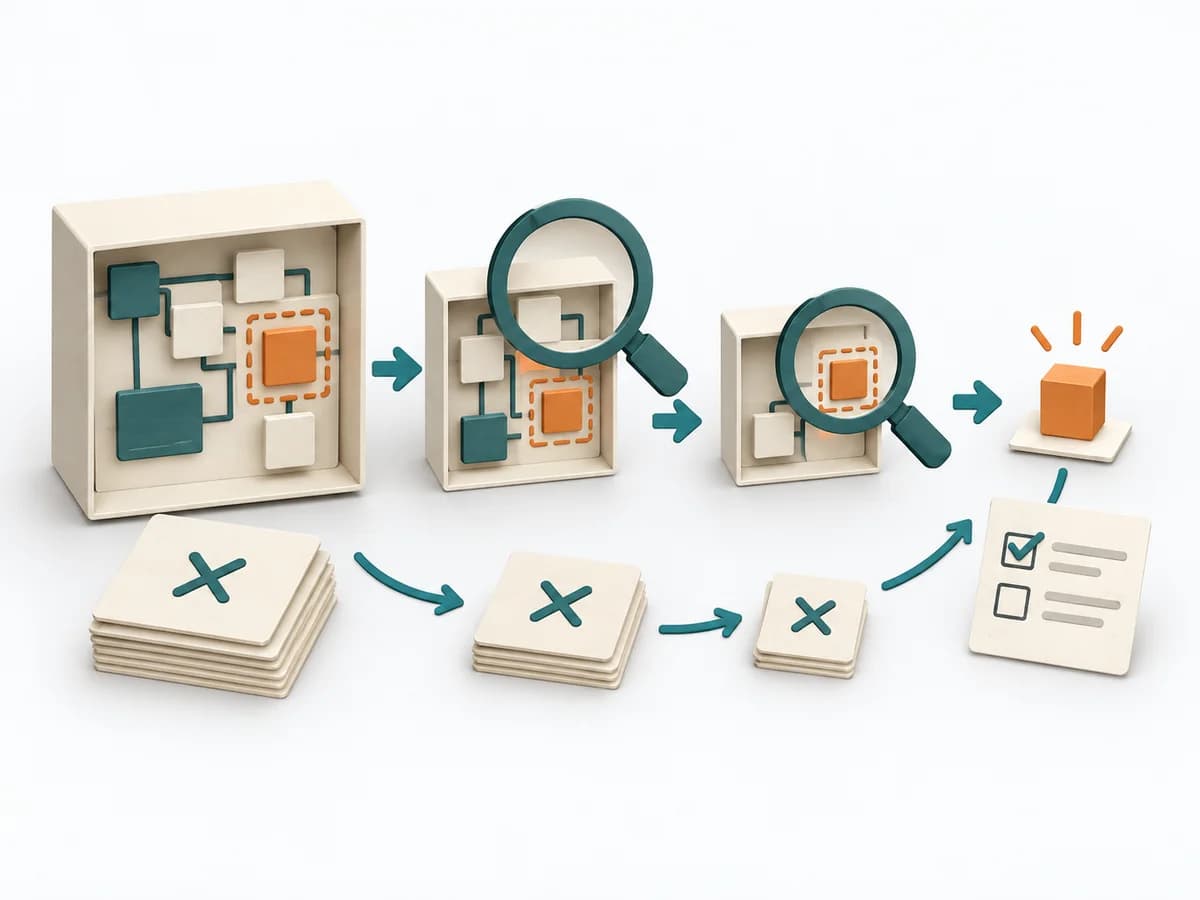
Organizes possible explanations for symptoms, prioritizes tests by information value, and records diagnosis and evidence.
Jede Vermutung wird mit einer Prüfung verknüpft, die möglichst viel Information pro Test liefert. Dadurch entsteht eine Reihenfolge, in der die stärksten Hypothesen zuerst unter Druck geraten und die Diagnostik nicht im Kreis läuft. Der Ansatz verbindet Debugging mit sauberer Evidenz.
Which competing hypothesis best explains all observed signals, and which safe test discriminates among them most strongly?
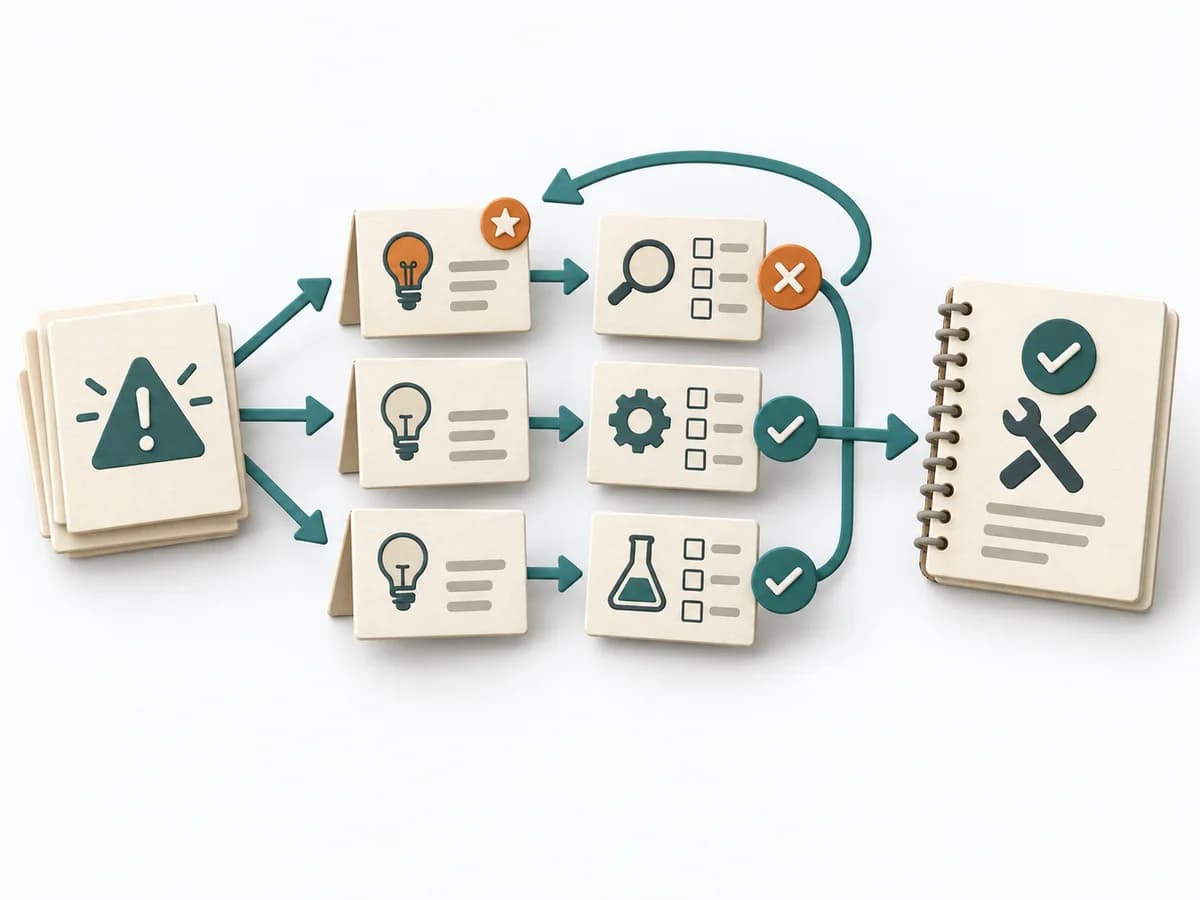
The steps form one complete method run.
Symptom
Operationalise observed failure and collect Is/Is-Not cases.
Hypotheses
Derive several mechanistic explanations from signals, architecture, and changes.
Predictions
Write observable predictions and falsifying signals for every hypothesis.
Test
Run safest highest-information test, changing one condition at a time.
Decide
Update hypotheses against all evidence, record mechanism, and hand over next action/residual uncertainty.
Add new evidence at review and version decisions with the prior state.
Wenn Systeme unerwartet ausfallen, liefern spontane Versuche oft mehr Lärm als Erkenntnis. Hypothesis-driven Troubleshooting übersetzt Symptome in überprüfbare Annahmen und macht die Fehlersuche lernbar.
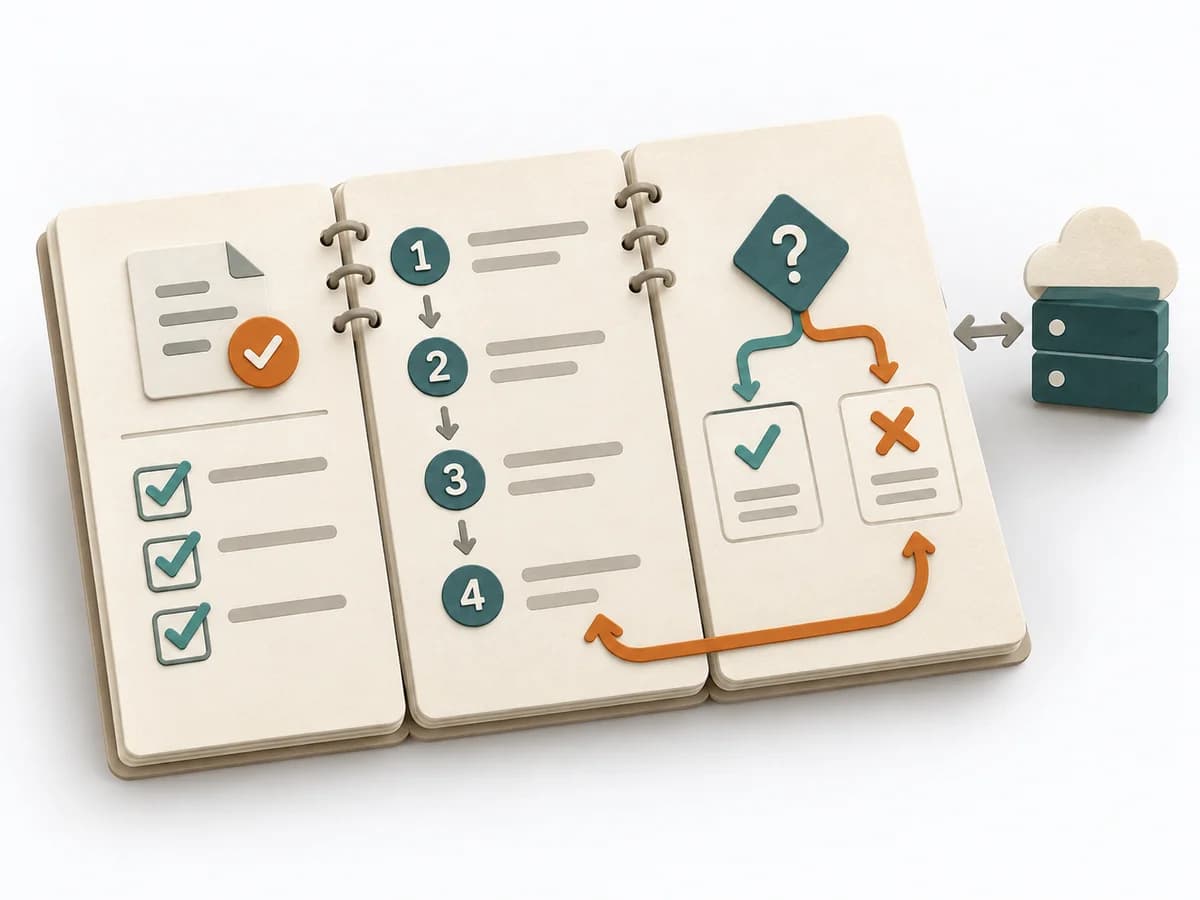
Troubleshooting log with prioritised hypotheses, predictions, discriminating tests, results, and residual uncertainty.
Fictional example
Fictional values show the actual method fields.
| Hypothesis | Mechanism | Prediction | Falsifier | Test | Finding | Status |
|---|---|---|---|---|---|---|
| Shared pool exhaustedAdd evidence and rationale. | Batch occupies shared pool | Isolated pool removes timeout | Timeout persists with isolated pool | Compare shared and isolated pool | Failure only with shared pool | Supported |
| EU network faultAdd evidence and rationale. | Regional packet loss | EU loss affects web and mobile | Mobile remains stable | Compare EU web and mobile | Mobile has no loss | Weakened |
| Web release blocksAdd evidence and rationale. | Release blocks requests in browser | Direct API works | Direct call also fails | Bypass web and call API | Direct call fails | Rejected |
All values are fictional.
Set symptom, affected/unaffected cases, current signals, and safe test boundaries; separate containment from diagnosis.
When systems fail unexpectedly, spontaneous attempts often produce more noise than insight. Hypothesis-driven Troubleshooting translates symptoms into testable assumptions and makes troubleshooting learnable.
Every guess is paired with a test that delivers as much information as possible per attempt. This creates a sequence in which the strongest hypotheses are put under pressure first and diagnostics do not run in circles. The approach combines debugging with clean evidence.
Hypothesis-Driven Troubleshooting treats every explanation as provisional. Symptoms, context, and changes are used to form hypotheses that are tested with the most informative possible checks. After each test, the knowledge state is updated and the next hypothesis is chosen. That creates a traceable diagnostic path instead of a collection of spontaneous fix attempts.
Keep hypotheses, expected observations, and test results visible. Prioritize tests that reduce a lot of uncertainty with little risk. Stop parallel trial-and-error if it worsens the evidence or creates side effects.
The method guide walks execution through 5 phases, timing, 5 pitfalls, and clear stop criteria.
Open method guideYour perspective
Your feedback helps shape the next improvements to methodatlas.
Set subject, evidence, roles, flow, and review.
To be confirmed
To be confirmed
Complete run Time: 30–180 minutes per failure; for production-critical events run alongside safe containment.
Complete this worksheet on paper or in your own document during the work.
| Hypothesis | Mechanism | Prediction | Falsifier | Test | Finding | Status |
|---|---|---|---|---|---|---|
| Shared pool exhausted | ||||||
| EU network fault | ||||||
| Web release blocks |
The blank worksheet contains prompts only.
Reference · original teaching example
Expected artifact: Symptom view
Operationalise observed failure and collect Is/Is-Not cases.
Entry:
...
Expected artifact: Hypothesis space
Derive several mechanistic explanations from signals, architecture, and changes.
Entry:
...
Expected artifact: Prediction matrix
Write observable predictions and falsifying signals for every hypothesis.
Entry:
...
Expected artifact: Test result
Run safest highest-information test, changing one condition at a time.
Entry:
...
Expected artifact: Diagnostic finding
Update hypotheses against all evidence, record mechanism, and hand over next action/residual uncertainty.
Entry:
...
...
Method guide: https://methodatlas.meierhoff-systems.de/en/methods/hypothesis-driven-troubleshooting/run-sheet
Fitting alternatives with decision guidance, followed by other related methods.

Instead of Hypothesis-Driven Troubleshooting, choose 5 Whys when you want to quickly ask your way from symptom to possible cause without a test plan.

Instead of Hypothesis-Driven Troubleshooting, choose Root Cause Analysis when you want to systematically narrow down causes instead of stopping at symptoms.
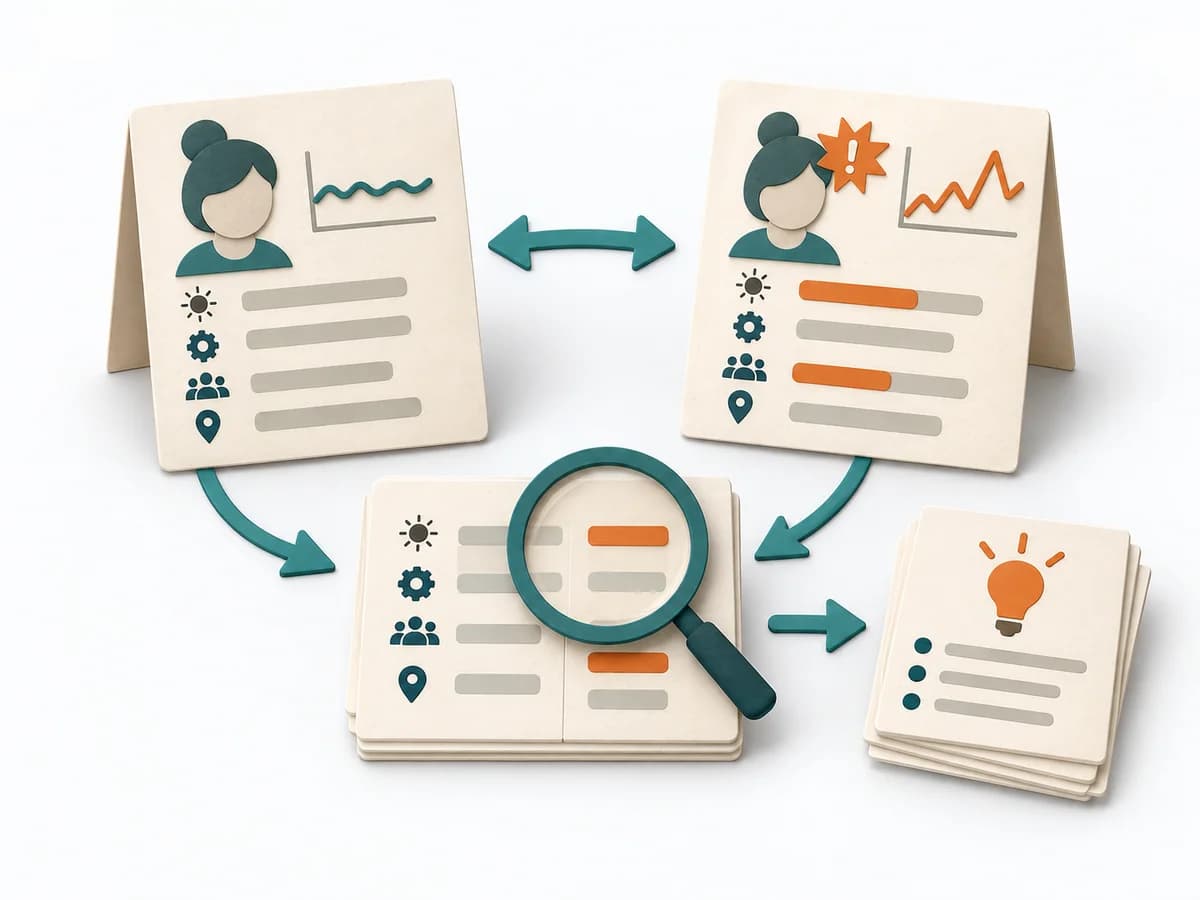
Compares an outlier with a stable case and filters out the differences that explain the deviation.
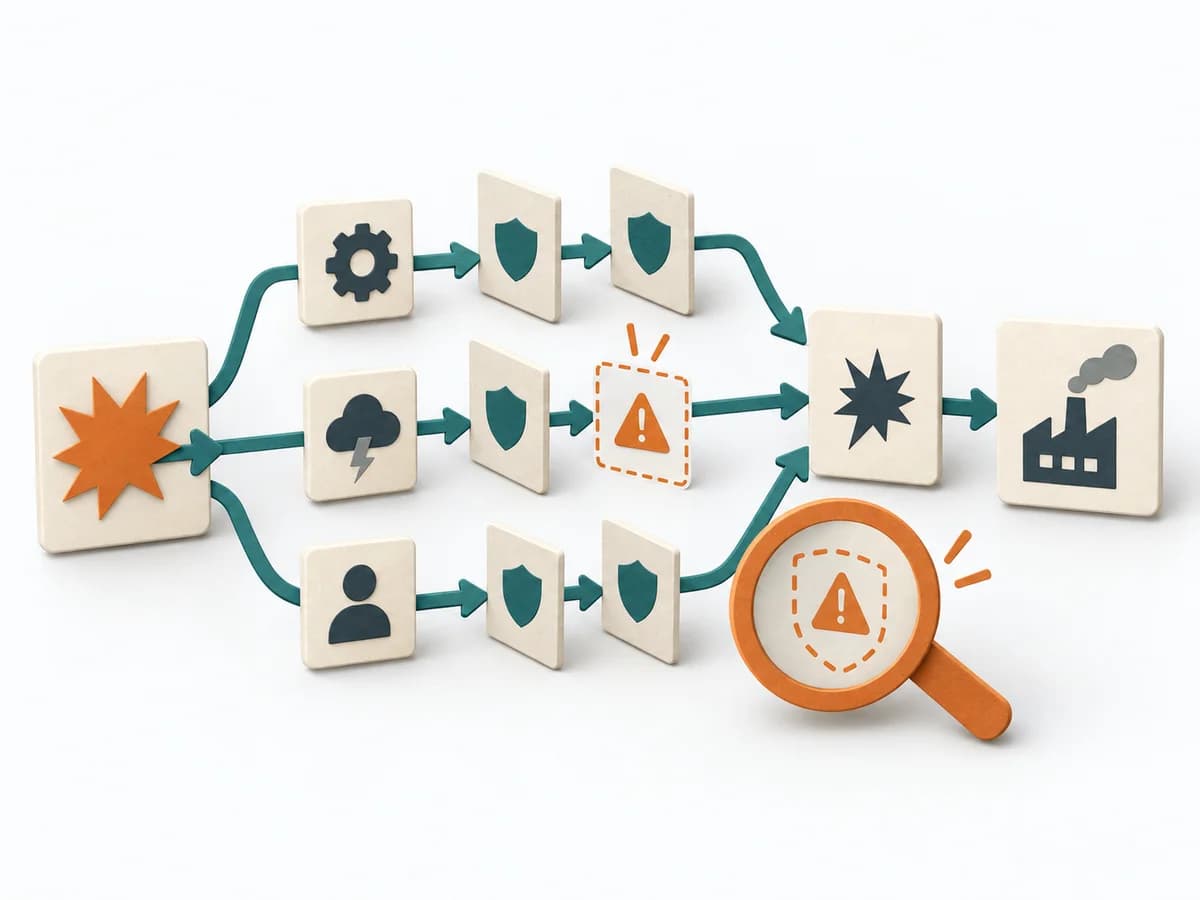
Thinks through failures in advance, assesses controls, and shows gaps in testing, prevention, and response.
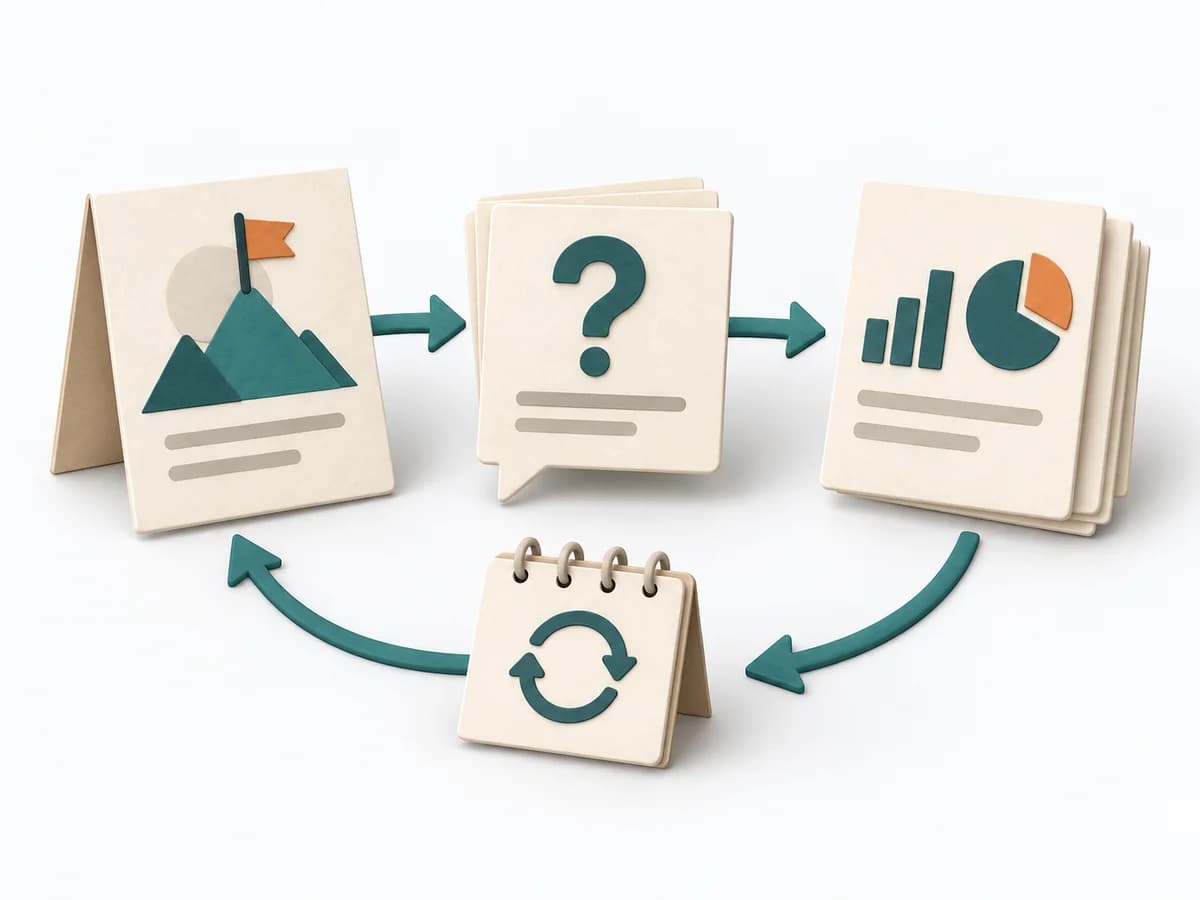
Moves technical problems, hypotheses, and next steps toward a concrete result through "formulate the goal clearly", "derive probing questions for each goal", and "set the review cadence".

Describes the preferred default path for common use cases and adds templates, checks, and exceptions.