Purpose
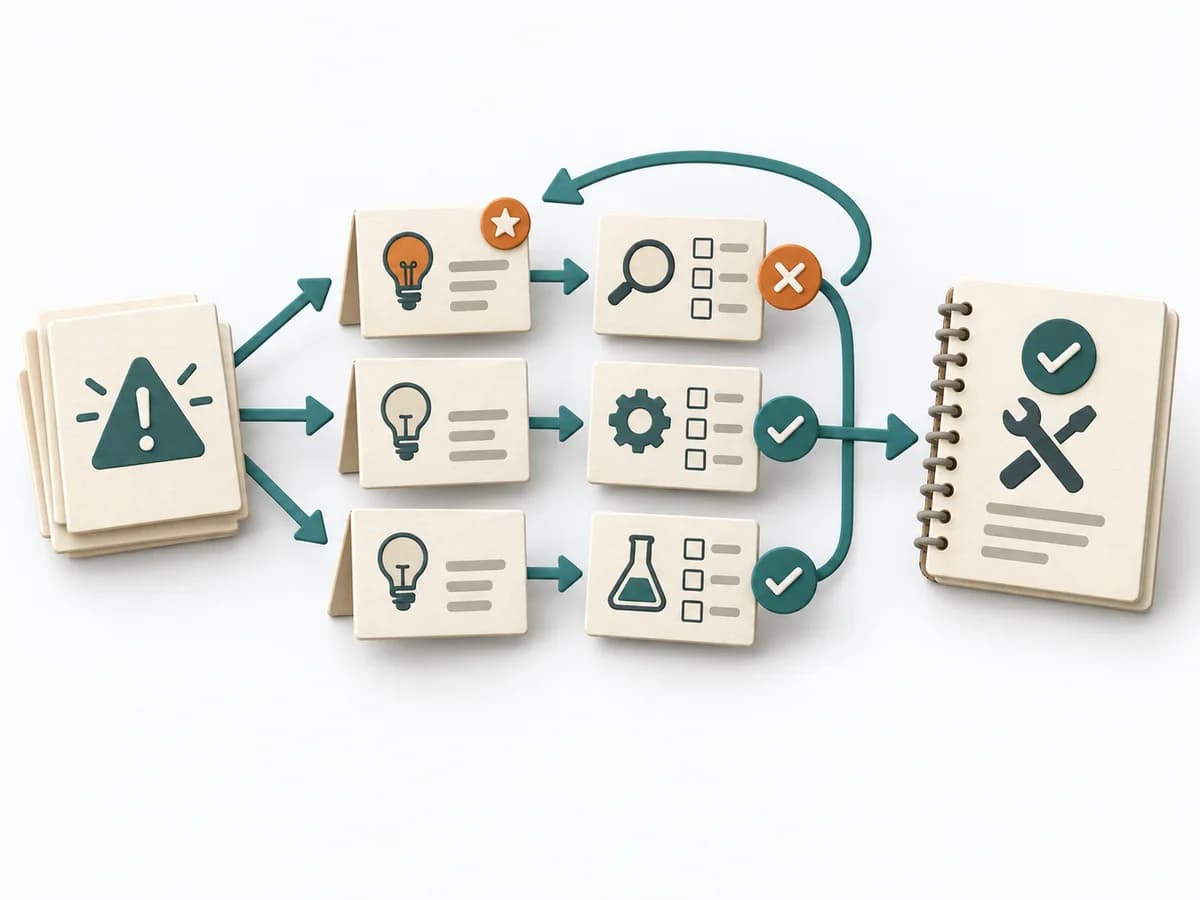
In technical failures, the visible symptom often gets mixed up with the actual cause. Fault Isolation narrows the fault space and progressively reduces which part of the system is truly affected.
Engineering Analysis method
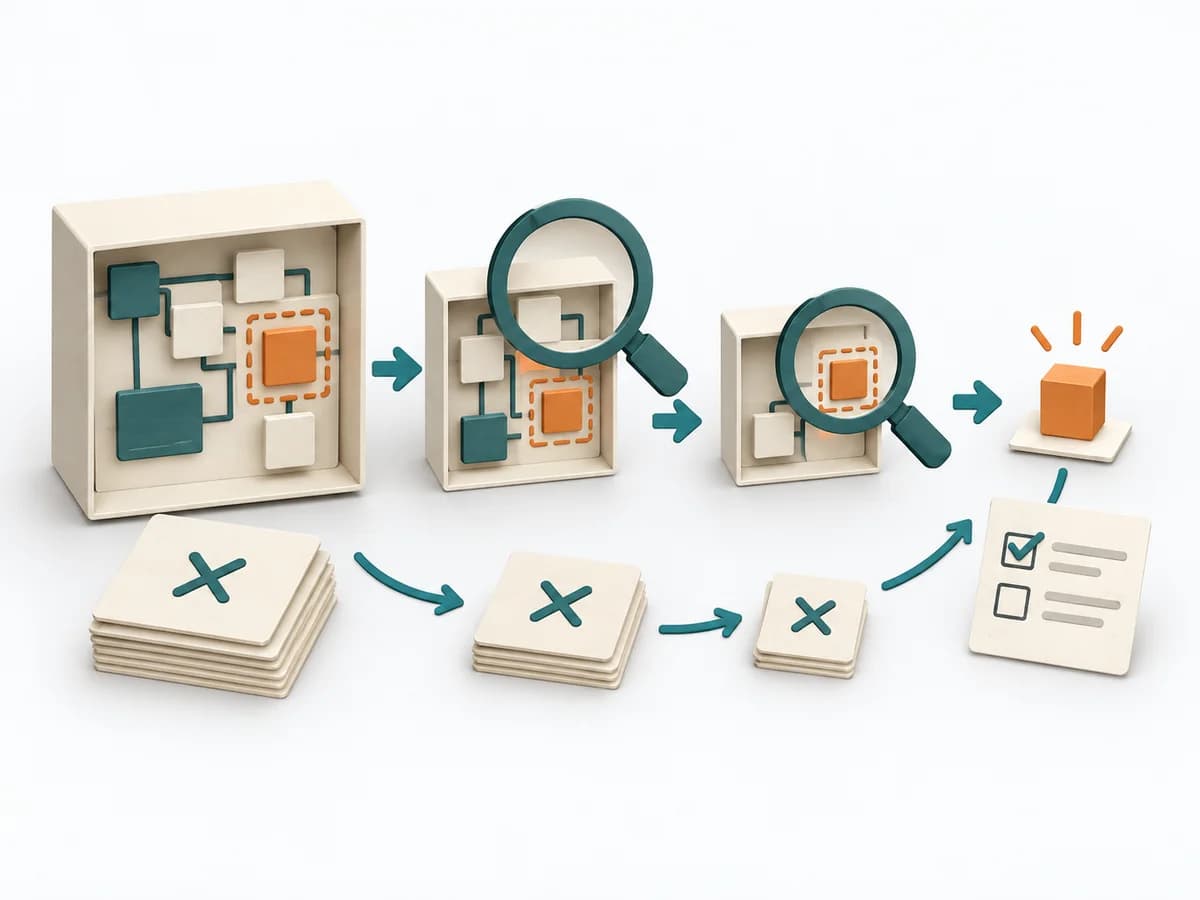
Fault isolation narrows the fault space and symptoms until only a few hypotheses and targeted tests remain.
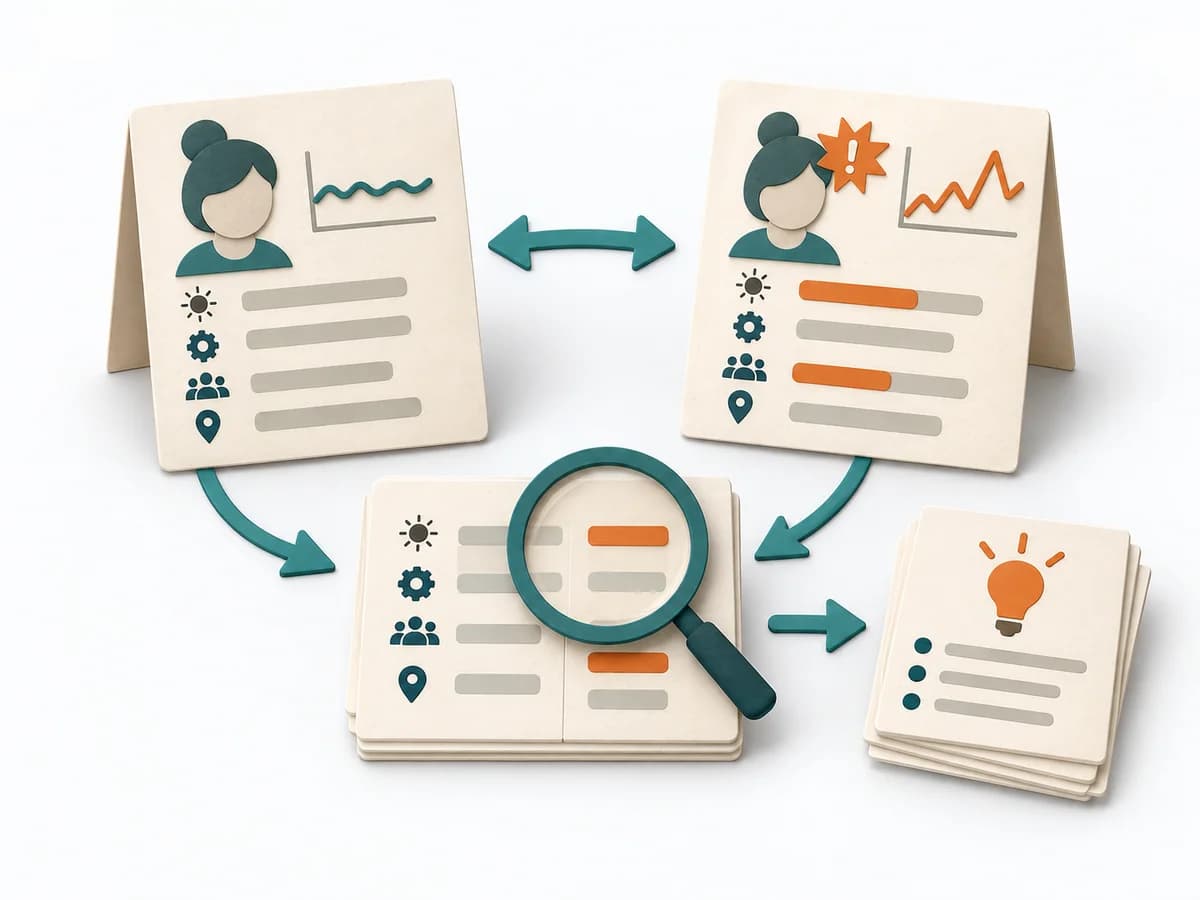
Fault isolation narrows system boundaries, symptoms, and candidate fault areas so tests can target the likely origin. Each exclusion reduces the candidate space and makes the remaining domain more tangible.
Which smallest subsystem contains the fault when candidates are systematically excluded through discriminating tests?
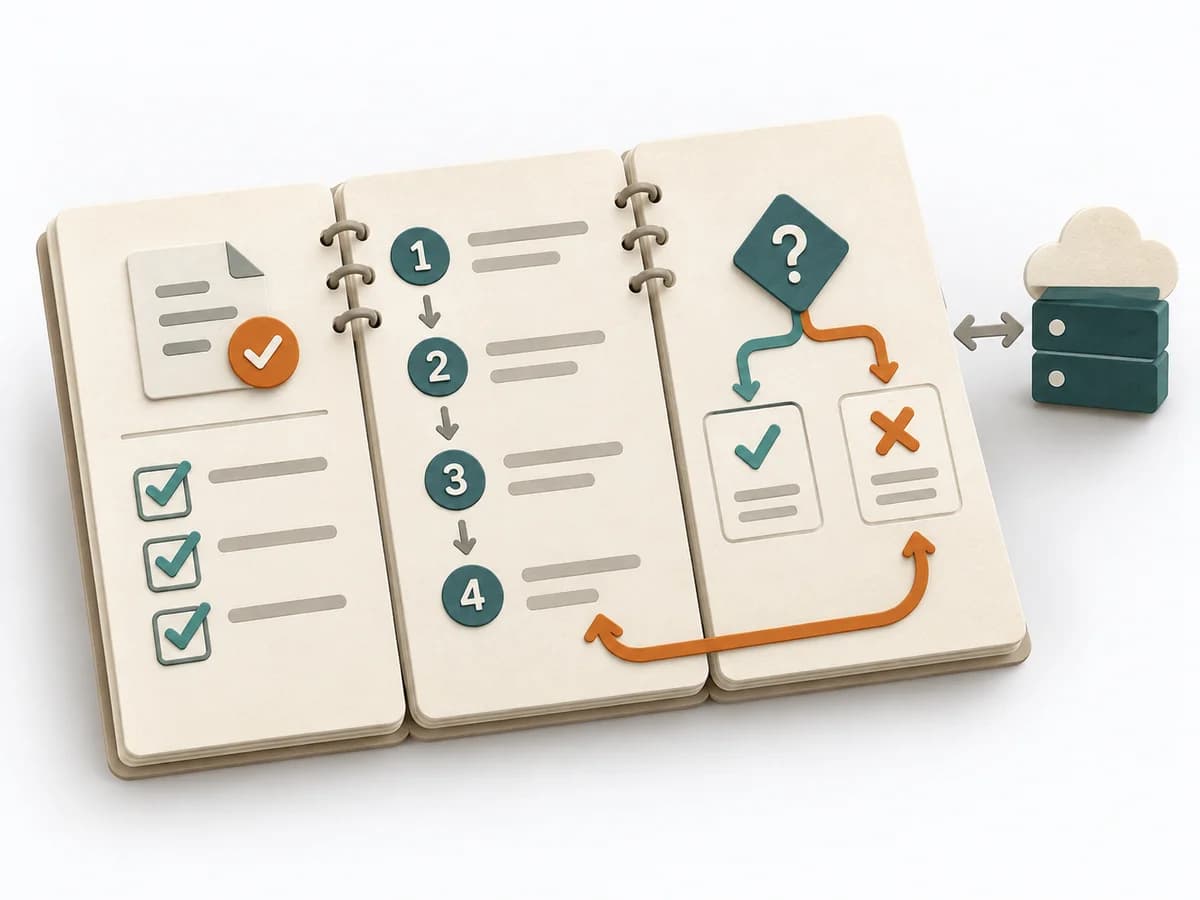
The steps form one complete method run.
Boundary
Describe reproducible symptom and collect Is/Is-Not cases.
Candidates
Map dependency path and collect plausible fault domains without fixing cause.
Split
Choose the most discriminating test, preferably safe bisection or affected/unaffected comparison.
Test
Run one test at a time, record result and side effect, and update candidate space.
Confirm
Confirm isolated area by reproduction or controlled return and hand over residual uncertainty.
Add new evidence at review and version decisions with the prior state.
Bei technischen Störungen vermischt sich oft das sichtbare Symptom mit der eigentlichen Ursache. Fault Isolation grenzt den Fehlerraum ein und reduziert schrittweise, welcher Teil des Systems wirklich betroffen ist.
Fault-isolation log with candidate space, tests, results, excluded areas, and isolated fault domain.
Fictional example
Fictional values show the actual method fields.
| Test | Candidates before | Test change | Discriminating prediction | Result | Excluded | Remaining |
|---|---|---|---|---|---|---|
| Direct API callAdd evidence and rationale. | Frontend, API, pool, DB, network | Bypass frontend | Fails if backend path is faulty | Timeout remains | Frontend | API, pool, DB, network |
| Isolated poolAdd evidence and rationale. | API, pool, DB, network | Change pool path only | Failure disappears for shared-pool fault | Checkout works | API, DB, network | Shared pool |
All values are fictional.
Set symptom, success/failure criterion, affected and unaffected cases, and safe test boundaries.
In technical failures, the visible symptom often gets mixed up with the actual cause. Fault Isolation narrows the fault space and progressively reduces which part of the system is truly affected.
System boundaries, symptoms, and possible fault areas are set against each other so tests act in a targeted way instead of broadly. With each exclusion, the space shrinks until the likely origin becomes tangible. The procedure saves time because it replaces speculation with narrowing down.
Fault Isolation works by narrowing the search instead of guessing. A complex system is broken down into components, interfaces, states, and dependencies. Through targeted tests, comparisons, and control questions, the possible error area is gradually reduced. The result is not the root cause right away, but a well-narrowed location or mechanism.
Start with a system sketch and clear symptoms. Plan tests so that each one truly reduces the fault space. Document excluded areas so the team does not keep testing the same hypotheses.
The method guide walks execution through 5 phases, timing, 5 pitfalls, and clear stop criteria.
Open method guideYour perspective
Your feedback helps shape the next improvements to methodatlas.
Set subject, evidence, roles, flow, and review.
To be confirmed
To be confirmed
Complete run Time: 30–180 minutes per failure; duration depends on test access and system complexity.
Complete this worksheet on paper or in your own document during the work.
| Test | Candidates before | Test change | Discriminating prediction | Result | Excluded | Remaining |
|---|---|---|---|---|---|---|
| Direct API call | ||||||
| Isolated pool |
The blank worksheet contains prompts only.
Reference · original teaching example
Expected artifact: Fault boundary
Describe reproducible symptom and collect Is/Is-Not cases.
Entry:
...
Expected artifact: Candidate map
Map dependency path and collect plausible fault domains without fixing cause.
Entry:
...
Expected artifact: Isolation plan
Choose the most discriminating test, preferably safe bisection or affected/unaffected comparison.
Entry:
...
Expected artifact: Isolation log
Run one test at a time, record result and side effect, and update candidate space.
Entry:
...
Expected artifact: Confirmed domain
Confirm isolated area by reproduction or controlled return and hand over residual uncertainty.
Entry:
...
...
Method guide: https://methodatlas.meierhoff-systems.de/en/methods/fault-isolation/run-sheet
Fitting alternatives with decision guidance, followed by other related methods.

Instead of Fault Isolation, choose Root Cause Analysis when you want to systematically narrow down causes instead of stopping at symptoms.
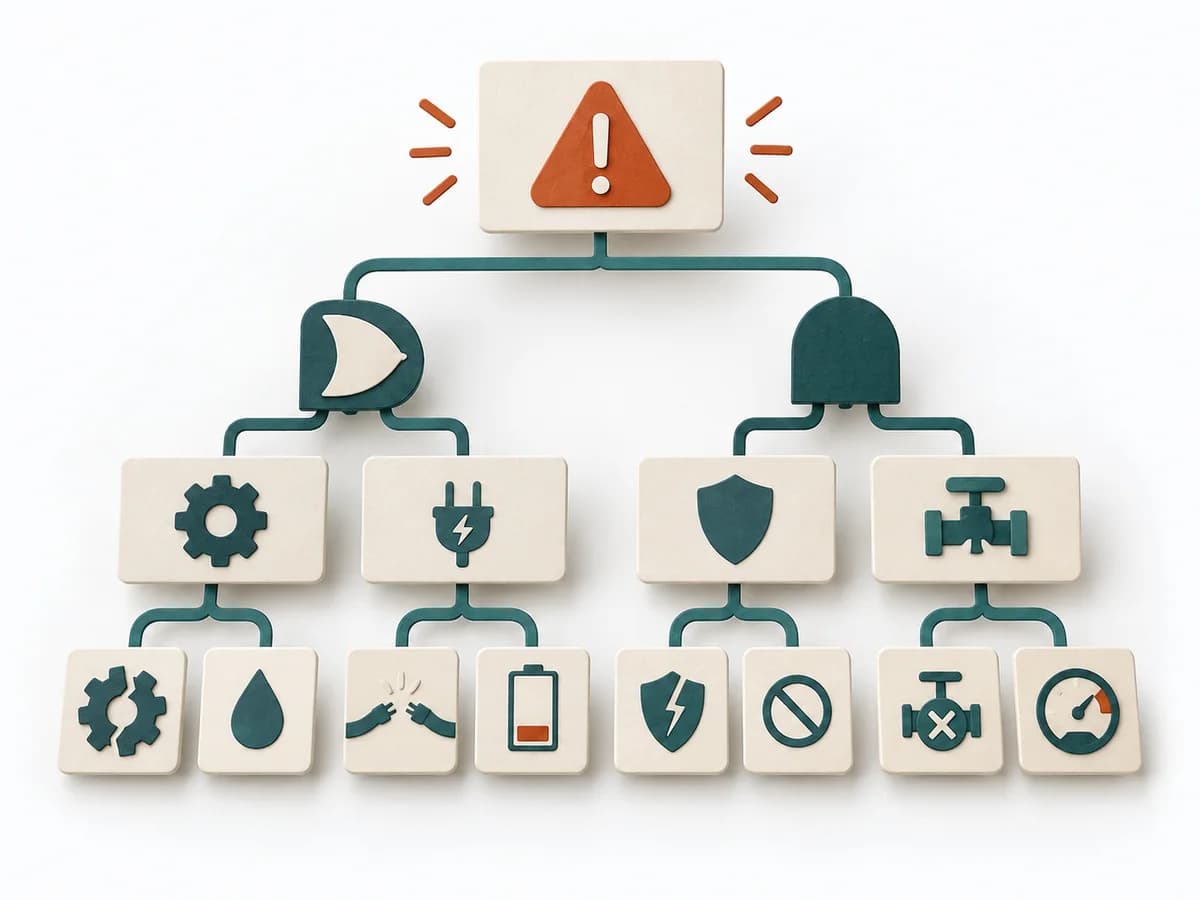
Instead of Fault Isolation, choose Fault Tree Analysis when failures should be broken down logically from top to bottom and individual tests are not enough anymore.

Moves technical problems, hypotheses, and next steps toward a concrete result through "formulate the goal clearly", "derive probing questions for each goal", and "set the review cadence".
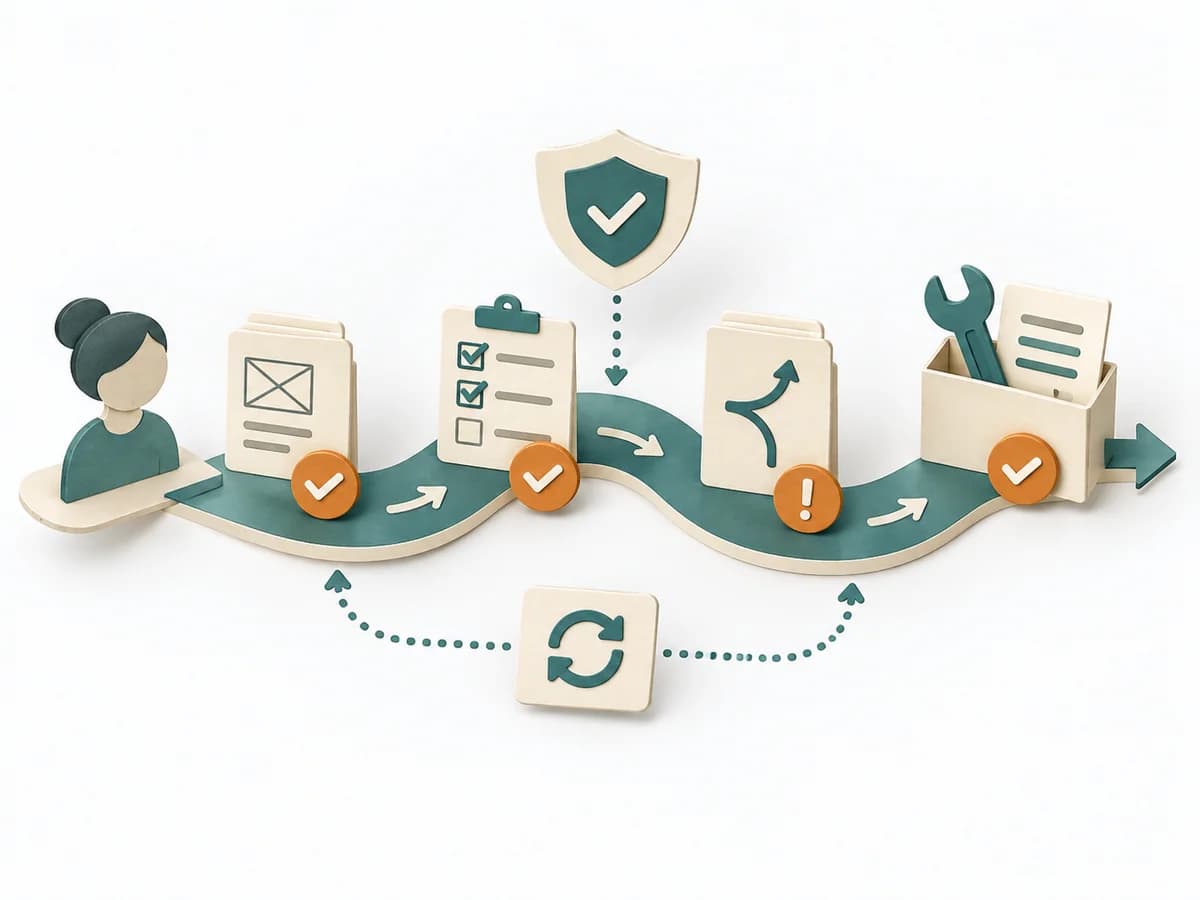
Describes the preferred default path for common use cases and adds templates, checks, and exceptions.
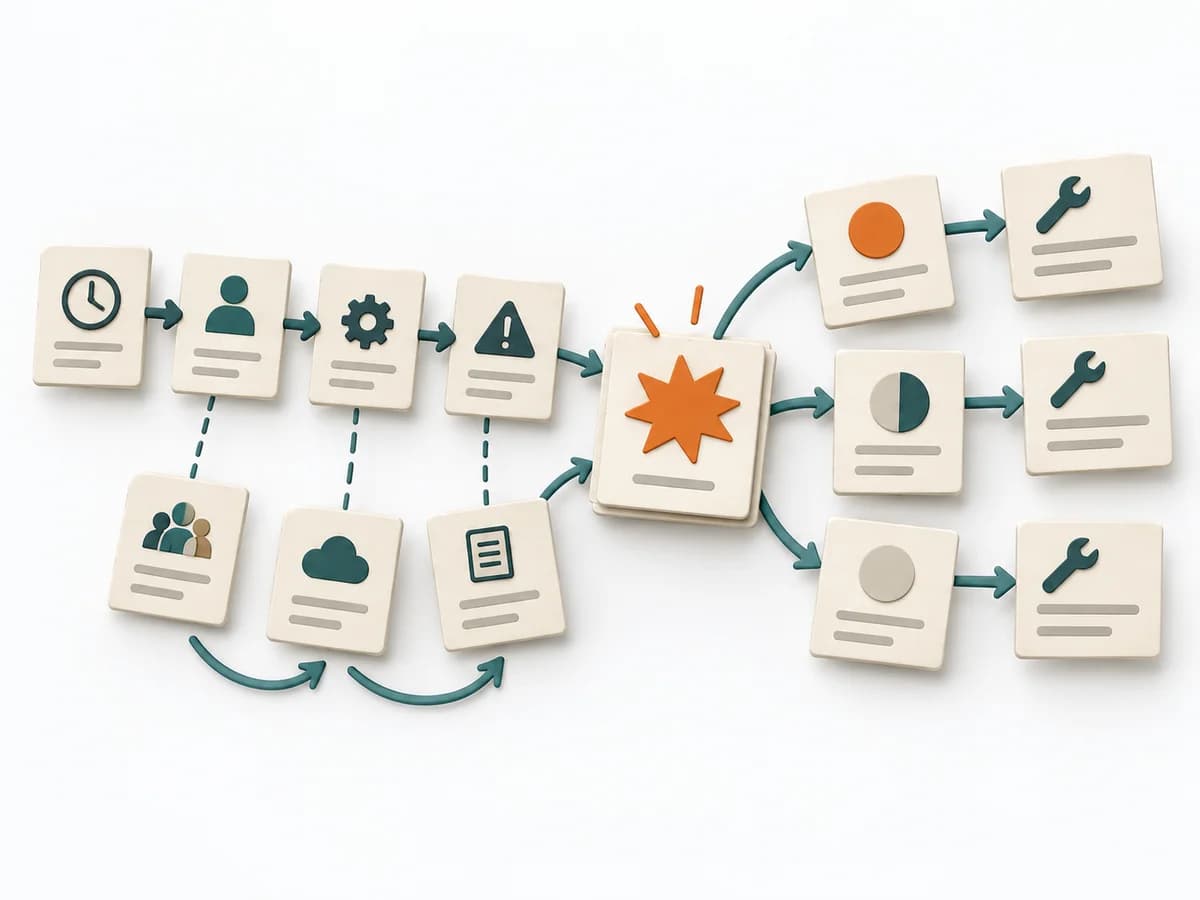
Reconstructs a chain of events, marks factors, and derives verifiable causes and corrective actions.
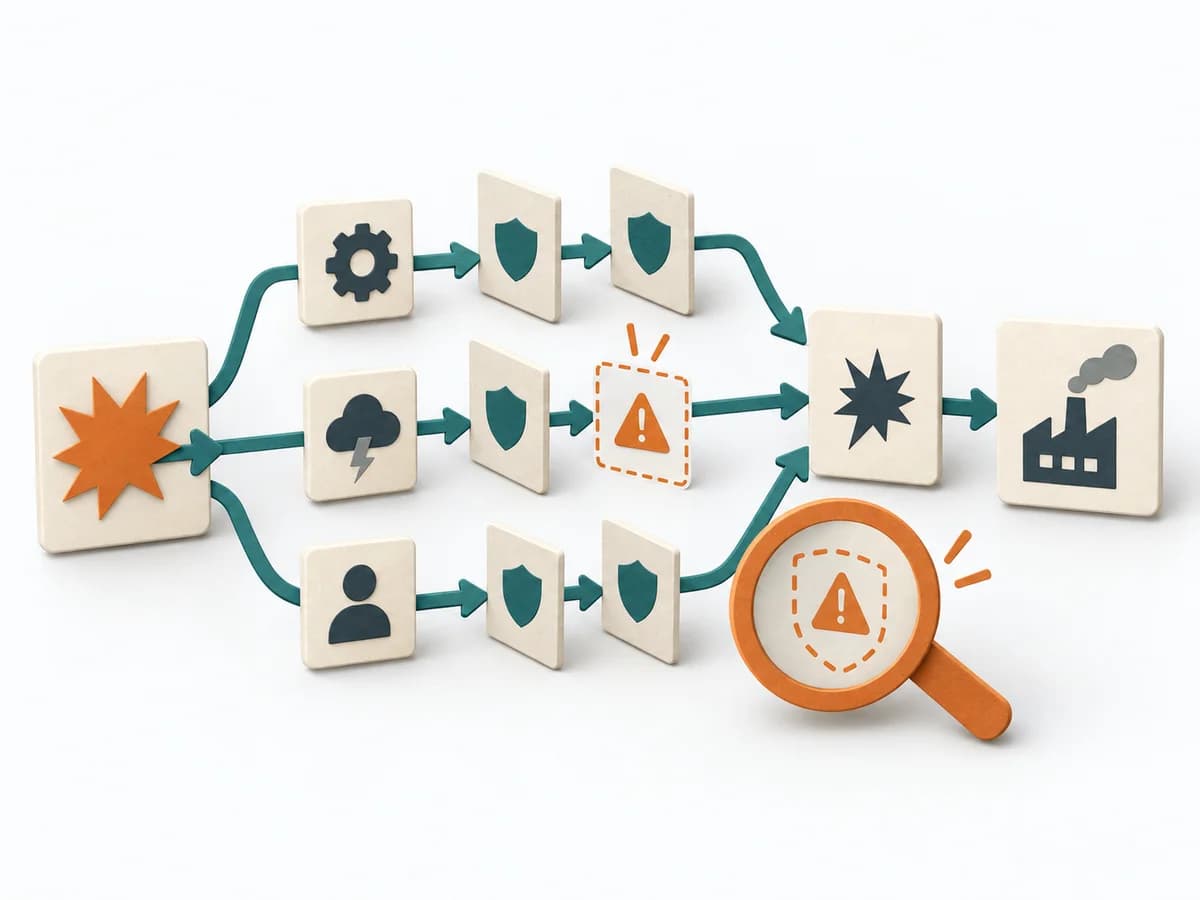
Thinks through failures in advance, assesses controls, and shows gaps in testing, prevention, and response.