Purpose
When many visitors or users drop off along the way, the reason behind the number often stays hidden. Funnel Analysis exposes these transitions and makes visible exactly where the path collapses.
Growth Analysis method
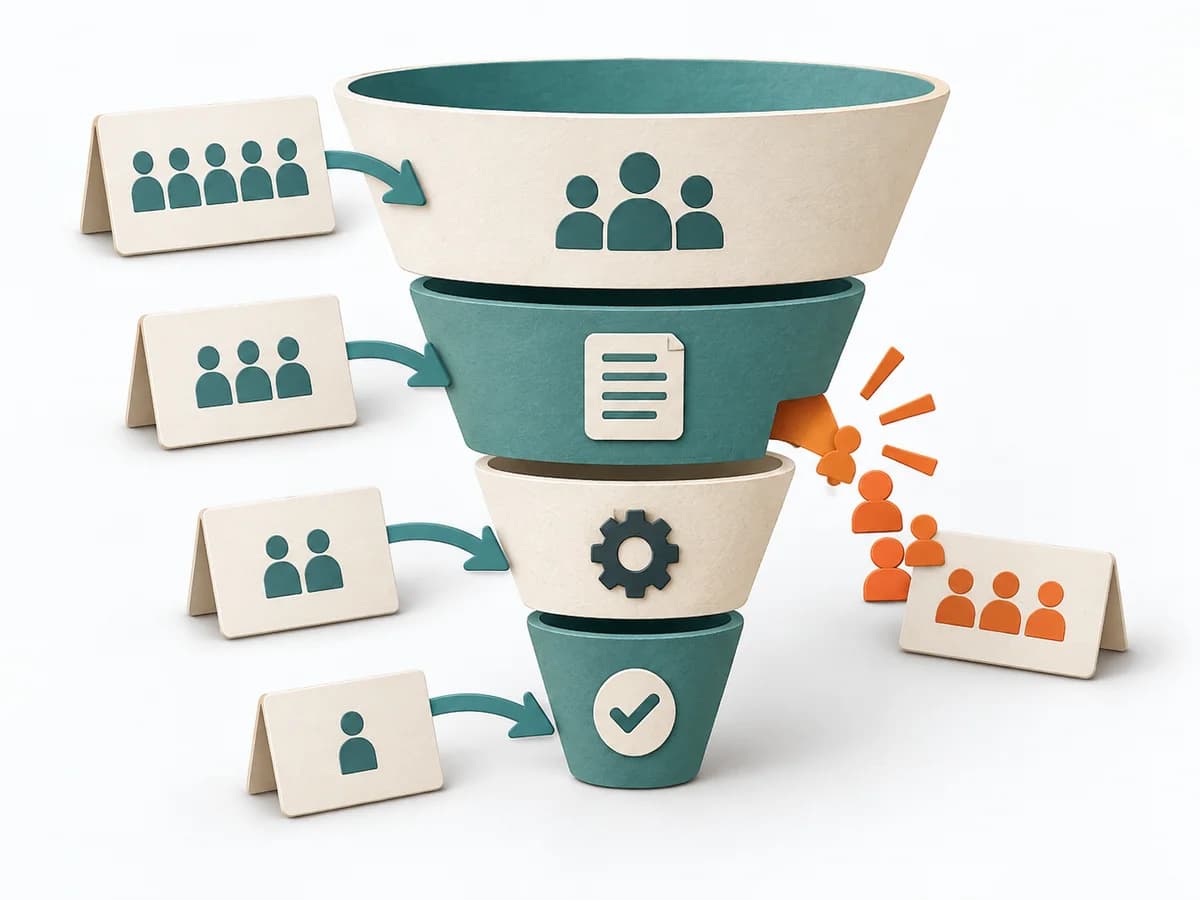
Shows at which defined journey step people fail to progress to the next step.
Funnel Analysis shows where people progress or drop out along a defined user journey. Comparing transition rates and user groups helps identify improvements to investigate.
At which step and for which cohort does the transition rate fall most?
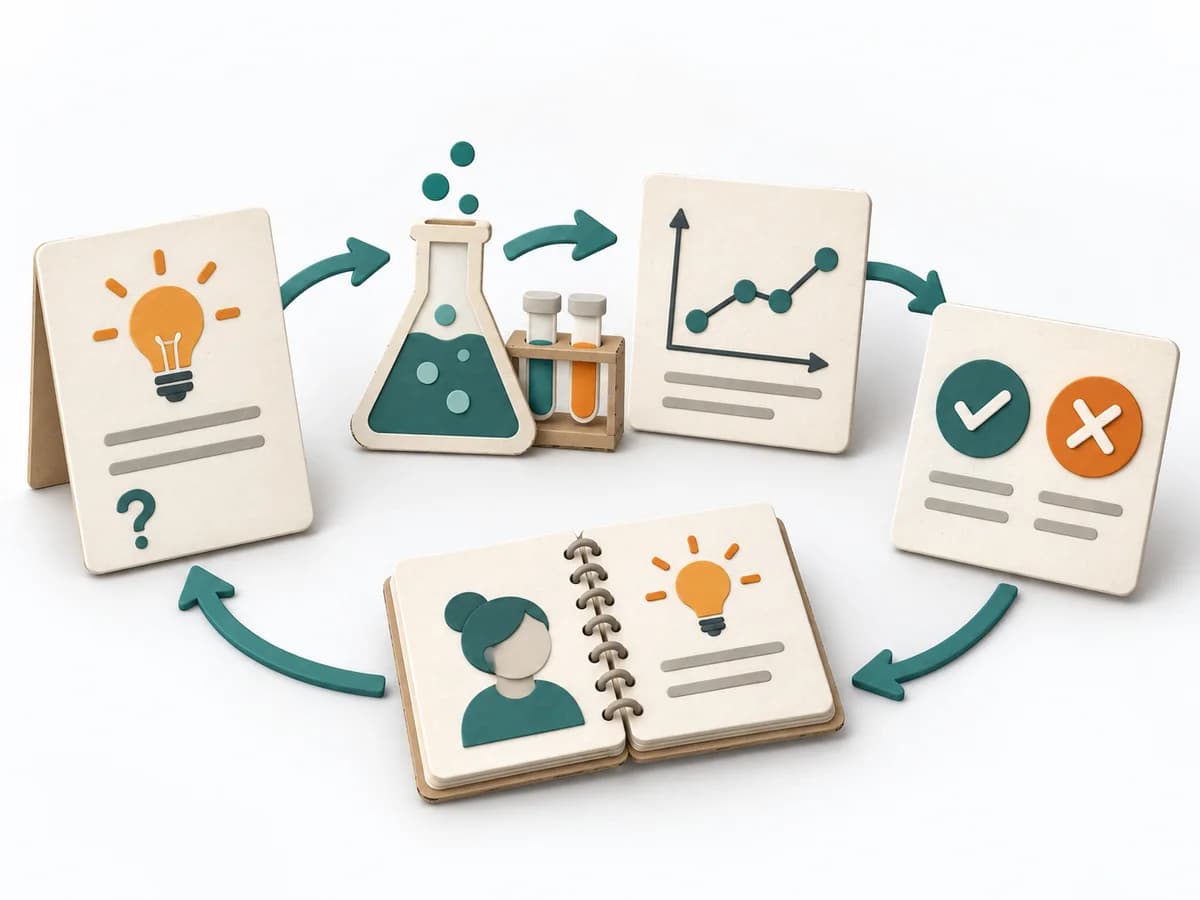
Phases may be revisited; their order supports the work but does not replace domain judgment.
Flow
Choose one user intent and order observable events.
Data
Check names, identity, time window, and missing events against raw data.
Rates
Count unique people per step; divide transitions by the correct entering cohort.
Investigation
Compare meaningful segments and combine anomalies with qualitative evidence.
Review the result and open assumptions at the next suitable checkpoint. Record changes, ownership, and new evidence.
Use when: One measurable flow with a clear start and completion.

A defined user intent with ordered, observable events.

Unique people per step and transition rates based on the correct entering cohort.
The analysis compares relevant user groups and connects unusual transition rates with qualitative findings.
Fictional worked example
Find which defined journey step people do not progress beyond.
Describe flow, start, completion, and cohort.
Period: week 12; market: DE; device: mobile.
Record event names, rules, and known tracking gaps.
View 10,000 → cart 2,400 → checkout 1,200 → purchase 840.
Enter numerator, denominator, rate, and window per transition.
Transitions: 24%, 50%, 70%. Each denominator is the prior step.
Record the anomalous step and unresolved cause as a question.
Largest absolute loss is before cart; cause remains unknown.
Fictional shop, week 12: product views 10,000, carts 2,400, checkouts 1,200, purchases 840. Step conversions: 24%, 50%, 70%; the largest absolute loss is before the cart.
Start with a bounded question, clarify access and participants, and collect available evidence. Find which defined journey step people do not progress beyond.
When many visitors or users drop off along the way, the reason behind the number often stays hidden. Funnel Analysis exposes these transitions and makes visible exactly where the path collapses.
The stages of a usage or purchase path are examined with data so dropouts and conversion losses can be located. This makes patterns by segment, source, or device distinguishable and hypotheses more precise. The method turns fuzzy growth questions into concrete bottlenecks.
Funnel Analysis examines behavior paths as measurable transitions rather than just conversion rates side by side. The analysis only becomes solid once event quality, segment differences, and channel or device breaks are checked before drawing conclusions. The insight value emerges where a visible drop-off is translated into a plausible cause and a testable optimization hypothesis.
First fix the stages, the time period under review, and the relevant segments so no discussion arises over different funnels. The analysis becomes really useful when breaks visibly differ by source, device, or target group. In the end there should be a clearly named drop-off with a checkable hypothesis for the next test.
The method guide walks execution through 4 phases, timing, 4 pitfalls, and clear stop criteria.
Open method guideYour perspective
Your feedback helps shape the next improvements to methodatlas.
Prepare Funnel Analysis with a clear question, roles, and sources.
To be confirmed
To be confirmed
Plan the full method Time: Set according to scope and available evidence
Complete this worksheet on paper or in your own document during the work.
Describe flow, start, completion, and cohort.
...
Record event names, rules, and known tracking gaps.
...
Enter numerator, denominator, rate, and window per transition.
...
Record the anomalous step and unresolved cause as a question.
...
Blank worksheet: start with a bounded question. Enter observed facts only, mark assumptions, and record open questions and sources.
Three Steps to Increase Your Conversion Rate Using Funnels
Expected artifact: Bounded event sequence
Bounded event sequence
Entry:
...
Expected artifact: Validated event definitions
Validated event definitions
Entry:
...
Expected artifact: Cohort rate table
Cohort rate table
Entry:
...
Expected artifact: Prioritized investigation question
Prioritized investigation question
Entry:
...
...
Method guide: https://methodatlas.meierhoff-systems.de/en/methods/funnel-analysis/run-sheet
Fitting alternatives with decision guidance, followed by other related methods.
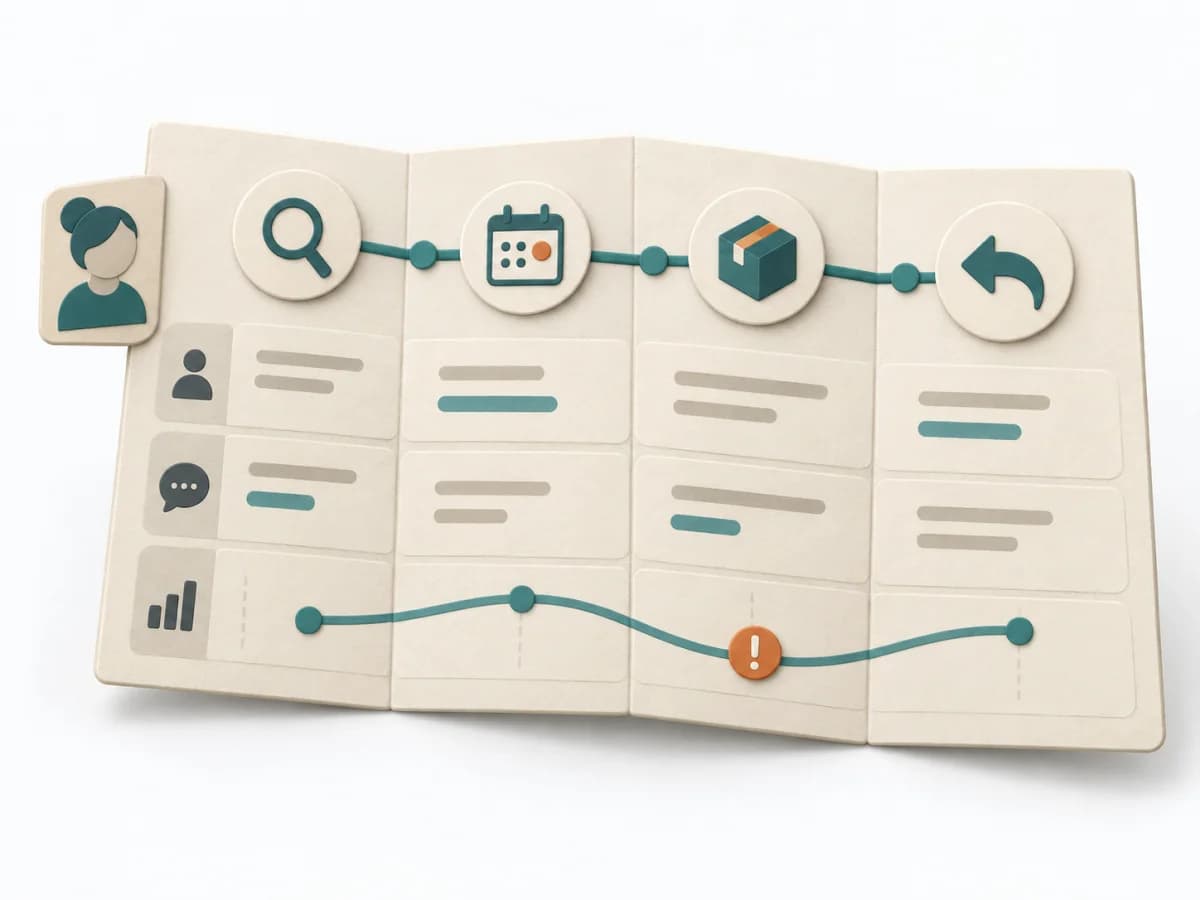
Instead of Funnel Analysis, when you want to set up the user journey as an object of observation instead of a pure idea sketch.

Maps a recurring growth loop, marks friction points, and derives reinforcing levers.
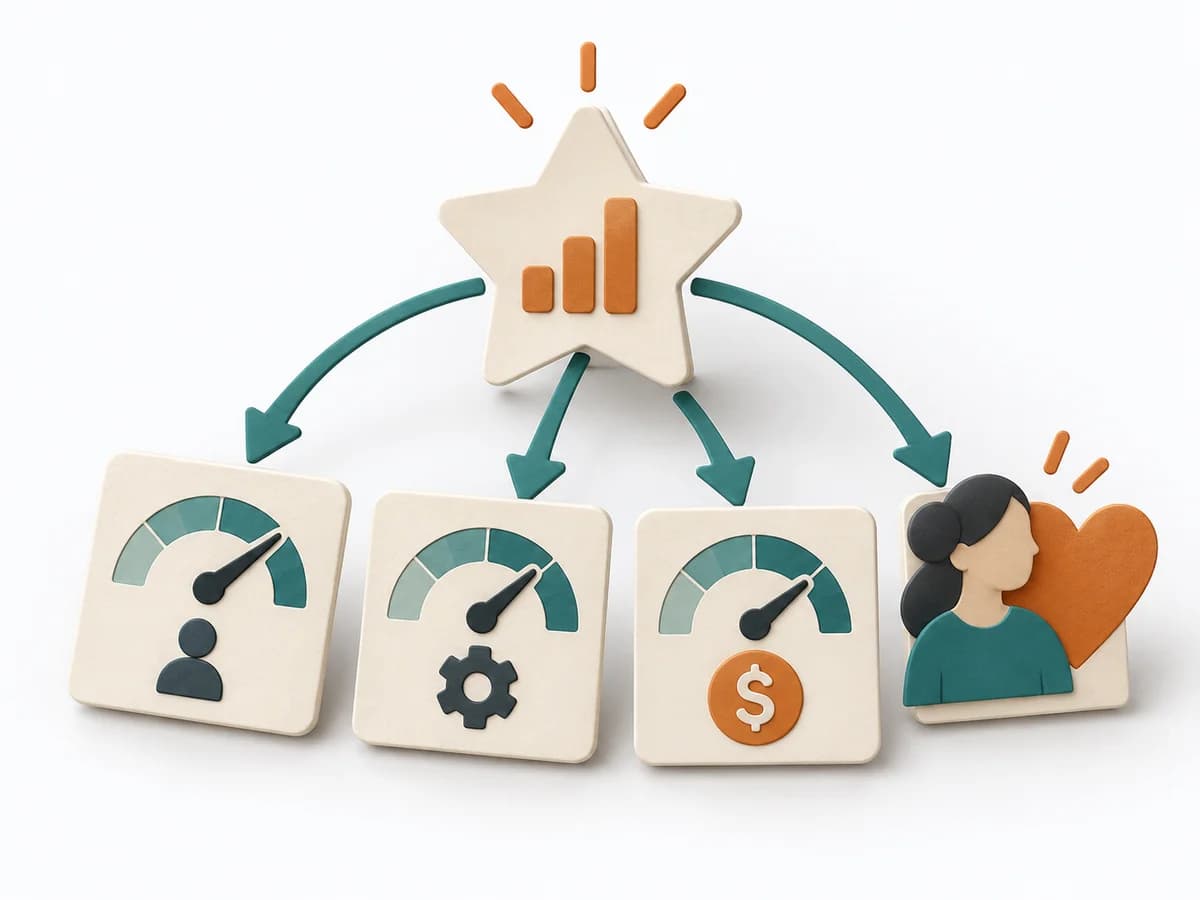
Derives a leading product metric and matching input metrics from customer value for steerable growth.

Models trigger, action, variable reward, and investment loops to understand and design repeat usage responsibly.
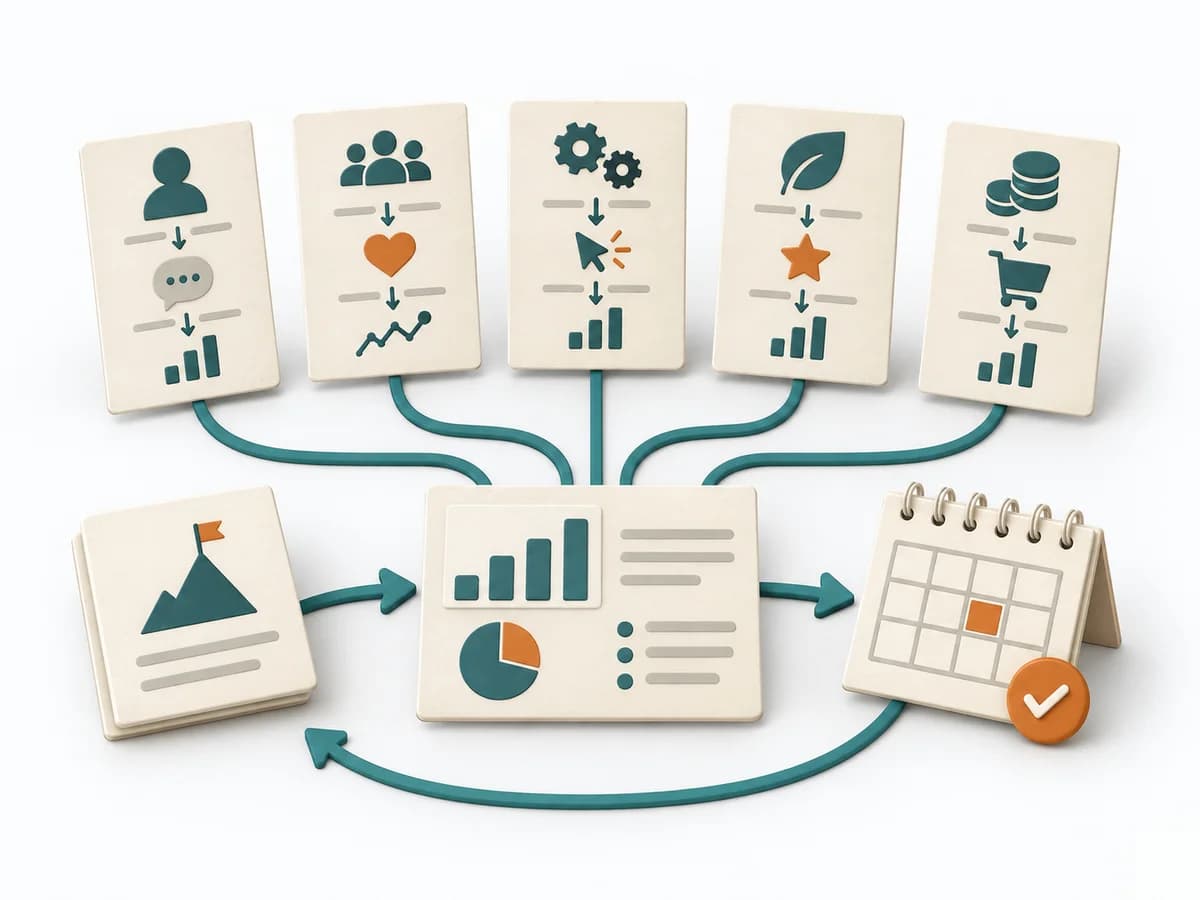
Moves observations, needs, and patterns toward a concrete result through "define a goal for each HEART dimension", "identify signals for each goal", and "agree on a review cadence".
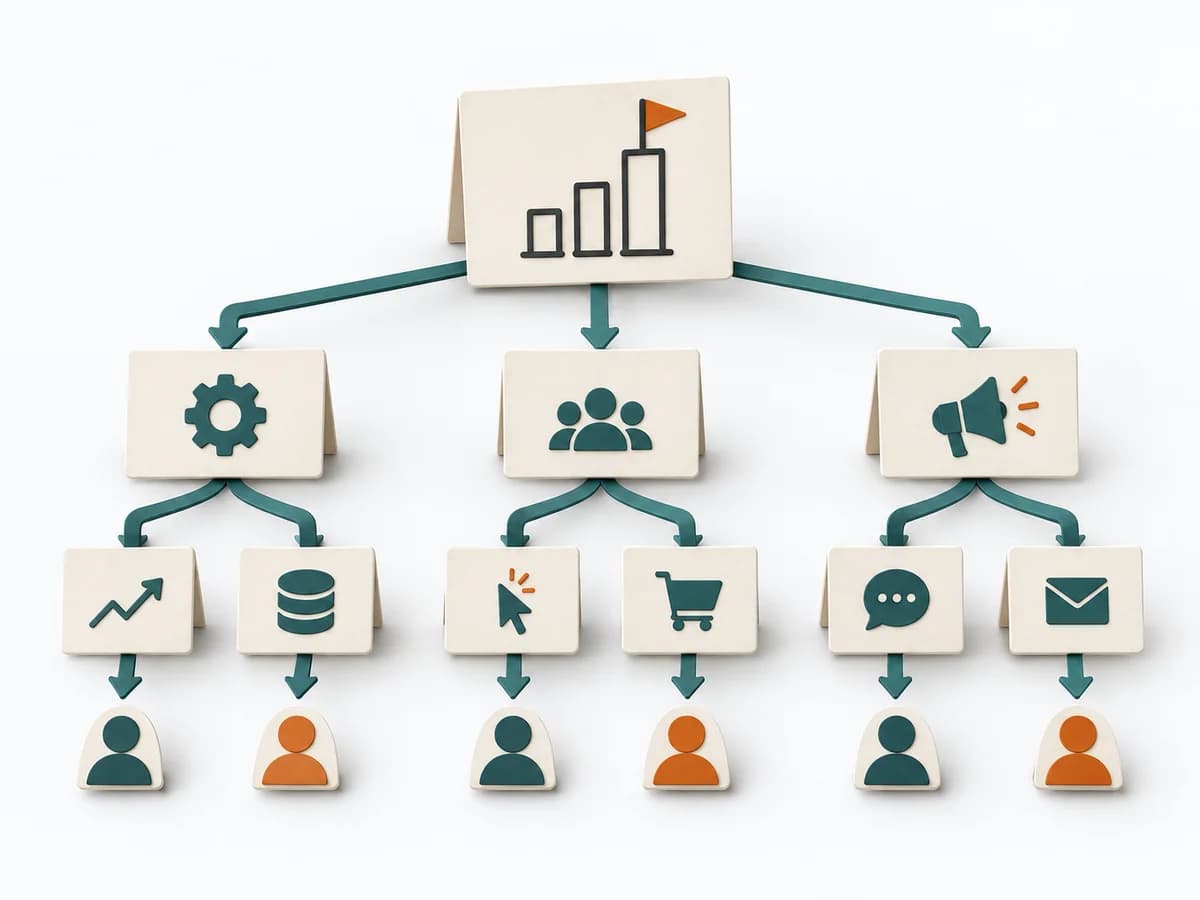
Moves target group, value, goals, and priorities toward a concrete result through "define the top metric", "describe the main driver of the top metric", and "set the review cadence".