Purpose
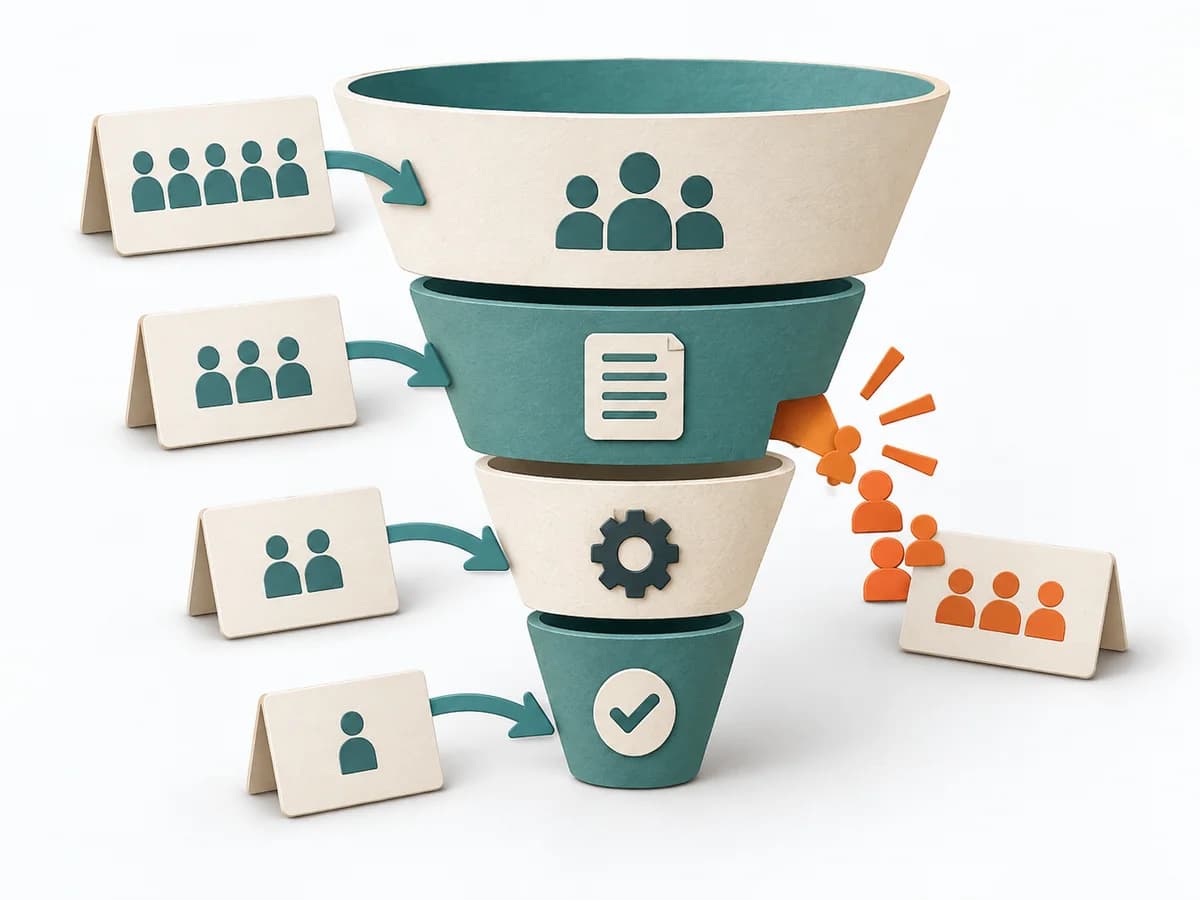
Growth often breaks down where a reinforcing mechanism builds up too much friction. A Flywheel shows the cycle of value, repetition, and reinforcement meant to sustain growth.
Growth Mapping tool
Maps a recurring growth loop, marks friction points, and derives reinforcing levers.
Die Dynamik wird als selbstverstärkender Zusammenhang beschrieben, in dem jeder Schritt den nächsten erleichtert oder bremst. Dadurch werden Hebel für Beschleunigung und Stellen für Reibungsverlust sichtbar, ohne dass man nur auf Einzelmetriken starrt. Das Modell lenkt den Blick auf Systemdynamik statt auf lineares Wachstum.
Which repeatable sequence of a few components creates customer value, pushes each next step, and gains measurable momentum through consistent turns?
Modelling, measurement, and learning cycles form a multi-stage initiative.

Value
Define distinctive customer value and an observable overall outcome.
Components
Select four to six repeatable activities from evidenced successes and order them in one direction.
Push
Explain the mechanism by which each component makes the next easier or stronger.
Measure
Define a leading measure per component and one outcome measure; capture baseline and cadence.
Learn
Choose the largest friction at one edge, test a small push, and observe the full chain.
Add new evidence at review and version decisions with the prior state.
Wachstum bricht oft dort ein, wo ein Verstärkungsmechanismus zu viel Reibung aufbaut. Ein Flywheel zeigt den Kreislauf aus Nutzen, Wiederholung und Verstärkung, der nachhaltiges Wachstum tragen soll.
Evidence-based flywheel with 4–6 directed components, push mechanisms, leading/outcome measures, friction, experiments, and review cadence.
Fictional example
Fictional values show the actual method fields.
| Component | Controllable activity | Push to next | Leading measure | Friction | Owner |
|---|---|---|---|---|---|
| 1 · Confirm earlyAdd evidence and rationale. | Confirm inventory by D−2 | Enables reliable slot offers | D−2 confirmation: 62% | Warehouse data arrives late | Warehouse |
| 2 · Offer slotsAdd evidence and rationale. | Send confirmed realistic windows | Increases use and punctuality | Slot use: 48% | Invitation reaches workshop late | Booking Ops |
| 3 · Hand off on timeAdd evidence and rationale. | Handoff in slot without search | Builds trust in early booking | p80 wait: 22 min | Unit not pre-sorted | Handoff lead |
| 4 · Book earlyAdd evidence and rationale. | Workshop books seven days ahead | Provides earlier demand profile for confirmation | Early booking: 31% | No reminder prompt | Customer Ops |
All values are fictional.
Set strategic value and system boundary; collect data from repeated successes and failures.
Growth often breaks down where a reinforcing mechanism builds up too much friction. A Flywheel shows the cycle of value, repetition, and reinforcement meant to sustain growth.
The dynamic is described as a self-reinforcing relationship in which each step eases or slows the next. This makes levers for acceleration and points of friction loss visible, without staring only at individual metrics. The model directs attention to system dynamics instead of linear growth.
A Flywheel treats growth not as a linear funnel, but as a loop that builds momentum through repeated customer value. The method connects acquisition, onboarding, usage, success experience, retention, and referral into one dynamic. At each step it checks which friction drains energy and which amplifiers make the next turn more likely. That makes growth visible as a system of feedback, user behavior, and operational levers.
Prepare data on acquisition, activation, retention, referral, and revenue plus concrete customer-journey insights. Moderate the loop step by step and ask at each stage about energy input, friction, and measurable signals. Finish with a few lever hypotheses that can be tested as experiments or product improvements.
The method guide walks execution through 5 phases, timing, 5 pitfalls, and clear stop criteria.
Open method guideYour perspective
Your feedback helps shape the next improvements to methodatlas.
Set subject, evidence, roles, flow, and review.
To be confirmed
To be confirmed
Whole initiative Time: Half-day modelling plus 4–12 weeks of measurement and learning cycles.
Complete this worksheet on paper or in your own document during the work.
| Component | Controllable activity | Push to next | Leading measure | Friction | Owner |
|---|---|---|---|---|---|
| 1 · Confirm early | |||||
| 2 · Offer slots | |||||
| 3 · Hand off on time | |||||
| 4 · Book early |
The blank worksheet contains prompts only.
Reference · original teaching example
Expected artifact: North star
Define distinctive customer value and an observable overall outcome.
Entry:
...
Expected artifact: Component loop
Select four to six repeatable activities from evidenced successes and order them in one direction.
Entry:
...
Expected artifact: Push chain
Explain the mechanism by which each component makes the next easier or stronger.
Entry:
...
Expected artifact: Measurement system
Define a leading measure per component and one outcome measure; capture baseline and cadence.
Entry:
...
Expected artifact: Learning cycle
Choose the largest friction at one edge, test a small push, and observe the full chain.
Entry:
...
...
Method guide: https://methodatlas.meierhoff-systems.de/en/methods/flywheel/run-sheet
Fitting alternatives with decision guidance, followed by other related methods.
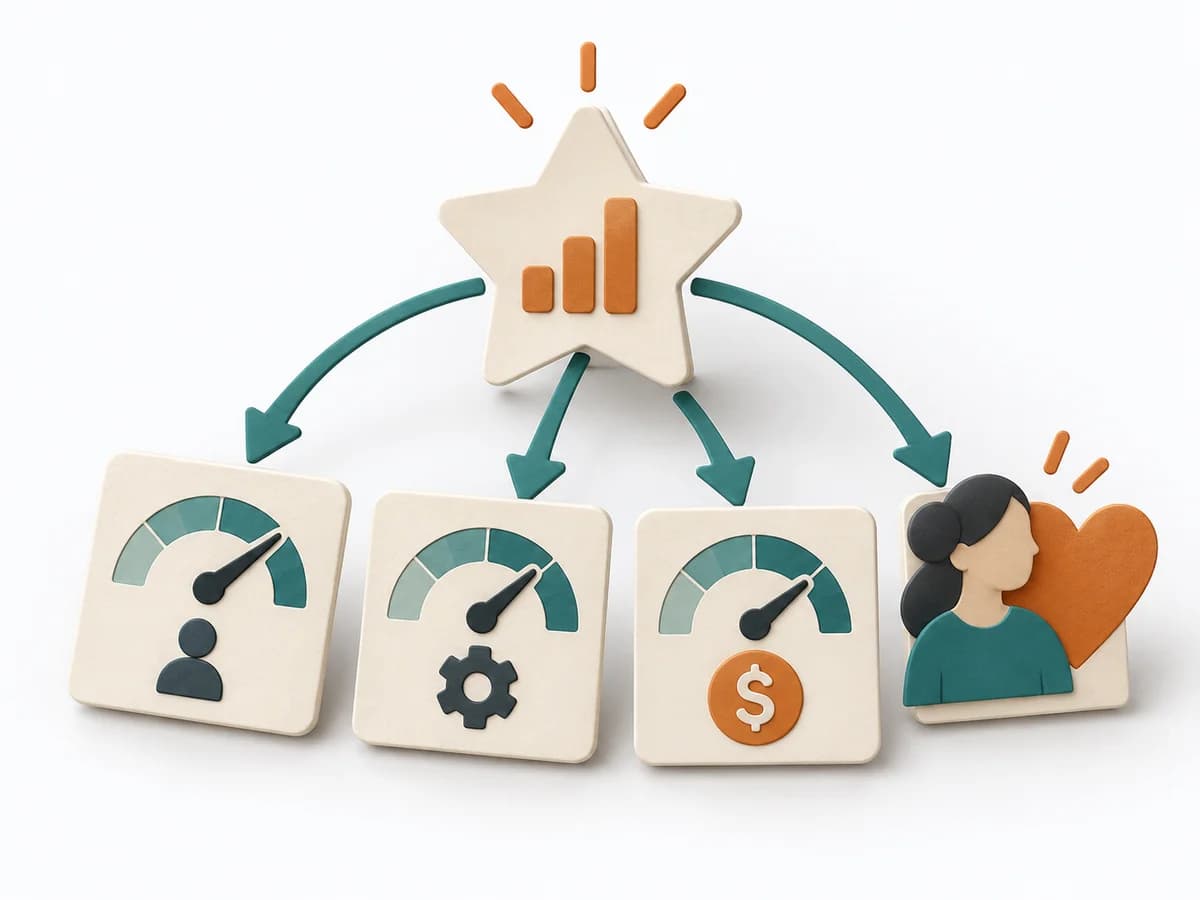
Instead of Flywheel, choose North Star Metric when you need a single guiding metric that connects real customer value and growth.

Instead of Flywheel, choose Customer Journey Canvas when you want to condense the journey in a structured way on one canvas and scan it quickly as a team.
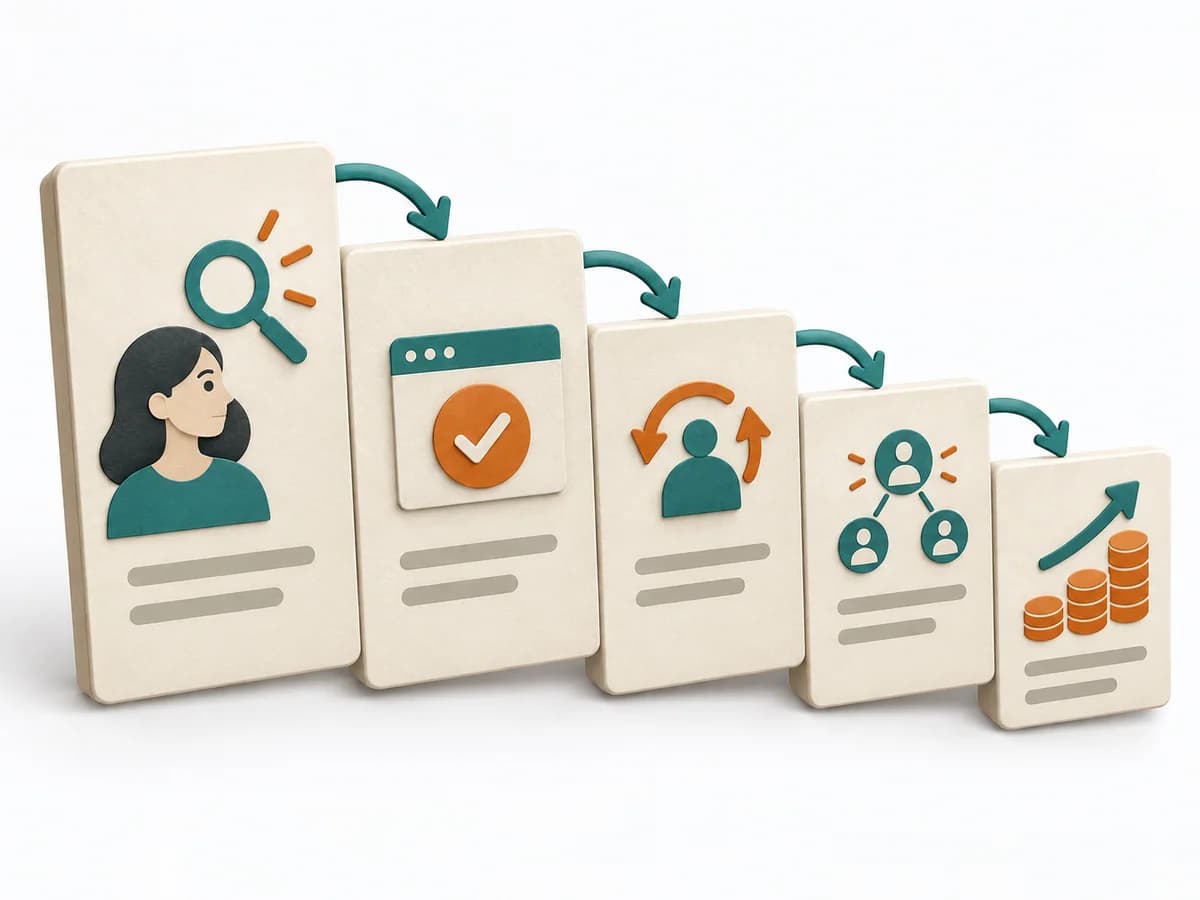
Maps the AARRR funnel, sets baselines, and surfaces leaks that translate directly into experiments.
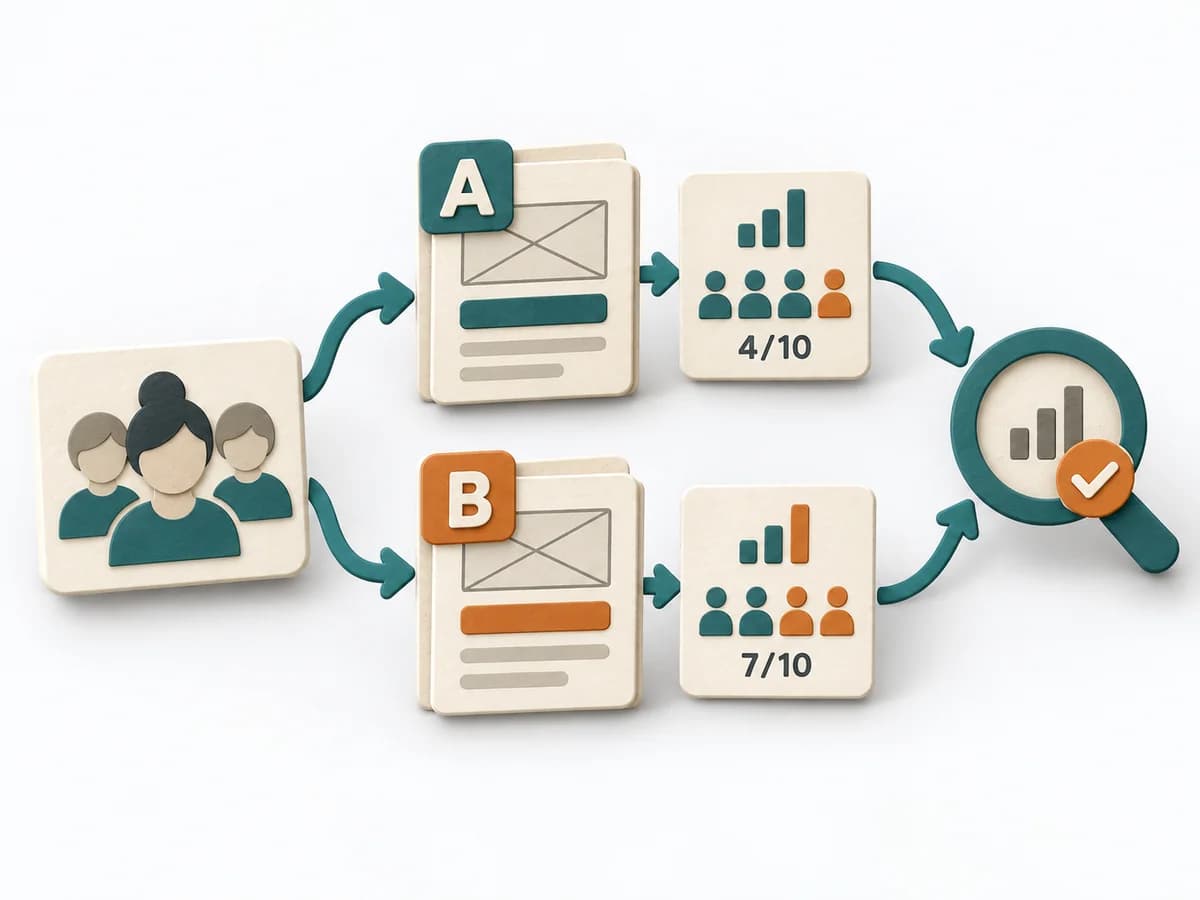
Tests variants under controlled conditions, keeps the decision log clean, and summarizes results in a learning summary.

Models trigger, action, variable reward, and investment loops to understand and design repeat usage responsibly.
Clarifies starting point, opportunities, and strategic options by defining products and markets, collecting growth options, and choosing focus options.