

Purpose
When a workshop has produced too many options and the group needs to condense quickly, dot voting makes preferences visible in a short time. It bundles individual votes into a solid signal for the next selection.
Facilitation Decision method
Dot voting makes group preferences visible quickly and narrows a large option set for the next discussion.
Dot voting makes relative preferences in a group visible through an equal voting budget used independently by participants. The distribution supports a shortlist and does not establish objective value or agreement.
Which options merit further examination based on the group's independent preferences?
Equal voice for each participant. The dots show a distribution, not proof of consensus.

Scope
Write a concrete selection question and say what will happen after the vote.
Options
Present relevant options concisely and evenly, without promotional wording.
Silent vote
Explain vote count, repeat dots, and submission method. Let everyone vote at once without debate.
Read the pattern
Count dots, note ties, and ask why leading and divergent preferences appeared.
Follow-up
Use a shortlist to trigger research, a criteria review, or a decision session. Assign ownership.
Keep the purpose, voting rule, and distribution together. Vote again only to resolve a clarified tie or a deliberately narrowed option set.
Use Dot Voting when a group already has understandable options and needs a quick shortlist for the next piece of work.

Options, rule, and distribution with caveats.
A small set of options with an assigned next examination.
Fictional teaching example
Fictional vote distribution from a prepared group choice.
| Option | Option | Dots | Interpretation and next check |
|---|---|---|---|
| Option 1Which option received votes, and what should be checked next? | Clearer reservation confirmation | 5 dots | Shortlisted. Check comprehension and process before implementation. |
| Option 2Which option received votes, and what should be checked next? | Reliable pickup time slots | 4 dots | Shortlisted. Check availability and operating effort. |
| Option 3Which option received votes, and what should be checked next? | Reminder before return | 2 dots | Deferred. The reason for the preference or rejection is unknown. |
| Option 4Which option received votes, and what should be checked next? | Short repair video | 1 dot | Deferred. This says nothing about objective value. |
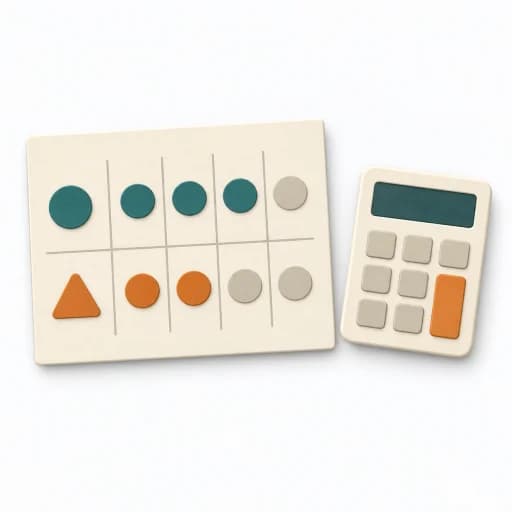
Four fictional participants cast three dots each. The twelve dots are preference signals; they do not count distinct people or consensus. The shortlist needs further examination.
Set the question and purpose of the vote. Explain in advance how the result will be used and who decides afterward.
When a workshop has produced too many options and the group needs to condense quickly, dot voting makes preferences visible in a short time. It bundles individual votes into a solid signal for the next selection.
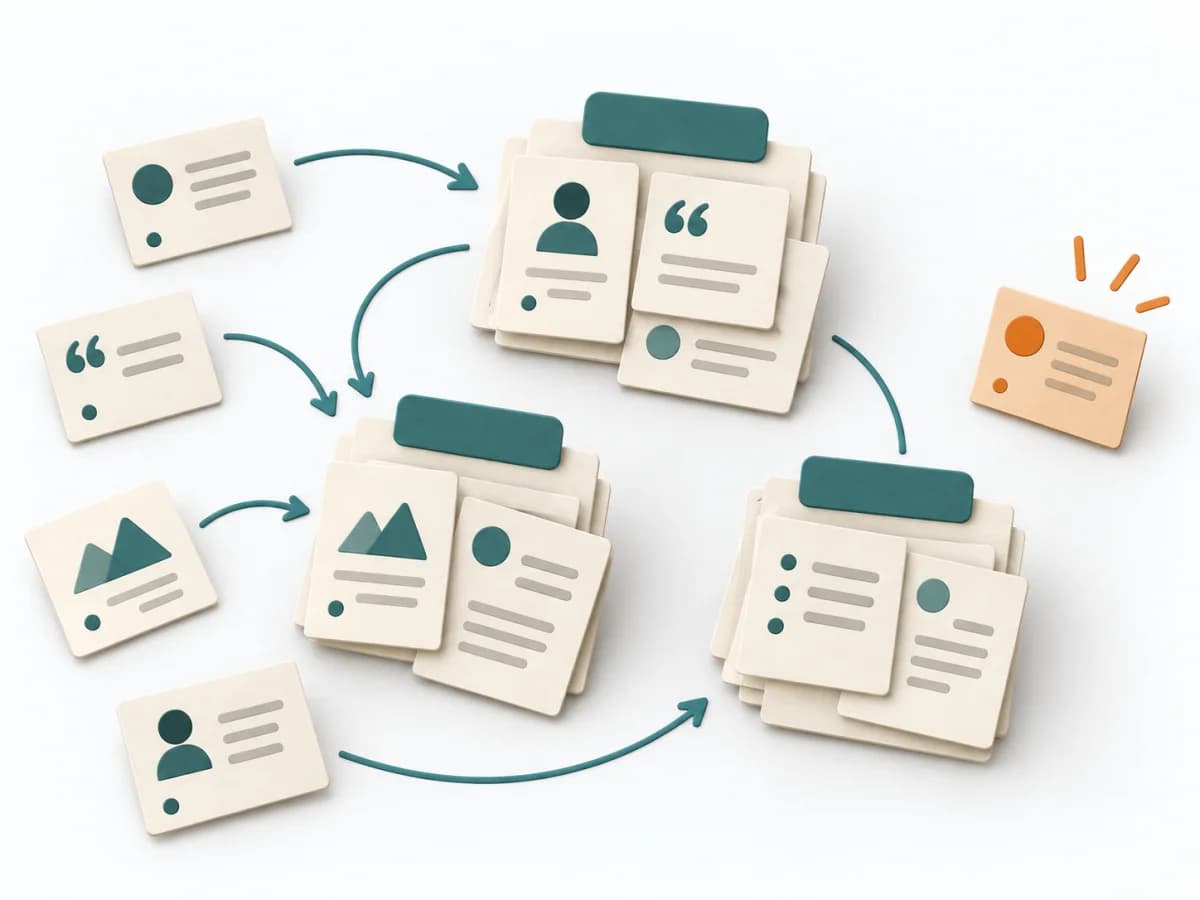
The group displays the options together, clarifies the vote budget, and then votes silently so dominance in the room stays low. Only afterward is the pattern of votes read and checked for outliers, tendencies, and narrow consensus.
Dot Voting works because it quickly turns a large set of options into a visible pattern of preference. The method makes sense once selection happens only after jointly clarifying the criteria, and votes aren't mistaken for a substitute for discussion. Good use reads the voting as a signal of energy and priority, not as final truth, so the group can keep deciding on solid ground.
Prepare the options so they are clearly legible and state openly what the dots stand for, such as interest, relevance, or wish to implement. It becomes problematic when unclear wording or social orientation distorts the voting; then a brief clarification is needed before casting votes. Close with a look at the pattern and decide which options move directly into further work or discussion.
The method guide walks execution through 5 phases, timing, 5 pitfalls, and clear stop criteria.
Open method guideYour perspective
Your feedback helps shape the next improvements to methodatlas.
Compact agenda template for method sequences with timebox, purpose, and output.
Goal: ... Participants: ... Duration: ...
| Time | Method | Purpose | Output |
|---|---|---|---|
| 00:00 | Check-in | Set focus | Shared start |
| 00:10 | How Might We | Ideation questions | HMW list |
| 00:35 | Brainwriting | Generate ideas | Idea pool |
| 01:10 | Dot Voting | Prepare selection | Prioritized ideas |
| 01:30 | Storyboarding | Make the concept tangible | Storyboard |
Decision, owner, next test.
Plan the question, comparable options, equal voting budget, and how the result will feed into a decision.
To be confirmed
To be confirmed
Narrow a group of options Time: 5–15 minutes with a prepared board; follow-up discussion as needed
Complete this worksheet on paper or in your own document during the work.
| Option | Option | Dots | Observation or next check |
|---|---|---|---|
| Option 1 | |||
| Option 2 | |||
| Option 3 | |||
| Option 4 |
Blank worksheet: record the question, evenly described options, voting budget, and independent submission. Add votes and interpretation only after voting.
Expected artifact: Bounded vote
A shortlist is not automatically the decision.
Entry:
...
Expected artifact: Comparable option list
Dot Voting cannot assess quality that is not visible.
Entry:
...
Expected artifact: Submitted votes
Equal vote counts prevent unequal voting power, not unequal evidence.
Entry:
...
Expected artifact: Prioritized shortlist and open questions
Dots can cluster on a few options without proving agreement.
Entry:
...
Expected artifact: Clear follow-up step
Voting alone does not assess feasibility, risk, or obligations.
Entry:
...
...
Method guide: https://methodatlas.meierhoff-systems.de/en/methods/dot-voting/run-sheet
Fitting alternatives with decision guidance, followed by other related methods.
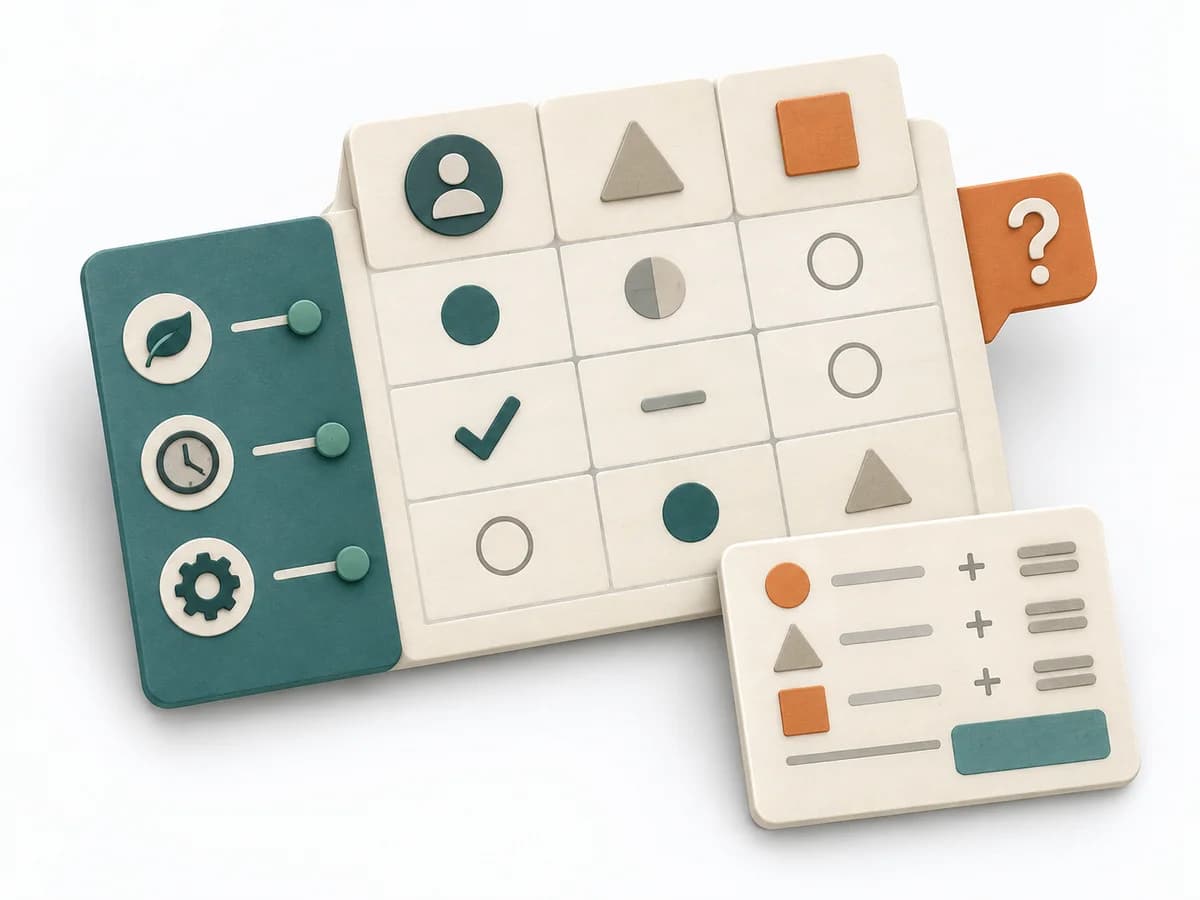
Instead of Dot Voting, when you want to compare options transparently using explicit criteria, weighting, and reasoning.

Collects ideas silently, clarifies understanding, and lets the group prioritize, so quiet voices don't get lost.
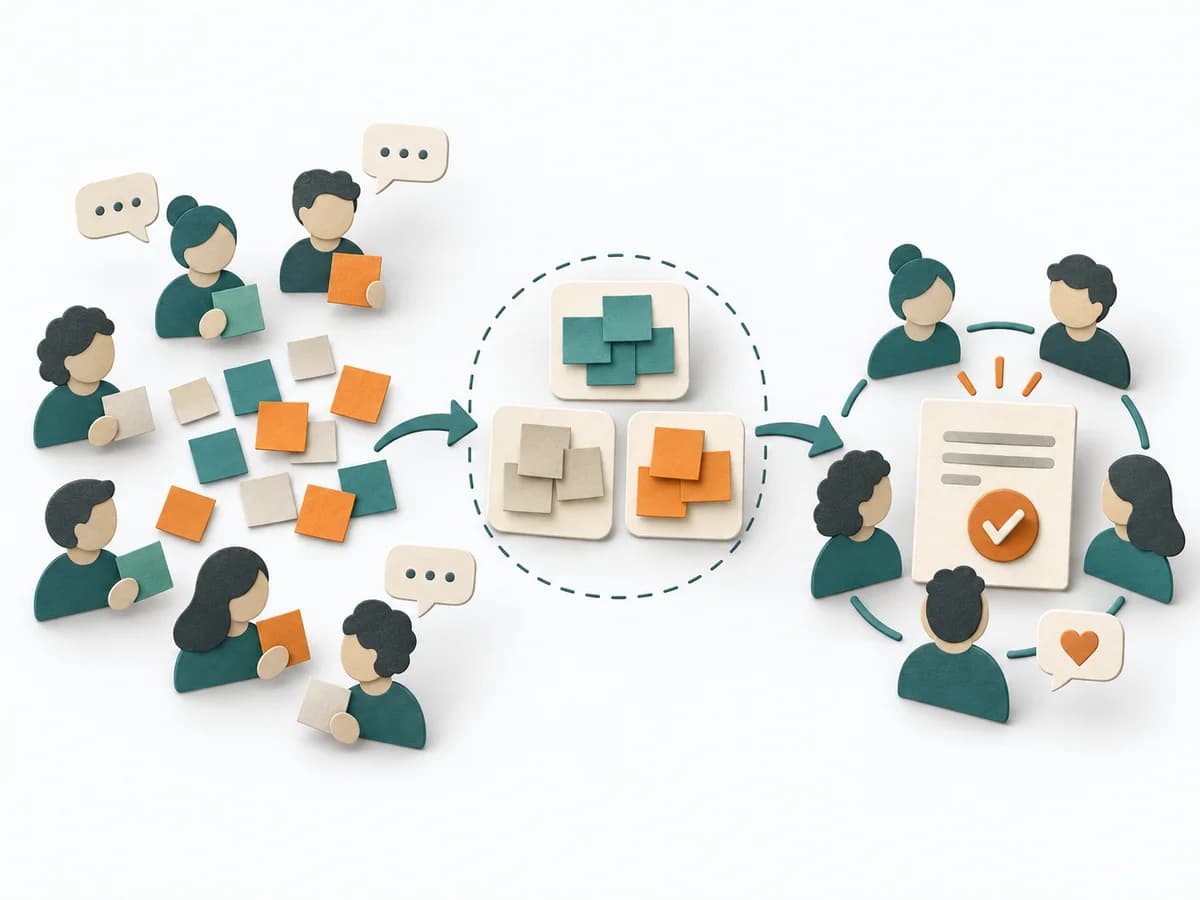
Condenses individual ideas into clusters, themes, and priorities so consensus grows out of individual contributions.

Deliberately switches between perspectives to gather decision inputs in a structured way and spot blind spots.

Moves ideas from silent reflection through pair exchange into the group and condenses patterns.
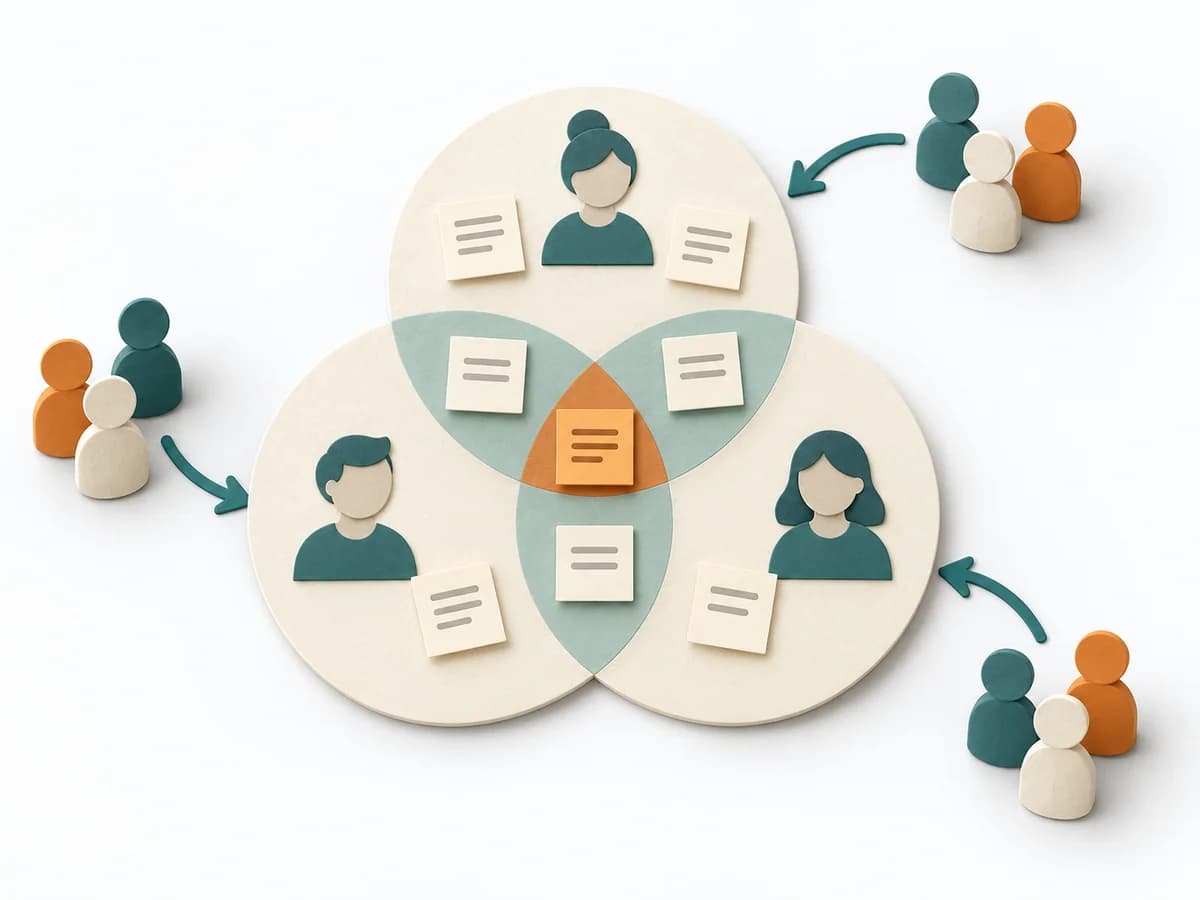
Compares three perspectives in a shared picture and makes overlaps as visible as differences.