Purpose
When several contexts need to talk to each other, it makes their relationships and dependencies legible. It helps sort integration pressure and responsibilities across system boundaries.
Domain Modeling Mapping tool
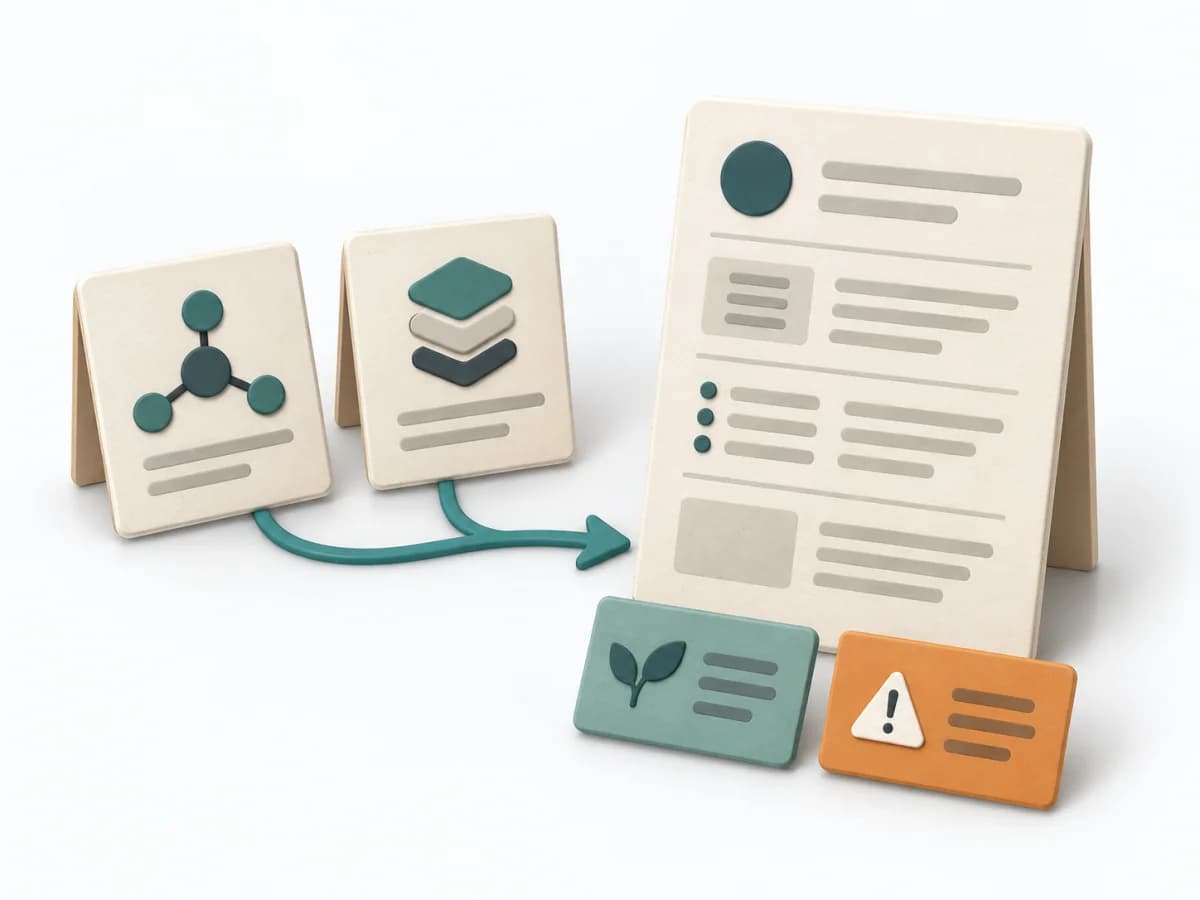
A context map shows bounded contexts and their integration relationships, dependencies, and translation boundaries.
A context map shows bounded contexts and their integration relationships, dependencies, and translation boundaries. It makes visible where models interact and where clarification is needed.
Which models apply where, and how do contexts influence one another when collaborating?
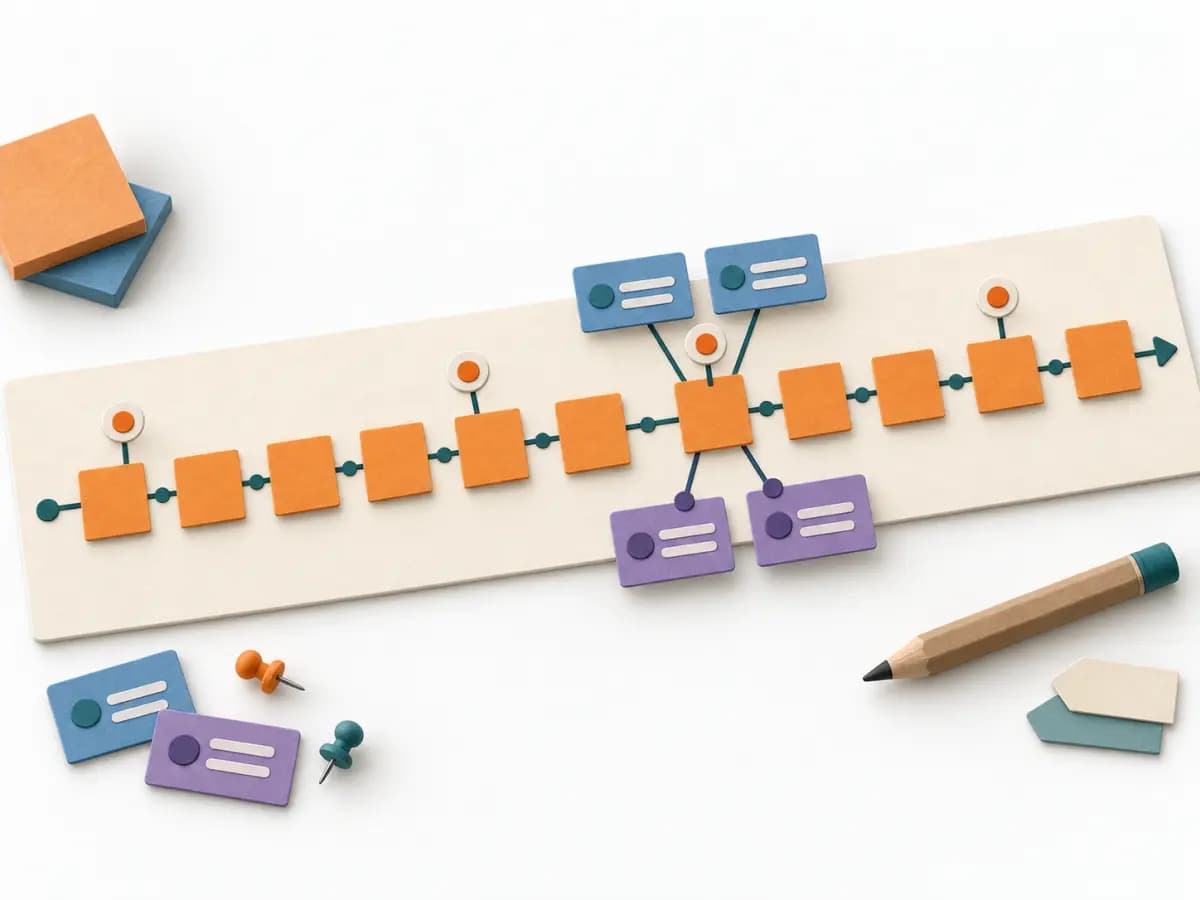
Phases may be revisited; their order supports the work but does not replace domain judgment.

Contexts
Locate model boundaries by language and rules; note terms that mean something different elsewhere.
Relationships
Draw data or process flow with direction and name upstream/downstream.
Integration
Choose patterns such as customer-supplier, conformist, or ACL based on actual collaboration.
Clarification
Mark shared kernels, translation, bottlenecks, and unresolved conflicts; assign investigation.
Review the result and open assumptions at the next suitable checkpoint. Record changes, ownership, and new evidence.
Use when: Multiple named bounded contexts with known models and at least one relevant integration flow.
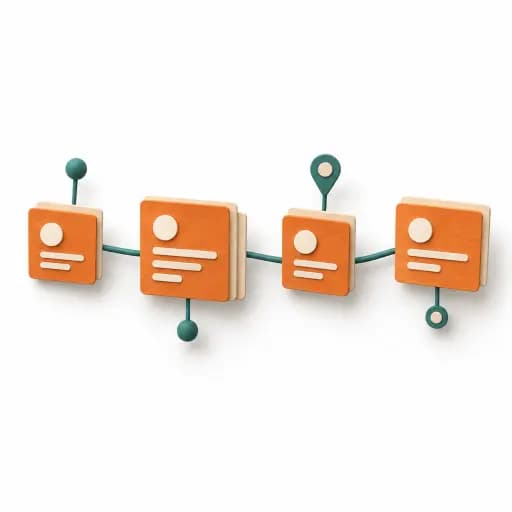
Working picture with model boundaries based on language and rules, including terms with different meanings elsewhere.
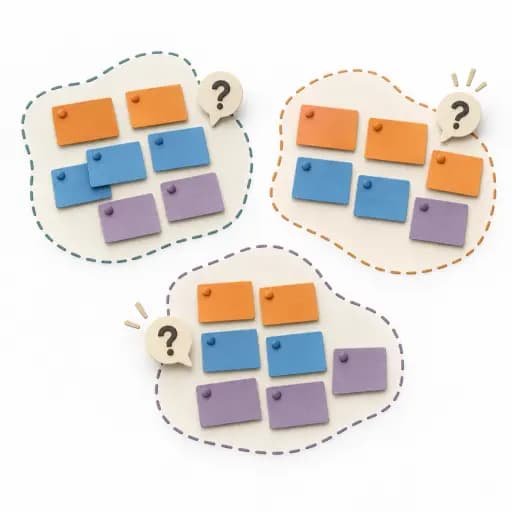
The artifact records patterns such as customer-supplier, conformist, or ACL based on actual collaboration.
The overview marks shared kernels, translation, bottlenecks, and unresolved conflicts and assigns the investigation.
Fictional worked example
Show bounded contexts and their integration relationships, dependencies, and translation boundaries.
Name context boundary, model owner, and local terms.
Upstream: product terms and status codes.
Show relationship, direction, interface, and exchanged information.
Downstream; ACL translates external status codes into local booking rules.
Record pattern, teams, and actual collaboration.
Publishes BillingCompleted event; booking consumes it.
Record ambiguities, translation gaps, and next clarification.
Fictional finding: “reserved” means different things in two contexts; align glossary.
Fictional platform: “Catalog” provides product data; “Booking” consumes it in an upstream/downstream relationship. An anti-corruption layer translates external status codes into booking terms. “Billing” publishes events consumed by booking. Arrows record direction; they do not assert team ownership.
Start with a bounded question, clarify access and participants, and collect available evidence. Show bounded contexts and their integration relationships, dependencies, and translation boundaries.
When several contexts need to talk to each other, it makes their relationships and dependencies legible. It helps sort integration pressure and responsibilities across system boundaries.
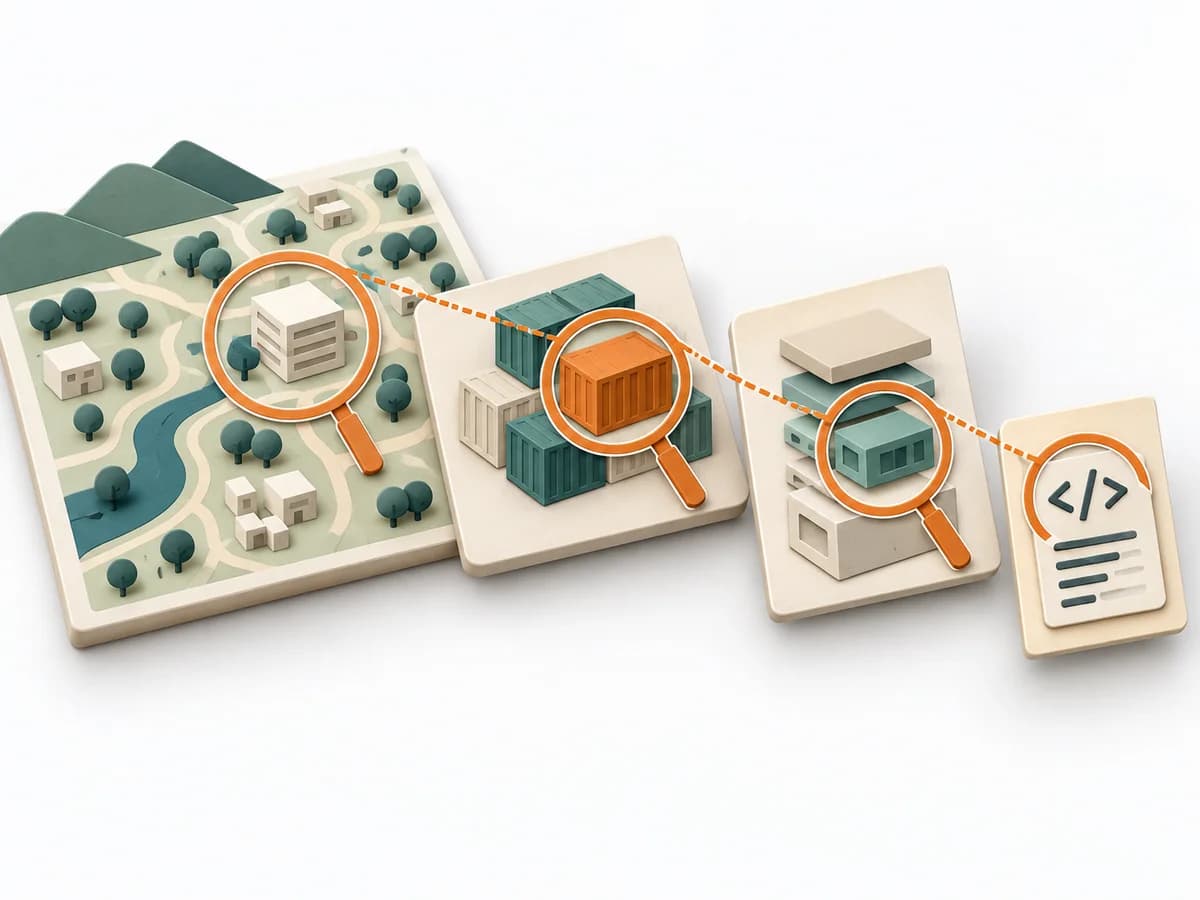
It places contexts with their connections into one shared picture and shows where handoffs, translations, or couplings arise. This makes architecture conversations about boundaries, flows, and responsibility more concrete.
A Context Map helps because it doesn't just name contexts but makes the quality of their relationships visible. Good use deliberately separates business dependency, organizational reality, and technical coupling so the picture doesn't turn into wishful architecture. Its value unfolds where power relations, translation effort, and need for protection become explicit, making integration decisions more solid.
Before the session, gather real exchange points between contexts, such as data handoffs, approvals, or conflicts over terms. The tipping point usually comes at the question of who has to align with whom. Close the work with a few marked problem relationships and a prioritized clarification for the riskiest coupling.
The method guide walks execution through 4 phases, timing, 4 pitfalls, and clear stop criteria.
Open method guideYour perspective
Your feedback helps shape the next improvements to methodatlas.
Prepare Context Map with a clear question, roles, and sources.
To be confirmed
To be confirmed
Plan the full method Time: Set according to scope and available evidence
Complete this worksheet on paper or in your own document during the work.
Name context boundary, model owner, and local terms.
...
Show relationship, direction, interface, and exchanged information.
...
Record pattern, teams, and actual collaboration.
...
Record ambiguities, translation gaps, and next clarification.
...
Blank worksheet: start with a bounded question. Enter observed facts only, mark assumptions, and record open questions and sources.
Bounded Context · Martin Fowler
Expected artifact: Bounded contexts and their language
Bounded contexts and their language
Entry:
...
Expected artifact: Directed dependency and integration map
Directed dependency and integration map
Entry:
...
Expected artifact: Agreed relationship patterns between contexts
Agreed relationship patterns between contexts
Entry:
...
Expected artifact: Open model and integration risks
Open model and integration risks
Entry:
...
...
Method guide: https://methodatlas.meierhoff-systems.de/en/methods/context-map/run-sheet
Fitting alternatives with decision guidance, followed by other related methods.
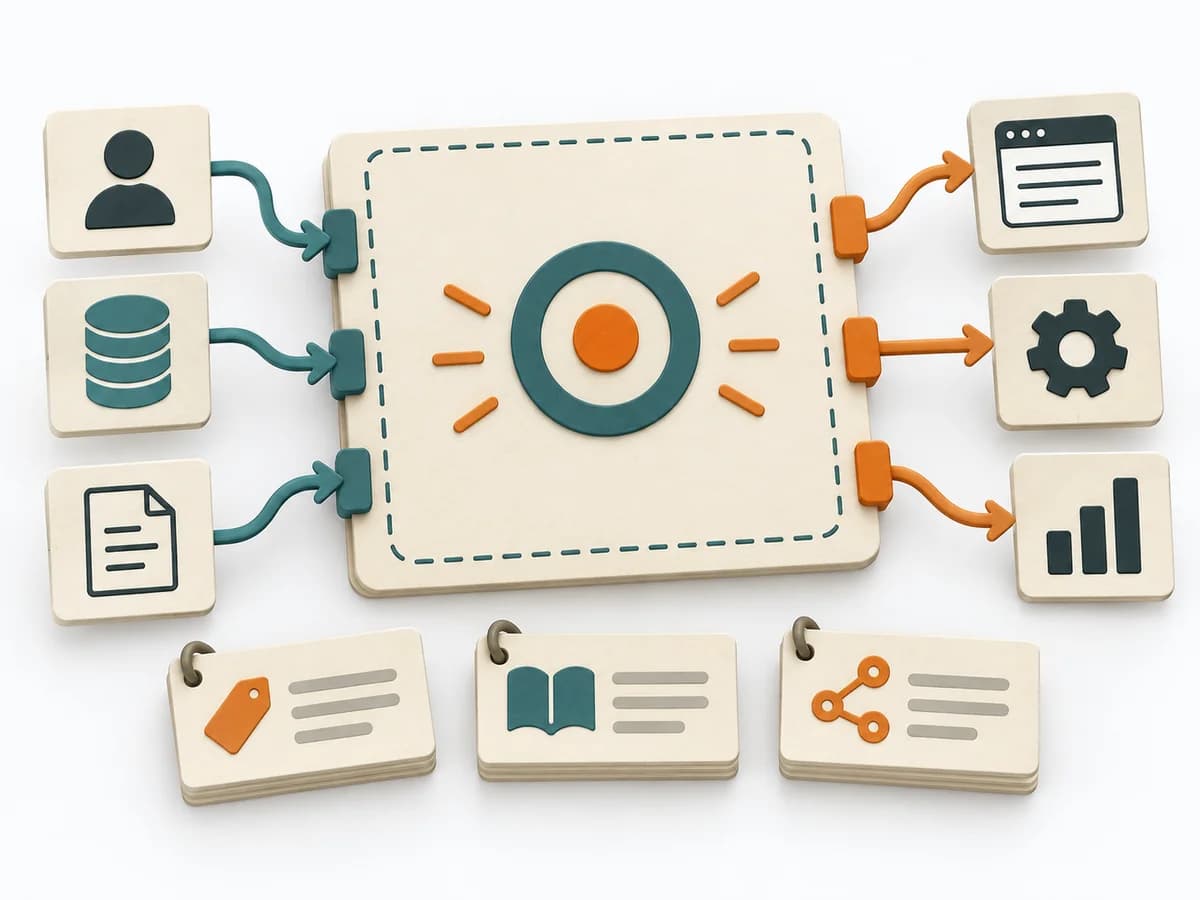
Instead of Context Map, when you want to sharpen a bounded context, including rules, language, and interfaces, on one page.
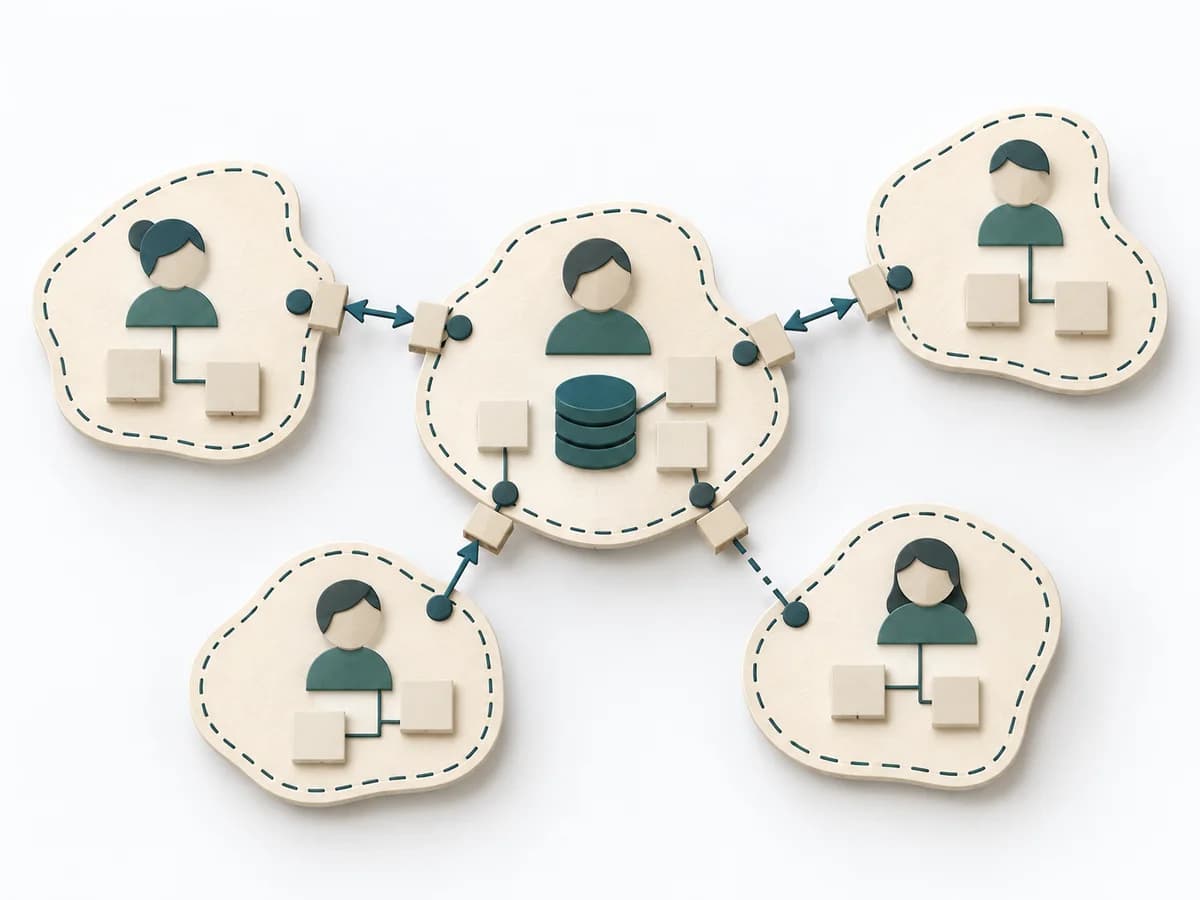
Makes domain boundaries, ownership, and relationships visible so modeling questions and responsibilities get cleanly resolved.
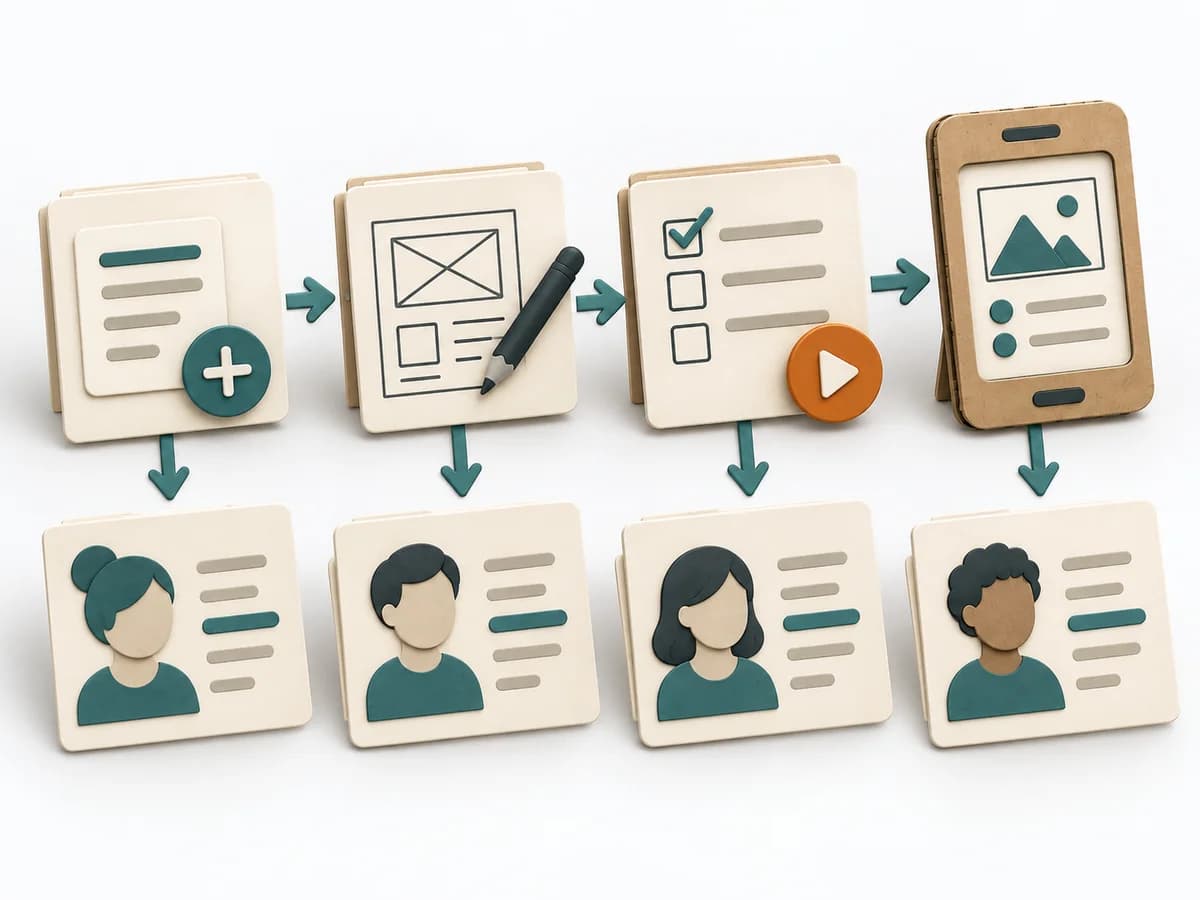
Links events, commands, and views into a flow picture that brings UI, behavior, and implementation together.
Translates domain knowledge into a narrated situation where terms, relationships, and rules are checked together.
Prepares stakeholders, core messages, and artifacts so architecture communication connects deliberately.
Describes the preferred default path for common use cases and adds templates, checks, and exceptions.