
Purpose
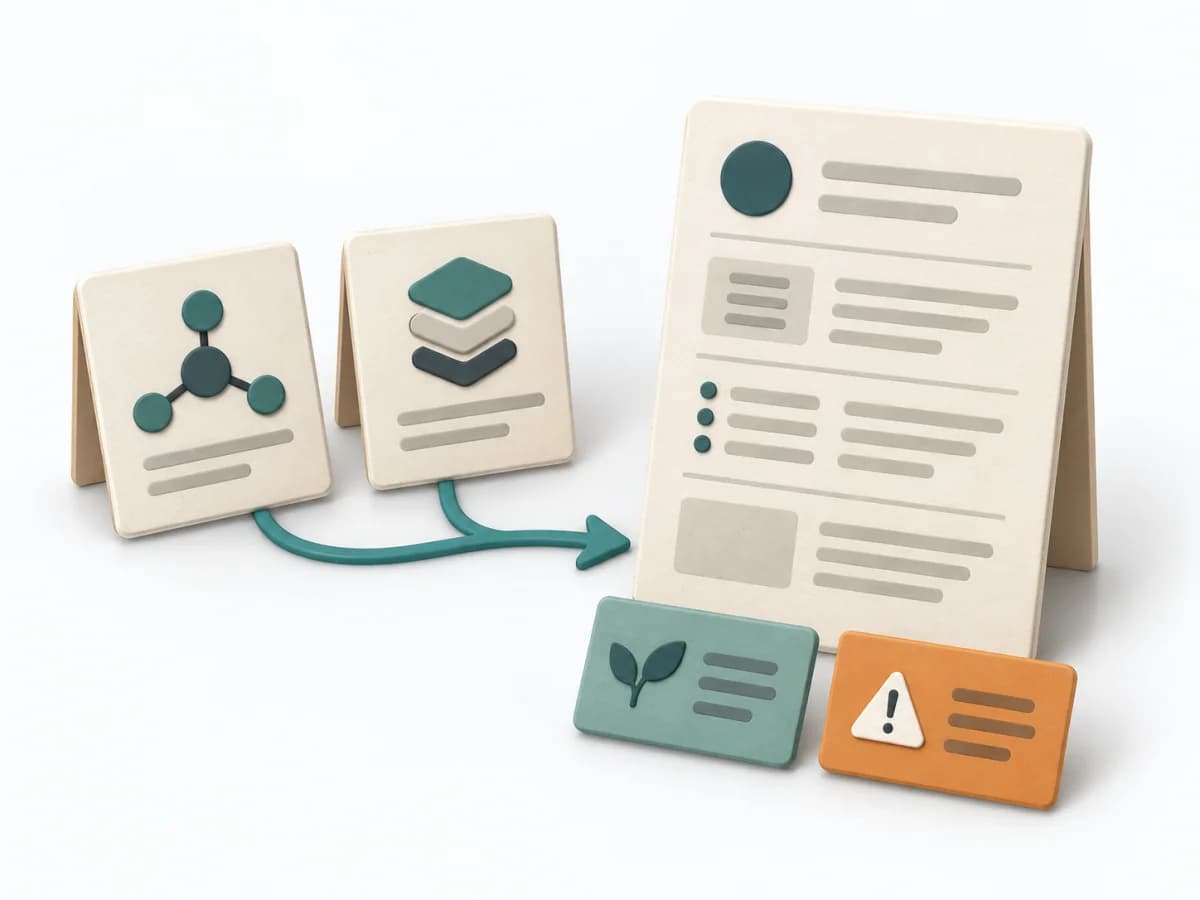
The Architecture Communication Canvas plans architecture communication so the right people receive the right message. The method turns technical complexity into deliberate communication design.
Architecture Canvas
Condenses an existing system into a compact overview for architecture communication.
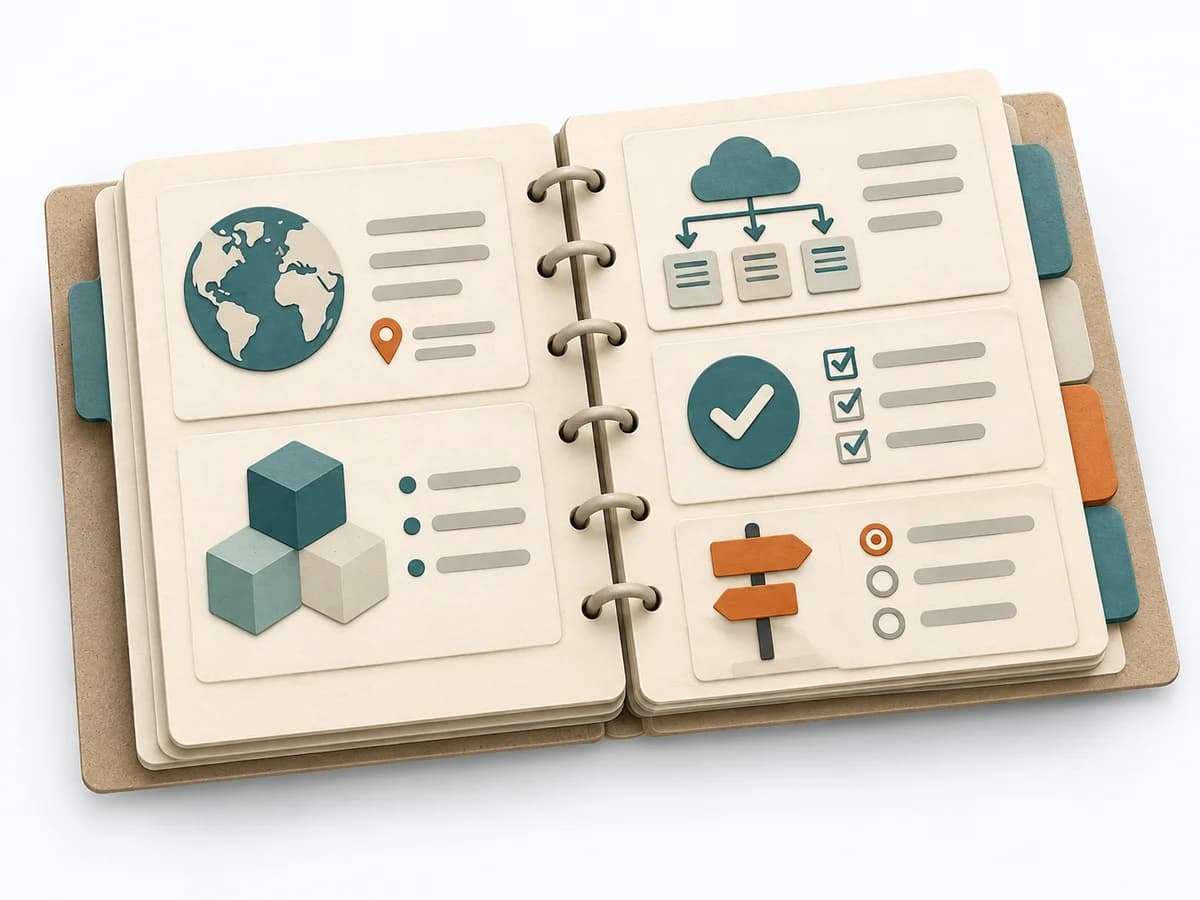
A compact view of an existing system for communication: value, stakeholders, functions, quality, decisions, technologies, context, components and missing information.
What system information must these recipients understand, examine or communicate onward?
What system information must these recipients understand, examine or communicate onward?

Audience
Name the system, author, recipients and date/iteration; decide why they need this compact view.
Context
Fill official fields for value proposition, key stakeholders and business context.
Architecture
Use official fields for functions, quality, decisions, technologies and components/modules.
Risks
Use the official risks and missing information field to identify what readers need next.
Update the work record when new evidence, changed constraints or the planned review changes an assumption.
For architecture communication and shared orientation about an existing system. Not a replacement for detailed technical views or greenfield inception.

The canvas frame contains the system, author, intended recipients, date or iteration, and the purpose of the compact view.

The overview contains official fields for value proposition, key stakeholders, and business context.
The overview summarises functions, quality requirements, decisions, technologies, and components. It records both benefits and drawbacks of decisions.

The overview uses the official risks and missing information field and identifies what readers need next.
Fictional example
Source-defined fields only; use the linked version. The example is fictional and the working canvas begins empty.
What value does the existing system deliver?
Make reservations visible in one place.
Who uses, funds, operates or contributes to the system?
Customers use it; operations runs it; confirm responsibility.
What are its most important functions?
Show availability and record a reservation.
Which quality concerns matter?
Status consistency matters; no numeric target without evidence.
Which decisions shaped the current system?
Use of a payment adapter is an example to verify.
Which technologies are used for development and operation?
Leave unknown until repository or owner verifies.
What are important external interfaces or neighbor systems?
Payment service is a neighboring system.
What are the major building blocks?
Reservation service and booking module.
What risks or missing facts impede understanding?
Timeout recovery and authoritative availability source need research.
Use the official Architecture Communication Canvas field structure and name the intended audience.
The Architecture Communication Canvas plans architecture communication so the right people receive the right message. The method turns technical complexity into deliberate communication design.
The team first defines audiences, communication goals, and core messages. Then it chooses fitting artifacts, channels, and timing so content stays connectable. The result is a plan that doesn't just describe architecture but conveys it effectively.
The Architecture Communication Canvas translates architecture knowledge into audience-appropriate communication. Instead of treating all details equally, it connects stakeholders, their decisions, information needs, and suitable artifacts. This makes it visible which message should be carried by which model, diagram, or document. A focused communication plan emerges from scattered architecture information.
Prepare stakeholder groups, current architecture artifacts, and the communication occasion. Guide the team from goal and audience to message and format first. A common pitfall is too much technical detail; park details that are not decision-relevant for the current audience.
The method guide walks execution through 4 phases, timing, 4 pitfalls, and clear stop criteria.
Open method guideYour perspective
Your feedback helps shape the next improvements to methodatlas.
Plan a session or initiative to match the actual scope of work.
To be confirmed
To be confirmed
Prepare the full method Time: 60–120 minutes for a prepared overview; factual research is separate.
Complete this worksheet on paper or in your own document during the work.
What value does the existing system deliver?
...
Who uses, funds, operates or contributes to the system?
...
What are its most important functions?
...
Which quality concerns matter?
...
Which decisions shaped the current system?
...
Which technologies are used for development and operation?
...
What are important external interfaces or neighbor systems?
...
What are the major building blocks?
...
What risks or missing facts impede understanding?
...
Architecture Communication Canvas (official PDF)
Expected artifact: Audience-focused canvas frame
Audience-focused canvas frame
Entry:
...
Expected artifact: Shared system and stakeholder view
Shared system and stakeholder view
Entry:
...
Expected artifact: Compact architecture of existing system
Compact architecture of existing system
Entry:
...
Expected artifact: Readable overview with knowledge gaps
Readable overview with knowledge gaps
Entry:
...
...
Method guide: https://methodatlas.meierhoff-systems.de/en/methods/architecture-communication-canvas/run-sheet
Fitting alternatives with decision guidance, followed by other related methods.
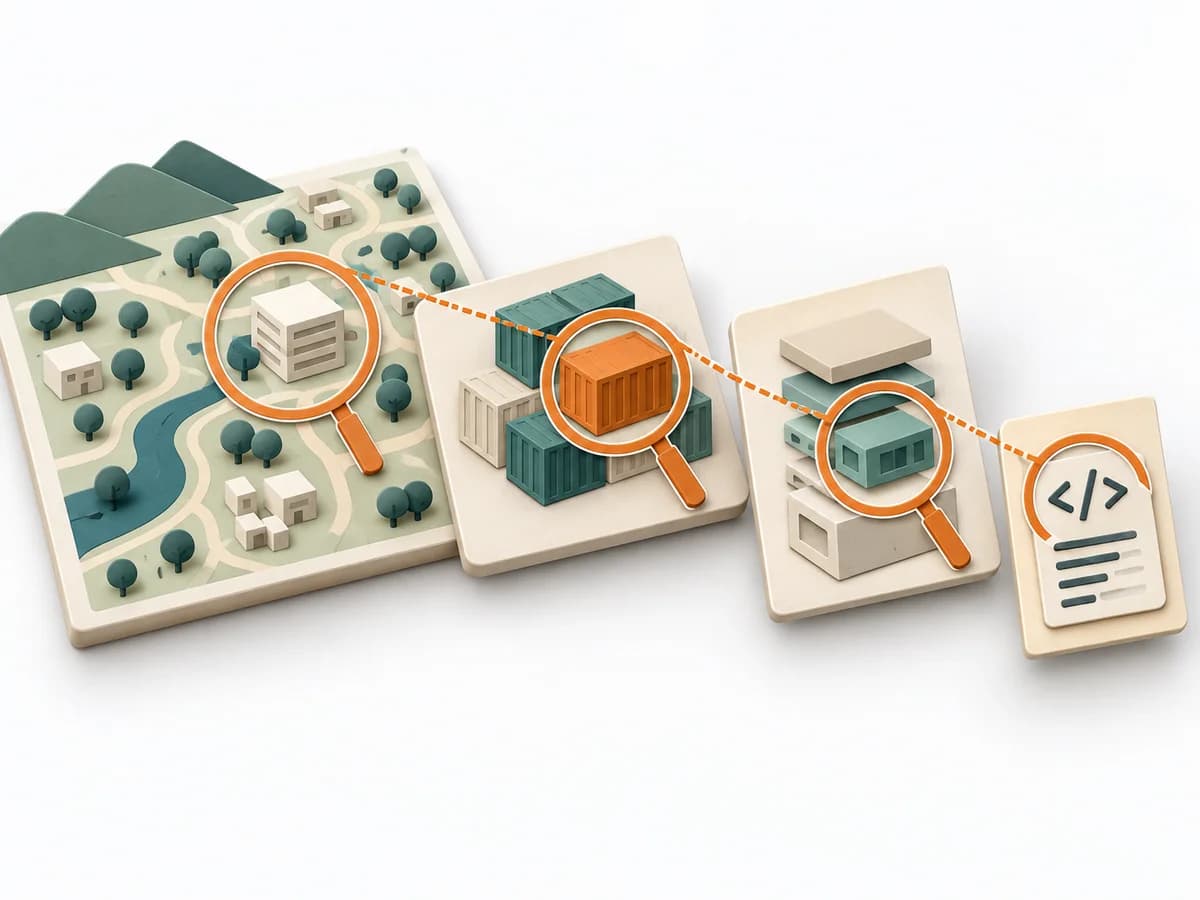
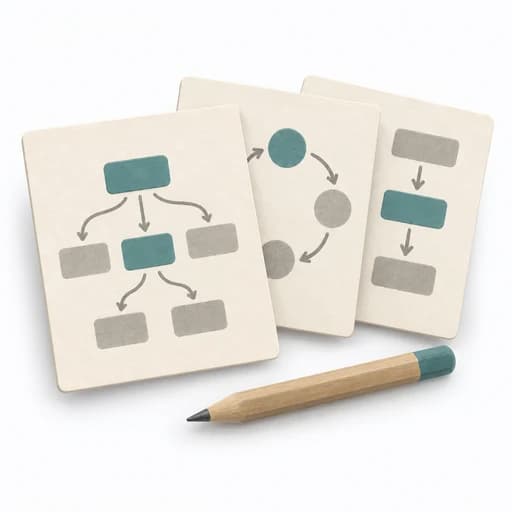
Instead of Architecture Communication Canvas, when you want to explain architecture through clearly separated views for different audiences.

Connects several views of large systems and keeps cross-view information for the overall picture.
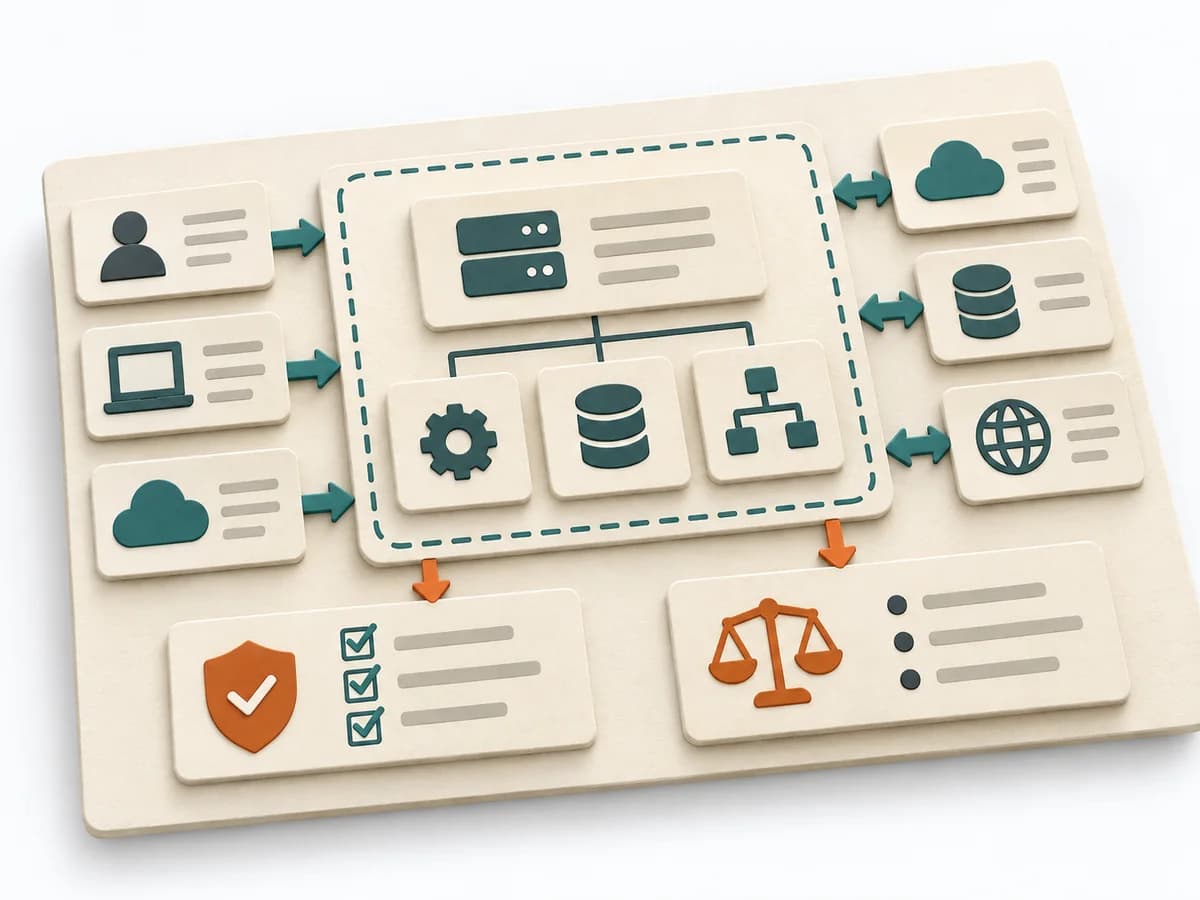
Gathers system goals, constraints, and building blocks into a compact view for early architecture decisions.
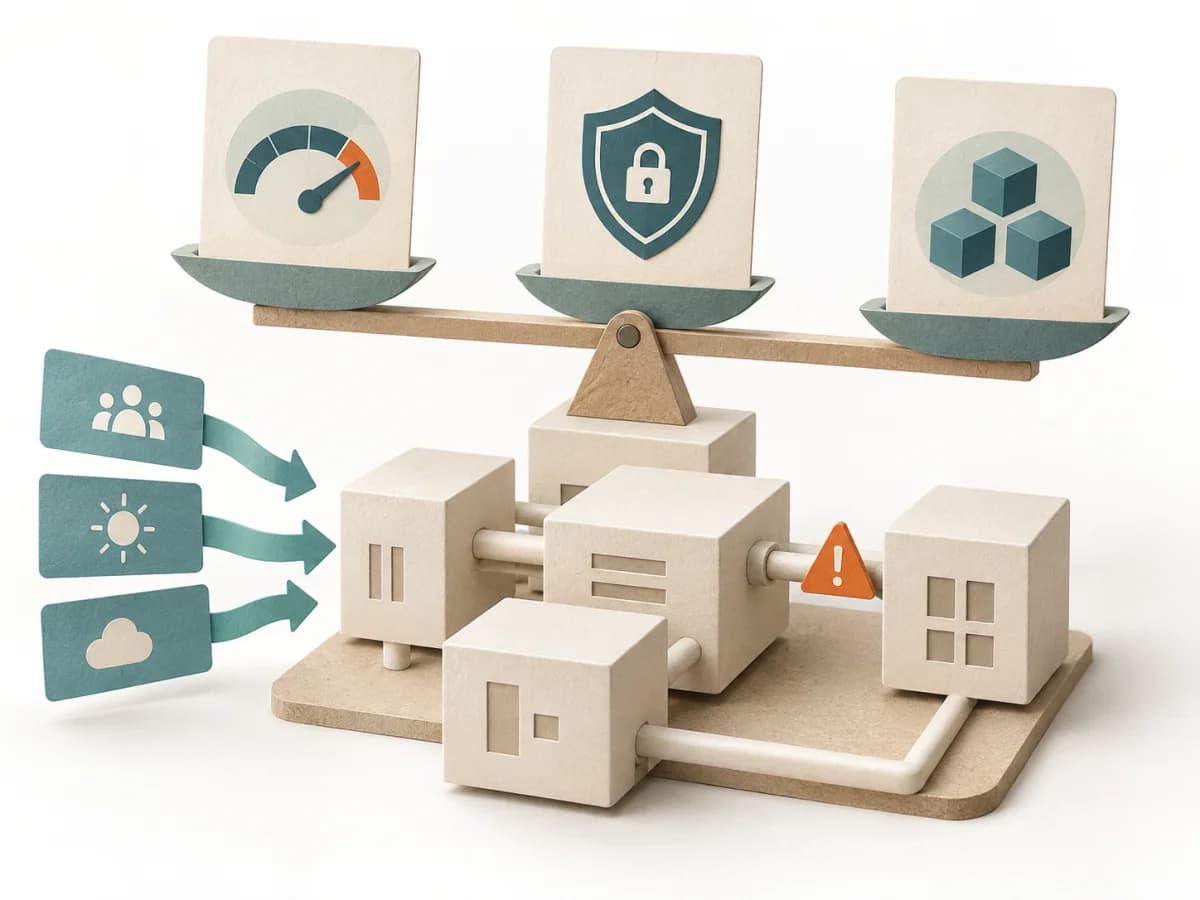
Examines how architecture decisions support important quality goals and makes risks and trade-offs visible.
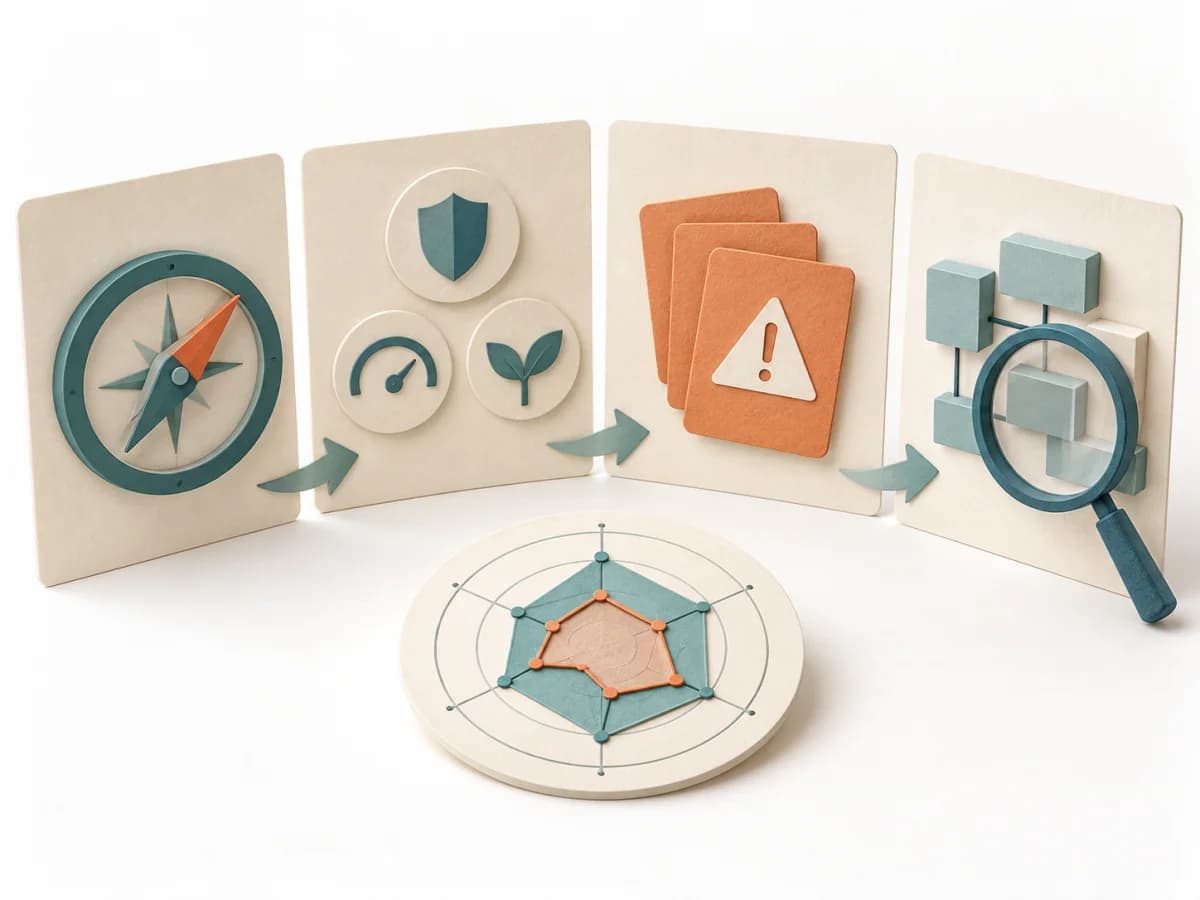
Helps a small team assess the main quality risks in its software and choose where to investigate further.

Uses concrete tasks to show how well an architecture supports use and change.