Purpose
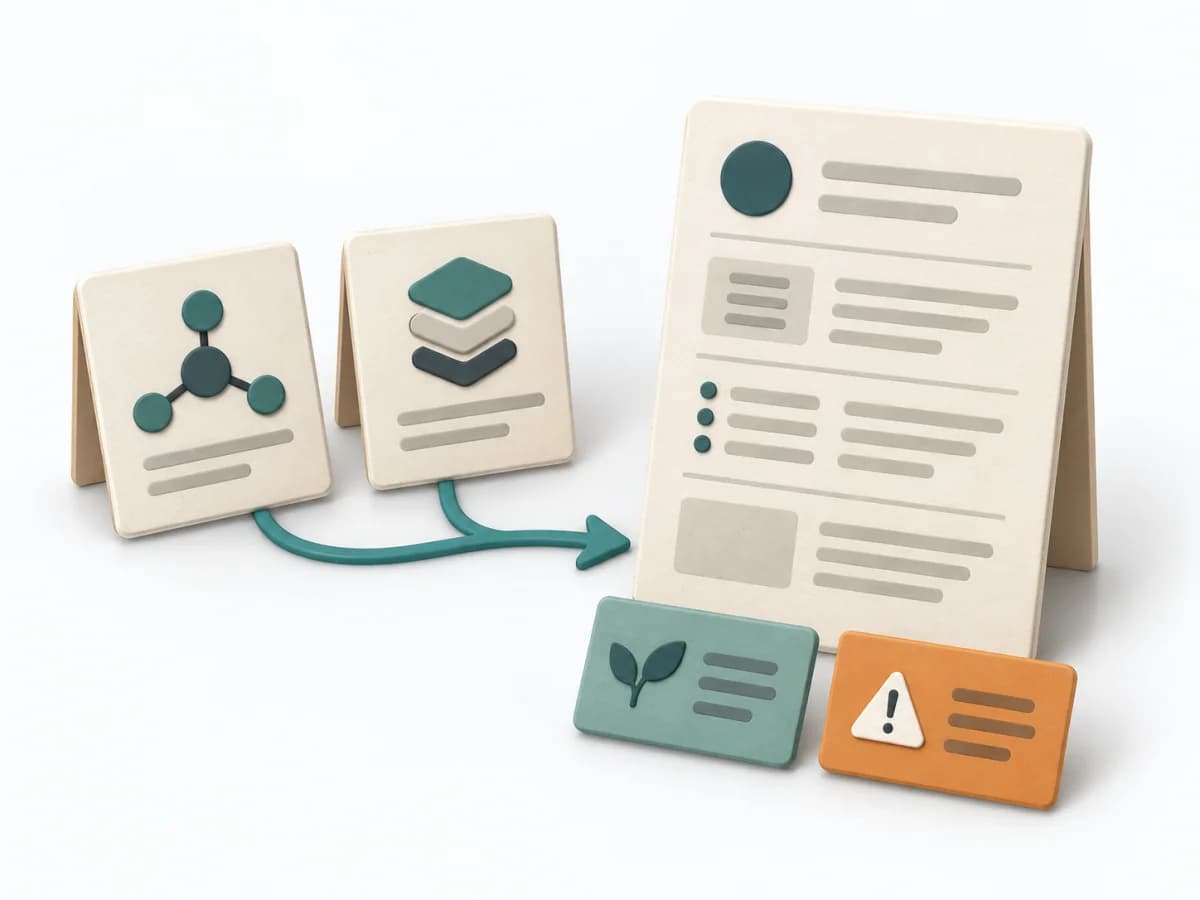
When a business context is still loosely outlined, it shapes language, responsibility, and integration space. It clarifies what belongs together and where a boundary needs to hold.
Domain Modeling Canvas
Clarifies a domain boundary, language, responsibility and integration points before teams commit to a model.
Clarifies a domain boundary, language, responsibility and integration points before teams commit to a model.
Where should this domain boundary sit, and how will contexts collaborate?
The steps are a practical sequence; adapt them to the method’s purpose and available evidence.
Name
Give the bounded context a domain name and state the responsibility fulfilled by its model.
Language
Define key terms locally with an example and rule; make synonyms or ambiguity explicit.
Interface
List domain inputs and outputs with producer, consumer, contract and change cadence.
Boundary
Check neighbouring contexts, upstream/downstream influence and translation needs; assign owners to open boundary questions.
Revisit the model when evidence, context or outcomes change. Record what changed and why.
Use it when: DDD Context Design, Microservice Boundaries. The group can provide the evidence and authority the method requires.
Domain responsibility, local language, model and interfaces for one context.
The artifact records scope, date, participants, source version, and owner, including changed assumptions and the reason for each revision.
Fictional example
Fictional, “Scheduling” context: responsibility: offer and confirm bookable times. Language: slot = period released by the practice; appointment = confirmed booking. Input: patient and practice IDs, requested period. Output: confirmed booking or rejection. Neighbours: practice management provides availability; notifications receive confirmed appointments. Open boundary: which system owns cancellation status?
Name the domain context.
Fictional: Scheduling
What business purpose does this context serve?
Fictional: Offer and confirm bookable times.
Core, Supporting or Generic; justify value and evolution.
Fictional: Supporting; Product evolution is a hypothesis.
Which domain role does the context perform?
Fictional: Execution context for reservations.
Which messages and collaborators send information in?
Fictional: Practice system sends available slots.
Which commands, events or queries go out?
Fictional: AppointmentConfirmed to notifications.
Which local terms and definitions apply?
Fictional: Slot = time period released by practice.
Which domain rules or policies apply?
Fictional: A conflicting booking is rejected.
Which model assumptions are unverified?
Fictional: Synchronization refreshes slots before booking.
Which signals test whether the context boundary fits?
Fictional: Observe conflict rate and manual intervention.
What remains open and who will investigate?
Fictional: Which context owns cancellation status?
Give the bounded context a domain name and state the responsibility fulfilled by its model.
When a business context is still loosely outlined, it shapes language, responsibility, and integration space. It clarifies what belongs together and where a boundary needs to hold.
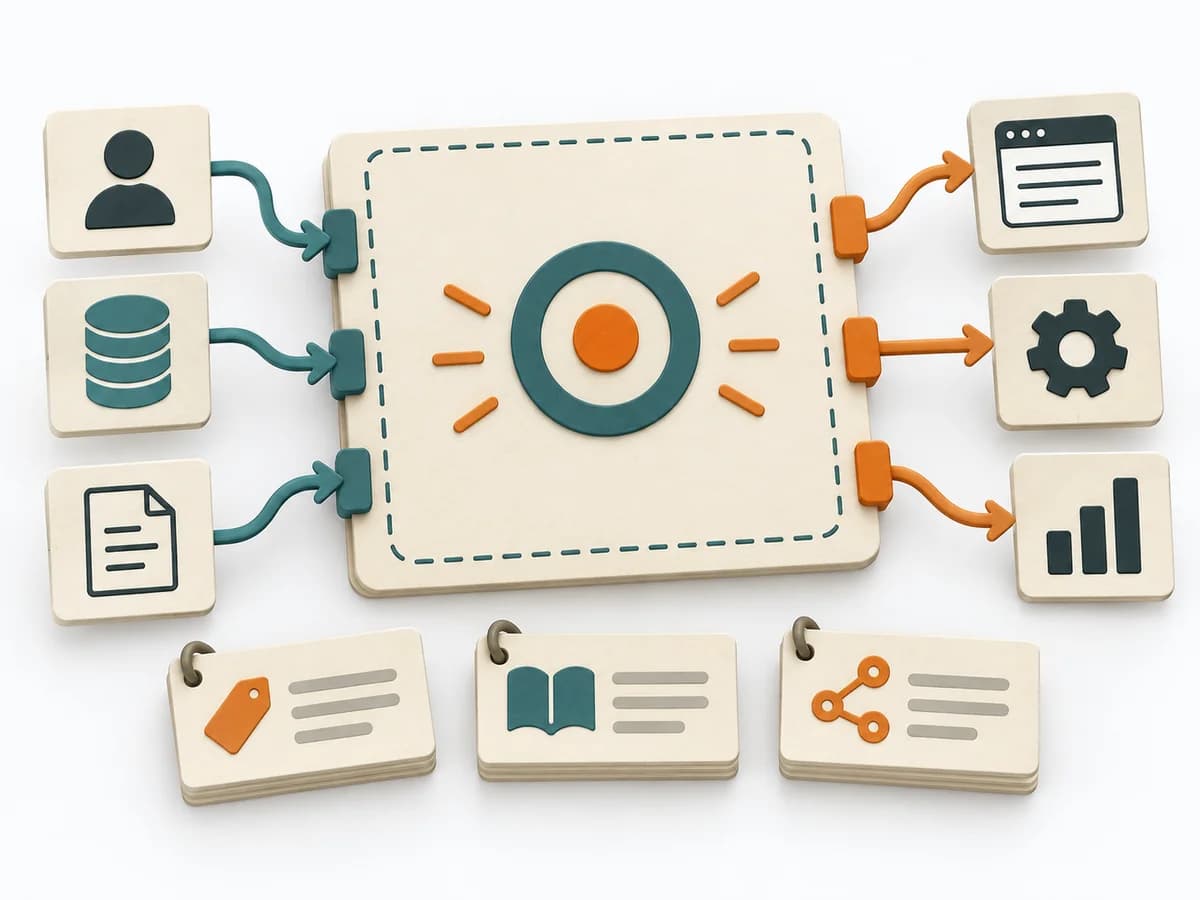
It condenses context, terms, inbound and outbound interfaces, and ownership into one compact view. This quickly surfaces interfaces, risks, and dependencies without unnecessarily inflating the domain.
The canvas works strongly because it forces language, responsibility, and interfaces into one shared frame, grounding vague architecture conversations in the business. It becomes effective only once every field carries a solid statement about ownership, inbound and outbound interfaces, or model boundaries. Filled in mechanically it produces an illusion of completeness; used carefully it exposes conflicts before teams or integrations fail because of them.
Prepare concrete domain examples, key terms, and known handoffs between teams in advance so the fields don't stay abstract. The key moment comes when it becomes unclear whether something belongs inside or outside. Close with a few boundary decisions, open interface questions, and a next check against the real system.
The method guide walks execution through 4 phases, timing, 4 pitfalls, and clear stop criteria.
Open method guideYour perspective
Your feedback helps shape the next improvements to methodatlas.
Prepare the decision, source evidence and next review.
To be confirmed
To be confirmed
Run the method Time: See catalog planning range; no universal duration.
Complete this worksheet on paper or in your own document during the work.
Name the domain context.
...
What business purpose does this context serve?
...
Core, Supporting or Generic; justify value and evolution.
...
Which domain role does the context perform?
...
Which messages and collaborators send information in?
...
Which commands, events or queries go out?
...
Which local terms and definitions apply?
...
Which domain rules or policies apply?
...
Which model assumptions are unverified?
...
Which signals test whether the context boundary fits?
...
What remains open and who will investigate?
...
Bounded Context Canvas · DDD Crew
Expected artifact: Context name and purpose
Context name and purpose
Entry:
...
Expected artifact: Ubiquitous language and core model
Ubiquitous language and core model
Entry:
...
Expected artifact: Interface overview
Interface overview
Entry:
...
Expected artifact: Context canvas with resolved and open points
Context canvas with resolved and open points
Entry:
...
...
Method guide: https://methodatlas.meierhoff-systems.de/en/methods/bounded-context-canvas/run-sheet
Fitting alternatives with decision guidance, followed by other related methods.
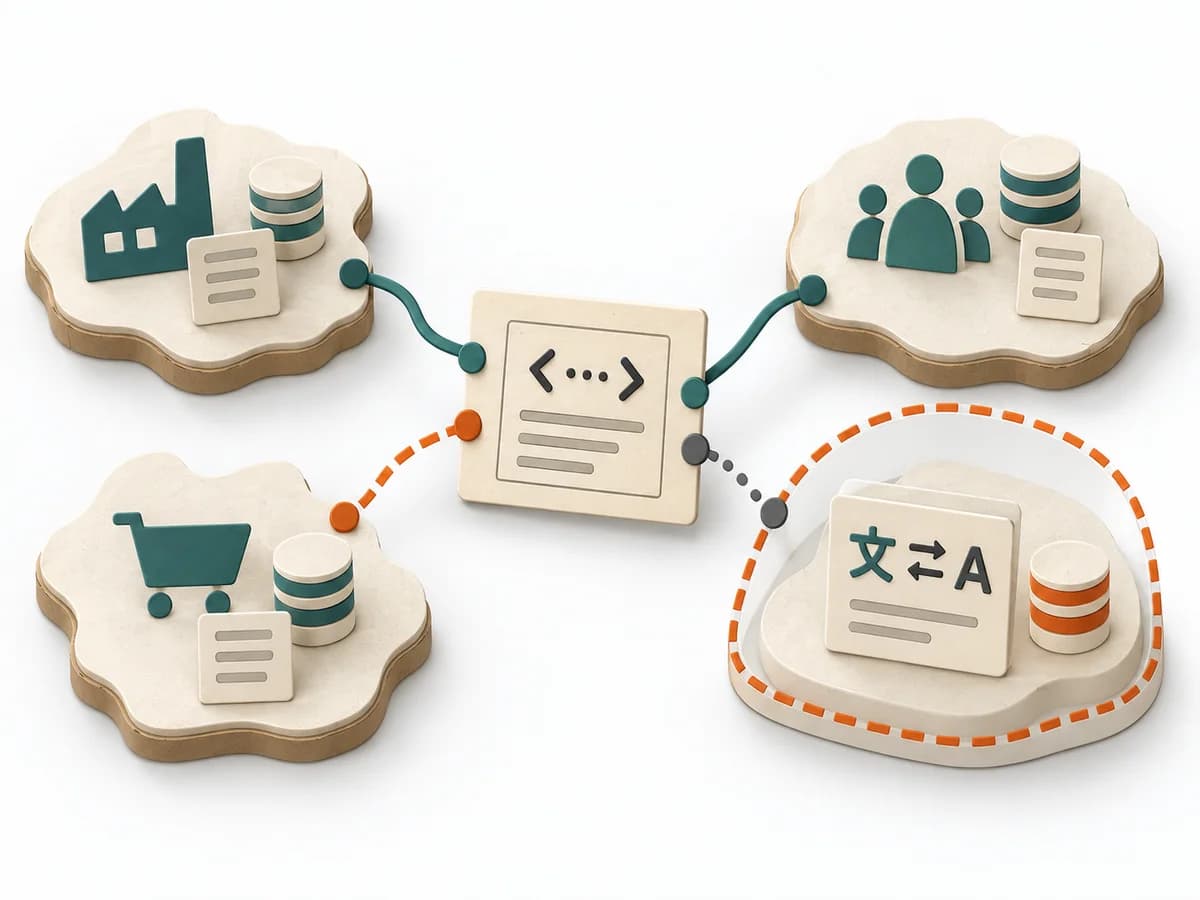
Instead of Bounded Context Canvas, when you want to map contexts, dependencies, and integration relationships as a system map.
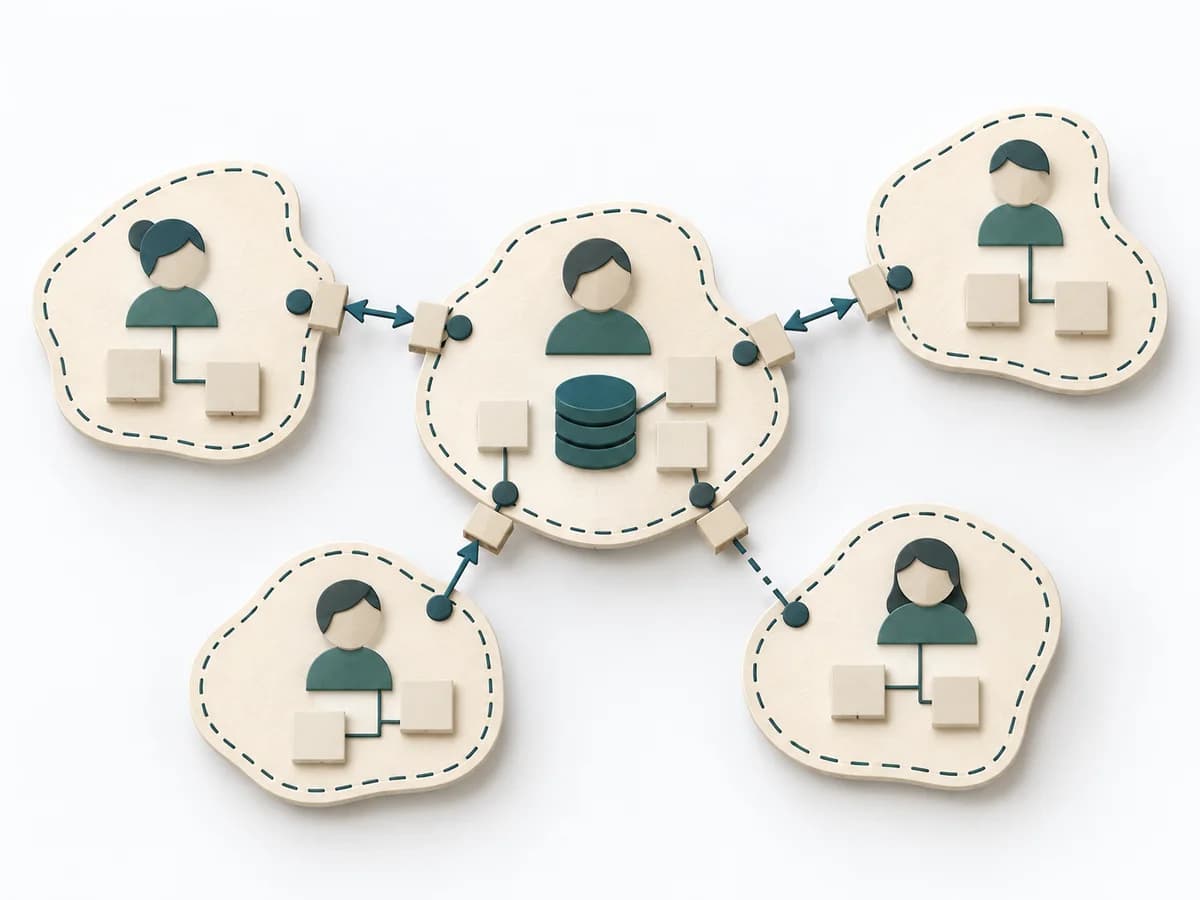
Makes domain boundaries, ownership, and relationships visible so modeling questions and responsibilities get cleanly resolved.
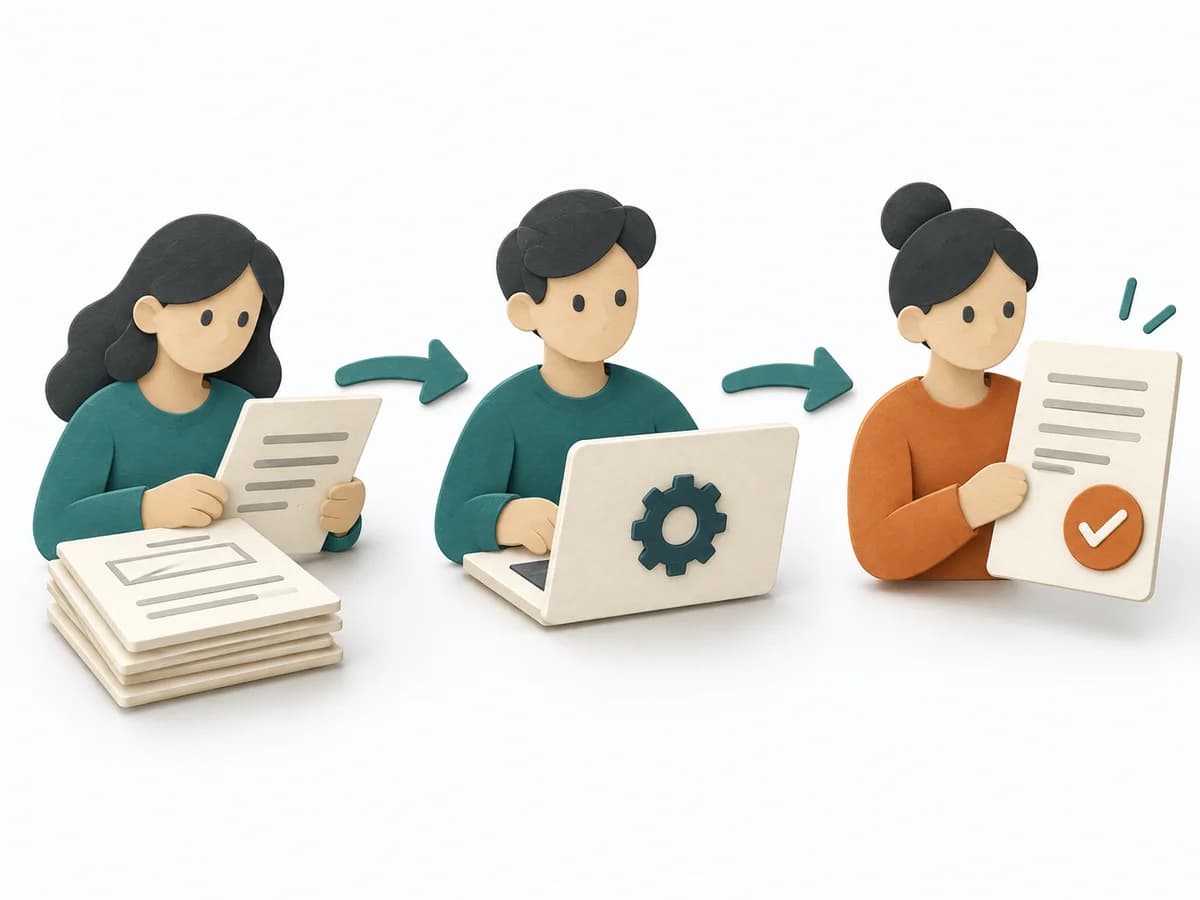
Translates domain knowledge into a narrated situation where terms, relationships, and rules are checked together.
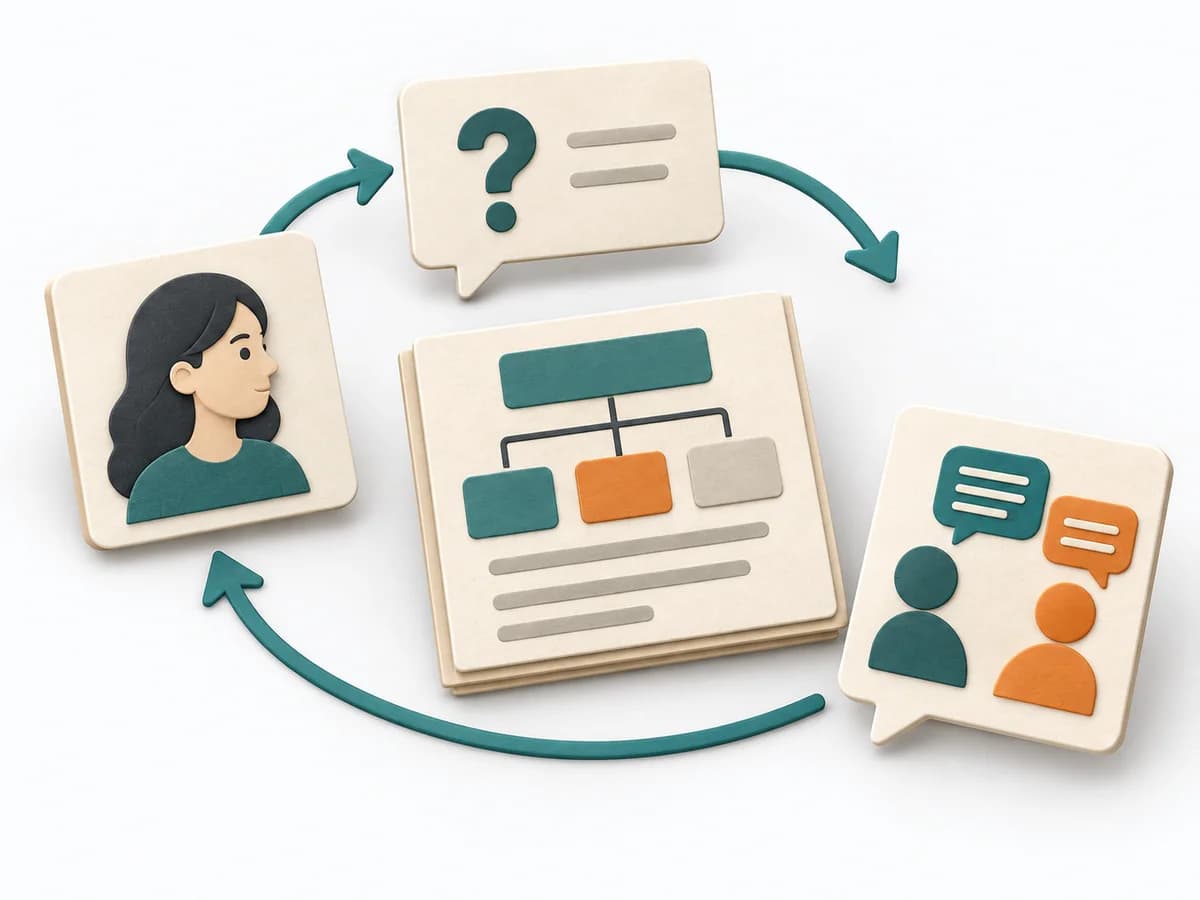
Prepares stakeholders, core messages, and artifacts so architecture communication connects deliberately.
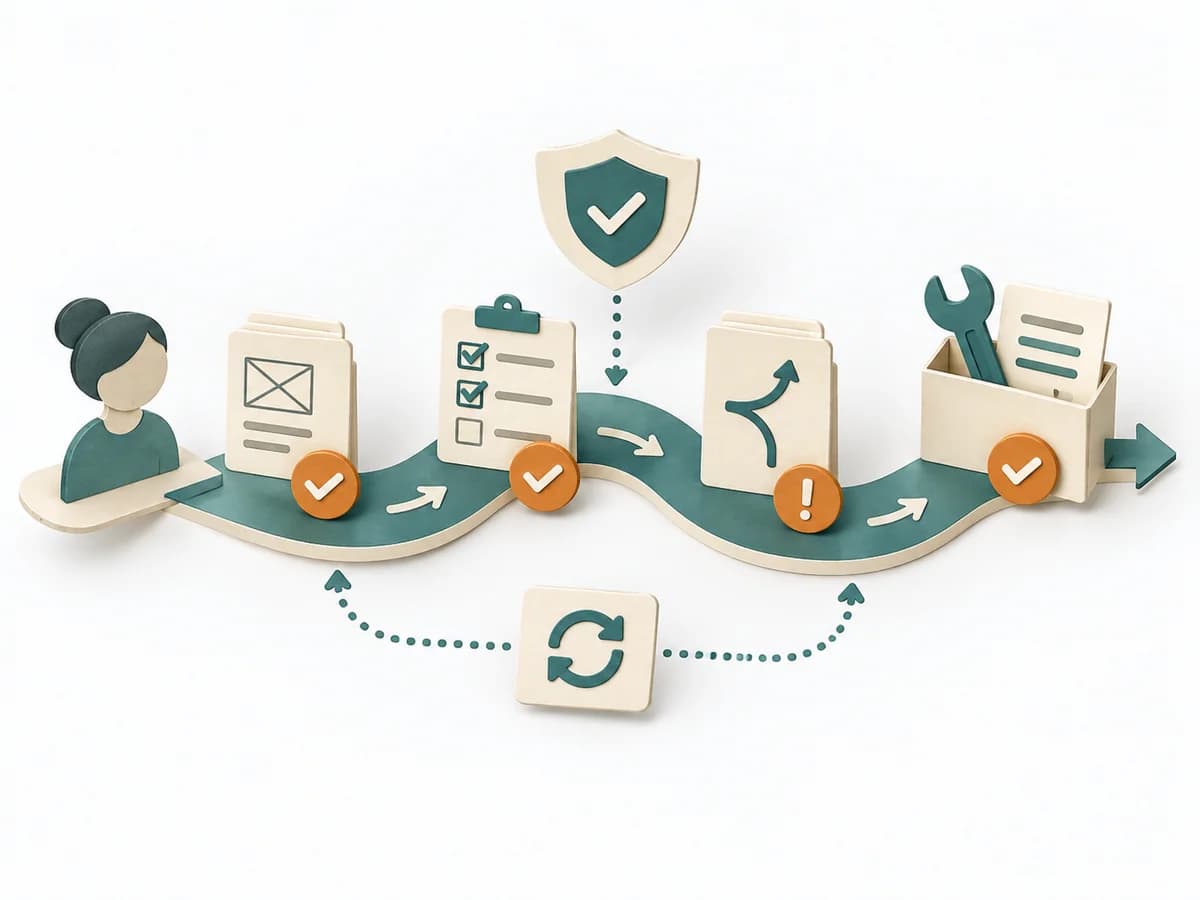
Describes the preferred default path for common use cases and adds templates, checks, and exceptions.
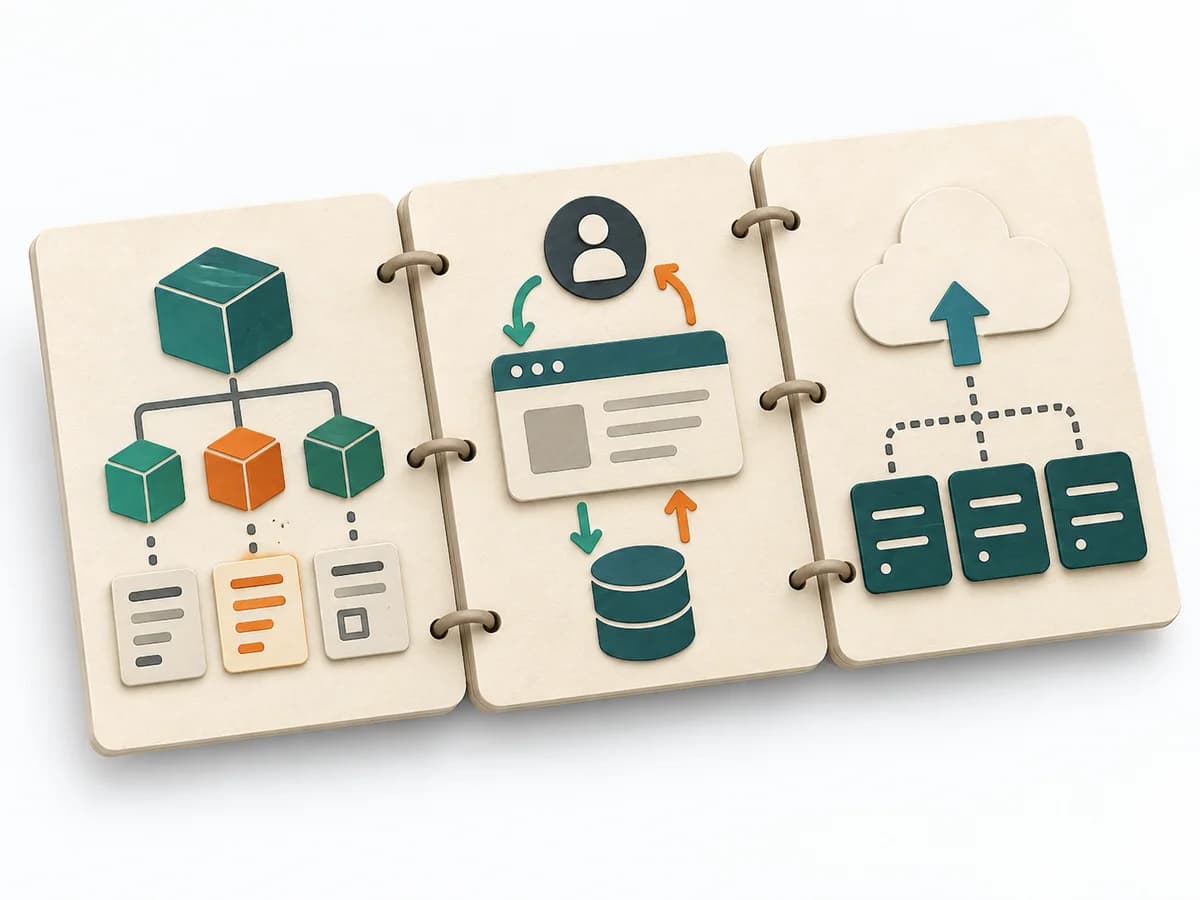
Connects several views of large systems and keeps cross-view information for the overall picture.