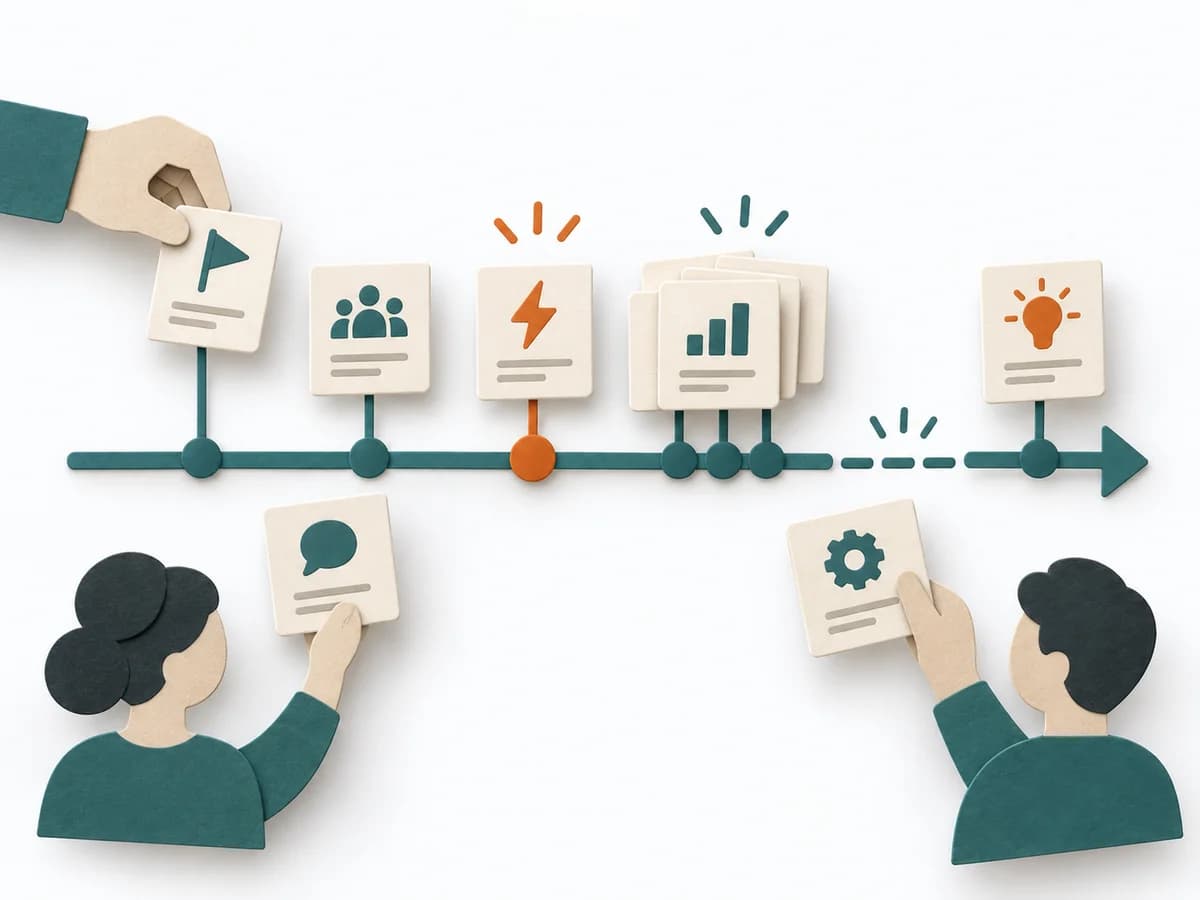
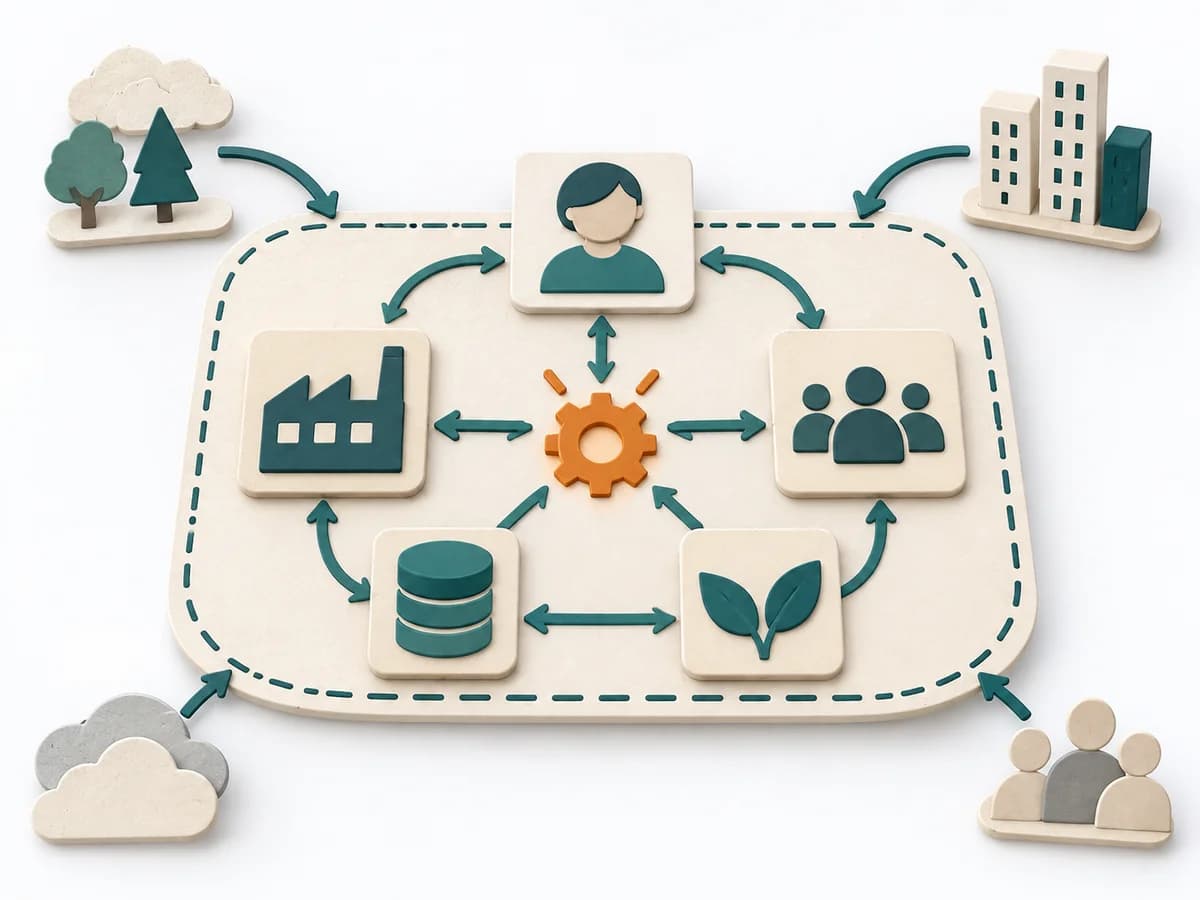
Purpose
The Iceberg Model separates visible events from patterns, structures, and mental models. This turns a single observation into a deeper understanding of why a problem keeps recurring.
Systems Thinking Analysis method
Moves from a concrete event through evidenced patterns to possible system structures and assumptions.
The Iceberg Model moves from a concrete event through evidenced patterns to possible system structures and assumptions.
Which conditions produce a recurring pattern, and which assumption keeps it in place?
Which conditions produce a recurring pattern, and which assumption keeps it in place?

Event
Describe a visible occurrence, when it happened, context and source without asserting a cause.
Patterns
Compare periods, distributions and counterexamples; state what recurs and what remains uncertain.
Structure
Examine rules, incentives, resources, processes and relationships; distinguish findings from hypotheses.
Assumptions
Ask which beliefs or goals sustain the structure; choose a bounded intervention and observation signal.
Update the work record when new evidence, changed constraints or the planned review changes an assumption.
Useful for recurring problems with multiple plausible causes and access to different perspectives. For an acute isolated incident, begin with incident analysis.

Description of a visible occurrence, when it happened, context and source without asserting a cause.

Comparison of periods, distributions, and counterexamples, with recurring and uncertain elements marked.

Examination of rules, incentives, resources, processes, and relationships that may generate the pattern, with findings separated from hypotheses.

Beliefs or goals that sustain the structure, together with a bounded intervention and observation signal.
Fictional example
The iceberg is a discussion frame; keep observations and causal hypotheses distinct.
What happened, when, and according to which source?
18 late callbacks reported on a fictional Monday; the report covers one day.
What is recurring across a stated period?
A fictional sample suggests post-holiday delays; data completeness needs checking.
Which rules, resources or relationships might produce the pattern?
Callback batching with unchanged staffing is a hypothesis to verify.
Which belief or goal may sustain the structure?
“We can catch up tomorrow” is an assumption to examine, not a fact.
The iceberg is a discussion frame; keep observations and causal hypotheses distinct.
Choose an event and record source, period and system boundary.
The Iceberg Model separates visible events from patterns, structures, and mental models. This turns a single observation into a deeper understanding of why a problem keeps recurring.
Starting from concrete events or symptoms, the questioning goes deeper layer by layer. Patterns, structures, and mental models are separated from each other so it becomes clear at which level an intervention actually needs to start.
The Iceberg Model helps because it distinguishes between events, patterns, structures, and mental models, slowing down premature reaction to symptoms. Good use forces the team to work beneath the visible surface and fill every layer with observations or plausible mechanisms. This clarifies which deeper assumptions or structures carry a recurring problem and why mere reaction to events rarely suffices.
Start with a concrete visible event that evokes the same memory for everyone, then deliberately work one layer deeper. The decision gains substance once a pattern can no longer be explained by individual mistakes and structure becomes visible instead. Close with a shared reading of the deepest relevant layer and the points where further evidence is missing.
The method guide walks execution through 4 phases, timing, 4 pitfalls, and clear stop criteria.
Open method guideYour perspective
Your feedback helps shape the next improvements to methodatlas.
Plan a session or initiative to match the actual scope of work.
To be confirmed
To be confirmed
Prepare the full method Time: 30–60 minutes for an initial group analysis; data review and intervention are separate.
Complete this worksheet on paper or in your own document during the work.
What happened, when, and according to which source?
...
What is recurring across a stated period?
...
Which rules, resources or relationships might produce the pattern?
...
Which belief or goal may sustain the structure?
...
Blank worksheet: prompts only; do not copy example data.
Introduction to Systems Thinking
Expected artifact: Shared, verifiable starting point
Shared, verifiable starting point
Entry:
...
Expected artifact: Evidenced or explicitly tentative trend
Evidenced or explicitly tentative trend
Entry:
...
Expected artifact: Structural hypotheses and evidence needs
Structural hypotheses and evidence needs
Entry:
...
Expected artifact: Intervention hypothesis with feedback
Intervention hypothesis with feedback
Entry:
...
...
Method guide: https://methodatlas.meierhoff-systems.de/en/methods/iceberg-model/run-sheet
Fitting alternatives with decision guidance, followed by other related methods.
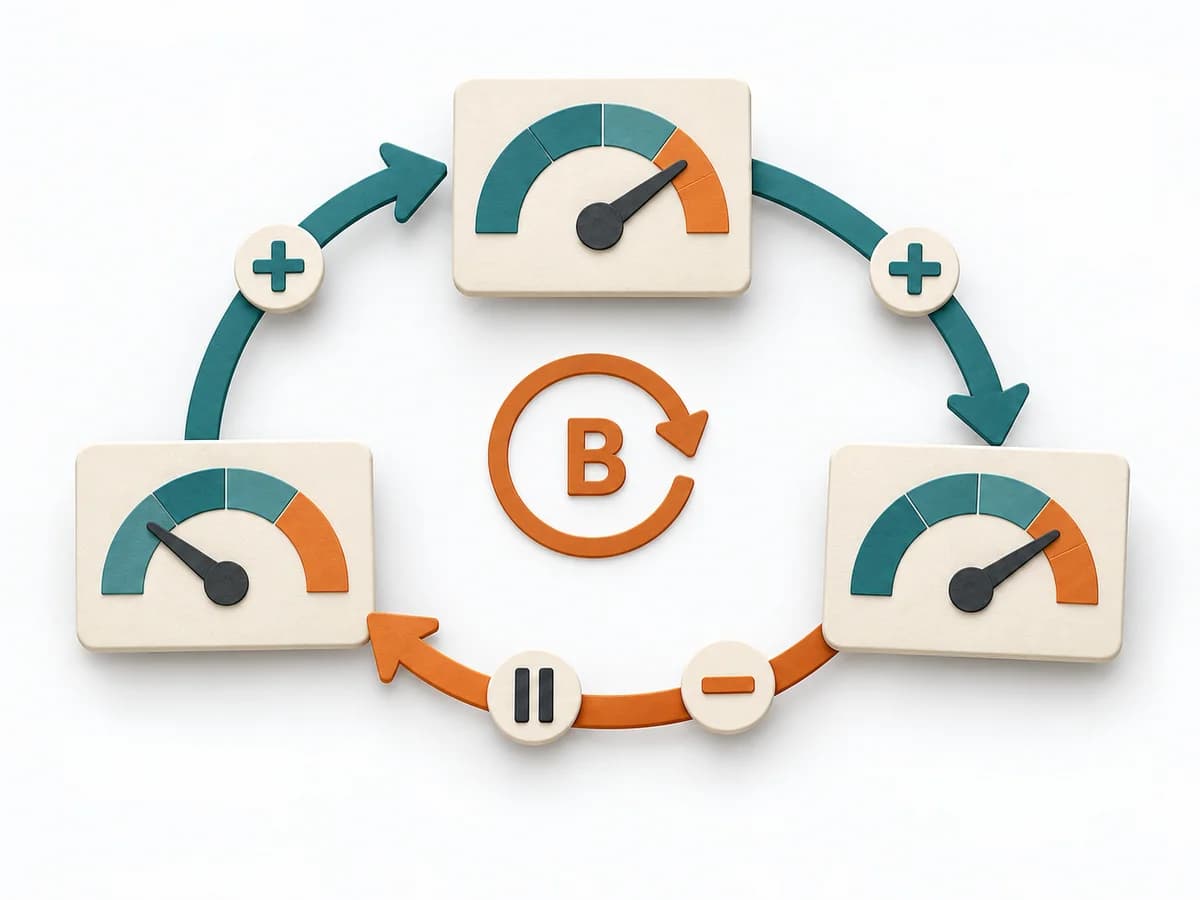
Instead of Iceberg Model, when you want to make feedback loops, delays, and reinforcing loops in the system visible.
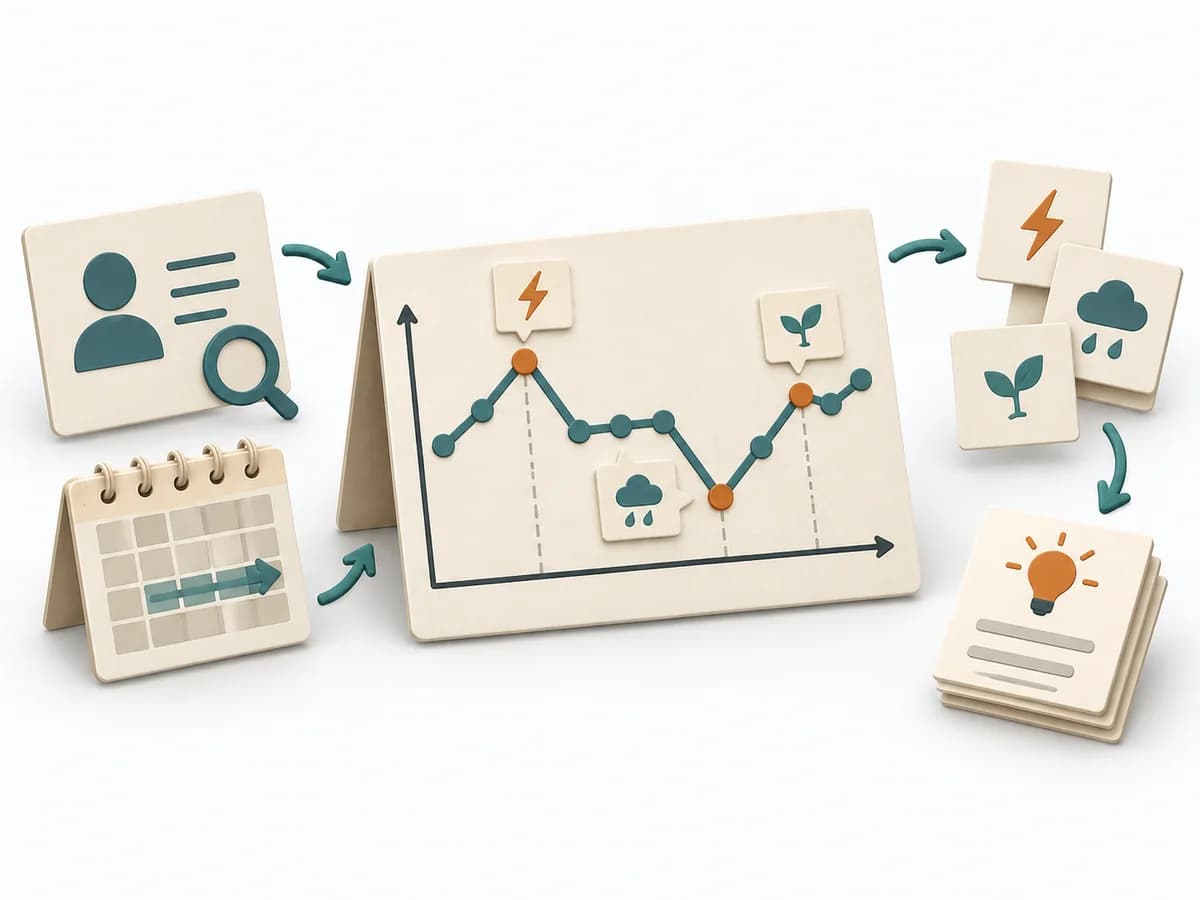
Traces developments over time and reveals turning points, patterns, and possible causes of a trend.

Moves relationships, patterns, and leverage toward a concrete result through "formulate current observations", "introduce archetype cards", and "discuss leverage and derive actions".
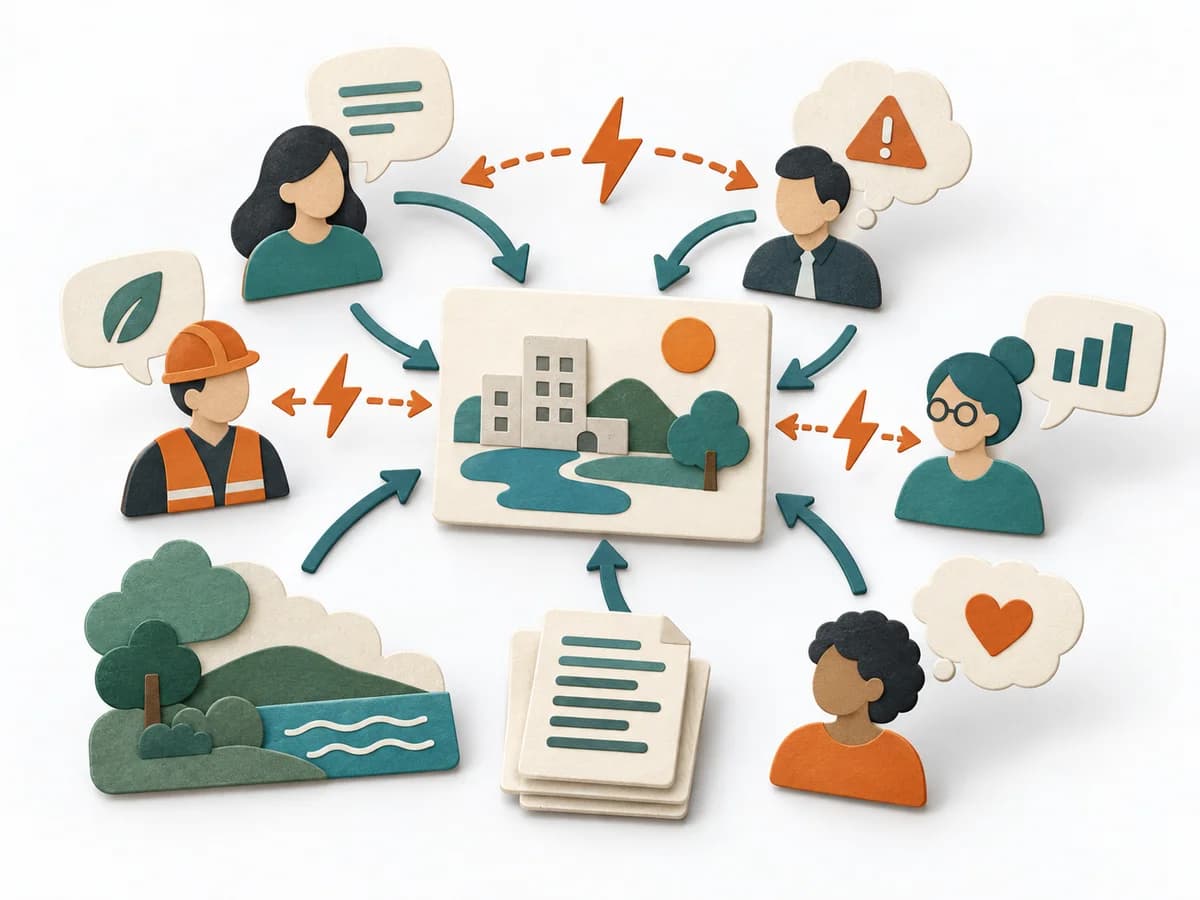
Makes an unclear problem situation visible with actors, tensions, and flows before premature solutions emerge.
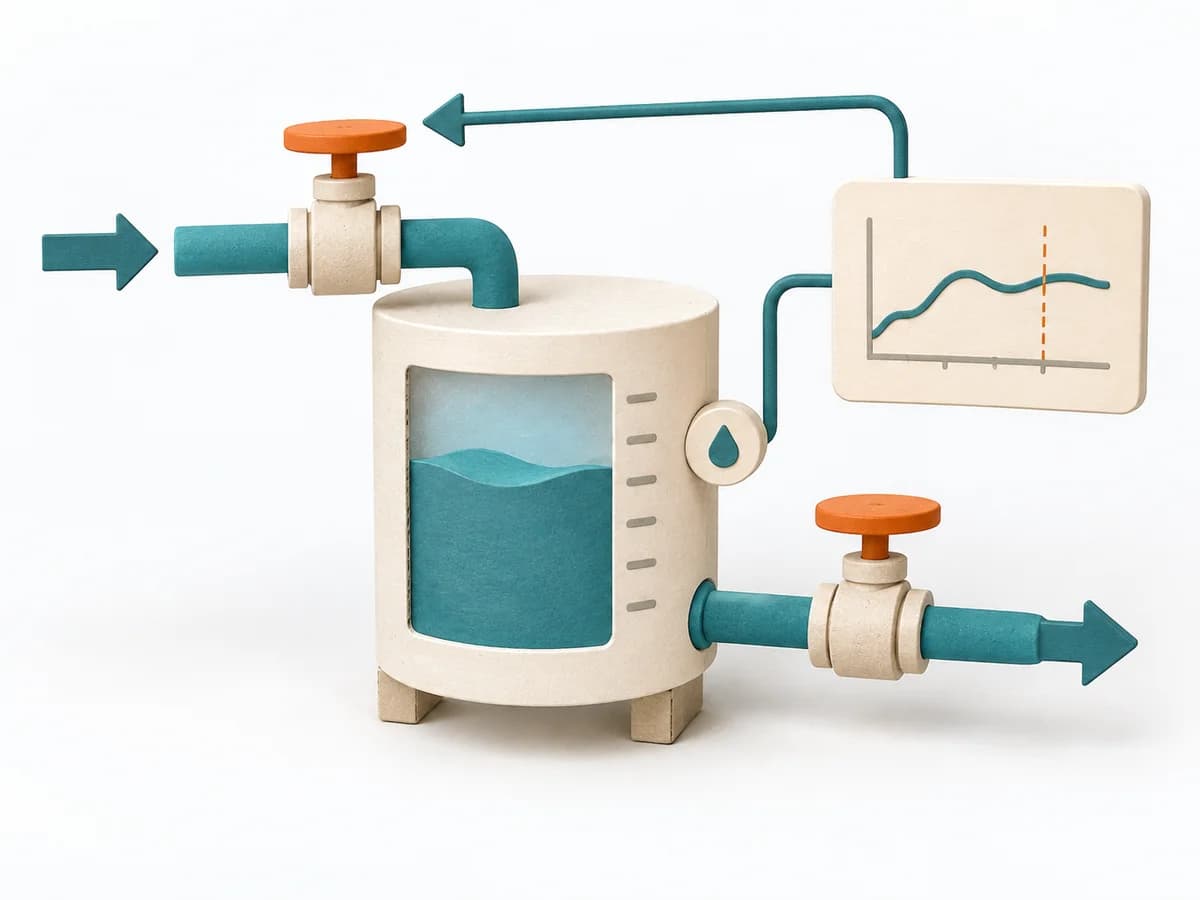
Models stocks, inflows and outflows, and delays to understand dynamics, bottlenecks, and capacity.
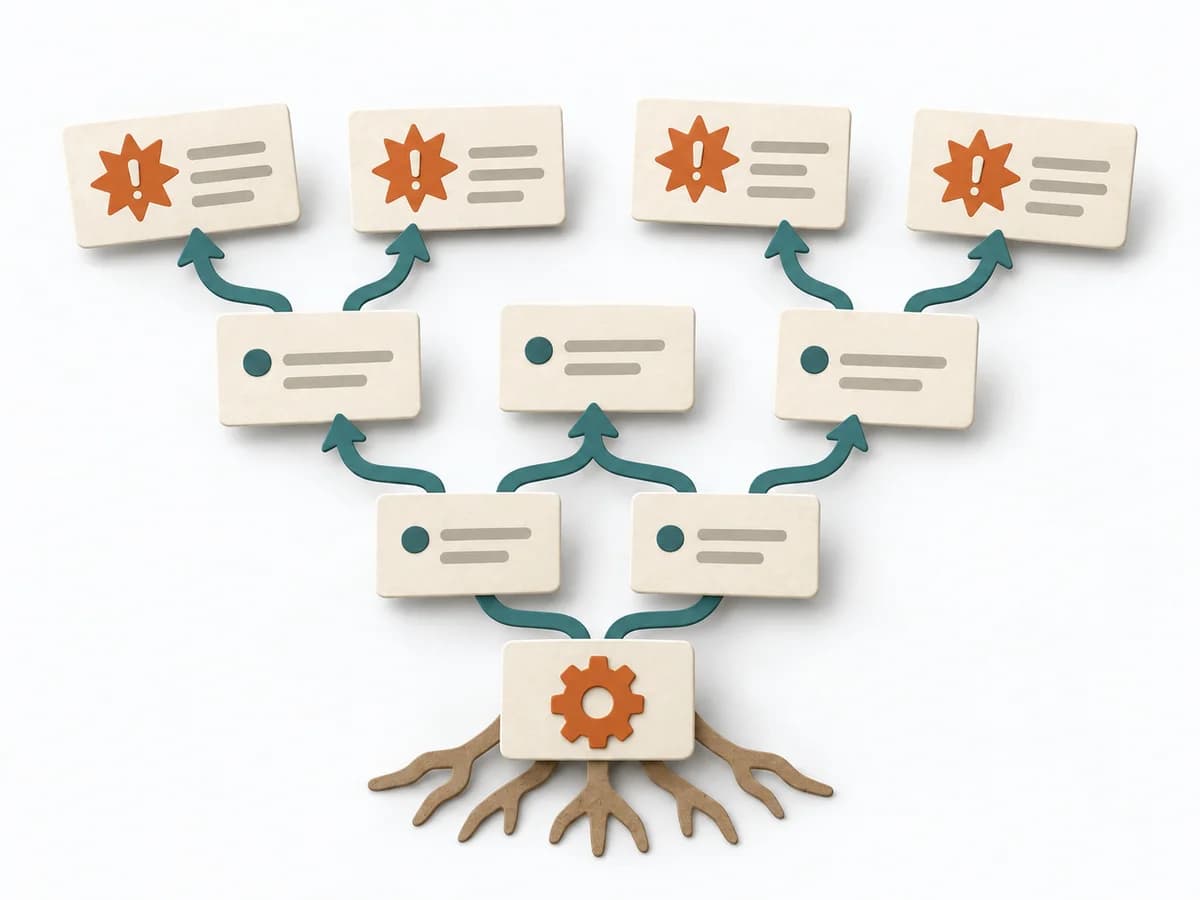
Clarifies connections, patterns, and leverage points by collecting undesirable effects, formulating causal links, and deriving interventions.
