Purpose
Systems Mapping arranges elements, relationships, and boundaries so a complex field becomes legible at a glance. The overview stabilizes the overall picture before detail work or steering begins.
Systems Thinking Mapping tool
Shows a system’s components, environment, and chosen boundary from a stated perspective.
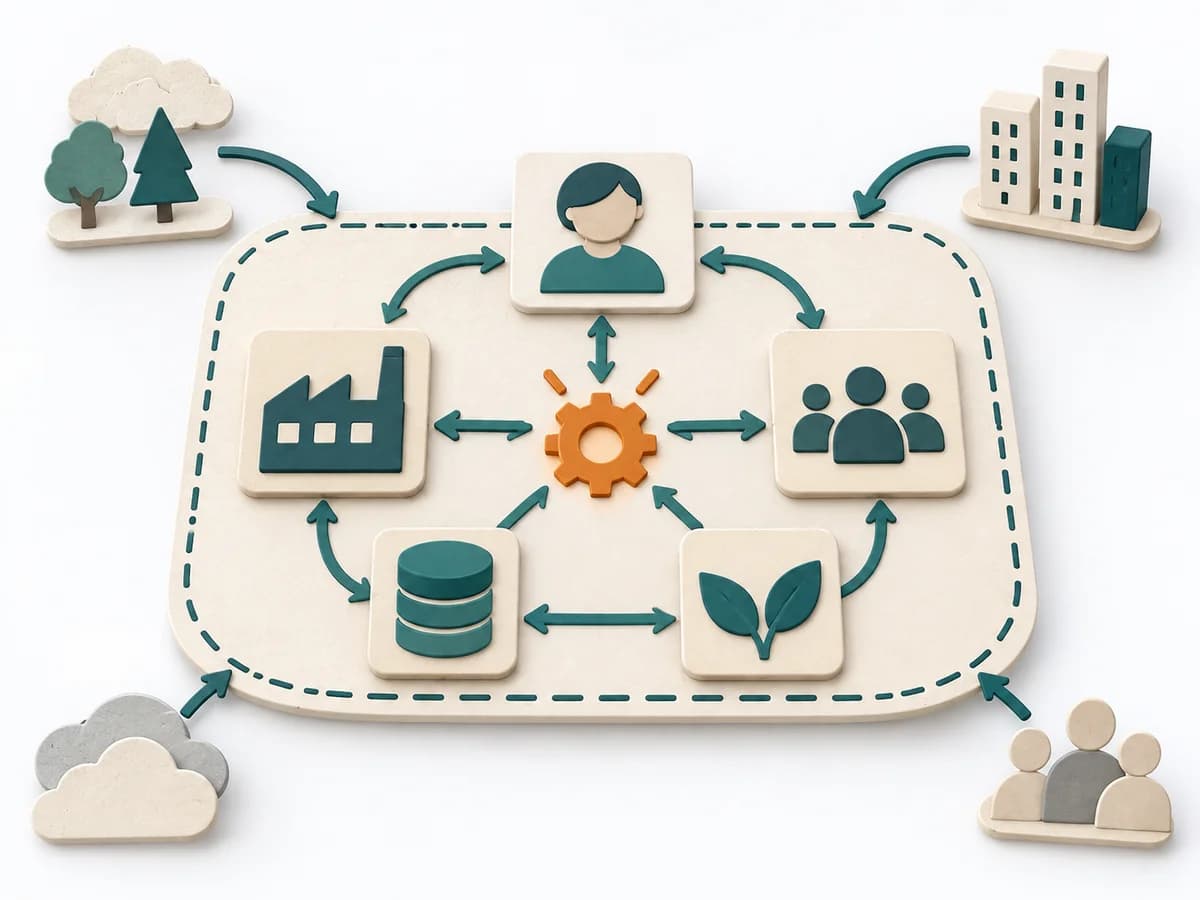
A systems map shows components, environment and an explicitly chosen boundary. It is perspective-dependent: the same situation can support several defensible maps.
Which components are inside this system from the chosen perspective, and what remains in its environment?
Which components are inside this system from the chosen perspective, and what remains in its environment?
Purpose
Name the system purpose from a stated perspective; draw the boundary and distinguish environment.
Components
List relevant people, organizations, technologies and resources, initially without causal arrows.
Perspectives
Create separate maps when purposes or perspectives differ; compare boundary consequences.
Review
Check components, omissions and boundary implications; choose a different diagram for process or causal questions.
Update the work record when new evidence, changed constraints or the planned review changes an assumption.
Useful for early orientation, setting scope and comparing perspectives. Choose another diagram for process sequence or causal relationships.

The map states the system purpose from a named perspective, shows the boundary, and distinguishes system from environment.

The representation names relevant people, organisations, technologies, and resources as components, initially without causal arrows.
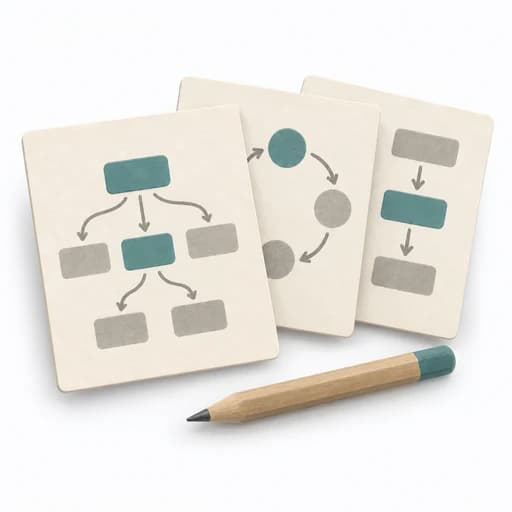
Comparable maps keep different purposes or perspectives separate and show the consequences of each boundary.
The deliberately provisional map is checked with relevant roles for components, omissions, and boundary implications; suitable diagrams cover relationships or dynamics.
Fictional example
Method-specific prompts and a fictional worked example; template prompts remain empty.
Title the map “A system to…” and show inside and outside components.
**Perspective and purpose:** Fulfilment team, “A system to process incoming online orders.”
Add a few named components inside and outside the boundary.
**Inside the boundary:** Order service and fulfilment team.
Label each perspective and mark shared and disputed assumptions.
**Environment:** Customers, payment service, suppliers and carrier.
Review with people who understand the system; document what the map cannot answer.
**Boundary question:** Returns sit in another department; a customer perspective map includes them.
OpenLearn defines systems maps as perspective-dependent components within a boundary, with the environment outside and no causal arrows by default.
Choose a purpose and perspective; title the map “A system to…” and draw its boundary.
Systems Mapping arranges elements, relationships, and boundaries so a complex field becomes legible at a glance. The overview stabilizes the overall picture before detail work or steering begins.
Participants gather the most important actors, resources, rules, and dependencies. Connections, boundaries, and feedback loops are then anchored on a shared map. This produces a working picture that supports further analysis and prioritization.
Systems Mapping works because it brings many involved elements, relationships, and influences into one shared structure without immediately turning mathematical. Good use prioritizes relevance, node quality, and type of relationship so the picture stays legible and fit for decisions. The benefit lies in complexity being sorted more visibly, making levers, dependencies, and blind spots easier to discuss.
Start with the core problem and add only elements that genuinely influence its course or solution. It becomes really solid once the map gets dense enough that first clusters or leverage points become recognizable. Close with a cleaned-up structure, the central dependencies, and a next focus area for deeper work.
The method guide walks execution through 4 phases, timing, 4 pitfalls, and clear stop criteria.
Open method guideYour perspective
Your feedback helps shape the next improvements to methodatlas.
Plan a session or initiative to match the actual scope of work.
To be confirmed
To be confirmed
Prepare the full method Time: 60–180 minutes for an initial map and perspective comparison; detailed models may need more sessions.
Complete this worksheet on paper or in your own document during the work.
Title the map “A system to…” and show inside and outside components.
...
Add a few named components inside and outside the boundary.
...
Label each perspective and mark shared and disputed assumptions.
...
Review with people who understand the system; document what the map cannot answer.
...
Blank worksheet contains prompts only, with no example data.
Expected artifact: Purpose, perspective and boundary
Purpose, perspective and boundary
Entry:
...
Expected artifact: Named components in system and environment
Named components in system and environment
Entry:
...
Expected artifact: Comparable maps with differences
Comparable maps with differences
Entry:
...
Expected artifact: Validated, deliberately provisional map
Validated, deliberately provisional map
Entry:
...
...
Method guide: https://methodatlas.meierhoff-systems.de/en/methods/systems-mapping/run-sheet
Fitting alternatives with decision guidance, followed by other related methods.
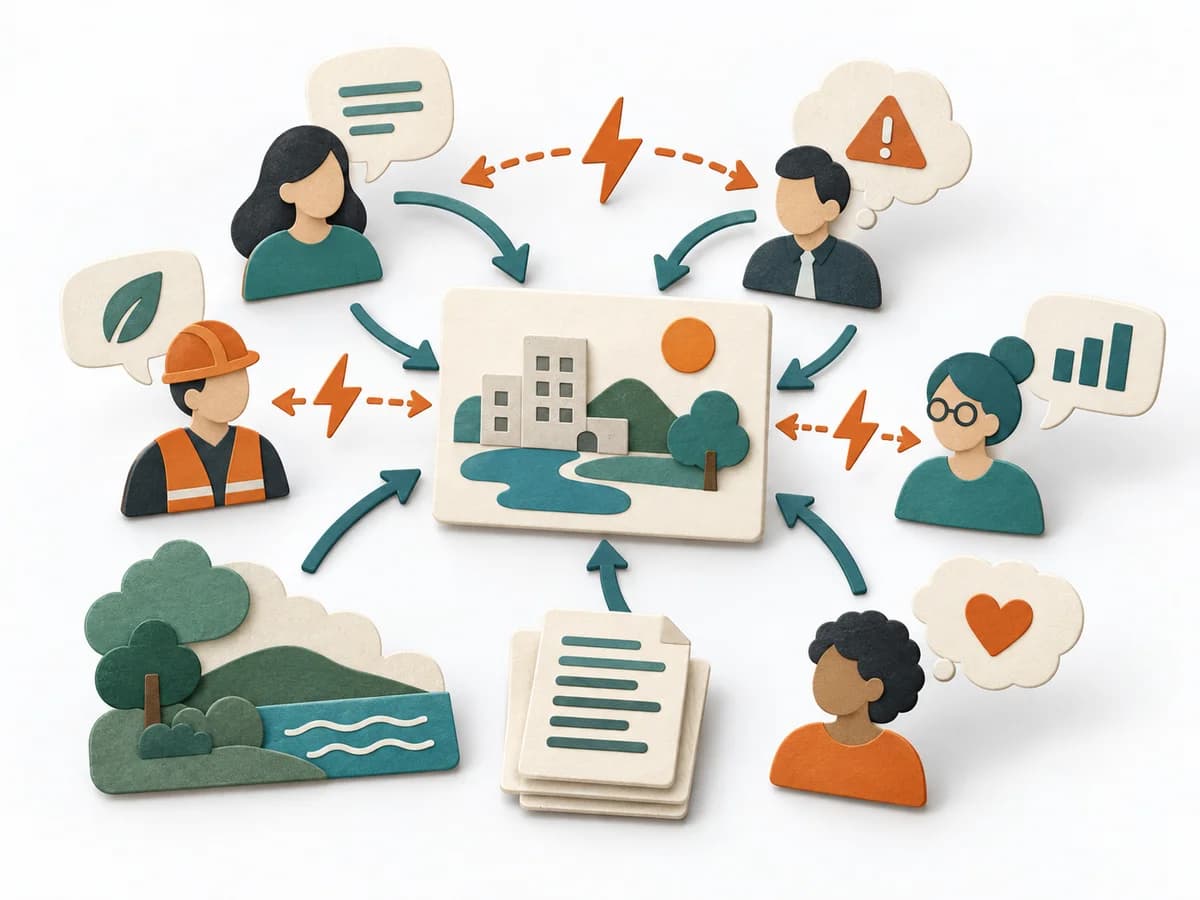
Instead of Systems Mapping, when you want to openly depict an unclear problem space with actors, tensions, and context.

Moves relationships, patterns, and leverage toward a concrete result through "introduce the twelve leverage points", "collect planned actions", and "formulate a strategy across multiple levers".
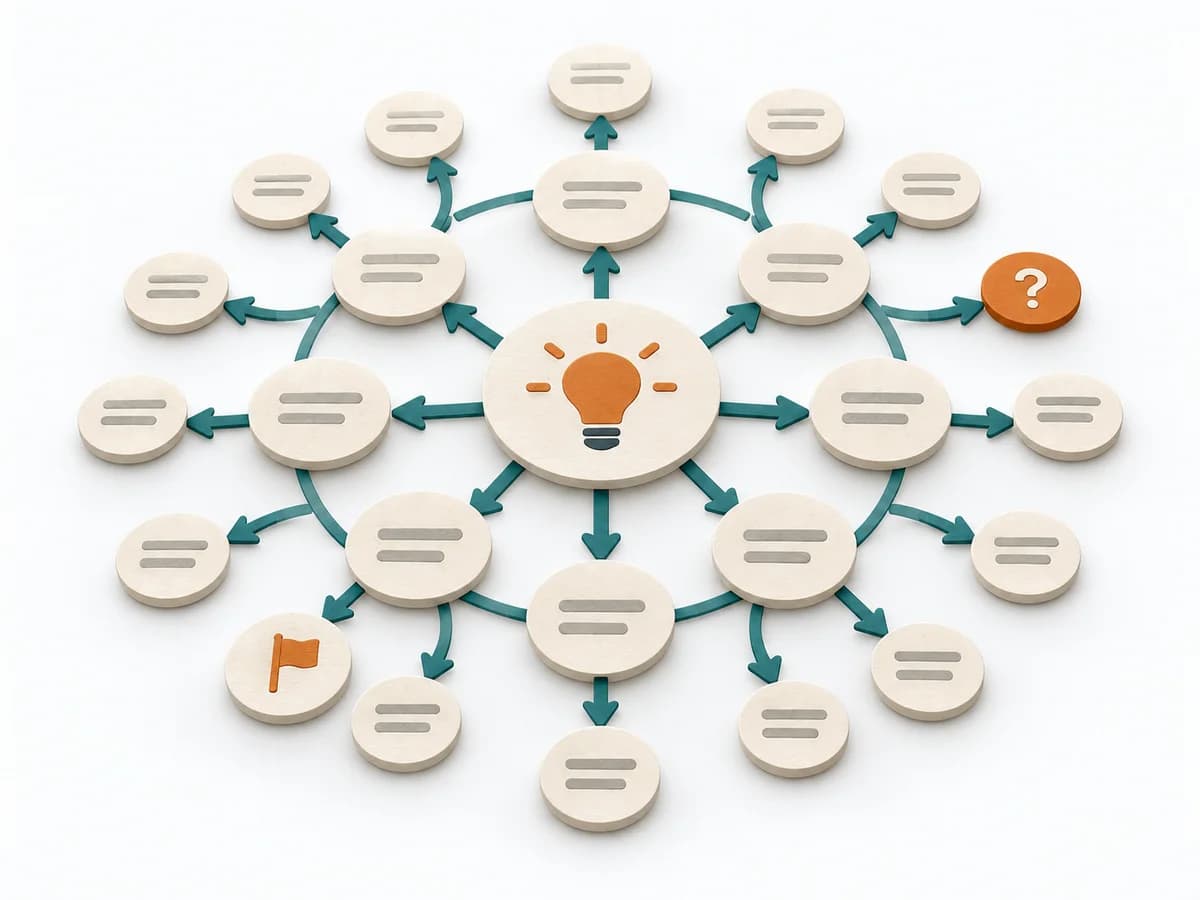
Arranges direct and indirect consequences of a change radially, so future impacts and cascades of consequences become visible.

Layers events, patterns, structures, and mental models to find deeper causes and interventions.
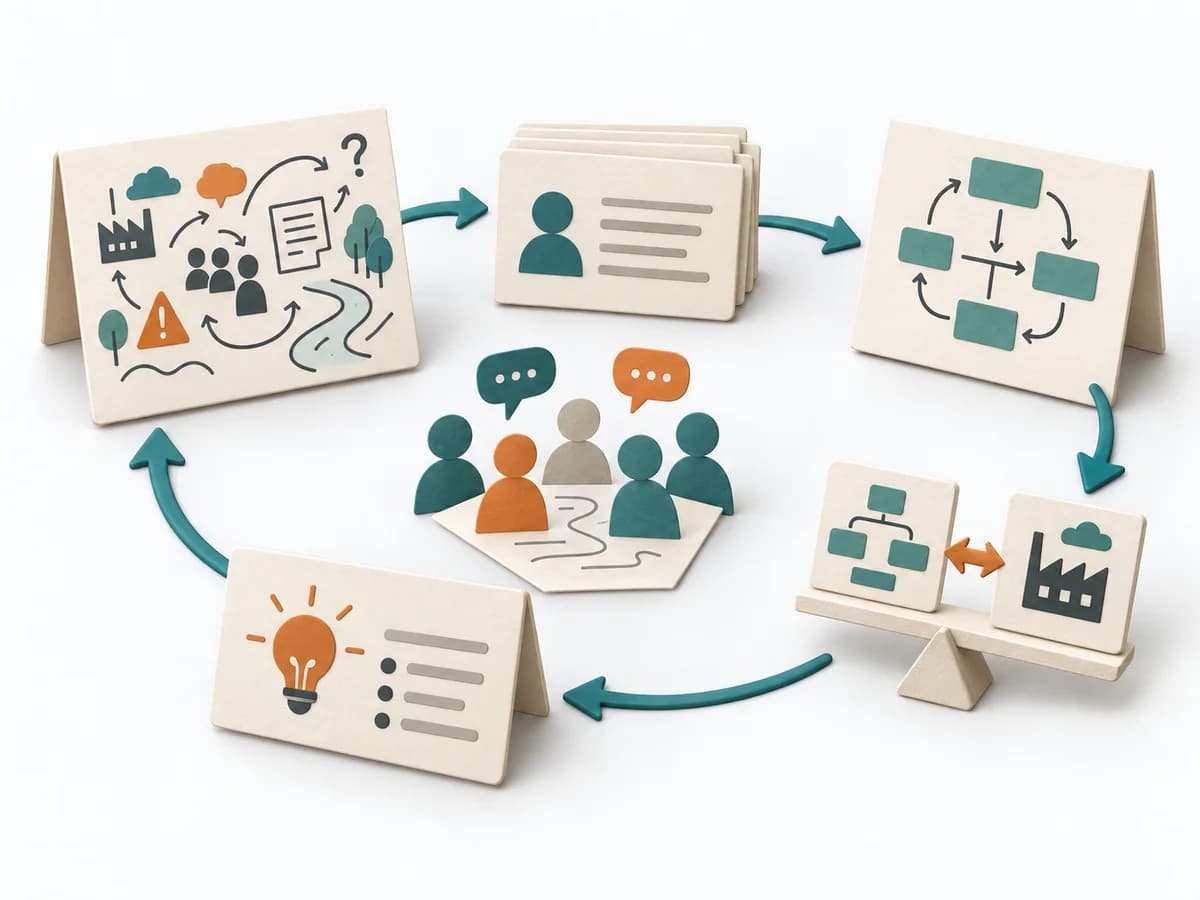
Develops a conceptual picture from a rich picture and root definitions for difficult organizational issues.
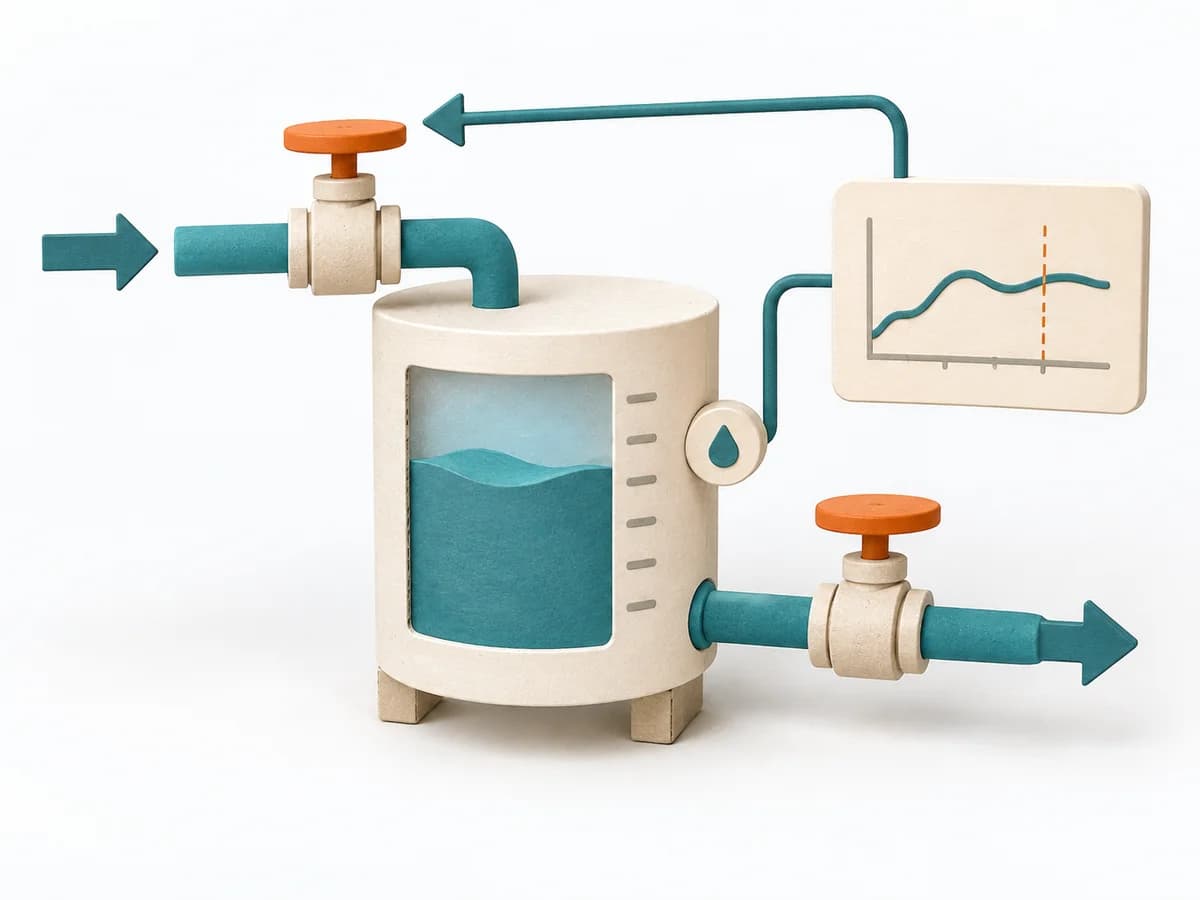
Models stocks, inflows and outflows, and delays to understand dynamics, bottlenecks, and capacity.