
Purpose
ATAM helps teams weigh architecture decisions when quality goals compete. The team considers business goals, stakeholder expectations, and technical decisions together. The evaluation shows which risks need further investigation.
Architecture Analysis method
Examines how architectural decisions support important quality goals and where risks or trade-offs arise.
ATAM examines an architecture through concrete situations, such as a load spike or an outage. The evaluation team first works with the architects to understand which decisions support the most important quality goals. Other stakeholders then contribute their requirements. The result is a reasoned account of risks, trade-offs and open questions.
How does the architecture support our most important quality goals, and where do risks or trade-offs arise?
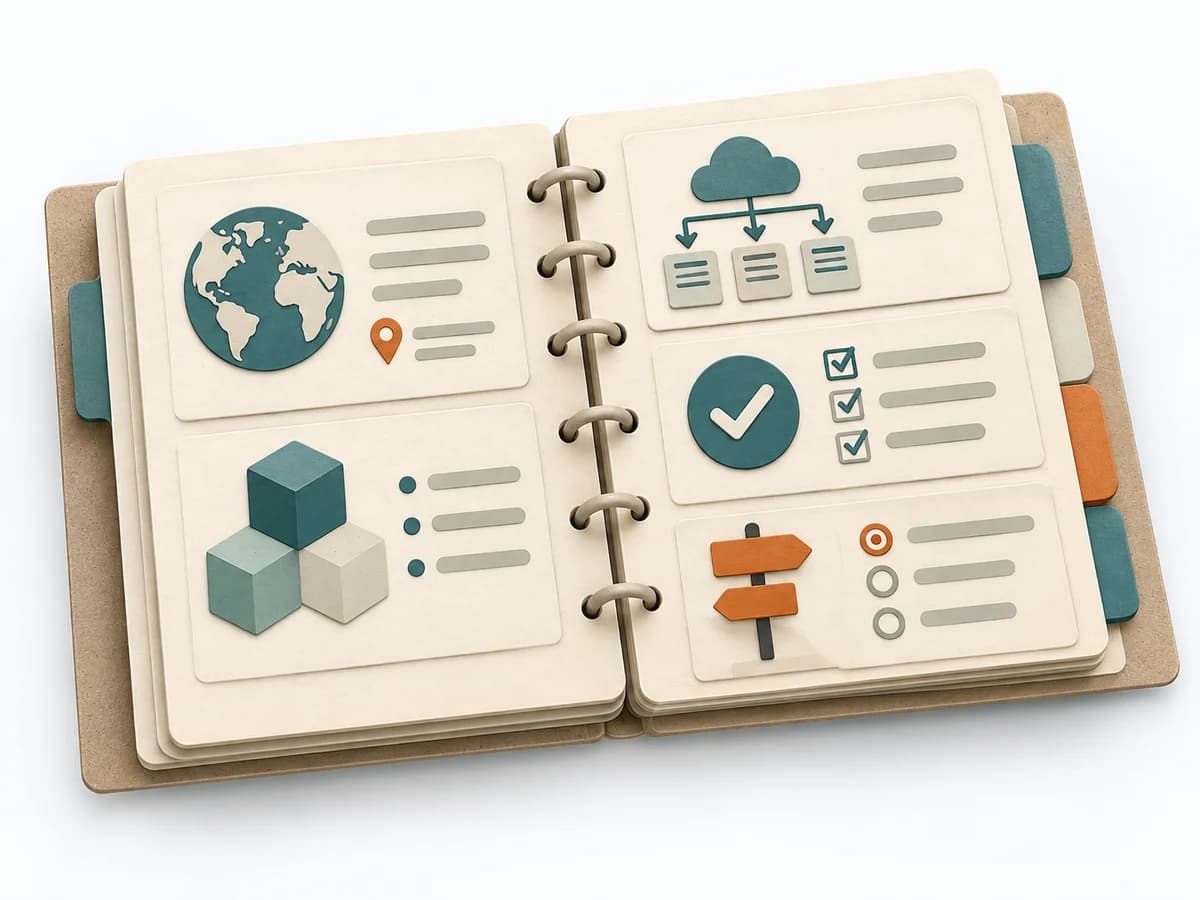
The six work sections group the nine ATAM steps. Plan two evaluation rounds, analysis between them and a final report.

Scope
Establish a shared view of the method, evaluation goal and system. Covers ATAM steps 1 to 3.
Approaches
Make decisions and approaches supporting quality goals explicit. Covers ATAM step 4.
Utility tree
A utility tree organizes quality goals, more specific requirements and concrete scenarios in a tree. Covers ATAM step 5.
Analysis
Trace relevant decisions and examine their justification. Covers ATAM step 6.
Scenarios
A broader stakeholder group contributes and prioritizes scenarios. Analyze the architecture again against them. Covers ATAM steps 7 and 8.
Report
Present traceable results and group related risks into themes. Covers ATAM step 9 and subsequent handoff.
Revisit affected scenarios when the architecture or quality goals change. Record the new baseline and evidence still needed in the report.
Useful for planned or existing software systems with several important quality goals, such as fast responses and high availability. The evaluation requires a concrete architecture description, clear business goals and people from the affected areas.
A utility tree organizes quality goals and scenarios. Additional stakeholder scenarios and their order of priority have a stated rationale.
Reasoned findings on risks and trade-offs in the examined architecture. Measurable claims about performance, security or availability are supported by appropriate technical analyses.
A list of the next investigations and decisions, each with a responsible person and a date.
Fictional worked example
Record scenarios, reasoning and next steps so others can follow the assessment.
Describe scope, architecture version, business goals, roles and dates. Also identify areas outside the assignment.
Reservation service v0.8; expansion; latency and reliable allocation.
Organize quality goals, specific requirements and scenarios in the utility tree. Explain the business importance and technical difficulty of each scenario.
S1: 500 bookings/min, 95 percent confirmed within 2 s. S2: zone failure, service restored within 60 s. Both scenarios: high importance and difficulty; fictional requirements.
For each scenario, record the decision examined, reasoning, evidence and assumptions. Record risks, decisions judged acceptable with supporting reasons (non-risks), sensitivity points and trade-off points.
R1: Evidence for zone failure is pending. The required number of confirming systems affects response time and failure tolerance. Basis: fictional design.
Record new scenarios, represented perspectives, prioritization and changes to findings.
Operations adds S3: repeated requests should lead to the same booking.
Record risk themes, business impact, limitations and follow-up work with owners and review dates.
Reliable bookings: development and operations examine zone failure and handling of repeated requests. Evidence is pending.
All examples are invented. Target values are requirements; expected effects and open evidence needs are explicitly marked.
Agree the evaluation scope, business goals, architecture version and participants. Assemble an experienced evaluation team and plan two evaluation rounds with time for analysis between them.
ATAM helps teams weigh architecture decisions when quality goals compete. The team considers business goals, stakeholder expectations, and technical decisions together. The evaluation shows which risks need further investigation.
Clarify the evaluation scope and business goals with the evaluation team. Ask the architects to present the main architectural approaches. Organize quality goals and concrete situations in a Quality Attribute Utility Tree: a tree that breaks goals down into scenarios that can be examined. Analyze the highest-priority scenarios technically. Additional stakeholders contribute and prioritize scenarios for a second analysis. Record risks, sensitivity points, and trade-offs in the findings report.
ATAM combines several meetings with preparation and technical analysis. The team needs a clear architecture description, known business goals, and access to the people responsible and relevant specialists. Experienced architecture evaluators examine how individual decisions affect expected system behavior. Sensitivity points are places where a change strongly affects one quality. Trade-off points affect several qualities and require those effects to be weighed. The report records reasoned risks and assumptions. Add runtime measurements, security checks, or code analyses as separate investigations where needed.
Agree in advance which decisions and system parts will be evaluated. Form the evaluation team and involve the architects and relevant specialists. Describe each scenario’s trigger, operating conditions, and expected system response. Record the evidence supporting each judgment. One person can prepare documents and scenarios. A full evaluation requires shared priorities and several professional perspectives. Allow time to review the findings and gather feedback from participants.
The method guide walks execution through 6 phases, timing, 6 pitfalls, and clear stop criteria.
Open method guideYour perspective
Your feedback helps shape the next improvements to methodatlas.
Prepare the overall initiative or a selected analysis block with a concrete question, documents and participants.
To be confirmed
To be confirmed
Whole analysis initiative Time: Multiple meetings and interim work, to be agreed according to scope
Complete this worksheet on paper or in your own document during the work.
Describe scope, architecture version, business goals, roles and dates. Also identify areas outside the assignment.
...
Organize quality goals, specific requirements and scenarios in the utility tree. Explain the business importance and technical difficulty of each scenario.
...
For each scenario, record the decision examined, reasoning, evidence and assumptions. Record risks, decisions judged acceptable with supporting reasons (non-risks), sensitivity points and trade-off points.
...
Record new scenarios, represented perspectives, prioritization and changes to findings.
...
Record risk themes, business impact, limitations and follow-up work with owners and review dates.
...
Enter your own information, sources and assumptions in the blank worksheet.
SEI: Architecture Tradeoff Analysis Method
Expected artifact: Scope, goals and architecture version
Show which quality requirements follow from the business goals. Identify architecture views that still need to be prepared.
Entry:
...
Expected artifact: Relevant architectural approaches
For each product used, describe its purpose, how it is configured and its expected effect.
Entry:
...
Expected artifact: Prioritized quality scenarios
Keep importance and technical difficulty as separate ratings.
Entry:
...
Expected artifact: Risks, non-risks, sensitivities and trade-offs
For non-risks, record the conditions under which the assessment holds. For open claims, specify the check still required.
Entry:
...
Expected artifact: Additional scenarios and findings
Record represented perspectives and scenarios left outside the analysis.
Entry:
...
Expected artifact: Report with risk themes and next actions
The report can support both changing and retaining a decision. Record the resulting decisions separately.
Entry:
...
...
Method guide: https://methodatlas.meierhoff-systems.de/en/methods/atam/run-sheet
Fitting alternatives with decision guidance, followed by other related methods.

Choose SAAM to focus on modifiability through concrete change tasks.

Choose LASR for an initial risk assessment by a small team and targeted investigation of open questions.

Moves architecture context, options, and consequences toward a concrete result through "place the architecture diagram or plan in the center", "set risk categories such as technical, organizational, and external", and "assign an owner and next steps for each top risk".
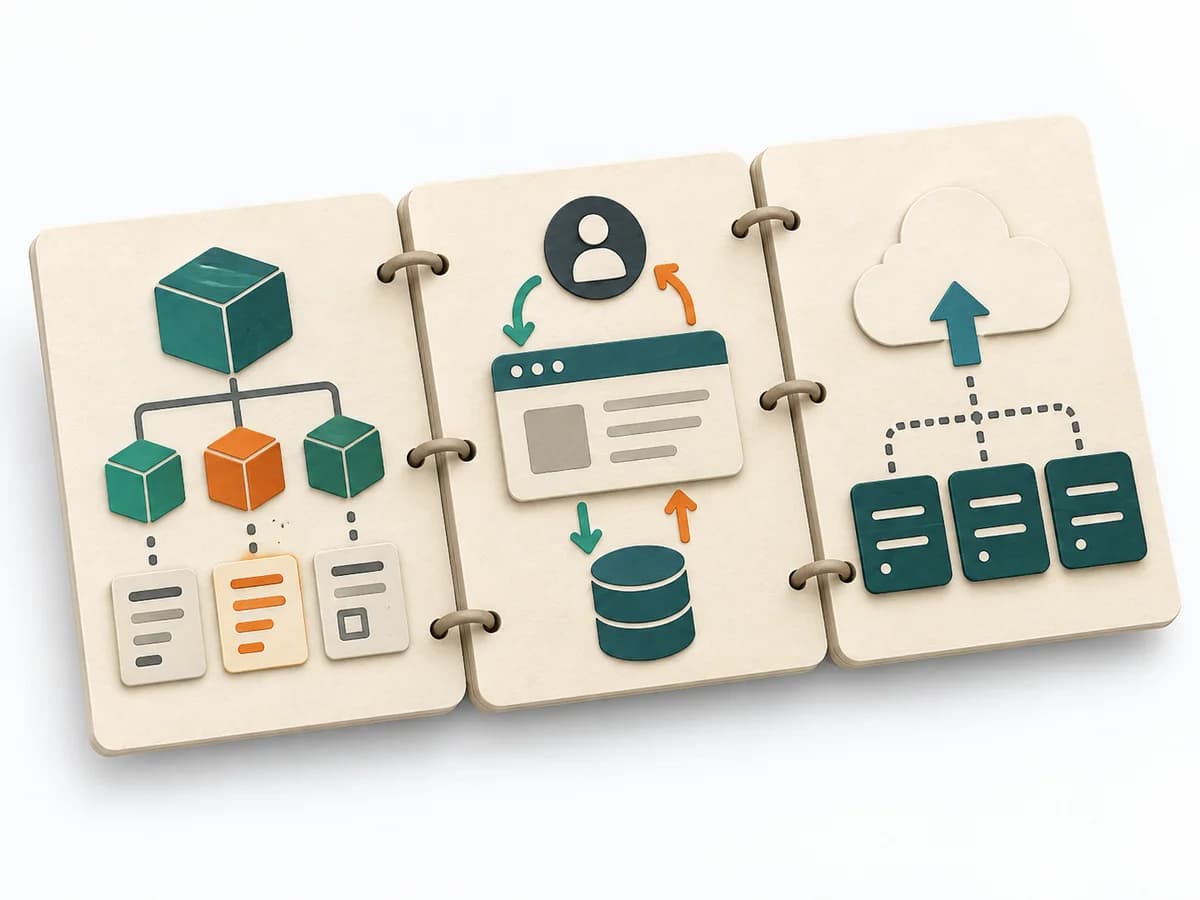
Connects several views of large systems and keeps cross-view information for the overall picture.

Documents an architecture decision with context, alternatives, and consequences so later reviews remain traceable.
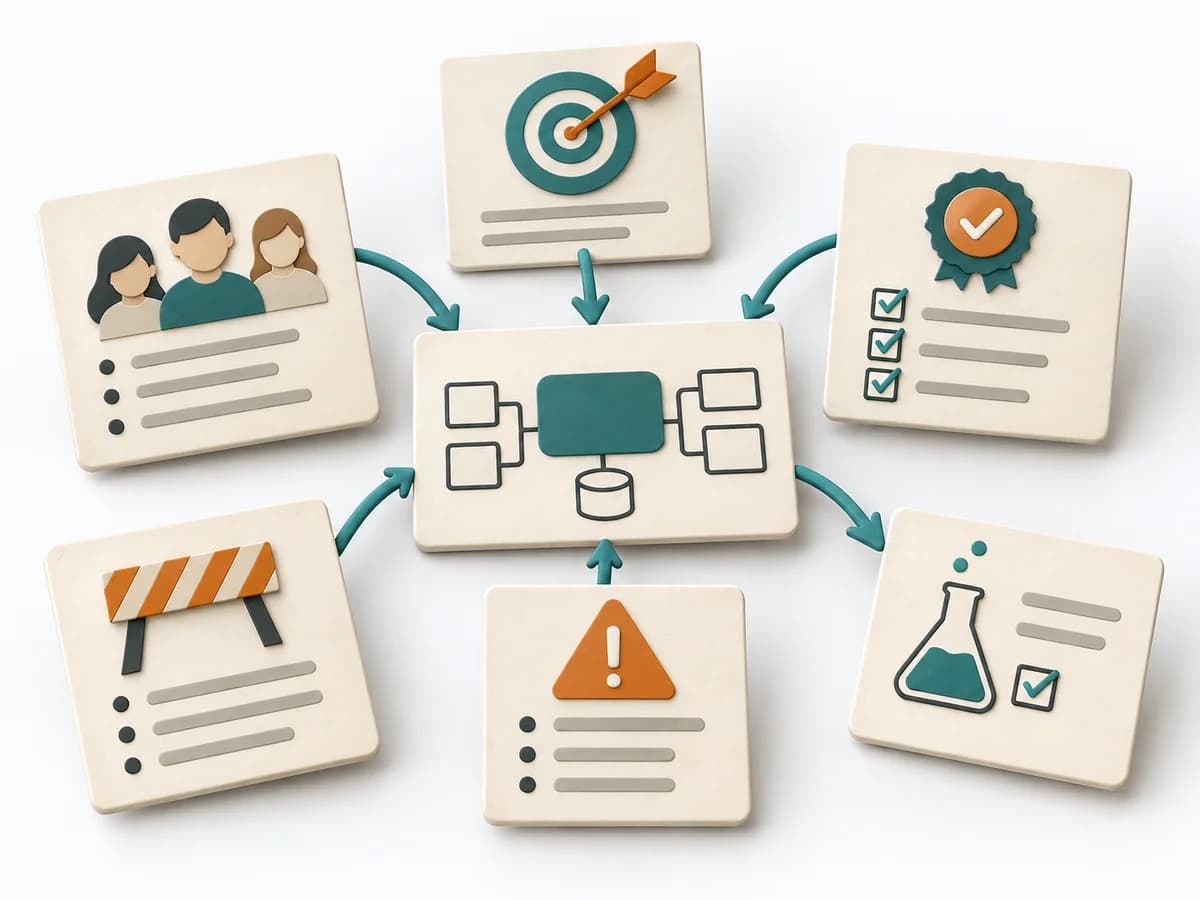
Bundles problem, goals, stakeholders, and risks into a starting picture that sorts early architecture questions.
