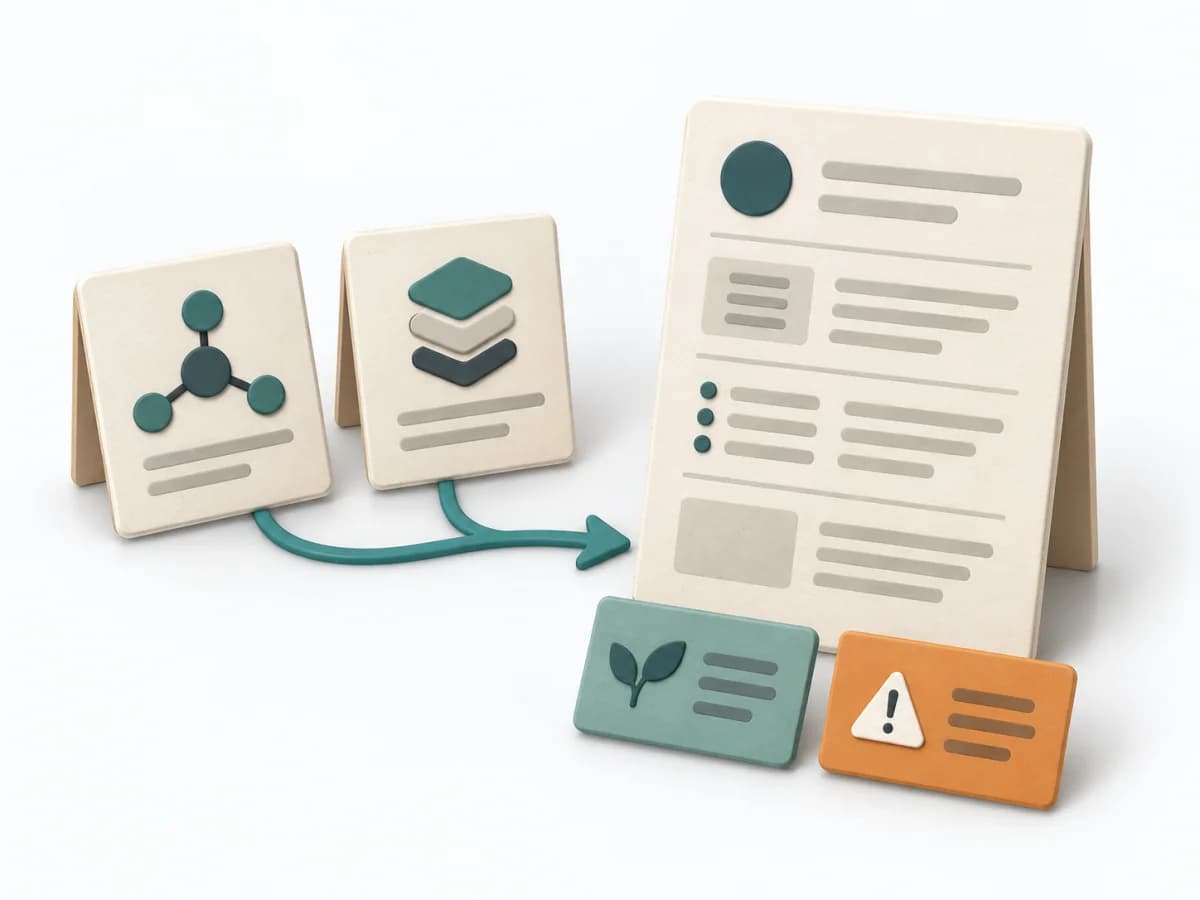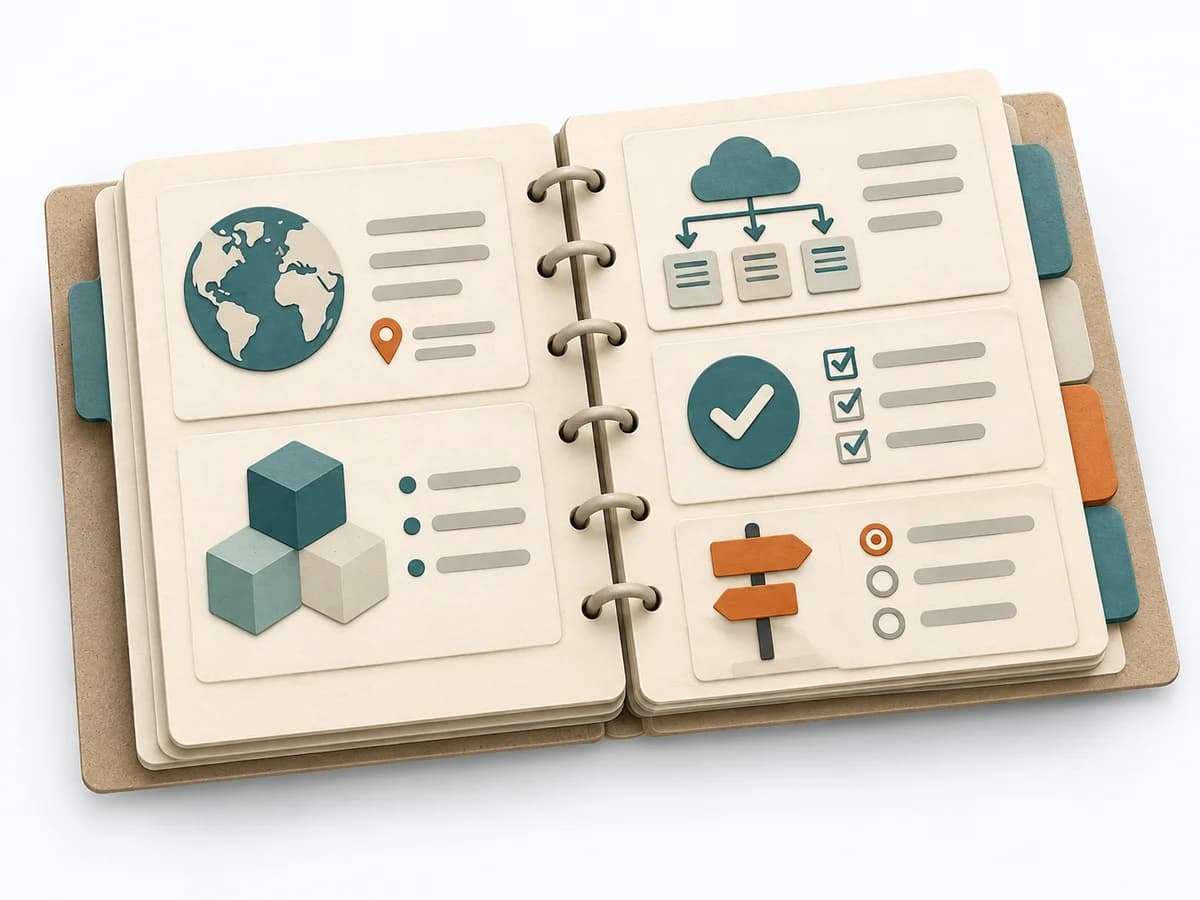
Purpose
A Quality Attribute Workshop translates quality requirements into concrete scenarios and architecture impulses. The method brings product, engineering, and operations to the same view of desired properties.
Architecture Workshop method
Derives prioritized, testable quality scenarios for an early system architecture from business goals.
Quality Attribute Workshop translates business goals into prioritized, testable scenarios that make architectural trade-offs and quality risks discussable early. The resulting scenarios provide a focused basis for architecture decisions and validation.
Which quality scenarios matter architecturally to business goals and need clarification first?
Phases may be revisited; their order supports the work but does not replace domain judgment.

Drivers
Present goals, business drivers, and current architecture; identify stakeholders.
Scenarios
Write concrete stimulus-environment-response scenarios rather than quality adjectives.
Prioritization
Consolidate similar items; prioritize jointly using a transparent method.
Refinement
Add stimulus, source, environment, response, and measure; record open questions.
Review the result and open assumptions at the next suitable checkpoint. Record changes, ownership, and new evidence.
Use when: Early system or program stage with business drivers, diverse stakeholders, and architecture still open to change.

Goals, business drivers, current architecture, and relevant stakeholders.

Consolidated similar scenarios with joint prioritization using a transparent method.

Quality scenarios with stimulus, source, environment, response, measure, and open questions.
Fictional worked example
Derive prioritized, testable quality scenarios for an early system architecture from business goals.
Record business goals, system context, and represented roles.
Enrollment week must provide reliable access.
Write concrete stimulus, context, and response scenarios.
900 requests/min; p95 <2 s; 99.9% successful sign-ins; no duplicate loans.
Record consolidated scenarios and prioritization rationale.
Priority 1 of 8 because access is time-critical; stakeholders: operations, library, students.
Add source, quality attribute, and testable response.
Load test should verify data integrity at peak; architecture is not decided by this alone.
Fictional library platform. Scenario: during enrollment week requests rise to 900/min; service maintains 99.9% successful sign-ins and p95 response under 2 s without duplicate loans. Prioritized above “dashboard loads faster” because access is operationally critical.
Quality Attribute Workshop Collection · Software Engineering Institute
Start with a bounded question, clarify access and participants, and collect available evidence. Derive prioritized, testable quality scenarios for an early system architecture from business goals.
A Quality Attribute Workshop translates quality requirements into concrete scenarios and architecture impulses. The method brings product, engineering, and operations to the same view of desired properties.
The group first gathers the key quality goals and refines them into measurable scenarios. Priorities, risks, and architectural consequences are then evaluated together. The result is clear qualities that can be pursued further in architecture and implementation.
The workshop holds up because quality goals only gain architectural sharpness once they are translated into concrete scenarios and trade-offs. Good facilitation keeps availability, security, changeability, or performance not as buzzwords but as checkable expectations in real usage situations. This makes architecture decisions more solid, because it becomes visible which quality takes precedence in which situation and what it costs.
Prepare a few realistic scenarios where quality requirements come under pressure so the conversation doesn't stay generic. The tipping point comes when two important qualities visibly conflict. Close with prioritized scenarios, named trade-offs, and a follow-up trail for the riskiest quality question.
The method guide walks execution through 4 phases, timing, 4 pitfalls, and clear stop criteria.
Open method guideYour perspective
Your feedback helps shape the next improvements to methodatlas.
Prepare Quality Attribute Workshop with a clear question, roles, and sources.
To be confirmed
To be confirmed
Plan the full method Time: Set according to scope and available evidence
Complete this worksheet on paper or in your own document during the work.
Record business goals, system context, and represented roles.
...
Write concrete stimulus, context, and response scenarios.
...
Record consolidated scenarios and prioritization rationale.
...
Add source, quality attribute, and testable response.
...
Blank worksheet: start with a bounded question. Enter observed facts only, mark assumptions, and record open questions and sources.
Quality Attribute Workshop Collection · Software Engineering Institute
Expected artifact: Consolidated business and architecture drivers
Consolidated business and architecture drivers
Entry:
...
Expected artifact: Quality scenarios from stakeholder perspectives
Quality scenarios from stakeholder perspectives
Entry:
...
Expected artifact: Prioritized scenarios with rationale
Prioritized scenarios with rationale
Entry:
...
Expected artifact: Refined stimulus-environment-response measures
Refined stimulus-environment-response measures
Entry:
...
...
Method guide: https://methodatlas.meierhoff-systems.de/en/methods/quality-attribute-workshop/run-sheet
Fitting alternatives with decision guidance, followed by other related methods.
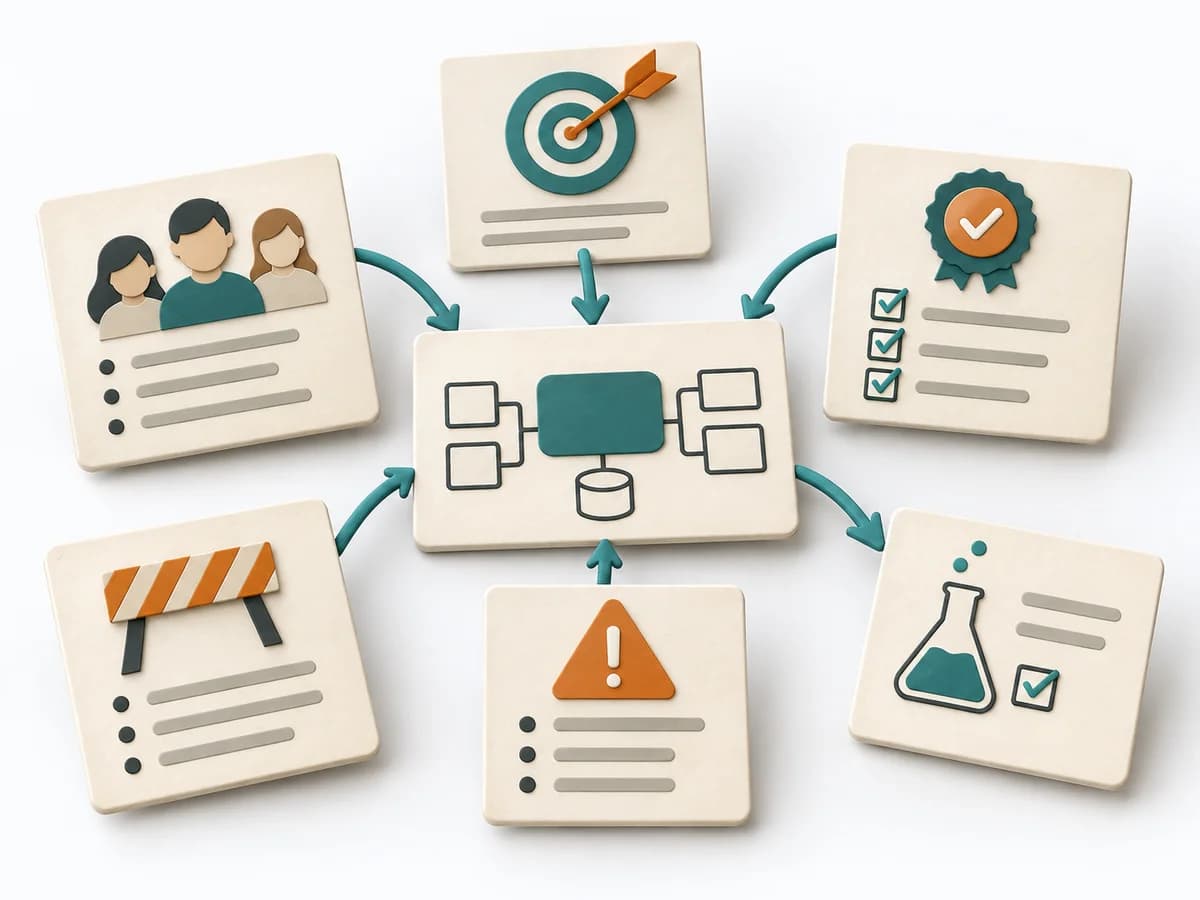
Instead of Quality Attribute Workshop, when you want to bundle the first architecture questions into a concise kickoff sheet.
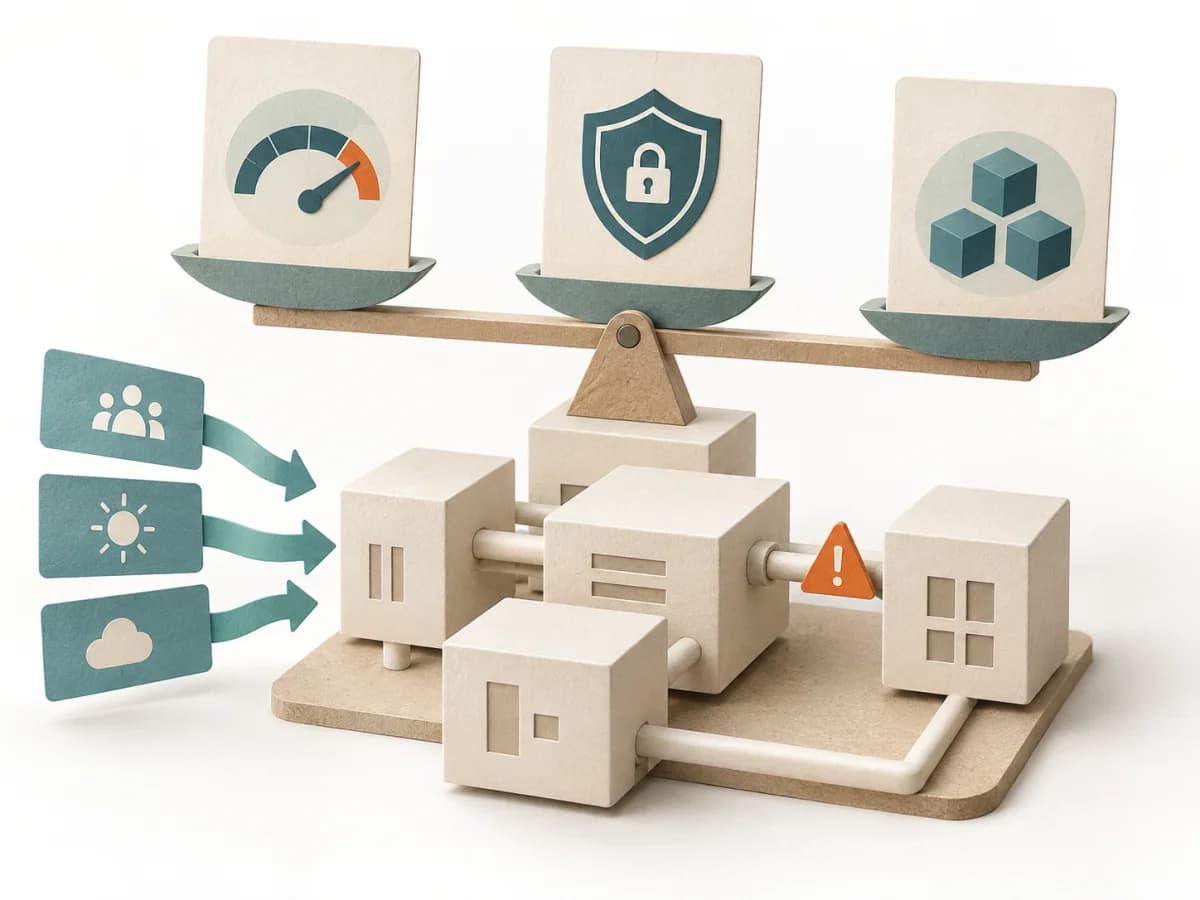
Examines how architecture decisions support important quality goals and makes risks and trade-offs visible.

Uses concrete tasks to show how well an architecture supports use and change.
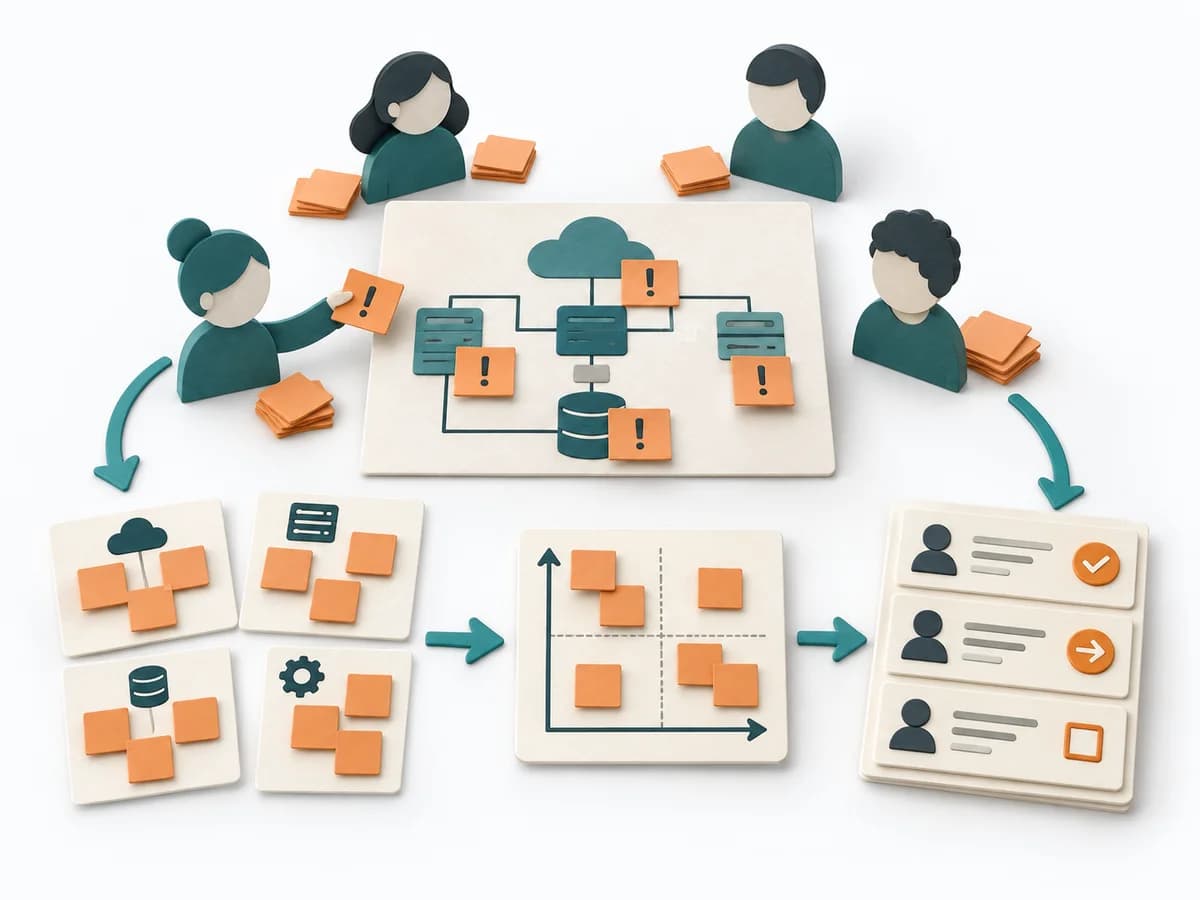
Moves architecture context, options, and consequences toward a concrete result through "place the architecture diagram or plan in the center", "set risk categories such as technical, organizational, and external", and "assign an owner and next steps for each top risk".
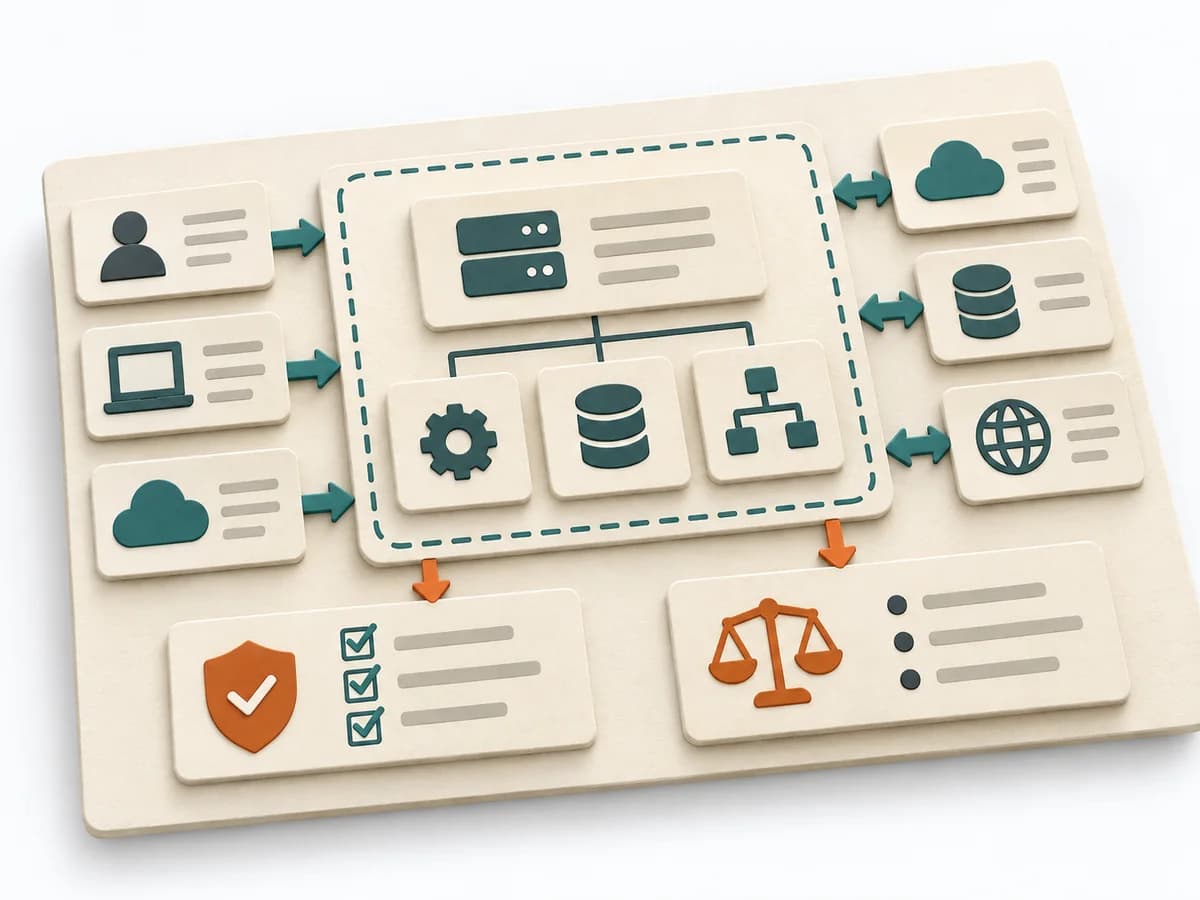
Gathers system goals, constraints, and building blocks into a compact view for early architecture decisions.

Helps a small team assess the main quality risks in its software and choose where to investigate further.