
Purpose
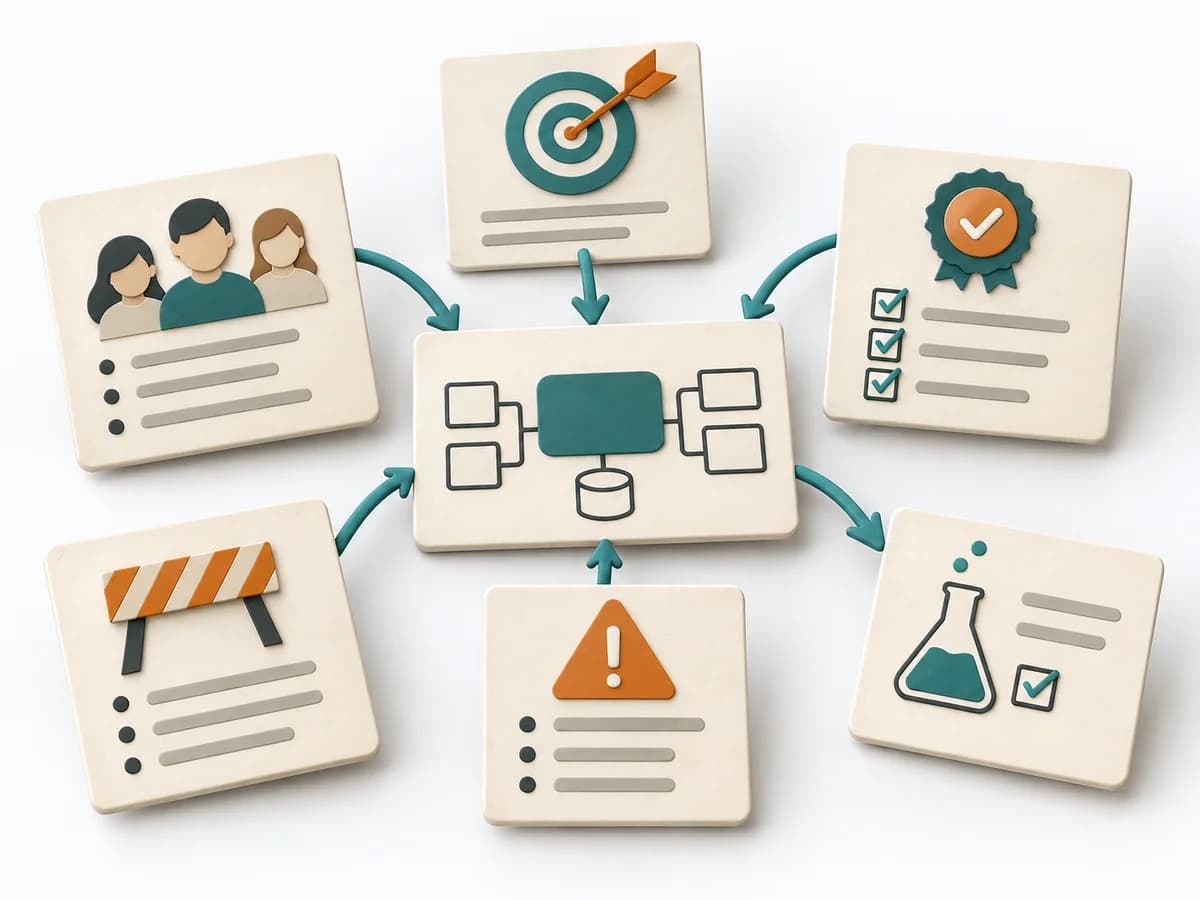
arc42 structures architecture knowledge so teams can document system, decisions, and risks consistently. The template builds a living understanding of the architecture instead of scattered notes.
Architecture Planning tool
Structures architecture knowledge across goals, context, runtime, deployment, decisions and risks.
Structures architecture knowledge across goals, context, runtime, deployment, decisions and risks.
What system context, constraints, and decisions must the architecture communicate?
The steps are a practical sequence; adapt them to the method’s purpose and available evidence.
Scope
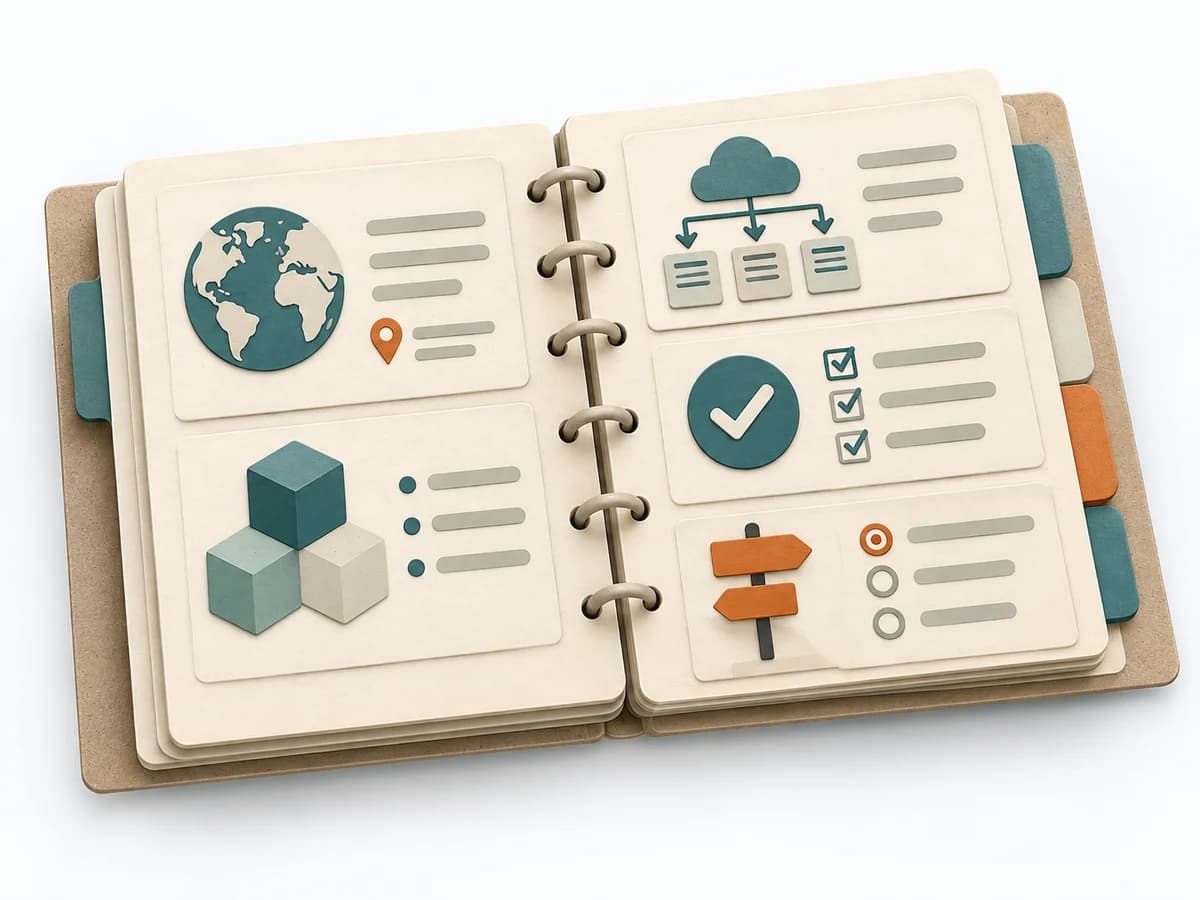
Name the system, stakeholders, key quality goals and documentation purpose; select relevant arc42 sections.
Goals
Write prioritized quality scenarios, sourced constraints, system context and interfaces.
Views
Describe key decisions and only the building-block, runtime and deployment views needed to explain them. Link diagrams to text.
Upkeep
Record important decisions with status, risks and assumptions; link scenarios and assign update triggers.
Revisit the model when evidence, context or outcomes change. Record what changed and why.
Use it when: Living Architecture Docs, Team Handover. The group can provide the evidence and authority the method requires.
Selected architecture sections with quality scenarios, context, decisions and maintenance triggers.
The artifact records scope, date, participants, source version, and owner, including changed assumptions and the reason for each revision.
Fictional worked example
Fictional, “Practice Portal” system: top quality goal is availability during practice hours. Context: patients and practice administration; no direct payment processing. Strategy: initially use a synchronized availability copy. Runtime: reserve a slot, await confirmation, show alternatives on conflict. Risk: delayed synchronization. Maintain sections 1, 3, 4, 6 and 10 first; mark other sections as deliberate gaps.
Record stakeholders, requirements and top quality goals.
Fictional: availability during practice hours is a priority.
Name technical, organizational and regulatory constraints.
Privacy requirements and existing practice system.
Explain boundary, external partners and interfaces.
Patients and practice management; no payment processing.
Explain guiding approaches and key architecture decisions.
Availability copy with conflict check.
Show relevant building blocks and responsibilities.
Booking API, web app, appointment database.
Describe critical scenarios and interactions.
Reserve slot; await confirmation.
Map infrastructure and software components.
Hosting and practice integration remain open.
Document recurring concepts and rules.
Authentication and audit logging.
Link important decisions with status and rationale.
Synchronization approach under review.
State quality scenarios measurably.
Fictional scenario: With the calendar copy available, 95% of slot searches during practice hours return availability within 2 seconds.
Record risks, impact and response.
Stale availability may cause double booking.
Define domain terms consistently.
Slot means a released time period.
The example text is fictional; replace it with sourced project information.
Name the system, stakeholders, key quality goals and documentation purpose; select relevant arc42 sections.
arc42 structures architecture knowledge so teams can document system, decisions, and risks consistently. The template builds a living understanding of the architecture instead of scattered notes.
The team fills in the relevant chapters from context through building blocks to runtime, deployment, and risks. Content is kept concise, referenceable, and connectable so documentation and conversations share the same basis. The result is a coherent architecture profile that eases maintenance and handovers.
The arc42 structure organizes architecture knowledge into recognizable chapters and ties conversations, onboarding, and maintenance to the same documentation logic. Good use fills only the sections that provide real orientation for the specific system and links decisions instead of piling up text mass. The benefit grows when the documentation keeps growing alongside the system instead of being completed hastily right before a handover.
Anchor arc42 to existing architecture conversations, reviews, and change occasions so the format gets used day to day instead of just opened once. The turning point becomes visible when a chapter first speeds up a real decision or clarification. Close with a lean starting structure, clear maintenance ownership, and a few prioritized sections for the next iteration.
The method guide walks execution through 4 phases, timing, 4 pitfalls, and clear stop criteria.
Open method guideYour perspective
Your feedback helps shape the next improvements to methodatlas.
Prepare the decision, source evidence and next review.
To be confirmed
To be confirmed
Run the method Time: See catalog planning range; no universal duration.
Complete this worksheet on paper or in your own document during the work.
Record stakeholders, requirements and top quality goals.
...
Name technical, organizational and regulatory constraints.
...
Explain boundary, external partners and interfaces.
...
Explain guiding approaches and key architecture decisions.
...
Show relevant building blocks and responsibilities.
...
Describe critical scenarios and interactions.
...
Map infrastructure and software components.
...
Document recurring concepts and rules.
...
Link important decisions with status and rationale.
...
State quality scenarios measurably.
...
Record risks, impact and response.
...
Define domain terms consistently.
...
This blank document contains only section prompts.
Expected artifact: Lean documentation plan
Lean documentation plan
Entry:
...
Expected artifact: Evidence-backed sections 1 to 3
Evidence-backed sections 1 to 3
Entry:
...
Expected artifact: Architecture description and relevant views
Architecture description and relevant views
Entry:
...
Expected artifact: Living arc42 documentation
Living arc42 documentation
Entry:
...
...
Method guide: https://methodatlas.meierhoff-systems.de/en/methods/arc42/run-sheet
Fitting alternatives with decision guidance, followed by other related methods.
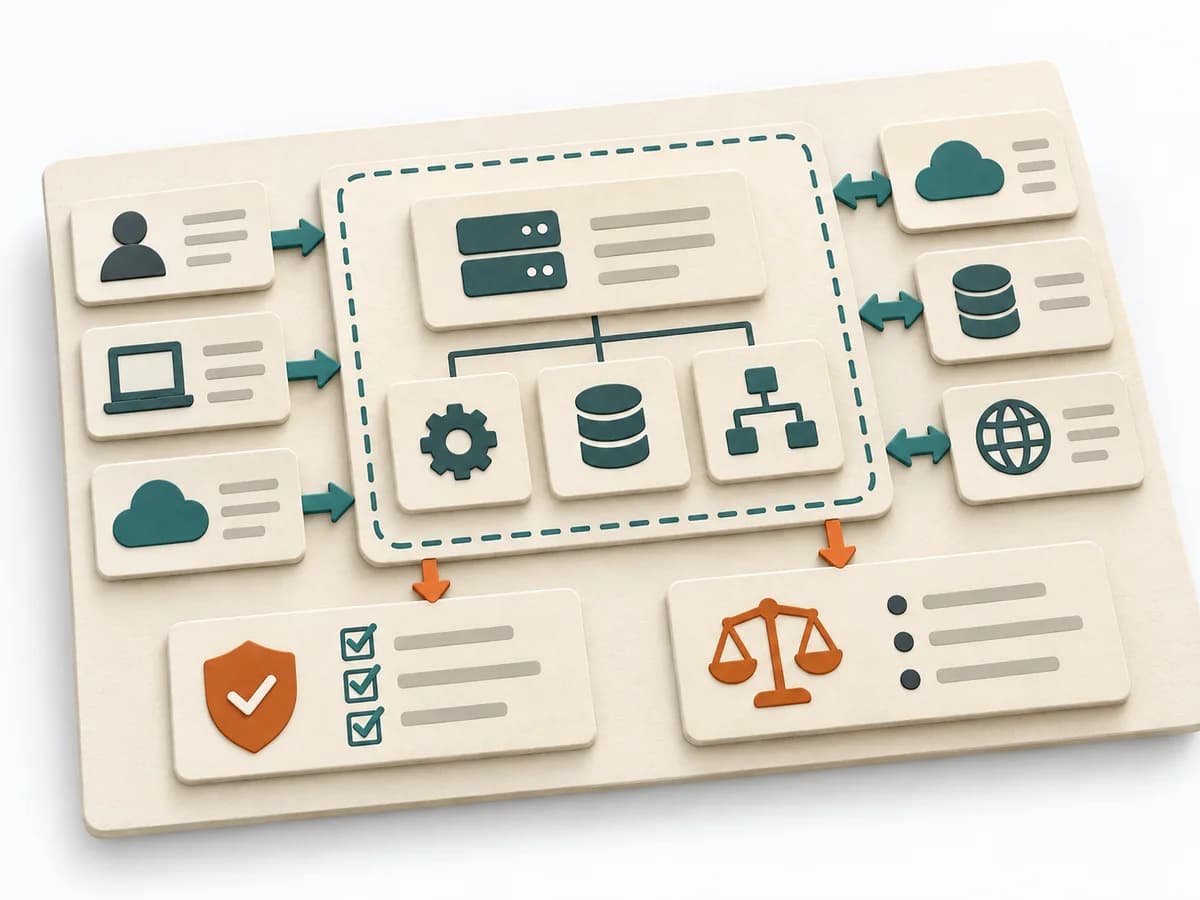
Instead of arc42, when you want to frame an architecture on a compact, shared overview sheet.
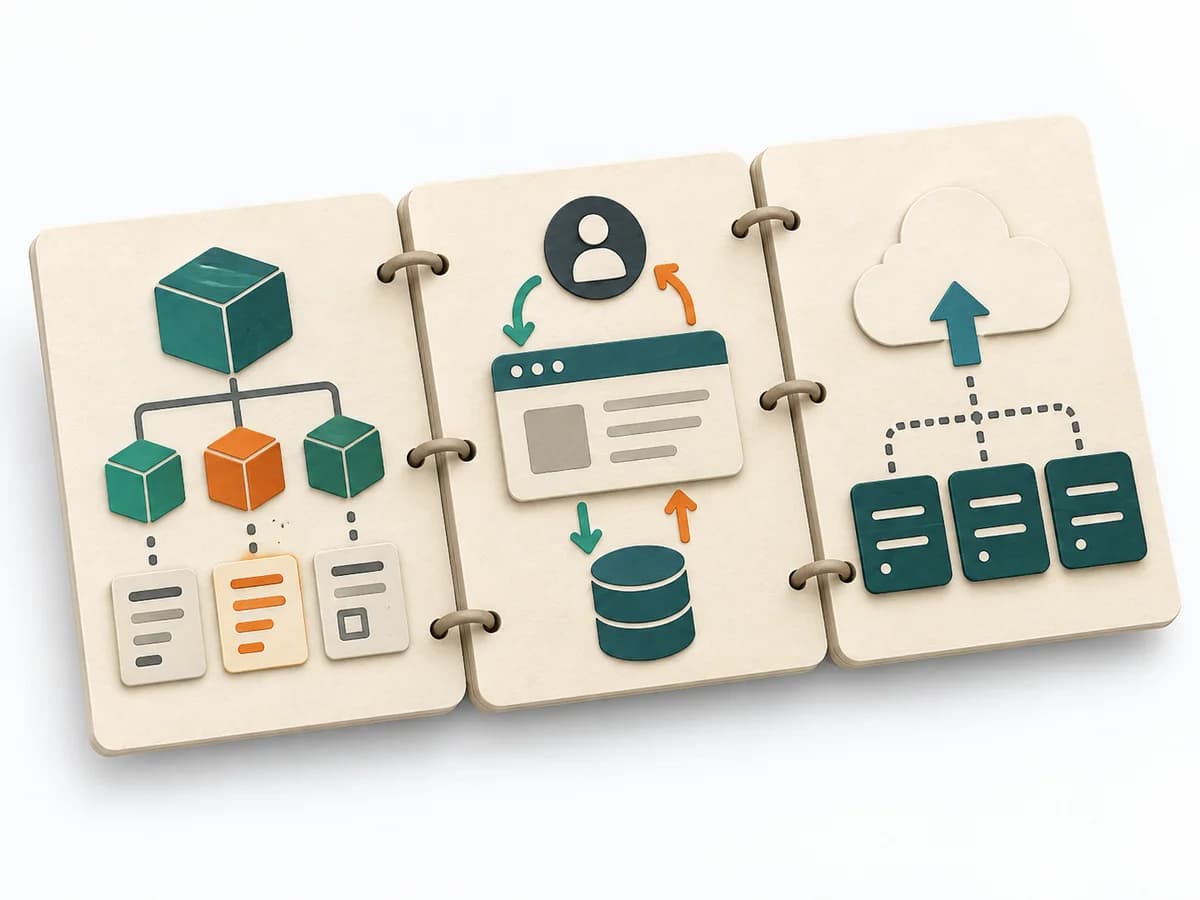
Connects several views of large systems and keeps cross-view information for the overall picture.

Gathers quality goals, prioritizes risks, and turns them into architecture topics evaluated together.

Prepares stakeholders, core messages, and artifacts so architecture communication connects deliberately.

Examines how architecture decisions support important quality goals and makes risks and trade-offs visible.

Uses concrete tasks to show how well an architecture supports use and change.
