Purpose
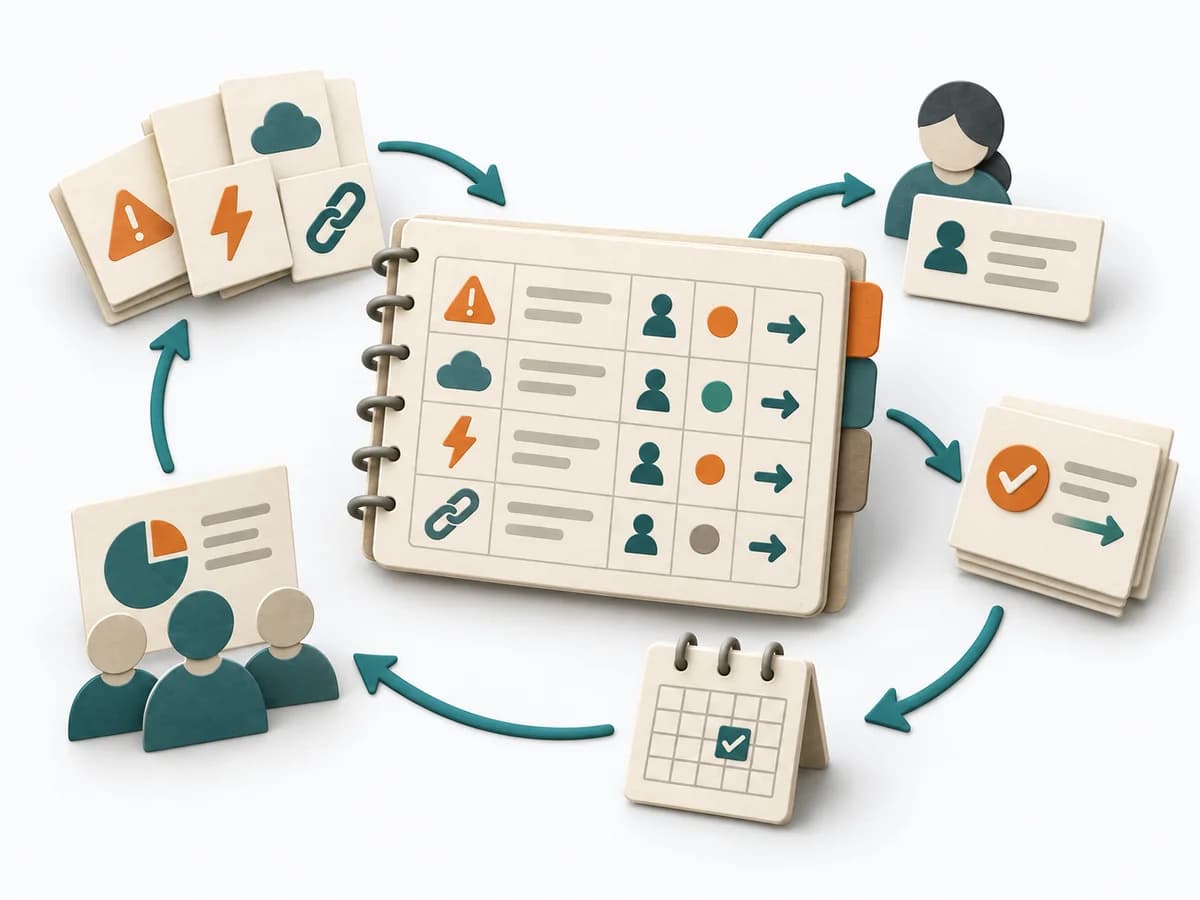
The Theory of Constraints Thinking Process exposes a system's bottleneck and the logic behind it. It suits situations where many symptoms trace back to the same limiting relationship.
Systems Thinking Process model
Leads from current problems through core conflicts and future logic to a viable path through a constraint.
Undesirable Effects are gathered first and condensed into a Current Reality Tree. The team then uses Conflict, Future Reality, and Prerequisite logic until a viable breakthrough path becomes visible. The method closes with concrete implementation assumptions and friction points.
What to change, what to change to, and how to cause change when undesirable effects are causally connected?
Evidence building, analysis, and effectiveness review form a multi-stage initiative.
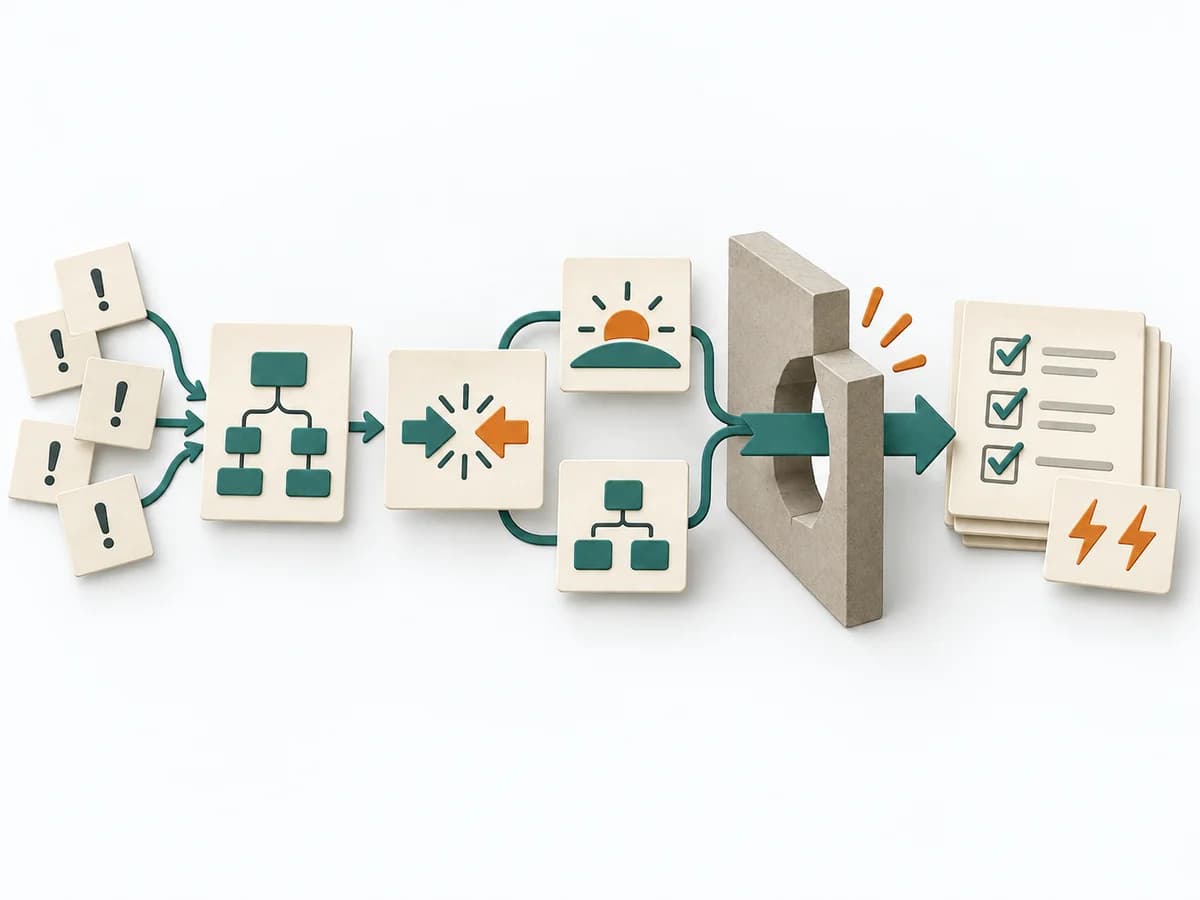
UDEs
Collect concrete undesirable effects and connect them causally in a Current Reality Tree.
Conflict
Model core conflict as an Evaporating Cloud with needs and assumptions.
Injection
Challenge assumptions and formulate an injection that dissolves conflict.
Future
Develop injection into desired effects in an FRT and test negative branches.
Implement
Translate obstacles, intermediate objectives, and actions into prerequisite/transition logic.
Add new evidence at review and version decisions with the prior state.
Der Theory of Constraints Thinking Process legt den Engpass eines Systems und die Logik dahinter frei. Er eignet sich, wenn viele Symptome auf denselben limitierenden Zusammenhang zurückfallen.
TOC TP logic package containing CRT, core conflict, injection, FRT, and implementation logic.
Fictional example
Fictional values show the actual method fields.
Collect concrete undesirable effects and connect them causally in a Current Reality Tree.
Long wait, overload, express conflicts; shared core: unstructured capacity promises.
Model core conflict as an Evaporating Cloud with needs and assumptions.
Need B fast commitment; Need C stable warehouse; D express anytime vs D′ capacity-bound slots.
Challenge assumptions and formulate an injection that dissolves conflict.
Capacity-visible express windows instead of anytime promise.
Develop injection into desired effects in an FRT and test negative branches.
Visible capacity → realistic slots → fewer peaks; NBR: emergencies lose access → reserved emergency window.
Translate obstacles, intermediate objectives, and actions into prerequisite/transition logic.
Obstacle no live capacity → hourly feed → Data owner, pilot 4 Nov.
All values are fictional.
Set system boundary and collect 5–10 concrete undesirable effects with evidence.
The Theory of Constraints Thinking Process exposes a system's bottleneck and the logic behind it. It suits situations where many symptoms trace back to the same limiting relationship.
First, undesirable effects are collected and condensed into a Current Reality Tree. The team then works with conflict, future reality, and prerequisite logic until a viable breakthrough path becomes visible. The method closes with concrete implementation assumptions and points of friction.
The TOC Thinking Process uses several logic diagrams to move from symptoms to a robust path of change. Current Reality Tree, Evaporating Cloud, Future Reality Tree, and other tools build on one another. The method asks in sequence what must change, what it should change to, and how the change can happen. That links root-cause analysis, conflict resolution, and implementation preparation.
Work slowly and test every cause-and-effect link for plausibility. Do not use the TOC tools in isolation when a change logic is needed. Keep assumptions visible and invite people who bring both system knowledge and decision space.
The method guide walks execution through 5 phases, timing, 5 pitfalls, and clear stop criteria.
Open method guideYour perspective
Your feedback helps shape the next improvements to methodatlas.
Set subject, evidence, roles, flow, and review.
To be confirmed
To be confirmed
Whole initiative Time: Several workshops over one to four weeks.
Complete this worksheet on paper or in your own document during the work.
Collect concrete undesirable effects and connect them causally in a Current Reality Tree.
...
Model core conflict as an Evaporating Cloud with needs and assumptions.
...
Challenge assumptions and formulate an injection that dissolves conflict.
...
Develop injection into desired effects in an FRT and test negative branches.
...
Translate obstacles, intermediate objectives, and actions into prerequisite/transition logic.
...
The blank worksheet contains prompts only.
Reference · original teaching example
Expected artifact: Current Reality Tree
Collect concrete undesirable effects and connect them causally in a Current Reality Tree.
Entry:
...
Expected artifact: Core cloud
Model core conflict as an Evaporating Cloud with needs and assumptions.
Entry:
...
Expected artifact: Injection
Challenge assumptions and formulate an injection that dissolves conflict.
Entry:
...
Expected artifact: Future Reality Tree
Develop injection into desired effects in an FRT and test negative branches.
Entry:
...
Expected artifact: Implementation tree
Translate obstacles, intermediate objectives, and actions into prerequisite/transition logic.
Entry:
...
...
Method guide: https://methodatlas.meierhoff-systems.de/en/methods/theory-of-constraints-thinking-process/run-sheet
Fitting alternatives with decision guidance, followed by other related methods.

Instead of Theory of Constraints Thinking Process, choose Soft Systems Methodology when you want to treat an ambiguous problem as a social system with different worldviews.
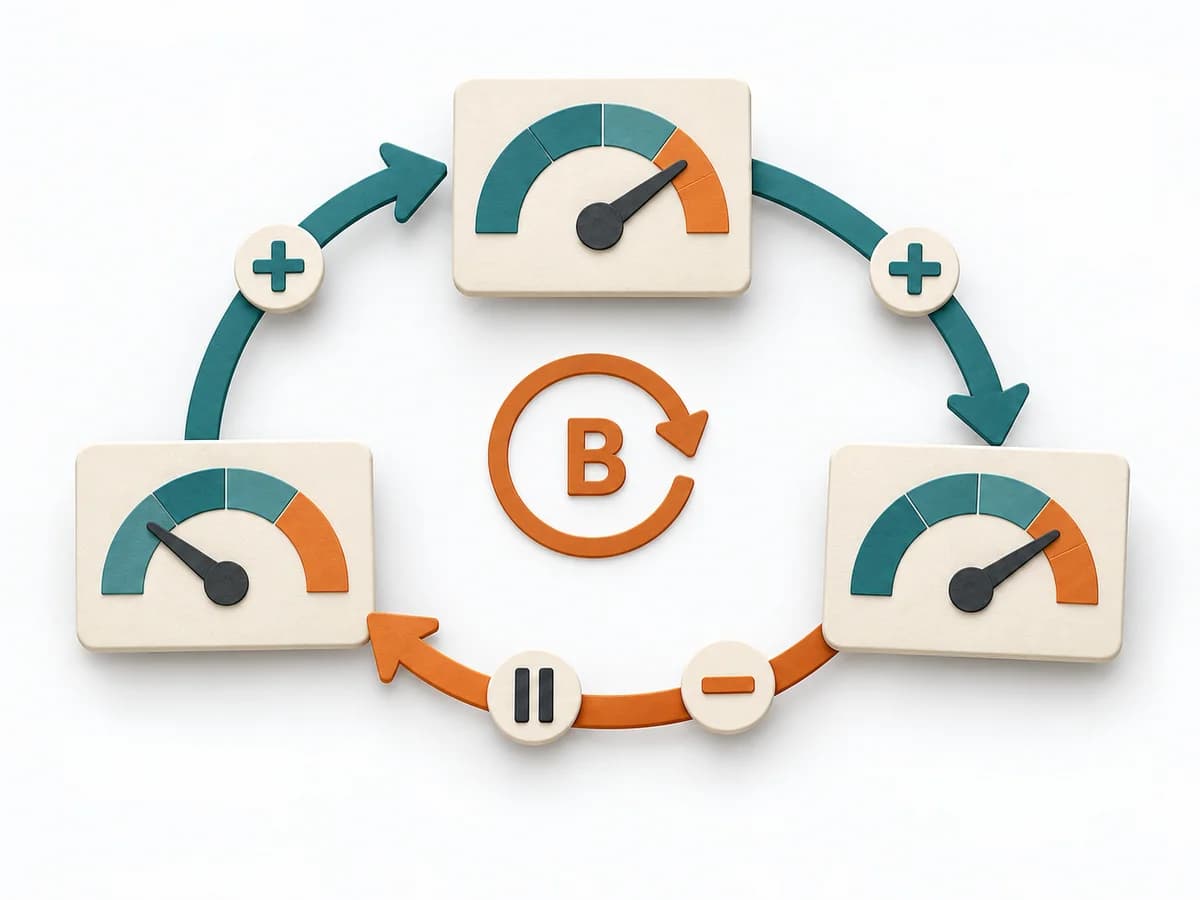
Instead of Theory of Constraints Thinking Process, choose Causal Loop Diagram when you want to make feedback loops, delays, and reinforcing loops in the system visible.
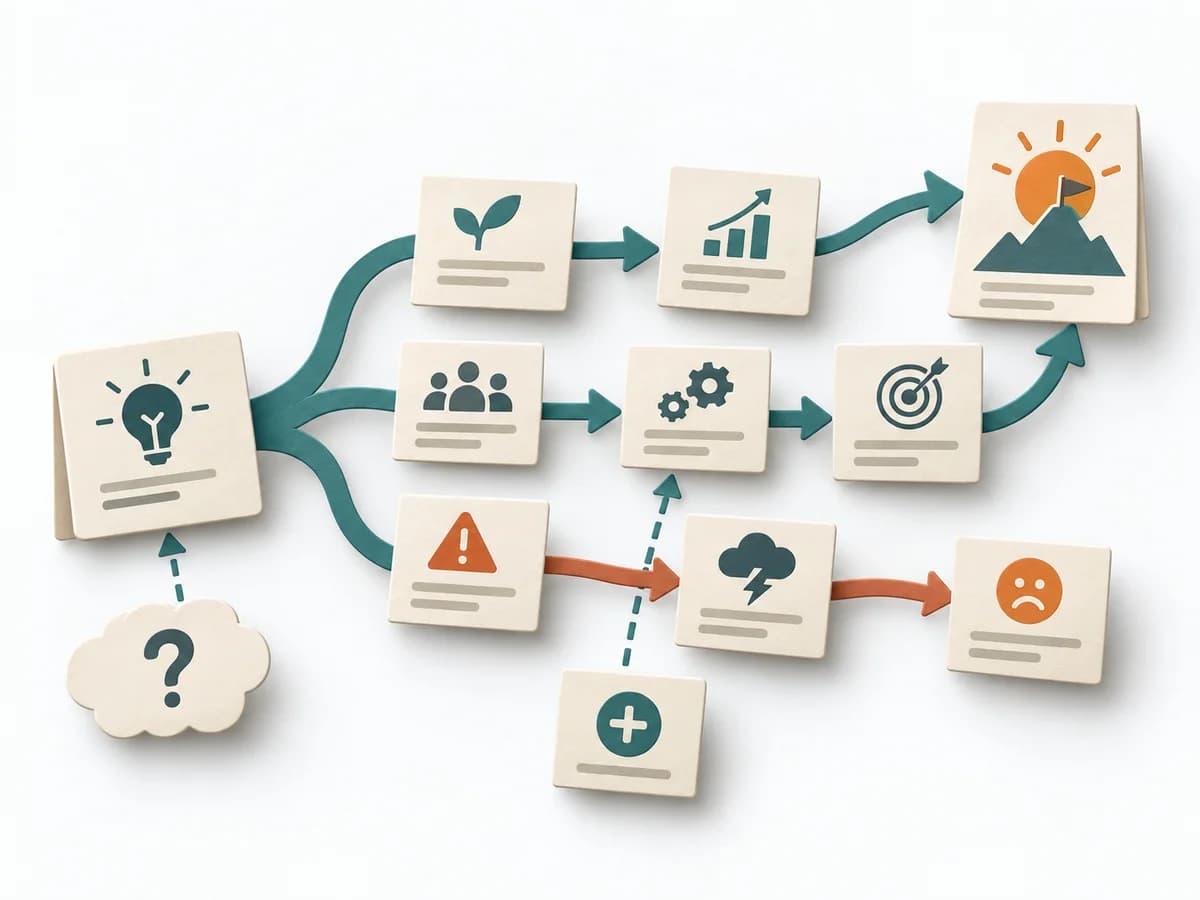
Tests a planned change against desired effects and uncovers side effects, assumptions, and weak points.
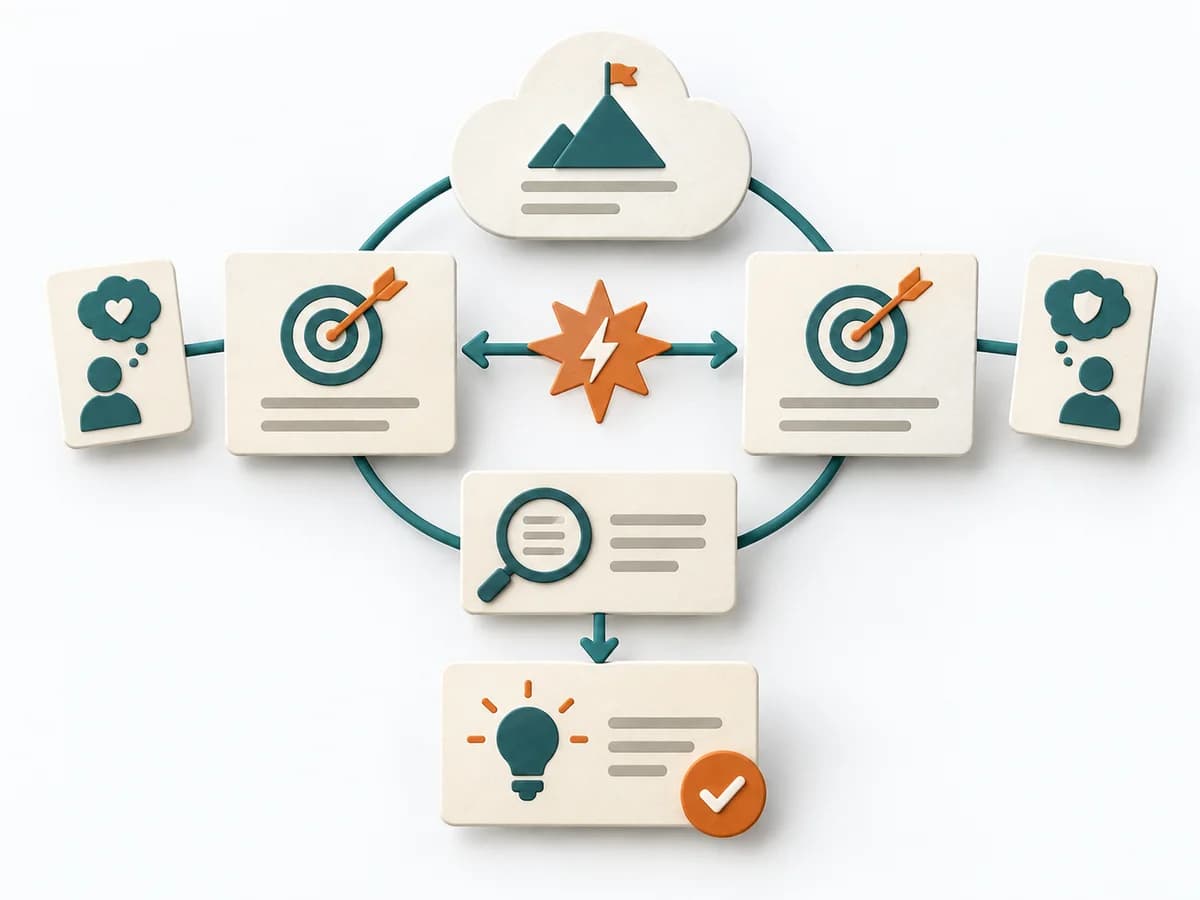
Explains a conflict through positions, needs, the shared objective, and the assumptions that keep the conflict in place.

Clarifies connections, patterns, and leverage points by collecting undesirable effects, formulating causal links, and deriving interventions.
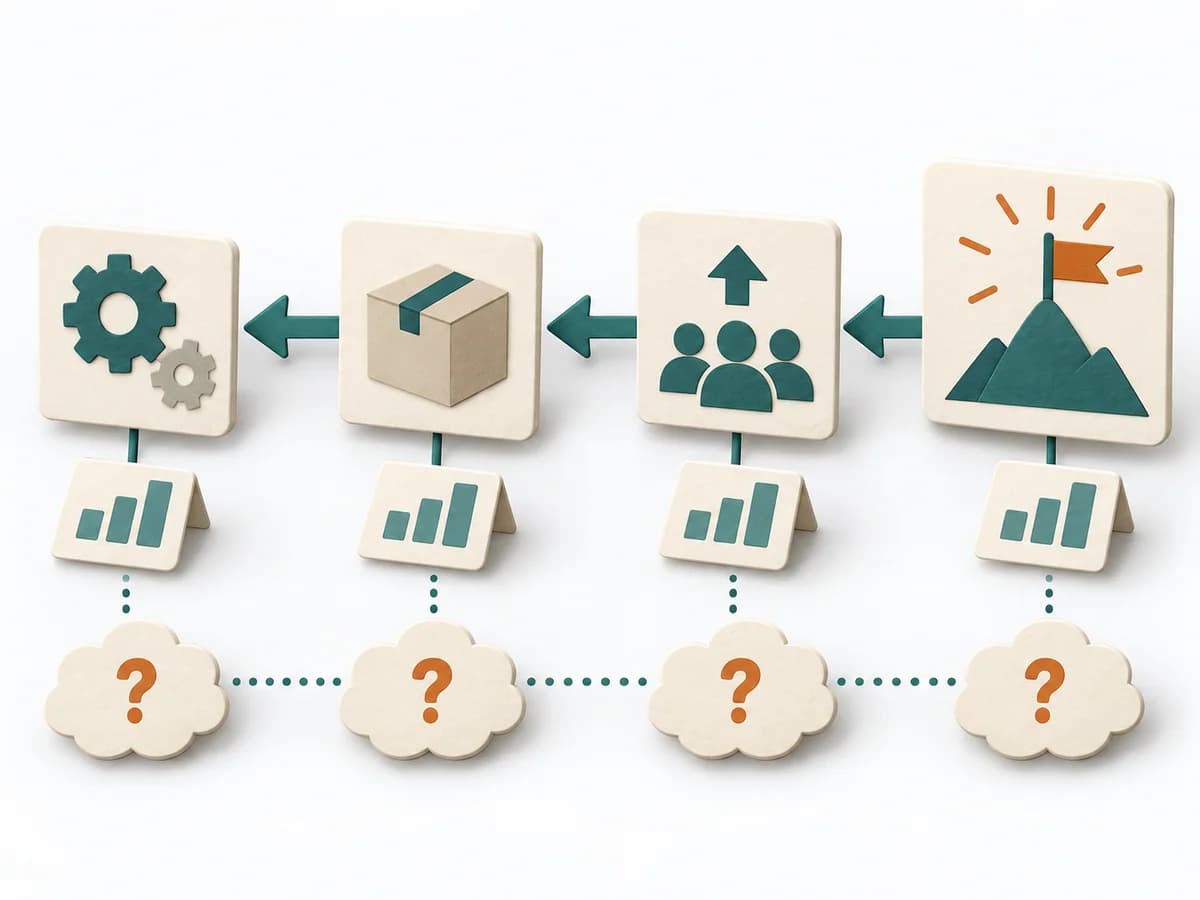
Clarifies connections, patterns, and leverage points by articulating long-term impact, working backward from outcomes, and defining measurement points and risks.