Purpose
Polarity Mapping makes tensions between two opposing poles tangible, such as standardization and adaptation or control and autonomy. The method guards against making apparent either-or decisions prematurely.
Systems Thinking Mapping tool
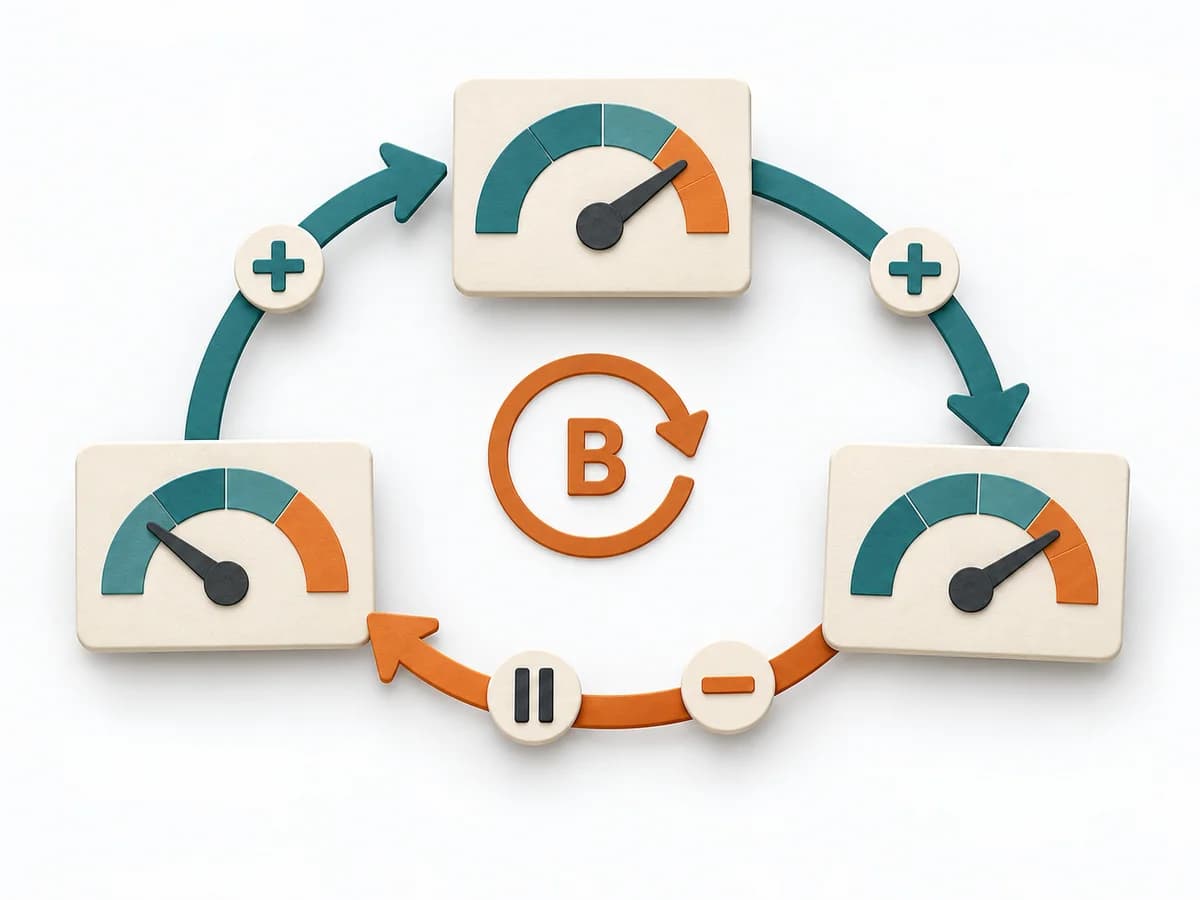
Manages an enduring tension so the benefits of both poles are used and overuse is detected early.
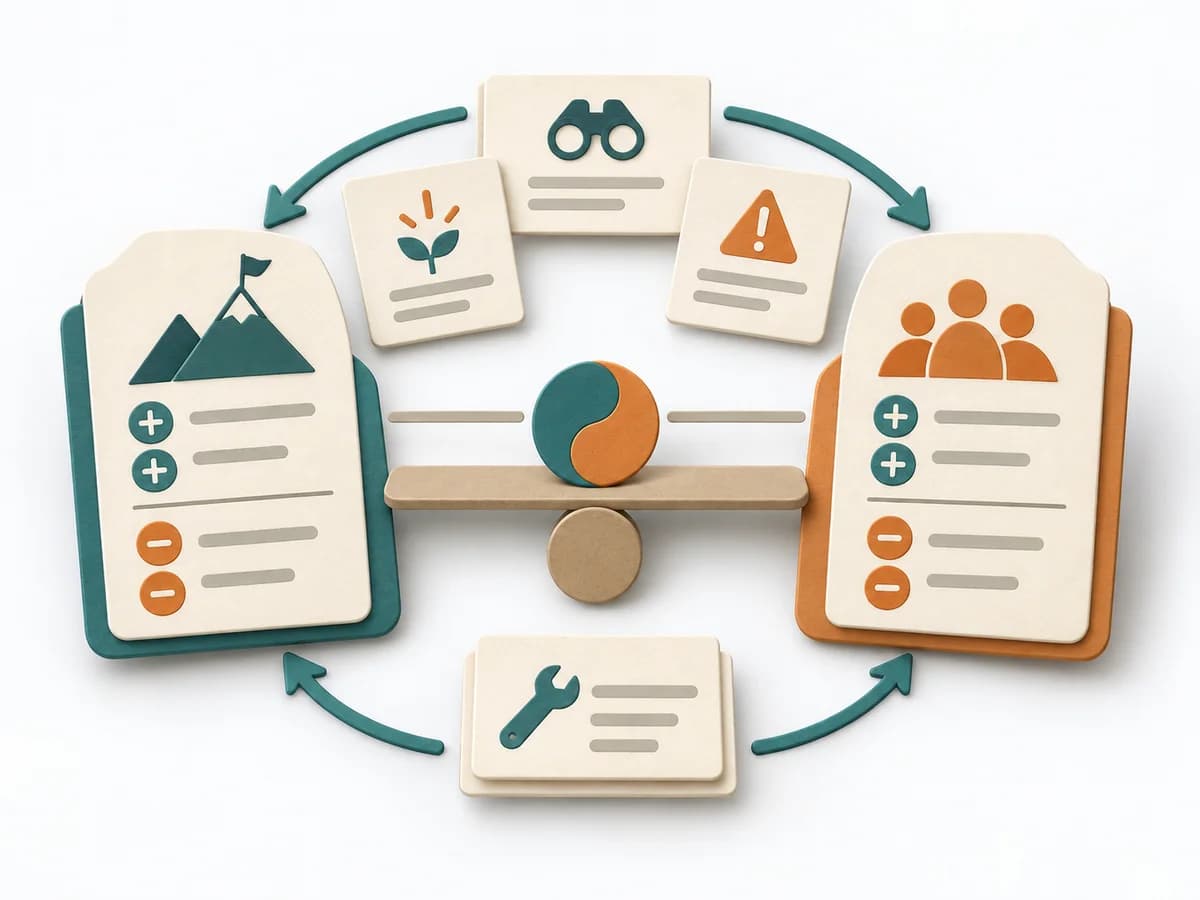
Polarity Mapping addresses interdependent opposites that cannot be solved permanently. The team identifies the upside of each pole, the downside of overemphasis, a shared higher purpose, concrete actions and early warning signals.
How can we use the upsides of both poles to reach our shared higher purpose?
Identify
Distinguish a recurring dilemma from a solvable problem and name both poles neutrally.
Map
Capture benefits and overuse costs for both poles with concrete examples.
Steer
Define actions that strengthen both upsides and signals that reveal a slide into downsides.
Review
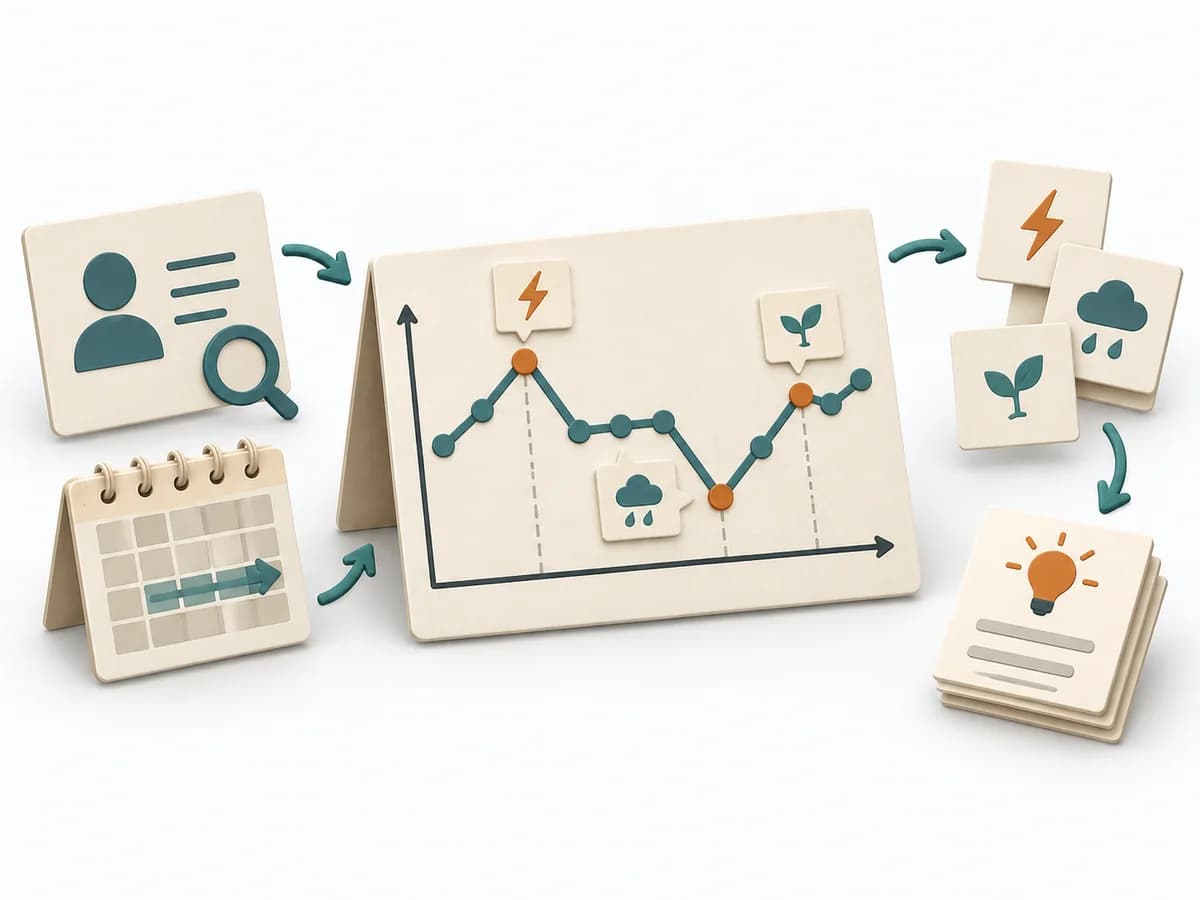
Use a regular cadence to assess system position and adjust emphasis.
Review actions and early warnings regularly; shift emphasis before a pole tips into its downside.
For recurring dilemmas such as stability and change, centralisation and autonomy, or short-term delivery and long-term quality.
Four quadrants with higher purpose and deeper fear.
Actions, owners, early warnings, thresholds, responses and review cadence.
Fictional example
The upper row captures benefits of both poles; the lower row captures costs of overemphasis.
What shared outcome becomes possible when both poles are used well?
Deliver customer value reliably
What benefits emerge when Pole A is used well?
Rapid delivery: early feedback and short learning cycles
What benefits emerge when Pole B is used well?
Sustainable quality: stable operations and changeable code
What costs appear when Pole A is overemphasised?
Rework and incidents
What costs appear when Pole B is overemphasised?
Long lead time and delayed learning
Check that both poles are needed over time and that an either-or choice would degrade the system.
Polarity Mapping makes tensions between two opposing poles tangible, such as standardization and adaptation or control and autonomy. The method guards against making apparent either-or decisions prematurely.
First, the two poles and their respective positive and negative effects are described. The team then collects early warning signs, tipping points, and practices that keep both sides in balance. This produces a map for ongoing management rather than a one-time decision.
Polarity Mapping holds up because it addresses tensions that cannot be resolved once and for all but must be balanced over time. Good application recognizes when a genuine both-and pattern is at play and when it is actually a normal either-or decision. The method becomes valuable when it makes the benefits of both poles visible while also naming warning signals that point to dangerous overcorrection.
Introduce with a tension field that recurs in everyday work, such as stability and change or autonomy and alignment. The exercise becomes relevant once the group recognizes that both sides are needed and that overemphasizing either one creates costs. End with early indicators, countermeasures, and a shared language for balancing this tension.
The method guide walks execution through 4 phases, timing, 4 pitfalls, and clear stop criteria.
Open method guideYour perspective
Your feedback helps shape the next improvements to methodatlas.
Check that both poles are needed over time and that an either-or choice would degrade the system.
To be confirmed
To be confirmed
Complete workflow Time: 75–120 minutes plus recurring reviews
Complete this worksheet on paper or in your own document during the work.
What shared outcome becomes possible when both poles are used well?
...
What benefits emerge when Pole A is used well?
...
What benefits emerge when Pole B is used well?
...
What costs appear when Pole A is overemphasised?
...
What costs appear when Pole B is overemphasised?
...
Polarity Partnerships: Polarity Thinking
Expected artifact: Polarity frame
A and B, higher purpose, deeper fear
Entry:
...
Expected artifact: Four populated quadrants
Upside A, Downside A, Upside B, Downside B
Entry:
...
Expected artifact: Action and warning plan
Action, owner, signal, threshold and response
Entry:
...
Expected artifact: Updated Polarity Map
Observation, adjustment and next review
Entry:
...
...
Method guide: https://methodatlas.meierhoff-systems.de/en/methods/polarity-mapping/run-sheet
Fitting alternatives with decision guidance, followed by other related methods.

Instead of Polarity Mapping, when you want to set driving and restraining forces of a change against each other.
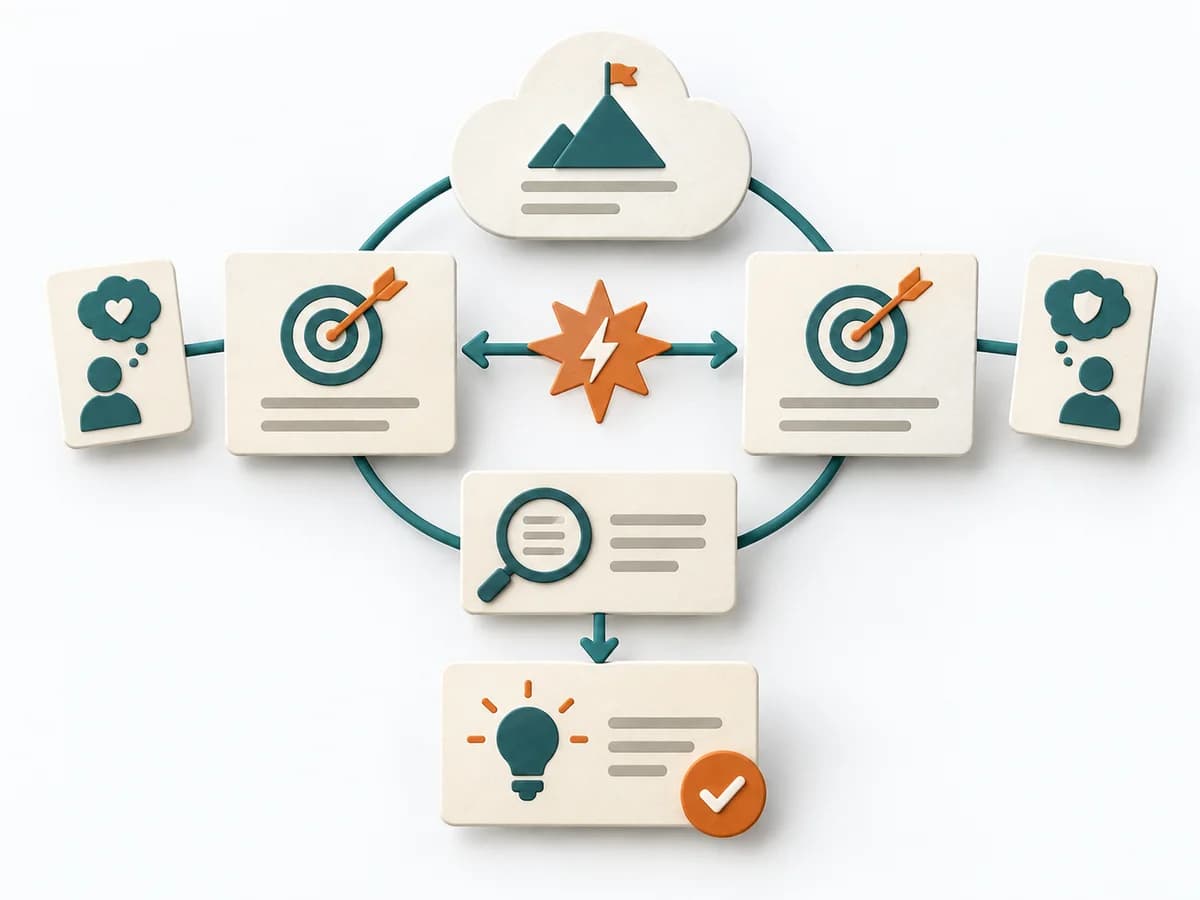
Explains a conflict through positions, needs, the shared objective, and the assumptions that keep the conflict in place.
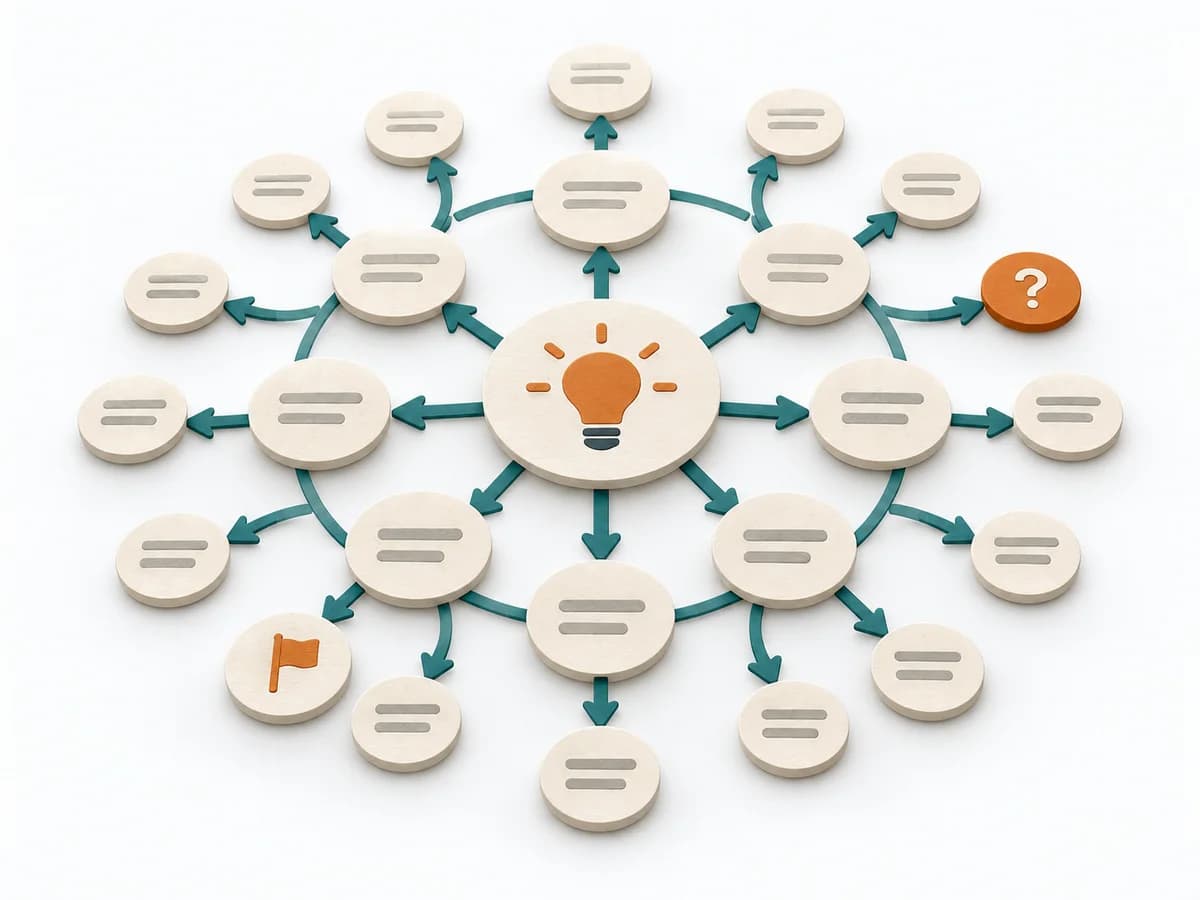
Arranges direct and indirect consequences of a change radially, so future impacts and cascades of consequences become visible.
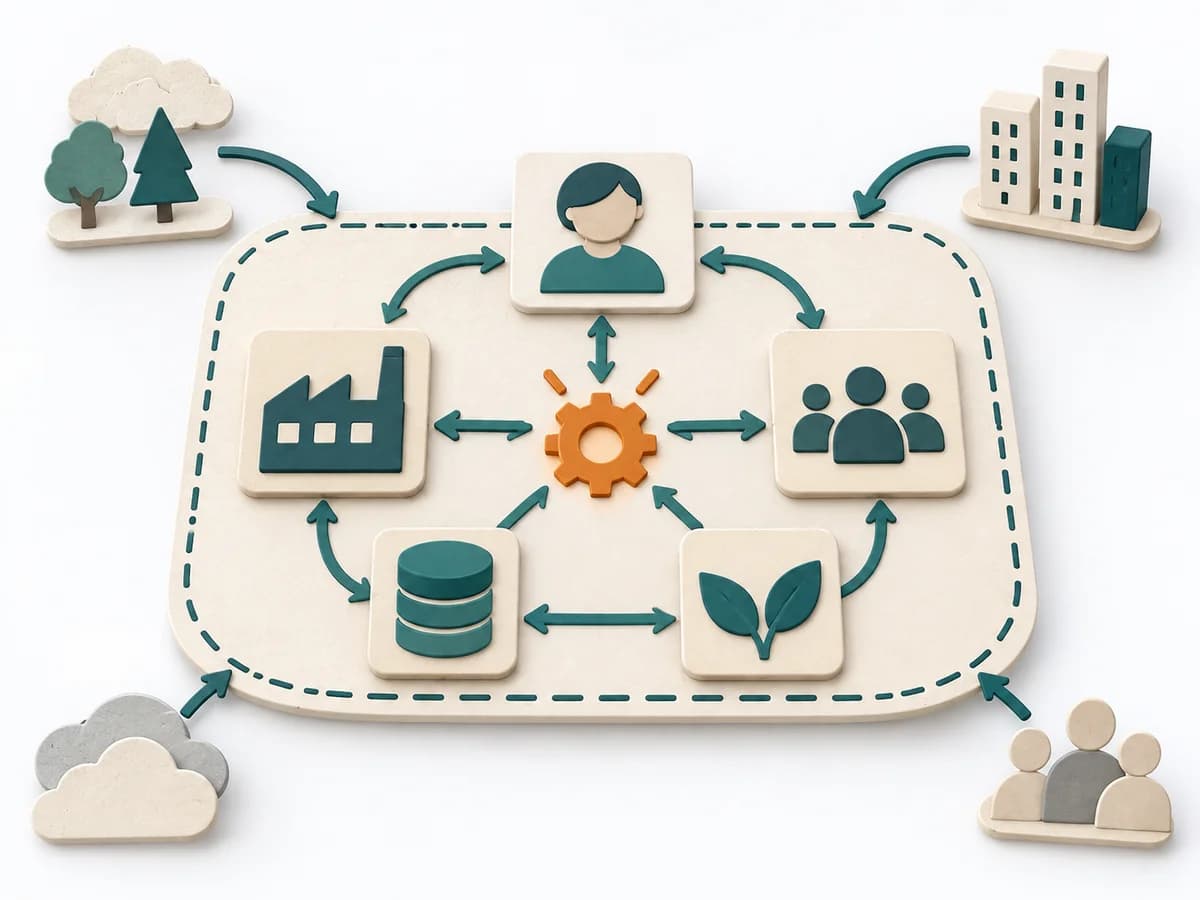
Arranges components, relationships, and flows into a system picture that exposes dependencies and levers.

Clarifies connections, patterns, and leverage points by collecting undesirable effects, formulating causal links, and deriving interventions.

Layers events, patterns, structures, and mental models to find deeper causes and interventions.