Purpose
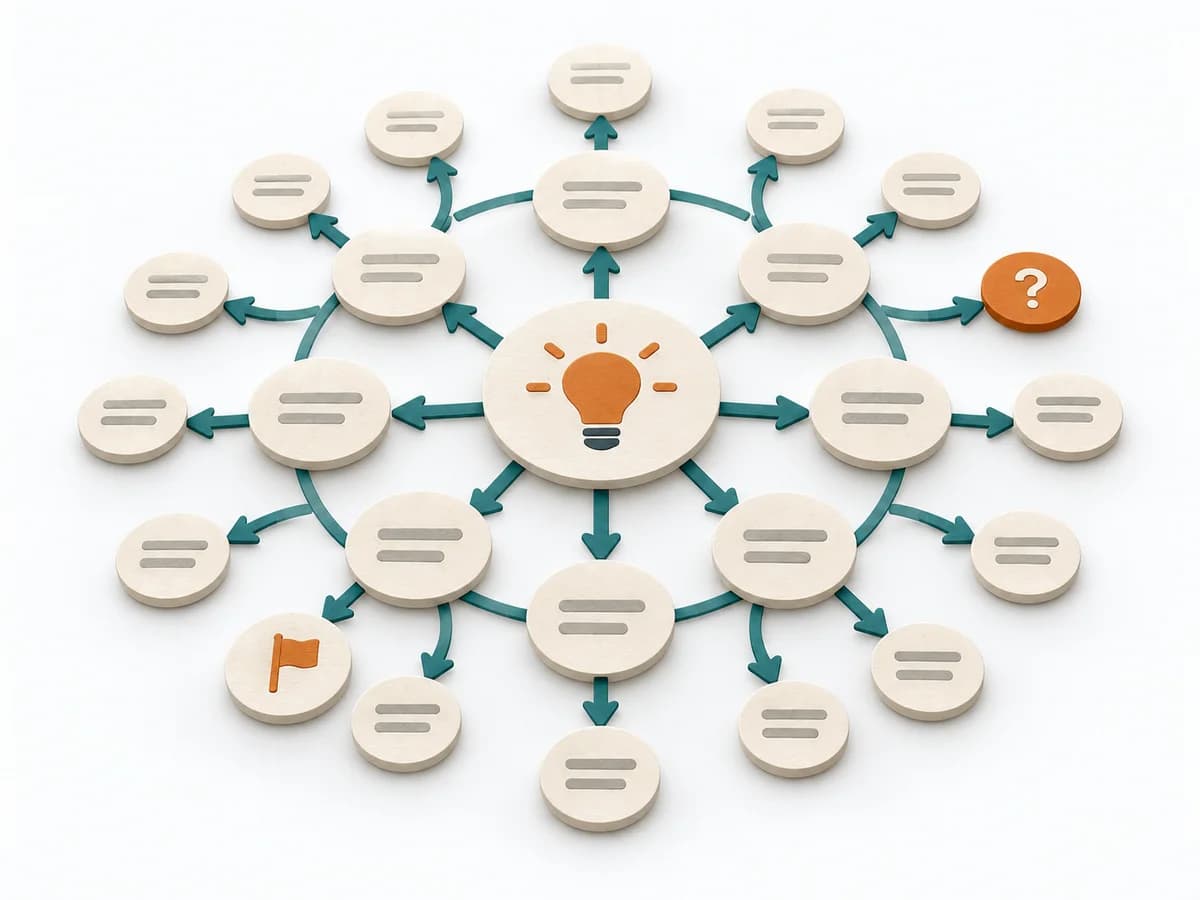
The Futures Wheel helps explore the consequences of a decision, a trend, or a strategic move in a structured way. It makes visible which first, second, and third-order effects could arise from an event.
Systems Thinking Mapping tool
Explores direct and indirect consequences of an event or change across multiple impact rings.
A futures wheel places a clear change in the centre, collects first-order consequences, and derives second- and third-order consequences. Links receive direction, horizon, and assumption.
Which direct and indirect consequences might this change trigger for different actors?
Futures Wheel uses central event with causally linked first- to third-order consequence rings. Assessments remain justified and context-bound.
Change
Specify central event, scope, timing, and assumption.
First order
Collect direct consequences per stakeholder without an intermediate cause.
Further orders
Derive second- and third-order consequences from every edge.
Implications
Prioritise uncertainty, signposts, opportunities, and risks.
Update after new evidence or a material context change and retain the previous version.
For strategic foresight and policy/product consequences involving several stakeholders.
futures wheel with traceable sources, assumptions, and domain decisions.
Owners, dates, and next review for futures wheel.
Fictional causal chains
Two concrete causal chains from the central change to third order; every consequence names parent, mechanism, and uncertainty.
| Consequence node | Node | Parent node | Order | Consequence | Mechanism | Uncertainty/signpost |
|---|---|---|---|---|---|---|
| Consequence 1Test one real consequence with its causal parent. | A1: Logging cost | Provenance duty from 2028 | 1 | Logging and storage effort rises. | Every AI answer needs source and model evidence. | Medium; monitor draft technical standards. |
| Consequence 2Test one real consequence with its causal parent. | A2: Shared service | A1: Logging cost | 2 | Small providers pool provenance infrastructure. | Fixed cost exceeds own scale advantage. | High; first managed services are a signpost. |
| Consequence 3Test one real consequence with its causal parent. | A3: Market concentration | A2: Shared service | 3 | A few provenance providers become critical dependencies. | Shared demand concentrates data and switching cost. | High; monitor provider shares and portability standards. |
| Consequence 4Test one real consequence with its causal parent. | B1: Answers blocked | Provenance duty from 2028 | 1 | Unsupported AI answers are stopped before release. | A compliance gate checks the complete source chain. | Medium; monitor enforcement guidance. |
| Consequence 5Test one real consequence with its causal parent. | B2: Longer response time | B1: Answers blocked | 2 | Users wait more often for verified answers. | Retrieval and source checks add processing steps. | Medium; measure P95 latency in pilot. |
| Consequence 6Test one real consequence with its causal parent. | B3: Auditability decides | B2: Longer response time | 3 | Buyers accept latency only for visibly higher trust. | Procurement weighs traceable provenance against speed. | High; monitor tender criteria and win/loss data. |
Order means distance from the central change, not importance.
Start with the core question: Which direct and indirect consequences might this change trigger for different actors?
The Futures Wheel helps explore the consequences of a decision, a trend, or a strategic move in a structured way. It makes visible which first, second, and third-order effects could arise from an event.
A central event or change is placed in the middle. Direct consequences are collected in the first ring, indirect consequences in the second and further rings. Connections show causal paths, uncertainties, and possible points of intervention.
The Futures Wheel works because it turns future thinking from a linear list into a visible network of consequences. A trend, a decision, or an event is treated as the starting point, after which direct consequences, indirect consequences, and interactions are added step by step. The method becomes strategically strong when consequences are not just collected but also marked by probability, impact, and need for action.
Keep the center statement concrete and checkable. Separate direct consequences from indirect consequences, otherwise the wheel quickly turns into an unsorted mind map. At the end, mark the three most important chains of consequences and derive signals, decisions, or experiments from them.
The method guide walks execution through 4 phases, timing, 4 pitfalls, and clear stop criteria.
Open method guideYour perspective
Your feedback helps shape the next improvements to methodatlas.
Plan Futures Wheel around its domain steps and the concrete decision question.
To be confirmed
To be confirmed
Establish and review the practice Time: 60–120 minutes
Complete this worksheet on paper or in your own document during the work.
| Consequence node | Record Node | Record Parent node | Record Order | Record Consequence | Record Mechanism | Record Uncertainty/signpost |
|---|---|---|---|---|---|---|
| Consequence 1 | ||||||
| Consequence 2 | ||||||
| Consequence 3 | ||||||
| Consequence 4 | ||||||
| Consequence 5 | ||||||
| Consequence 6 |
Do not record a consequence without parent node and justified mechanism.
The Millennium Project: Futures Research Methodology
Expected artifact: central change
central change · source · uncertainty · next decision
Entry:
...
Expected artifact: first ring
first ring · source · uncertainty · next decision
Entry:
...
Expected artifact: outer rings
outer rings · source · uncertainty · next decision
Entry:
...
Expected artifact: implication set
implication set · source · uncertainty · next decision
Entry:
...
...
Method guide: https://methodatlas.meierhoff-systems.de/en/methods/futures-wheel/run-sheet
Fitting alternatives with decision guidance, followed by other related methods.
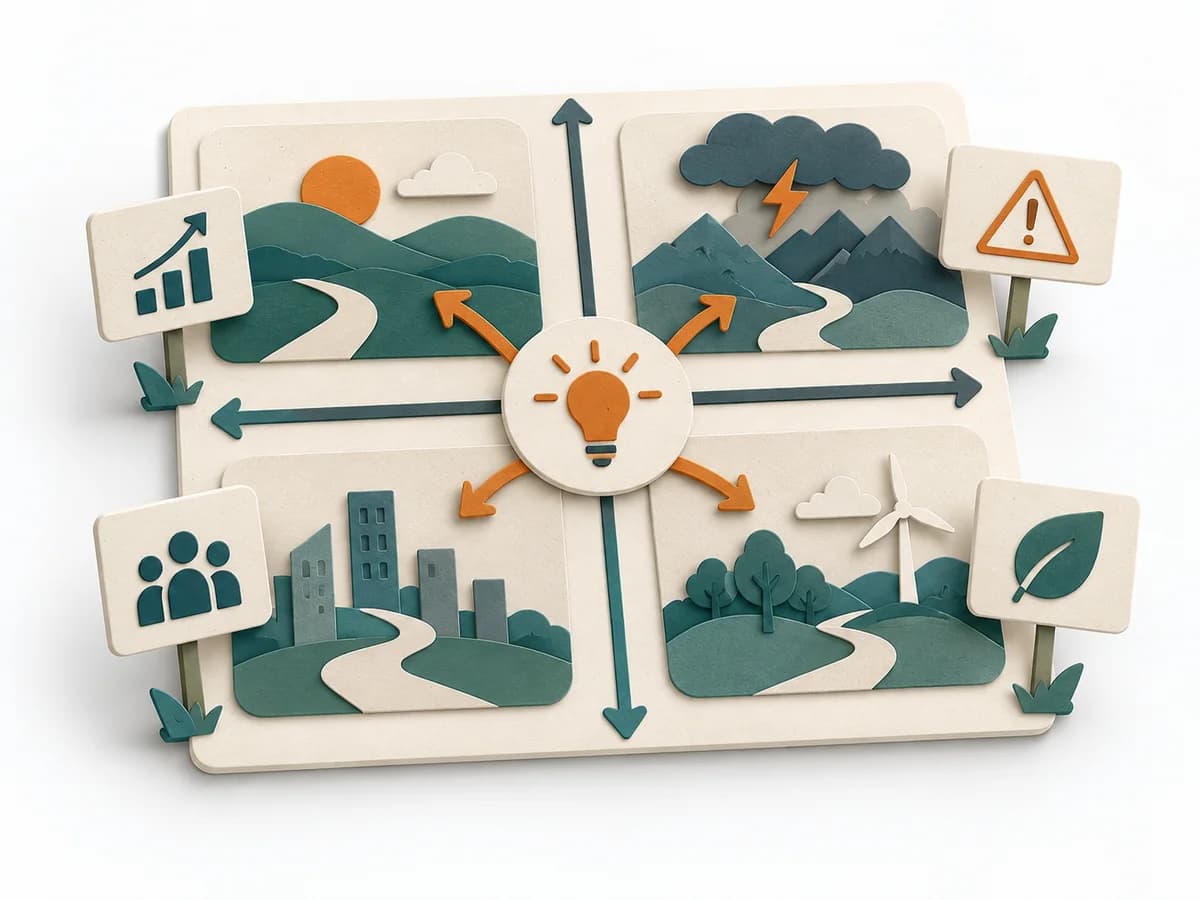
Instead of Futures Wheel, choose Scenario Planning when several plausible pictures of the future with different uncertainties should be developed.
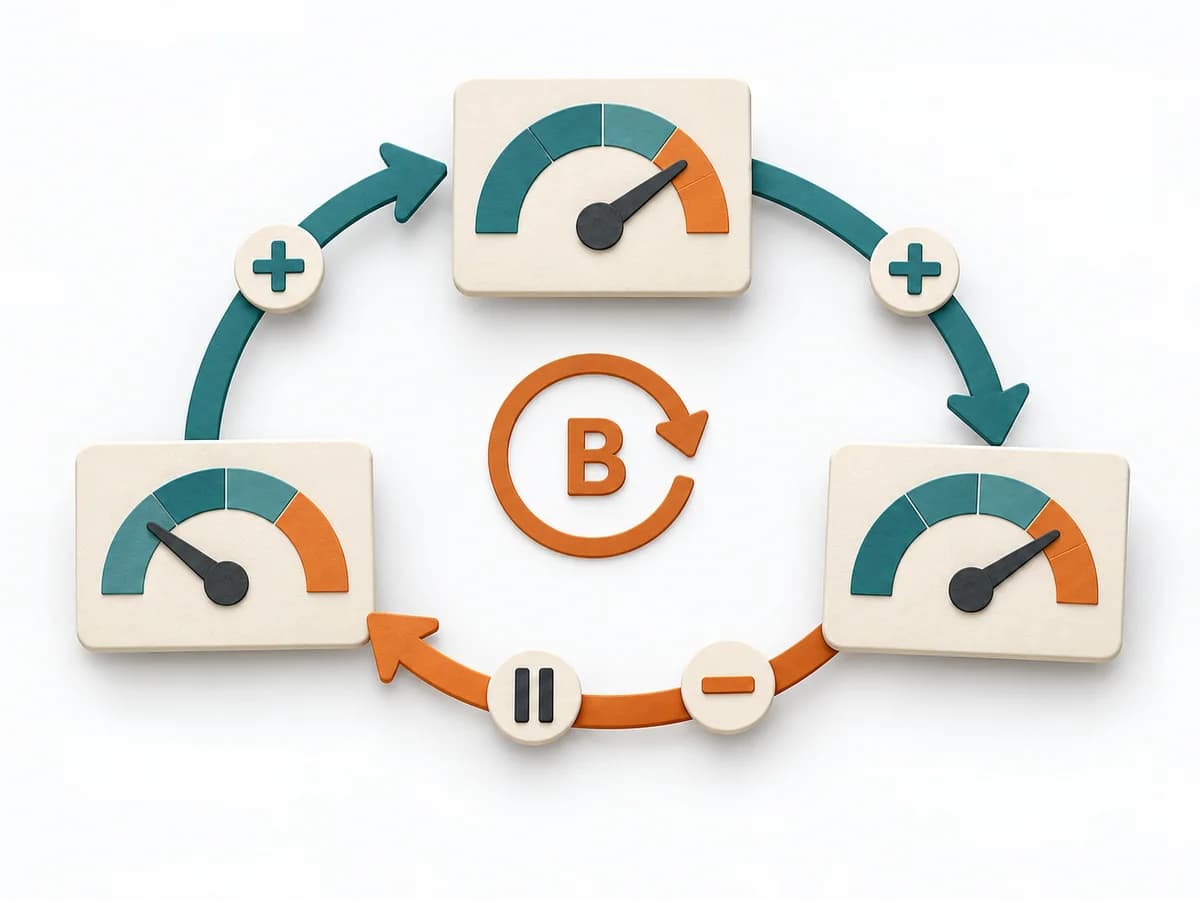
Instead of Futures Wheel, choose Causal Loop Diagram when feedback loops and reinforcing or balancing loops in the system should be modeled.

Instead of Futures Wheel, choose Mind Mapping when ideas should be gathered freely by association and causal consequences do not play a central role.
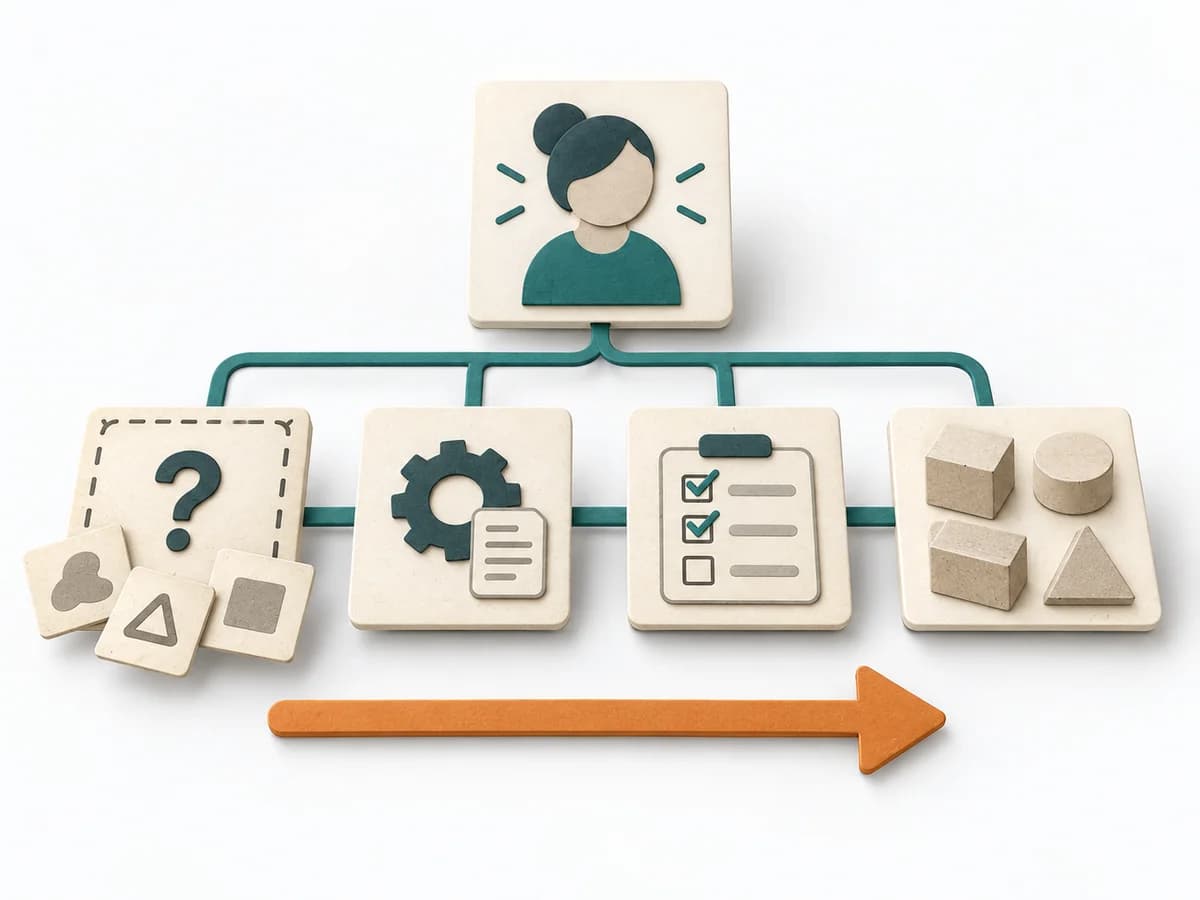
Maps value creation and evolution stages so strategic options, levers, and market movements become legible.
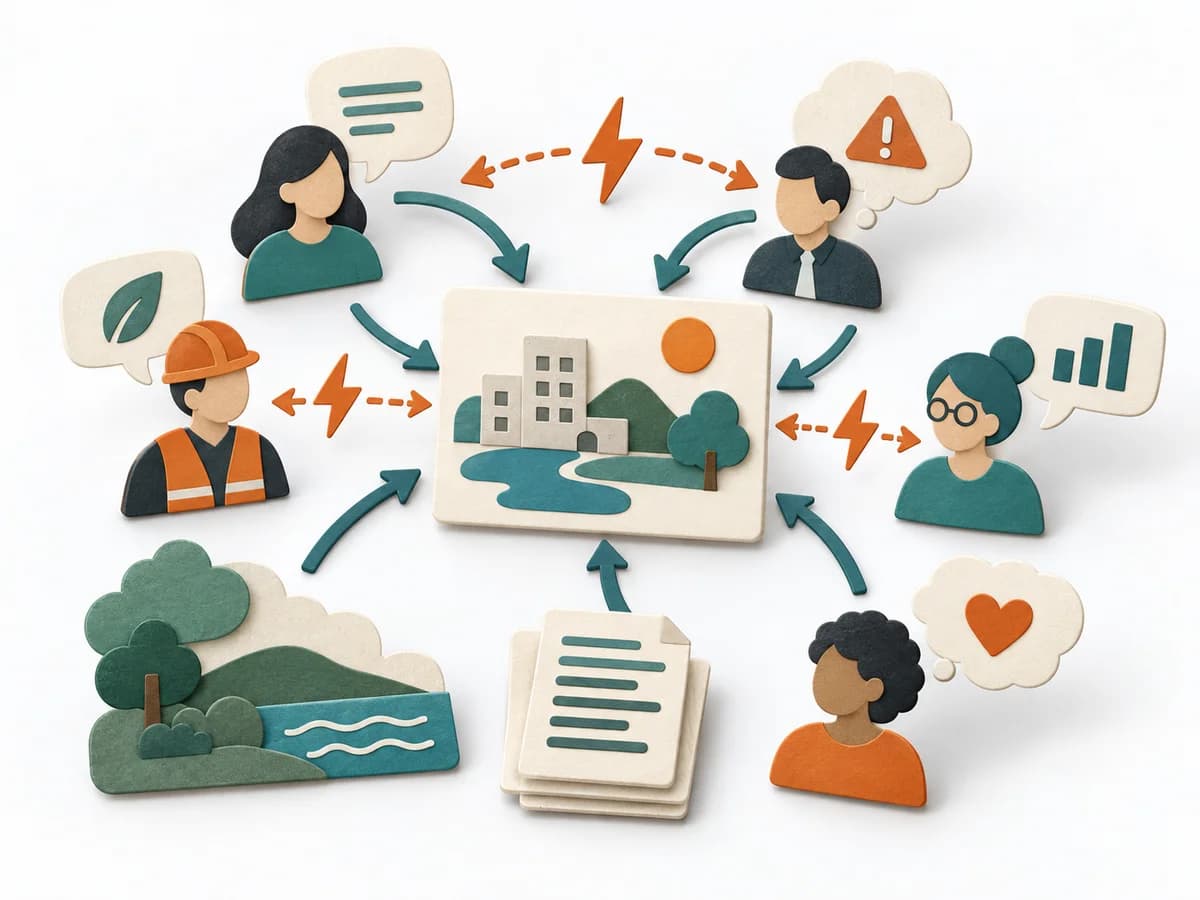
Makes an unclear problem situation visible with actors, tensions, and flows before premature solutions emerge.
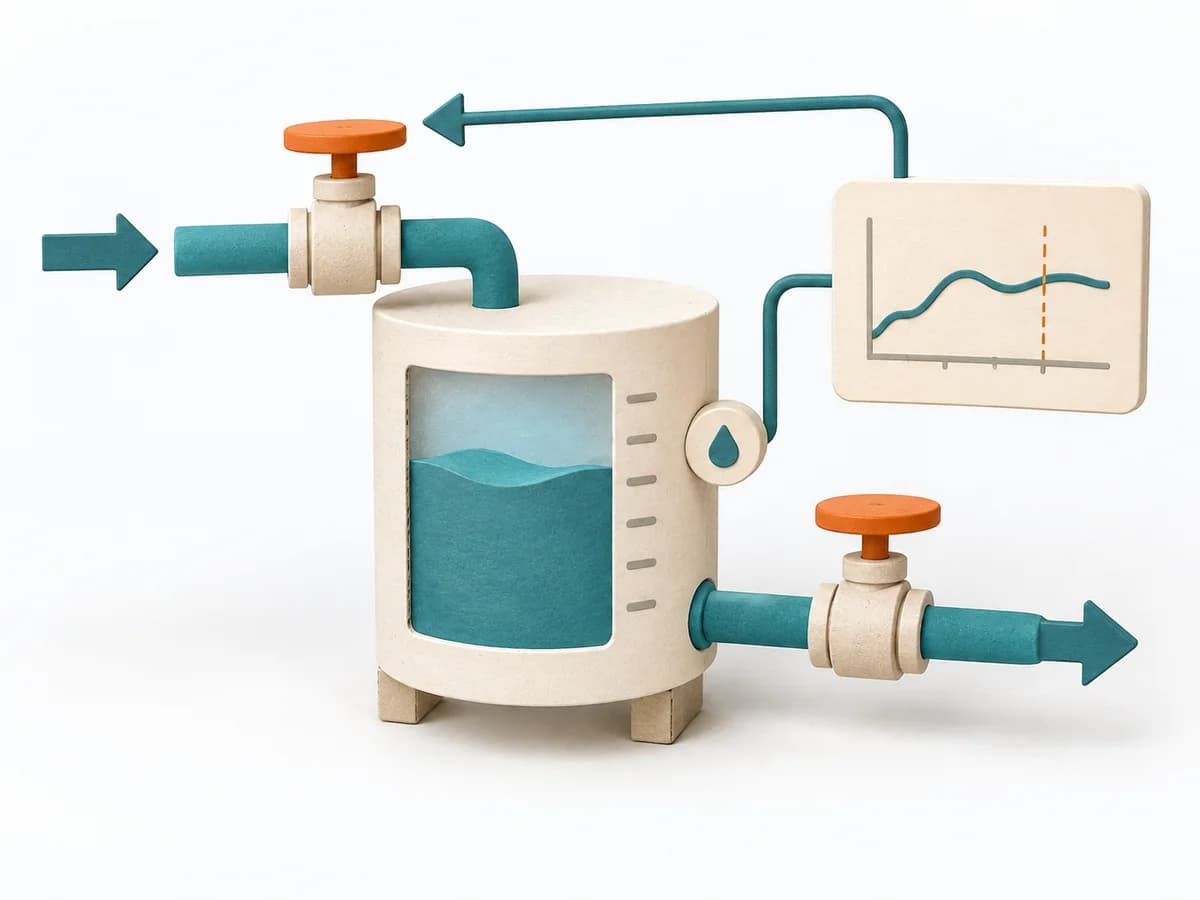
Models stocks, inflows and outflows, and delays to understand dynamics, bottlenecks, and capacity.