
Purpose
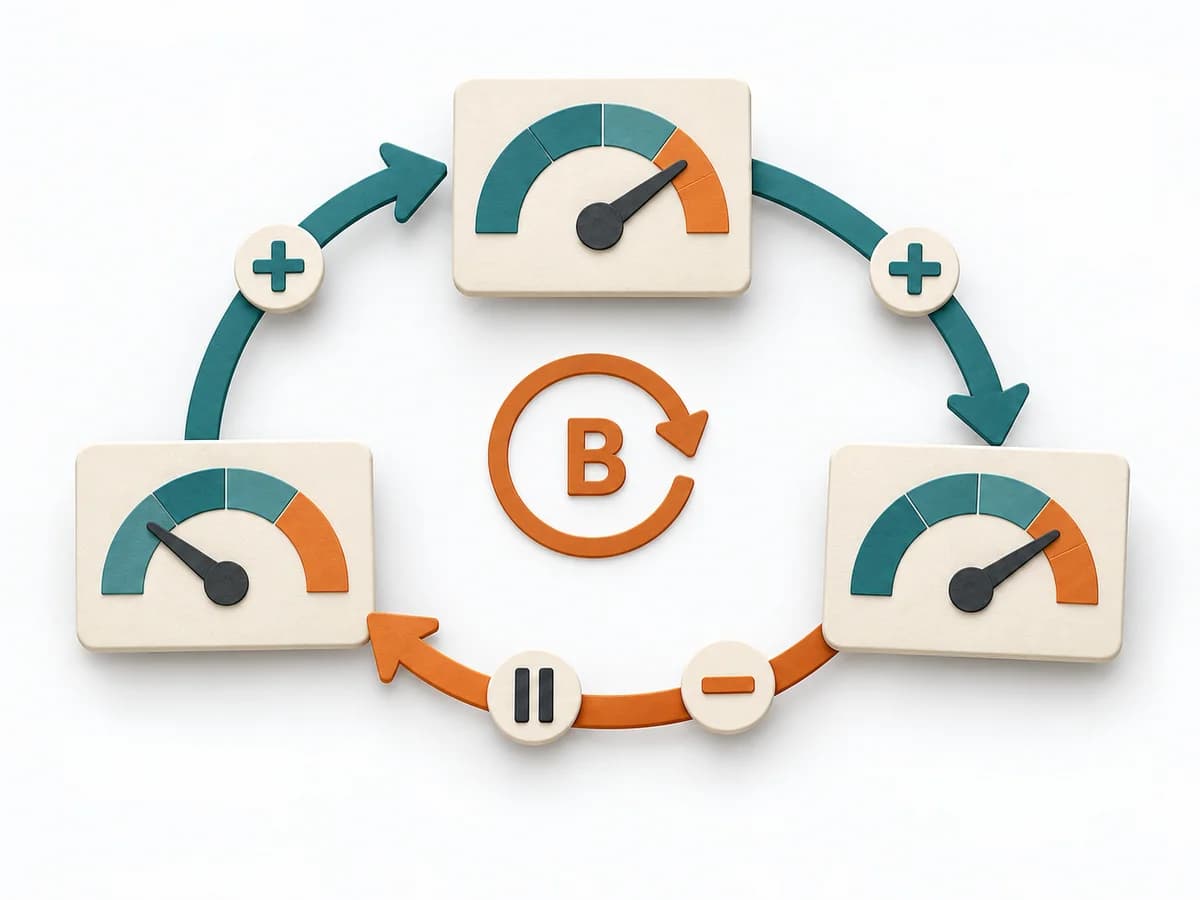
System Dynamics Simulation makes assumptions about time, delay, and feedback testable through experiments. It draws relationships, patterns, and feedback loops. The result is captured as a simulation model and scenario reports.
Systems Thinking Analysis method
Translates a dynamic hypothesis into stock-flow equations and tests scenarios.
A system dynamics simulation defines stocks, flows, auxiliaries, units, and initial values. Calibration, dimensional checks, and sensitivity analysis limit false precision.
What feedback and accumulation structure generates the behaviour, and how do scenarios respond?
System Dynamics Simulation uses stock-flow model with dimensionally consistent equations, calibration, and sensitivity. Assessments remain justified and context-bound.

Reference mode
Define problem behaviour and horizon as data curves.
Build stock-flow
Model stocks, flows, feedback, and delays with equations.
Validate model
Test structure, extreme conditions, and historical fit.
Run scenarios
Compare interventions and parameter sensitivity over time.
Maintain model version, parameter sources, and deviations between simulation and observation.
For accumulative problems with feedback and delay where decisions depend on behaviour over time.
validated stock-flow model with traceable sources, assumptions, and domain decisions.
Owners, dates, and next review for validated stock-flow model.
Fictional worked example
stock-flow model with dimensionally consistent equations, calibration, and sensitivity as a precise working structure with a fictional example.
Variable · unit · time series
Open tickets, daily, 26 weeks.
Stock · inflow · outflow
Backlog; new/resolved tickets per day.
Formula · unit · source
Δt=1 day; Out=min(Stock/Δt, Agents×Productivity) [tickets/day]; State next=State+(In−Out)×Δt.
Tests · range · intervention
±20% sensitivity; reduce recurrence from W6.
The example demonstrates the domain logic of System Dynamics Simulation; worksheets remain blank.
Start with the core question: What feedback and accumulation structure generates the behaviour, and how do scenarios respond?
System Dynamics Simulation makes assumptions about time, delay, and feedback testable through experiments. It draws relationships, patterns, and feedback loops. The result is captured as a simulation model and scenario reports.
First, stocks, flows, rules, and delays are formulated as a simulation model. The team then tests various scenarios and varies the assumptions until visible patterns emerge. The results help make robust decisions against seemingly simple but deceptive linearizations.
System Dynamics Simulation goes back to Jay Forrester and combines qualitative models such as Causal Loop Diagrams with quantitative stocks, flows, and auxiliary variables. Tools such as Vensim, Stella, or Simantics calculate scenarios over time and enable policy tests. It is often used in sustainability, public policy, and strategy consulting.
Start with the stock-and-flow diagram. Use sensitivity analysis instead of emphasizing single-point forecasts. Keep assumptions explicit.
The method guide walks execution through 4 phases, timing, 4 pitfalls, and clear stop criteria.
Open method guideYour perspective
Your feedback helps shape the next improvements to methodatlas.
Plan System Dynamics Simulation around its domain steps and the concrete decision question.
To be confirmed
To be confirmed
Full initiative Time: Multiple sessions over 2–6 weeks
Complete this worksheet on paper or in your own document during the work.
Variable · unit · time series
...
Stock · inflow · outflow
...
Formula · unit · source
...
Tests · range · intervention
...
Enter only real input, sources, and decisions.
MIT System Dynamics in Education Project: Road Maps
Expected artifact: reference mode
reference mode · source · uncertainty · next decision
Entry:
...
Expected artifact: simulation model
simulation model · source · uncertainty · next decision
Entry:
...
Expected artifact: validation record
validation record · source · uncertainty · next decision
Entry:
...
Expected artifact: scenario comparison
scenario comparison · source · uncertainty · next decision
Entry:
...
...
Method guide: https://methodatlas.meierhoff-systems.de/en/methods/system-dynamics-simulation/run-sheet
Fitting alternatives with decision guidance, followed by other related methods.
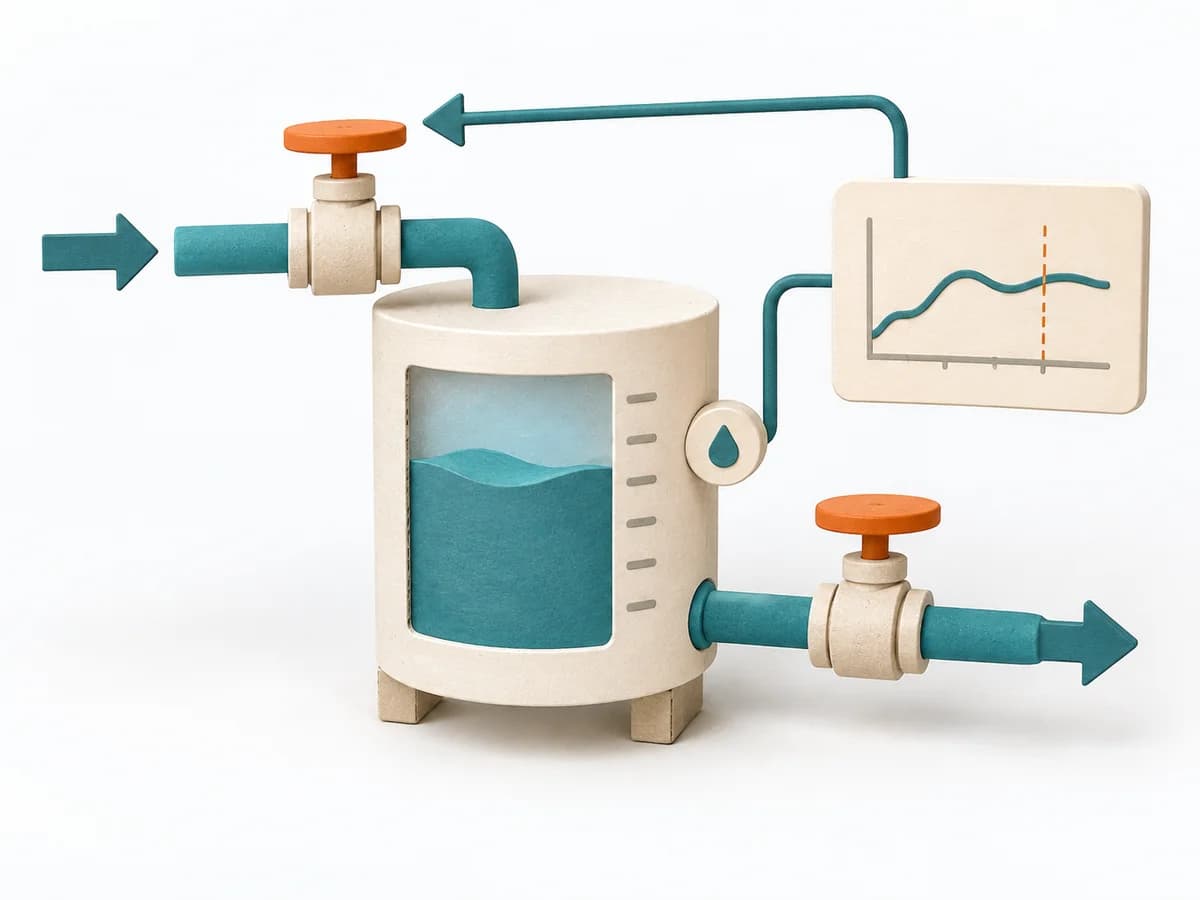
Instead of System Dynamics Simulation, choose Stock and Flow Diagram when you want to precisely model stocks, inflows and outflows, and their dynamics.

Moves relationships, patterns, and leverage toward a concrete result through "introduce the twelve leverage points", "collect planned actions", and "formulate a strategy across multiple levers".
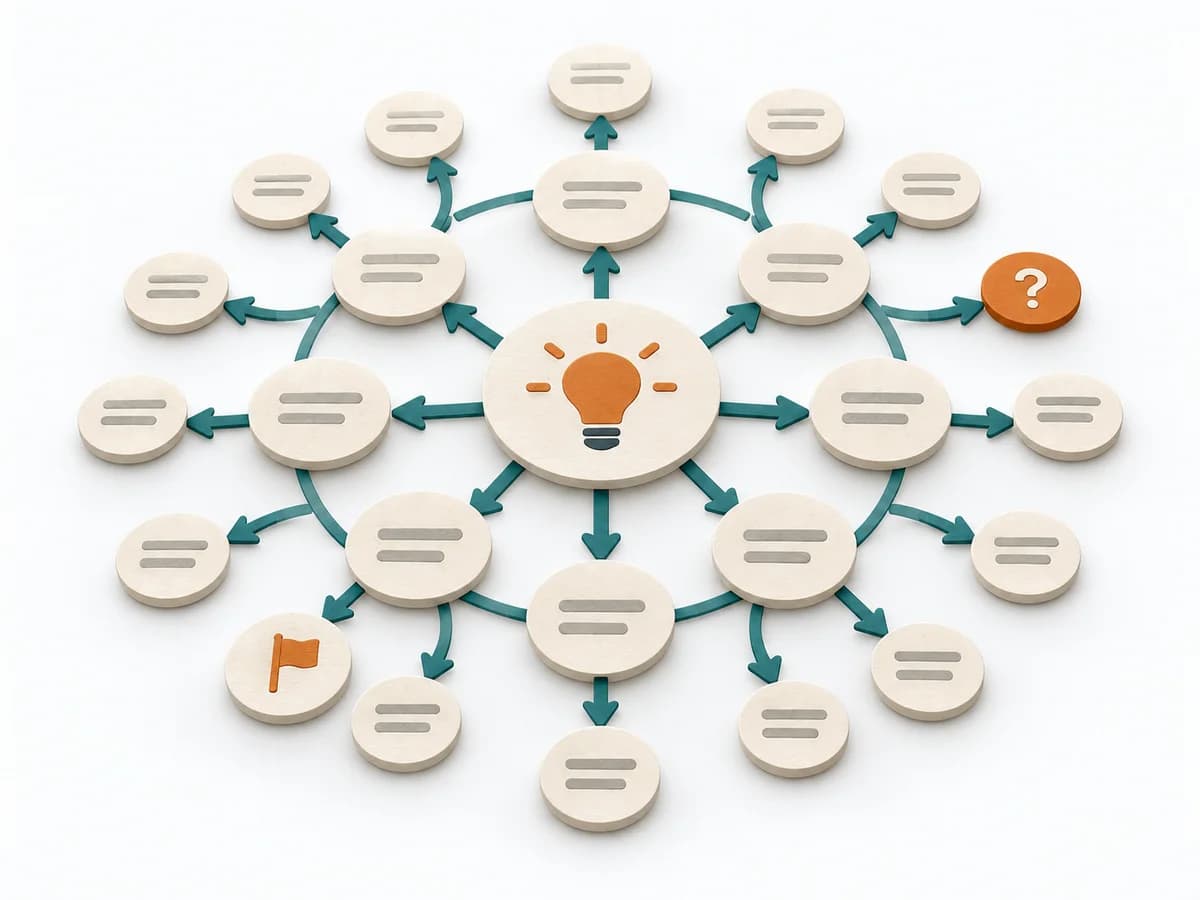
Arranges direct and indirect consequences of a change radially, so future impacts and cascades of consequences become visible.

Moves relationships, patterns, and leverage toward a concrete result through "formulate current observations", "introduce archetype cards", and "discuss leverage and derive actions".

Maps value creation and evolution stages so strategic options, levers, and market movements become legible.
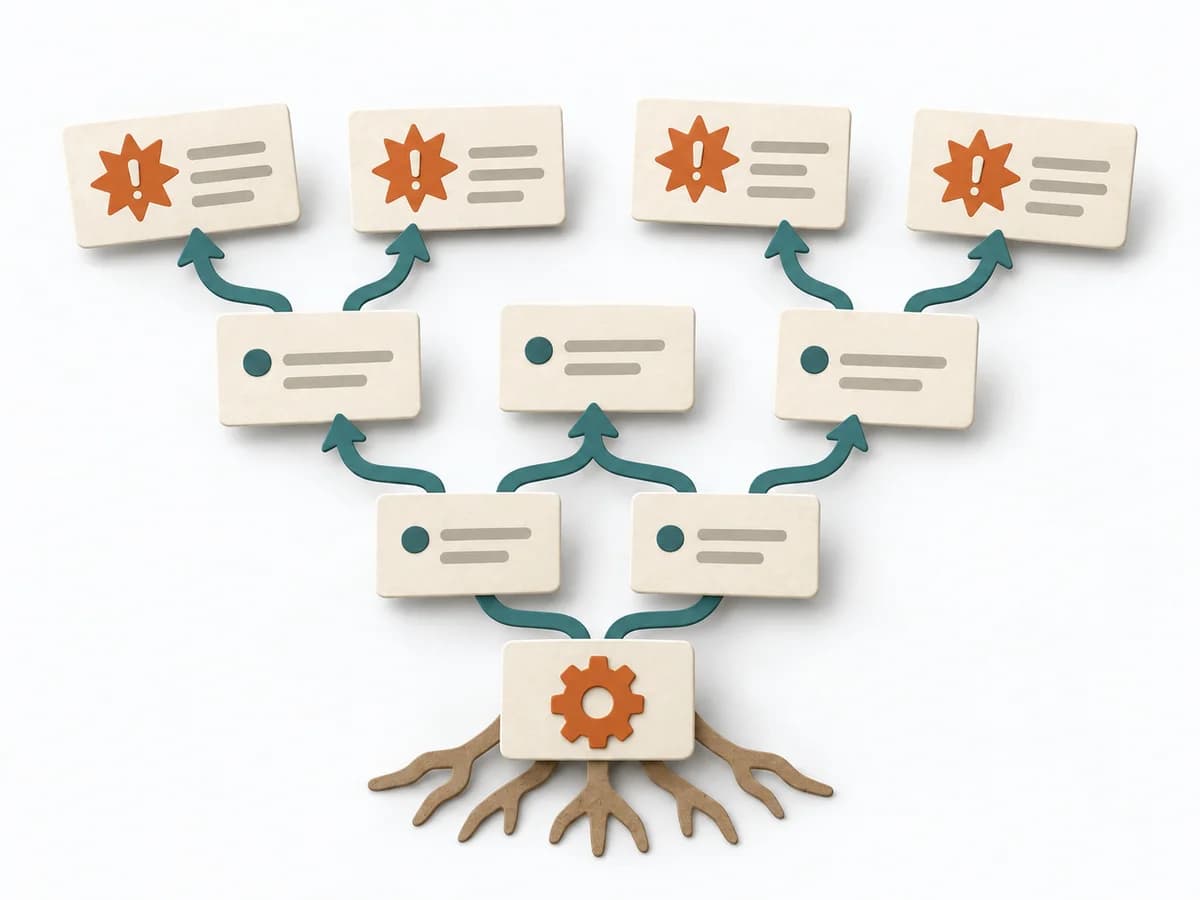
Clarifies connections, patterns, and leverage points by collecting undesirable effects, formulating causal links, and deriving interventions.