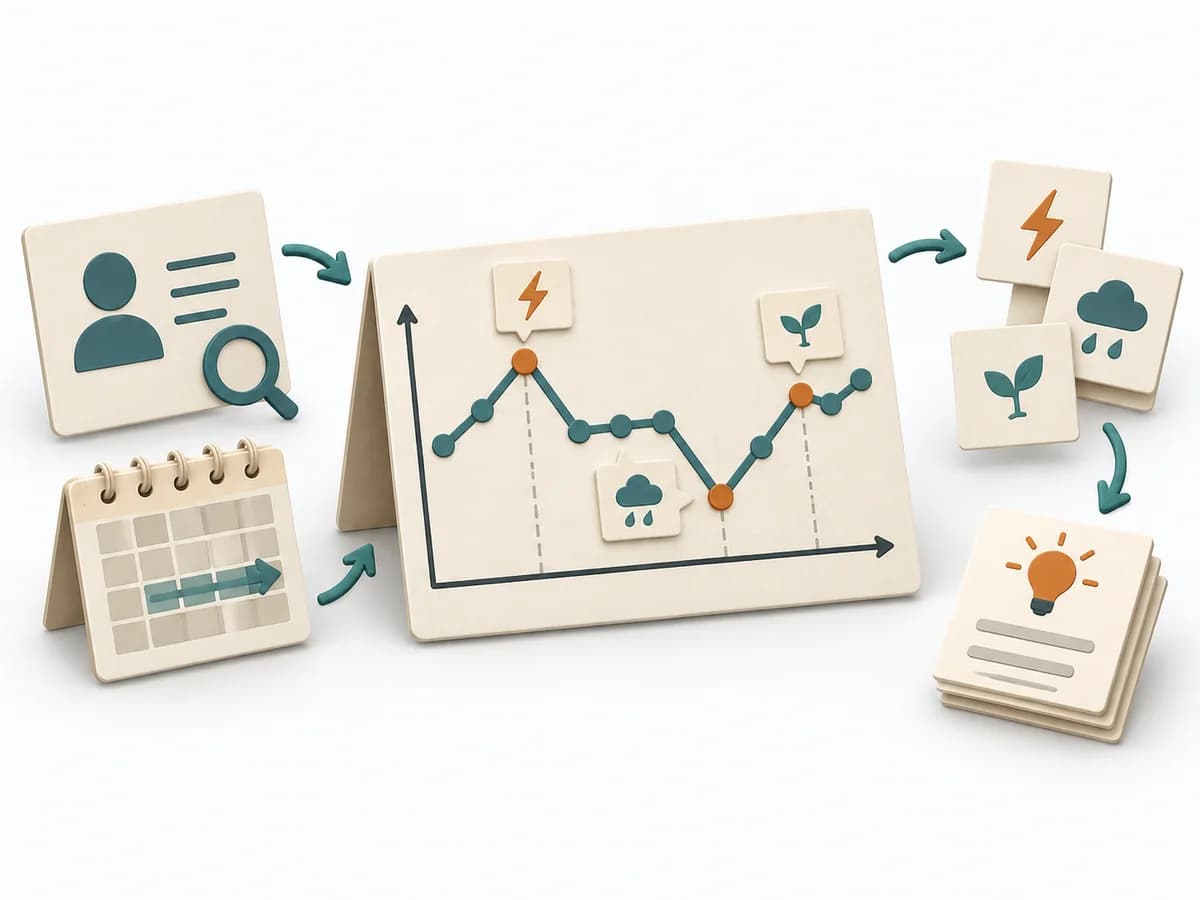

Purpose
System Archetypes make recurring dynamics such as Fixes that Fail or Limits to Growth recognizable. It draws relationships, patterns, and feedback loops. The result is captured as an archetype assignment and lever list.
Systems Thinking Mapping tool
Uses recurring feedback structures to explain problematic system dynamics.
Archetypes such as Fixes that Fail, Shifting the Burden, or Limits to Growth are hypotheses about loop structures. Observed behaviour must fit the archetype and use concrete variables.
Which feedback archetype explains the pattern, and where can the structure change?
System Archetypes uses match behaviour over time to causal loops of a known archetype. Assessments remain justified and context-bound.

Plot pattern
Plot key variables as behaviour over time.
Select candidates
Compare two candidate archetypes by loop structure.
Validate loops
Validate polarity, delay, and evidence with actors.
Change structure
Design a fundamental intervention and leading indicator.
Falsify or refine the archetype with new time series and intervention effects.
For recurring patterns over time where linear cause lists are insufficient.
archetype diagnosis with traceable sources, assumptions, and domain decisions.
Owners, dates, and next review for archetype diagnosis.
Fictional worked example
match behaviour over time to causal loops of a known archetype as a precise working structure with a fictional example.
| Subject | Behaviour pattern | Archetype | Loops | Leverage |
|---|---|---|---|---|
| archetype diagnosisWorked example | Backlog falls briefly then rises higher. | Shifting the Burden; alternative Fixes that Fail. | Contractors reduce causal learning with delay. | Cause feedback; share of recurring tickets. |
The example demonstrates the domain logic of System Archetypes; worksheets remain blank.
Start with the core question: Which feedback archetype explains the pattern, and where can the structure change?
System Archetypes make recurring dynamics such as Fixes that Fail or Limits to Growth recognizable. It draws relationships, patterns, and feedback loops. The result is captured as an archetype assignment and lever list.
The team compares the current situation with typical archetypes and checks where similar loops become visible. The underlying patterns, side effects, and countermeasures are then worked out. This turns vague frustration into an understandable behavior pattern within the system.
System Archetypes such as Limits to Growth, Shifting the Burden, Tragedy of the Commons, or Fixes that Fail were popularized around Peter Senge and Donella Meadows. Each archetype describes a recurring structure of loops and delays with characteristic leverage points. The method helps make blind spots in initiatives visible.
Keep archetype cards ready. Have the team test several possible archetypes before selecting one. Discuss leverage for each archetype.
The method guide walks execution through 4 phases, timing, 4 pitfalls, and clear stop criteria.
Open method guideYour perspective
Your feedback helps shape the next improvements to methodatlas.
Plan System Archetypes around its domain steps and the concrete decision question.
To be confirmed
To be confirmed
Full workshop Time: 90 minutes
Complete this worksheet on paper or in your own document during the work.
| Subject | Variable · curve · horizon | Name · matching structure · alternative | Variables · polarity · delay | Structural change · indicator |
|---|---|---|---|---|
| archetype diagnosis |
Enter only real input, sources, and decisions.
The Systems Thinker: Systems Archetypes
Expected artifact: behaviour curves
behaviour curves · source · uncertainty · next decision
Entry:
...
Expected artifact: candidate comparison
candidate comparison · source · uncertainty · next decision
Entry:
...
Expected artifact: validated loop map
validated loop map · source · uncertainty · next decision
Entry:
...
Expected artifact: intervention hypothesis
intervention hypothesis · source · uncertainty · next decision
Entry:
...
...
Method guide: https://methodatlas.meierhoff-systems.de/en/methods/system-archetypes/run-sheet
Fitting alternatives with decision guidance, followed by other related methods.
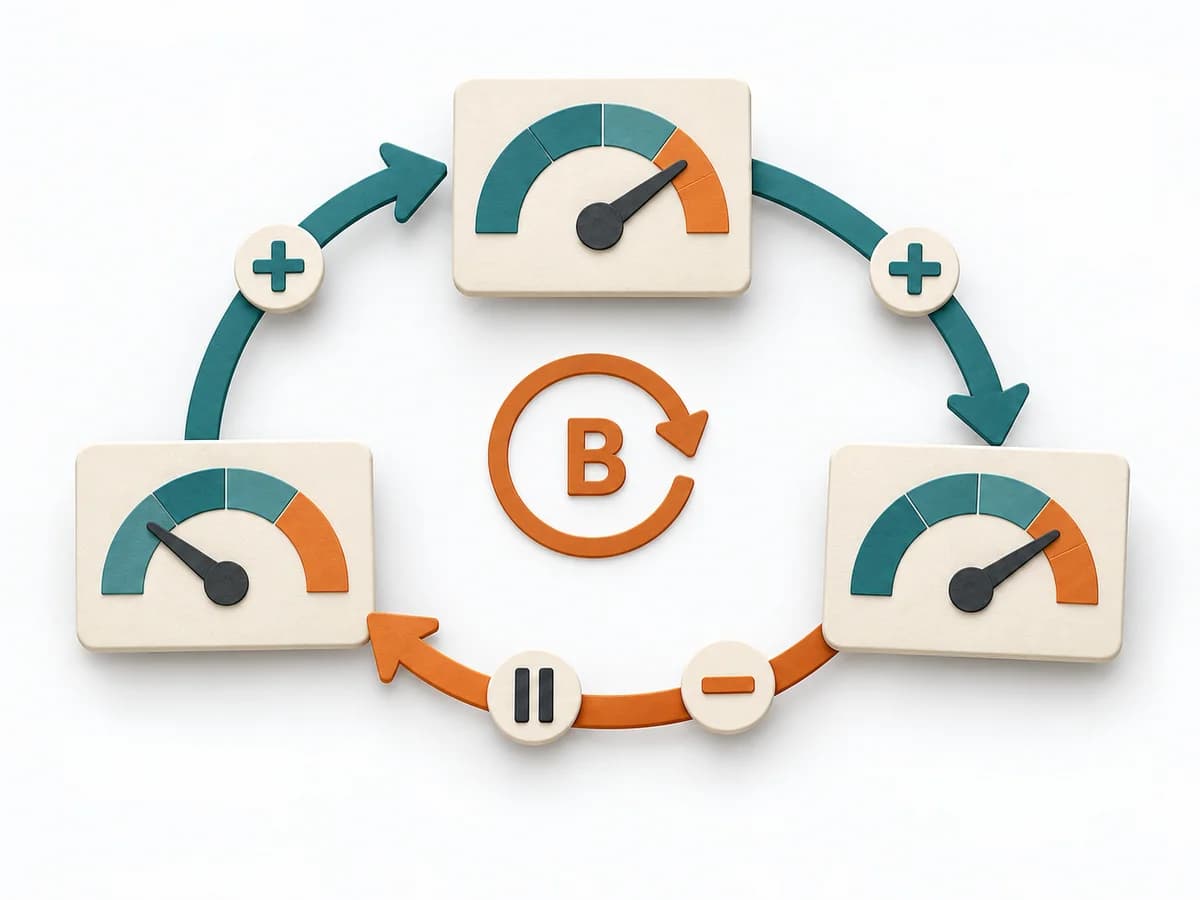
Instead of System Archetypes, choose Causal Loop Diagram when the concrete system needs to be drawn out first before an archetype can meaningfully fit.
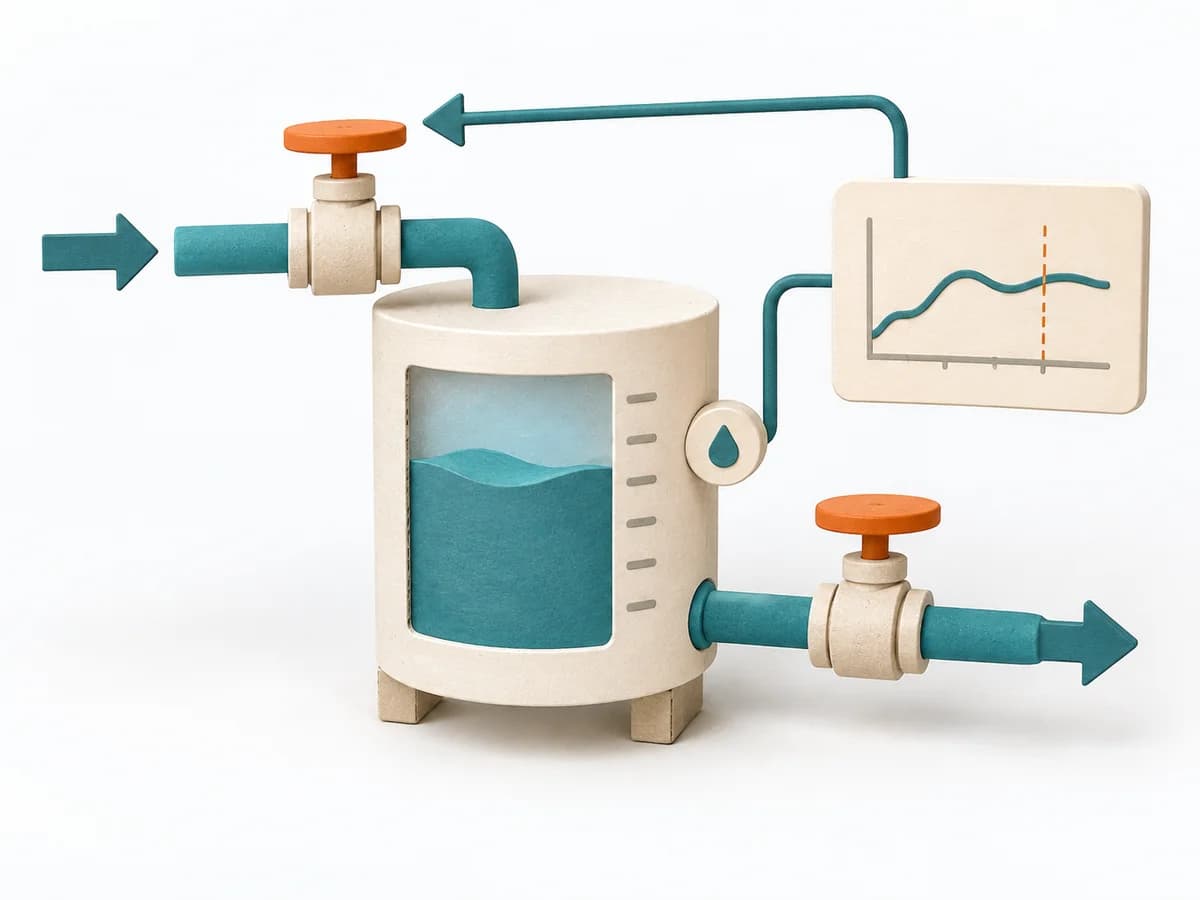
Models stocks, inflows and outflows, and delays to understand dynamics, bottlenecks, and capacity.

Makes an unclear problem situation visible with actors, tensions, and flows before premature solutions emerge.

Moves relationships, patterns, and leverage toward a concrete result through "define the question and time horizon", "define stocks and flows", and "run scenarios and vary assumptions".
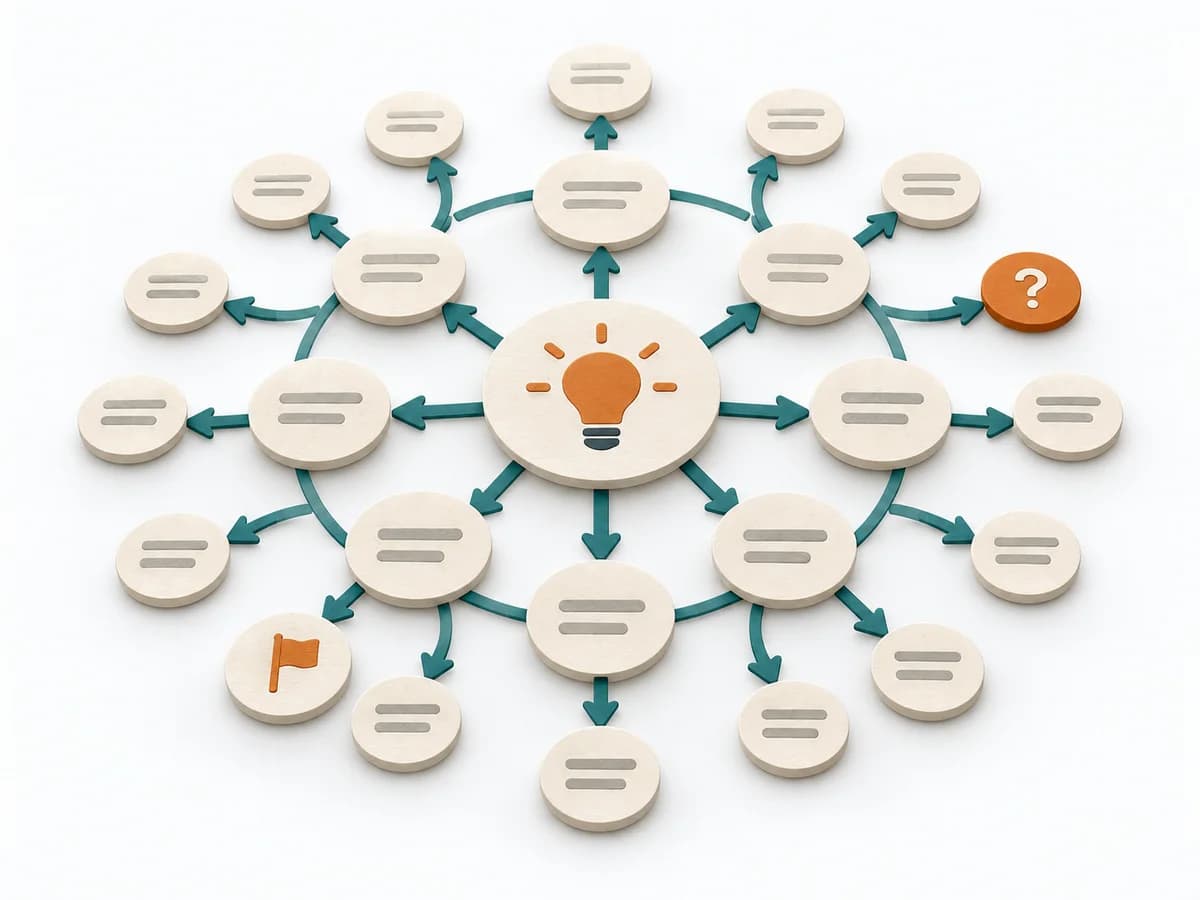
Arranges direct and indirect consequences of a change radially, so future impacts and cascades of consequences become visible.

Layers events, patterns, structures, and mental models to find deeper causes and interventions.