Purpose
When a topic is still unclear and too many thoughts surface at once, Mind Mapping creates an open surface for ordering them. It makes connections, subtopics, and starting points visible without fixing them too early.
Facilitation Mapping tool
Expands a topic radially and makes its key relationships visible.
Mind Mapping starts with a central image or keyword. Main branches, sub-branches, colors and images create a visual hierarchy, while labeled cross-links show associations.
Which major areas, details and relationships belong to this central topic?
Example and worksheet use the same method-specific structure.

Center
One vividly named topic gives every branch the same reference.
Branches
Radial hierarchy makes major areas and details distinguishable at a glance.
Links
Associative relationships and weakly developed areas become visible.
Focus
The open map leads to a bounded next working state.
Keep the map changeable: move, condense or add branches as new relationships emerge.
Useful for individual or group exploration, recall and structuring of an open topic. Other representations work better for formal arguments or precise process sequences.
Hierarchical main and sub-branches with keywords, images and cross-links.
Selected priorities with open questions and next steps.
Fictional example
Fictional structure for “How might we improve course onboarding?”
Who is involved?
Learners · support
What must be understood?
First course · progress
Central question or image
How can the first learning success happen?
What makes starting harder?
Unclear navigation · access
How will progress be visible?
Start rate · first completion
Formulate one core question and place a large blank surface in landscape orientation.
When a topic is still unclear and too many thoughts surface at once, Mind Mapping creates an open surface for ordering them. It makes connections, subtopics, and starting points visible without fixing them too early.
Starting from a core term, the group branches out its thoughts, condenses related points into clusters, and draws lines between related meanings. This creates a flexible mental picture that combines exploration with later prioritization.
Mind Mapping unfolds thoughts radially and quickly makes associations, topic areas, and follow-on ideas visible. It is especially suited to early clarification phases, when it isn't yet clear which branches will become relevant later. The open structure gains substance through well-named main branches, a recognizable hierarchy, and later condensing into a usable working state.
Put a clearly named core question in the middle and deliberately keep the first branches different from each other, so the map gains breadth early. The tipping point is where only sub-points keep getting collected without questioning the main structure. Close with marked priorities and decide which branches get carried into analysis, planning, or research.
The method guide walks execution through 4 phases, timing, 4 pitfalls, and clear stop criteria.
Open method guideYour perspective
Your feedback helps shape the next improvements to methodatlas.
Prepare the whole flow or one selected phase with real inputs.
To be confirmed
To be confirmed
Complete mind map Time: 15–45 minutes
Complete this worksheet on paper or in your own document during the work.
Who is involved?
...
What must be understood?
...
Central question or image
...
What makes starting harder?
...
How will progress be visible?
...
Tony Buzan International · Laws of Mind Mapping
Expected artifact: Central focus
Keyword · image · purpose
Entry:
...
Expected artifact: Radial thought structure
Main branches · sub-branches · keywords
Entry:
...
Expected artifact: Connected mind map
Links · gaps · questions
Entry:
...
Expected artifact: Focused follow-up
Priorities · questions · next steps
Entry:
...
...
Method guide: https://methodatlas.meierhoff-systems.de/en/methods/mind-mapping/run-sheet
Fitting alternatives with decision guidance, followed by other related methods.
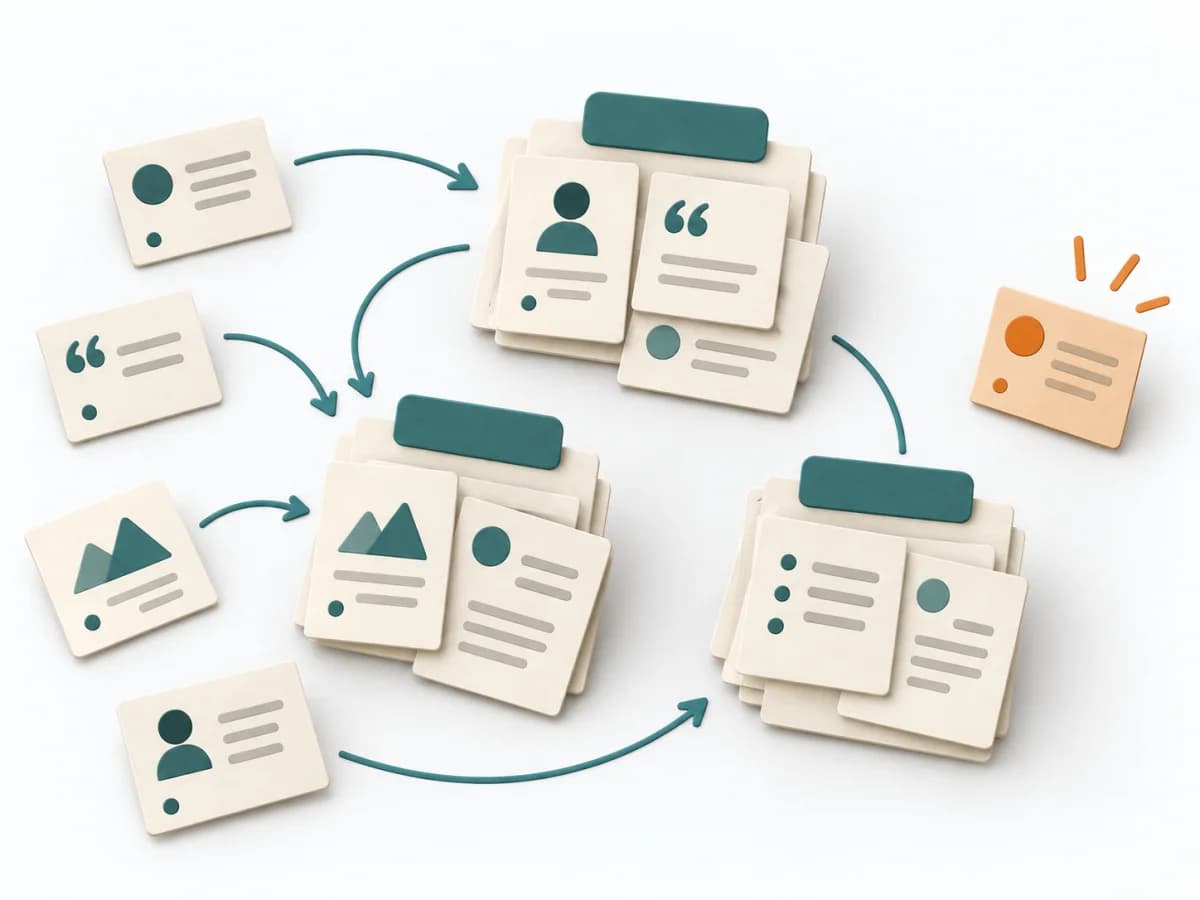
Instead of Mind Mapping, when you want to derive user experience, behavior, and perception from real observations with a clear structure instead of loose notes.
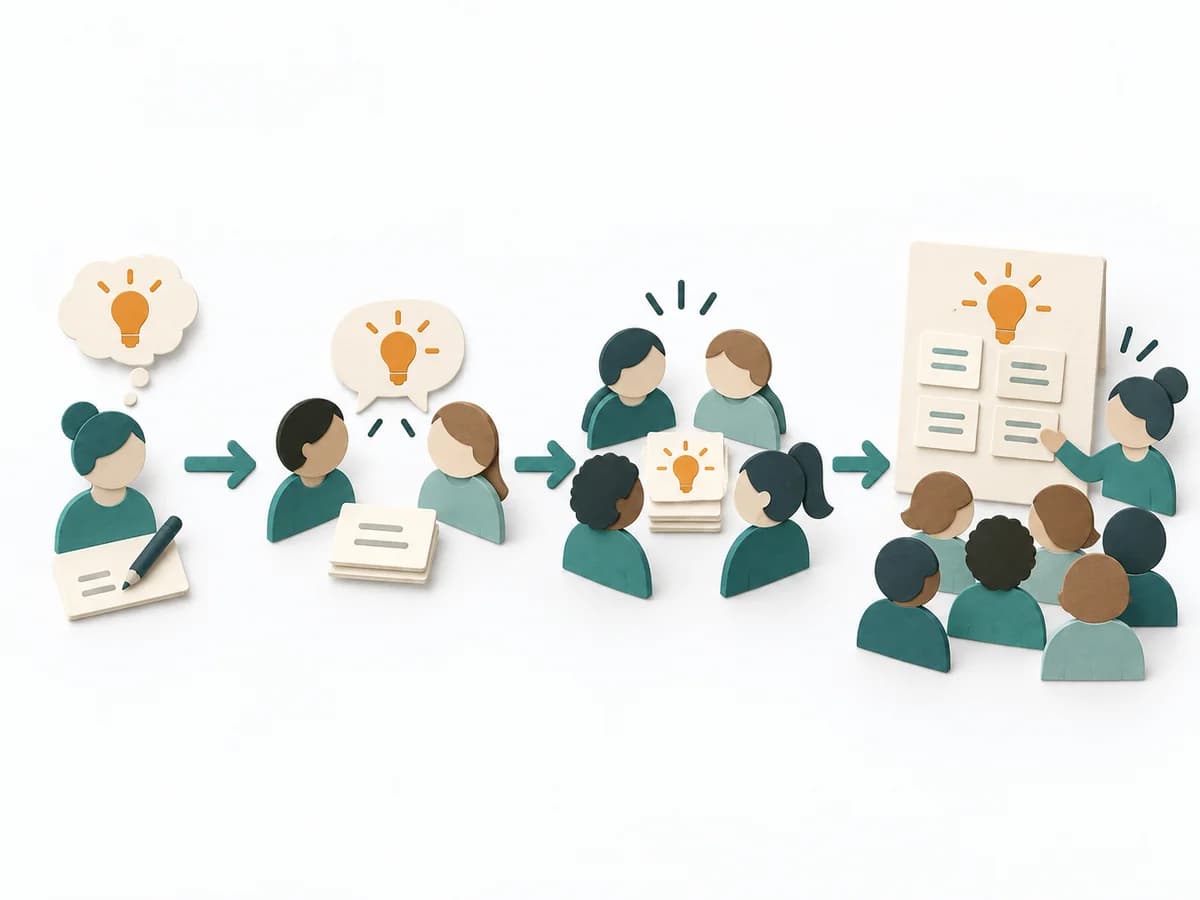
Moves ideas from silent reflection through pair exchange into the group and condenses patterns.
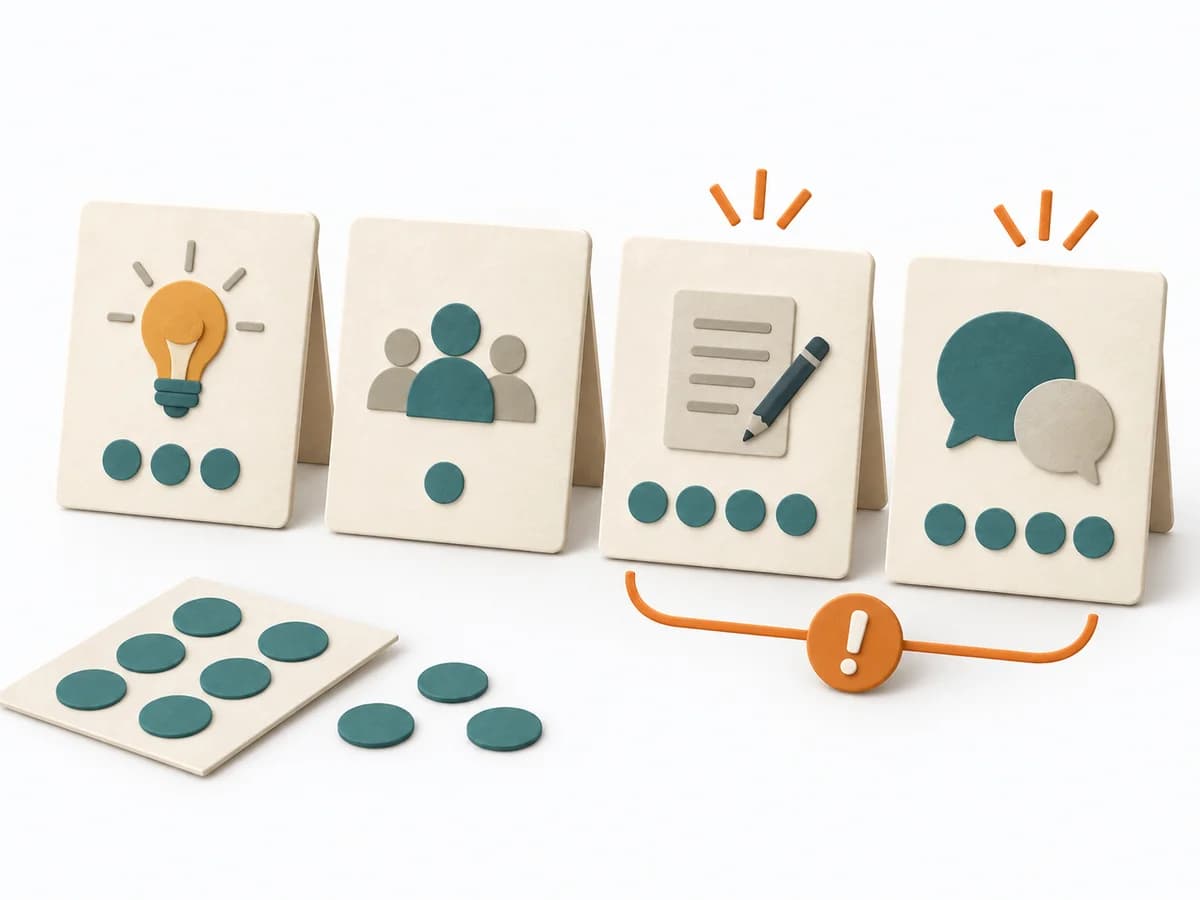
Lets a group prioritize options with sticker dots, making preferences visible within minutes.
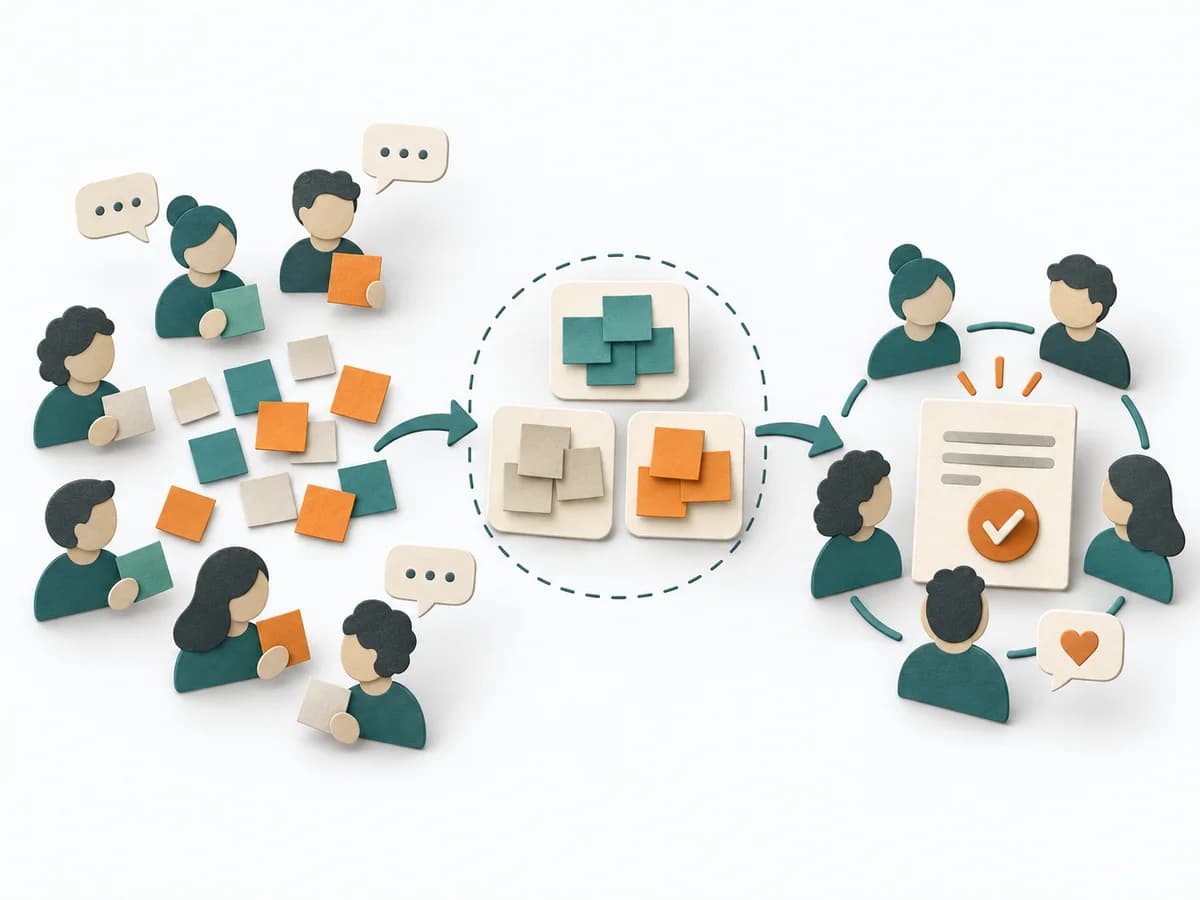
Condenses individual ideas into clusters, themes, and priorities so consensus grows out of individual contributions.
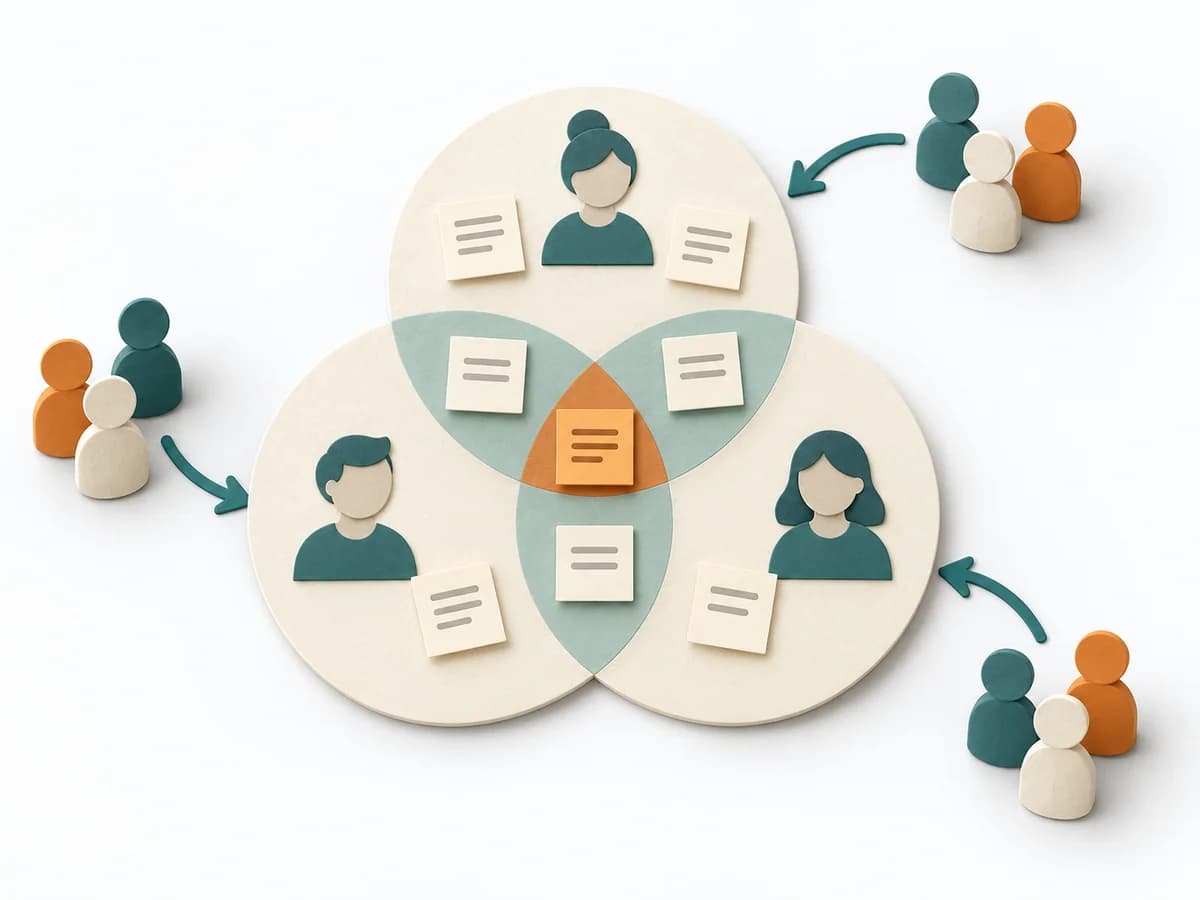
Compares three perspectives in a shared picture and makes overlaps as visible as differences.

Gathers ideas silently and iteratively, builds on them together, and produces prioritized concepts instead of loud individual impulses.