Purpose
Linked Open Terms connects terminology work with linked-data thinking and makes terminology technically connectable. Vocabulary, meanings, and references can thereby be maintained consistently.
Knowledge Modeling Process model
Publishes controlled terms with stable HTTP IRIs, definitions, relations, and versioning.
Linked Open Terms combines vocabulary governance with Linked Data principles. Every term receives a dereferenceable IRI, human- and machine-readable representation, status, and provenance.
How do we publish each term stably, understandably, linked, and versionable?
Linked Open Terms uses HTTP IRI, SKOS/RDF description, content negotiation, provenance, and deprecation policy. Assessments remain justified and context-bound.
Model term
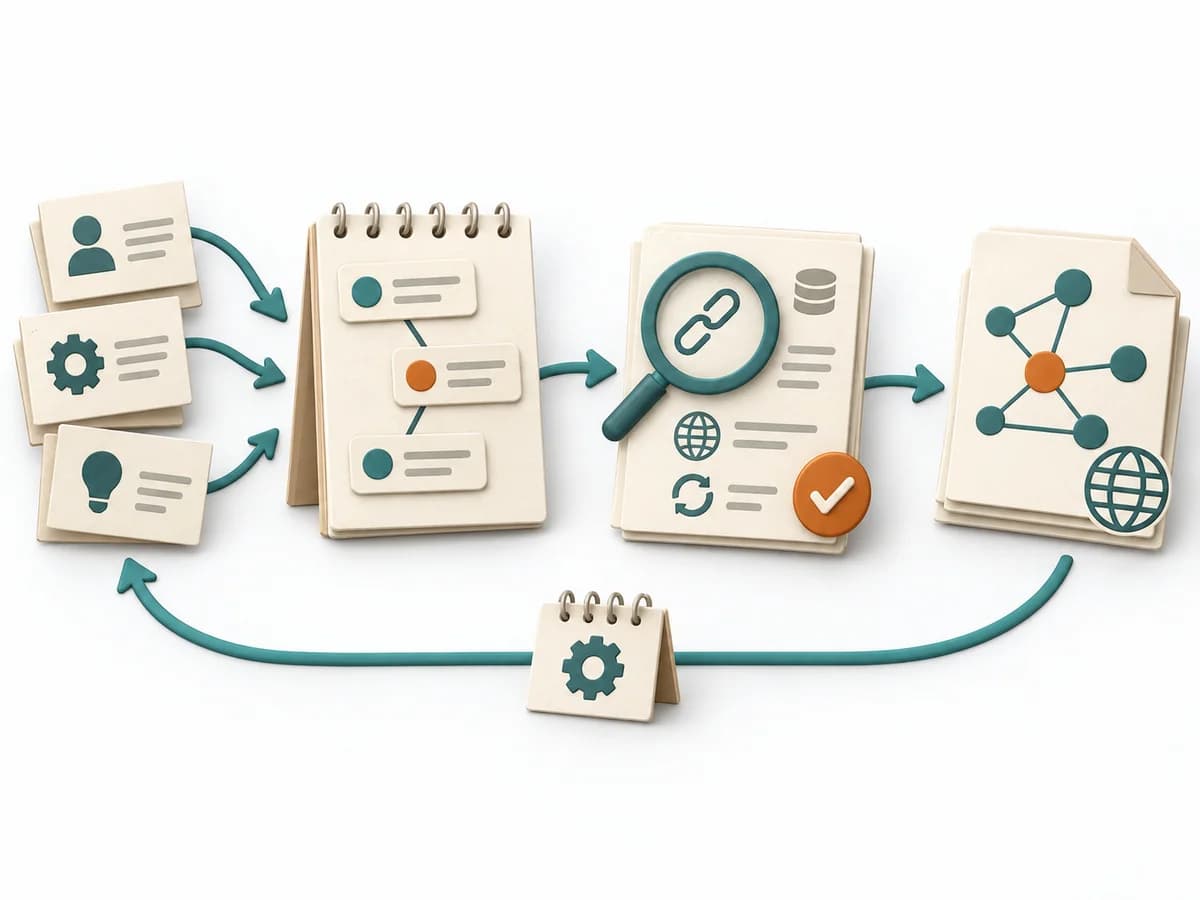
Define description, labels, status, and relations in SKOS/RDF.
Assign IRI
Assign a stable HTTP IRI under a documented namespace policy.
Publish
Serve dereferenceable HTML and RDF with licence and provenance.
Govern lifecycle
Govern change, deprecation, replacement, and changelog.
Update after new evidence or a material context change and retain the previous version.
For cross-organisational terms that should be citable and technically linkable.
linked term registry with traceable sources, assumptions, and domain decisions.
Owners, dates, and next review for linked term registry.
Fictional worked example
HTTP IRI, SKOS/RDF description, content negotiation, provenance, and deprecation policy as a precise working structure with a fictional example.
HTTP IRI · namespace · stability
…/action-status/open.
Type · definition · labels · relations
skos:Concept; prefLabel de/en.
HTML · RDF · licence · provenance
Turtle + HTML via negotiation.
Status · replaced by · changelog
deprecated; dcterms:isReplacedBy.
The example demonstrates the domain logic of Linked Open Terms; worksheets remain blank.
Start with the core question: How do we publish each term stably, understandably, linked, and versionable?
Linked Open Terms connects terminology work with linked-data thinking and makes terminology technically connectable. Vocabulary, meanings, and references can thereby be maintained consistently.
The team first defines the relevant terms, labels, and relationships. Open links, identifiers, and reuse options are then checked so that concepts remain consistent and connectable. In the end, a terminology framework remains that brings modeling and publication together.
Linked Open Terms works well because terminology, identity, and reuse are thought about together, turning isolated terms into connectable references. The approach holds up over time when labels, definitions, relationships, and external references are maintained as part of the same work on meaning. What matters are stable identifiers, precise boundaries, and traceable provenance, so that vocabulary keeps growing consistently over the long term and stays publicly usable.
Start with a tightly scoped term space and clarify early which external sources should actually be authoritative. The decisive moment comes with near-identical terms carrying different meanings; there, clean definitions and clear linking rules are needed. End with a small core vocabulary, unambiguous URIs, and open test cases for the next round.
The method guide walks execution through 4 phases, timing, 4 pitfalls, and clear stop criteria.
Open method guideYour perspective
Your feedback helps shape the next improvements to methodatlas.
Plan Linked Open Terms around its domain steps and the concrete decision question.
To be confirmed
To be confirmed
Establish and review the practice Time: Initially 1–3 days; ongoing governance
Complete this worksheet on paper or in your own document during the work.
HTTP IRI · namespace · stability
...
Type · definition · labels · relations
...
HTML · RDF · licence · provenance
...
Status · replaced by · changelog
...
Enter only real input, sources, and decisions.
W3C: Best Practices for Publishing Linked Data
Expected artifact: term record
term record · source · uncertainty · next decision
Entry:
...
Expected artifact: stable IRI
stable IRI · source · uncertainty · next decision
Entry:
...
Expected artifact: published term
published term · source · uncertainty · next decision
Entry:
...
Expected artifact: versioned registry
versioned registry · source · uncertainty · next decision
Entry:
...
...
Method guide: https://methodatlas.meierhoff-systems.de/en/methods/linked-open-terms/run-sheet
Fitting alternatives with decision guidance, followed by other related methods.
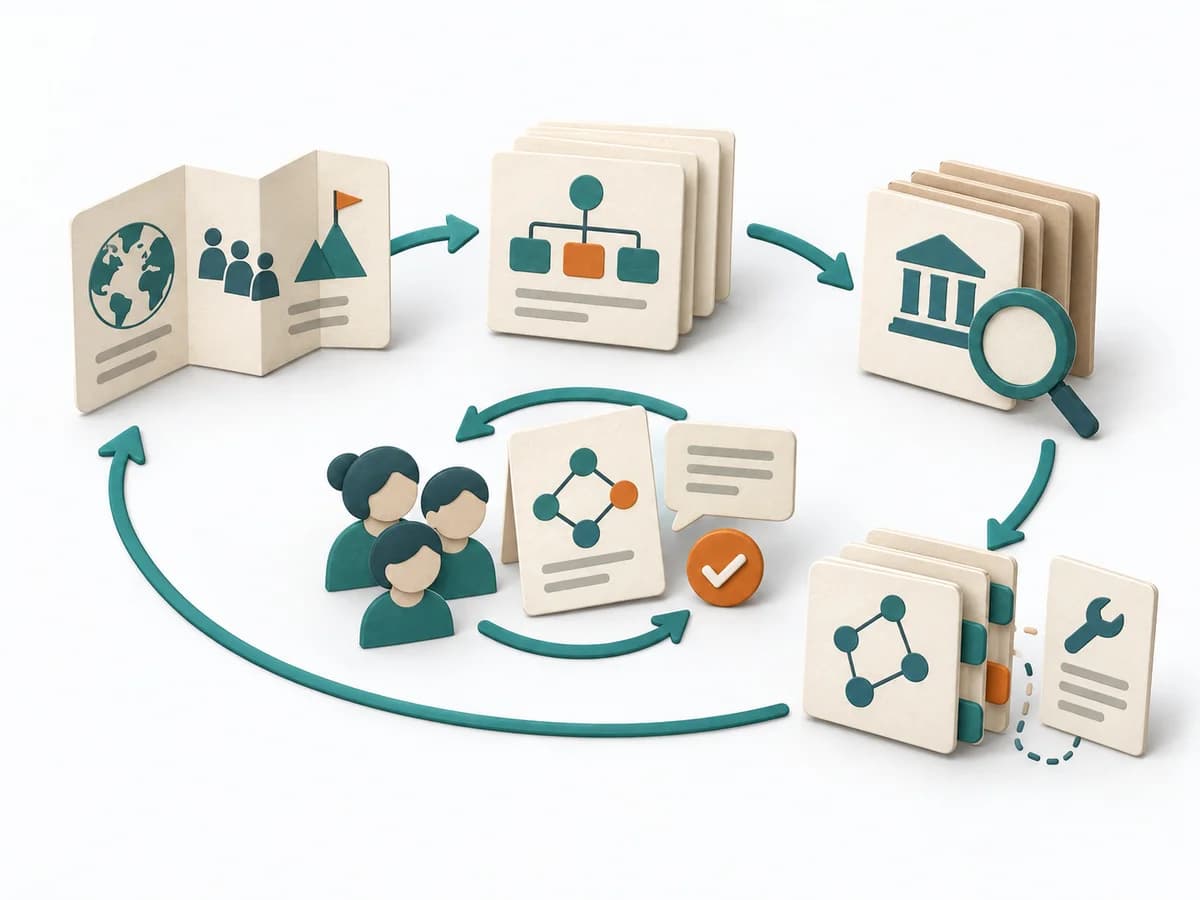
Instead of Linked Open Terms, choose NeOn Methodology when you want to build an ontology methodically from analysis through to implementation.
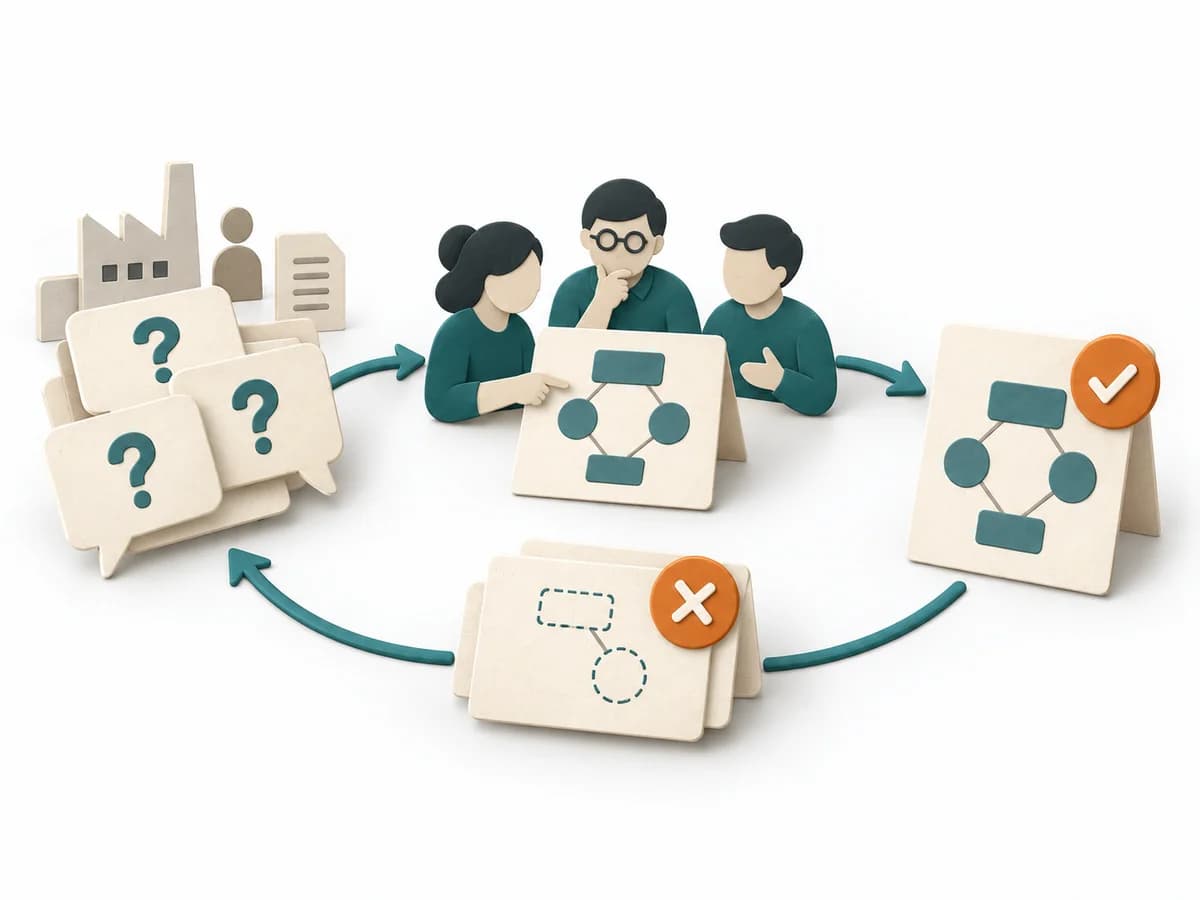
Concrete domain questions define what an ontology or knowledge model must be able to answer and test.

Clarifies concepts, relationships, and rules by framing the focus question, gathering concepts, and checking gaps and contradictions.

Links events, commands, and views into a flow picture that brings UI, behavior, and implementation together.

Clarifies concepts, relationships, and rules by framing the issue, collecting positions, and marking decisions or open questions.
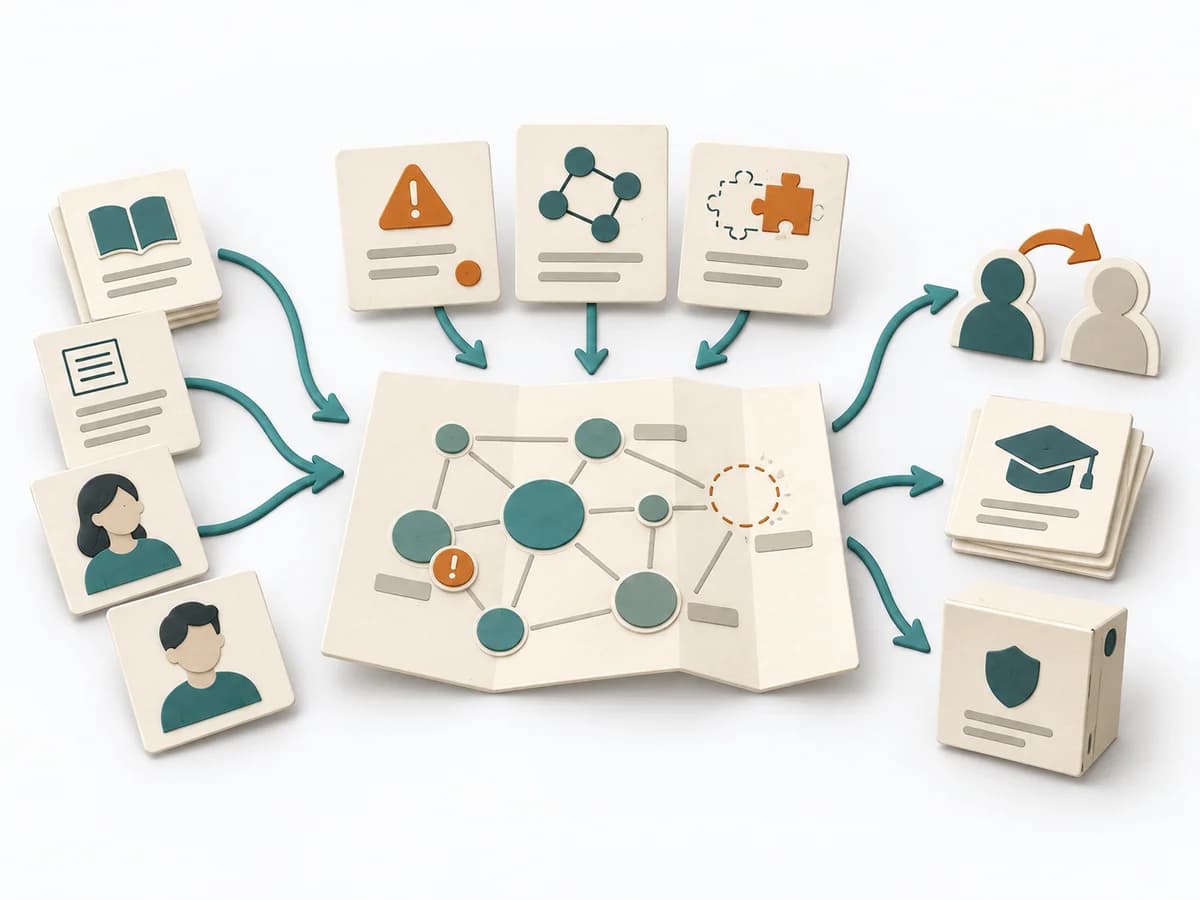
Maps critical knowledge, knowledge holders, and gaps so handovers and transfer can be planned deliberately.