
Purpose
Helps clarify scope, order, and delivery flow in concrete terms. It makes work, constraints, and sequence manageable. The result is captured as a Cost of Delay table and prioritization sequence.
Delivery Decision method
Cost of Delay estimates economic loss per unit of time when an option becomes available later.
Cost of Delay is a time-dependent loss, not a generic business-value score. Profile, unit, horizon, assumptions, and range must remain visible.
What value is lost per week of delay, what is the loss profile, and which assumptions support the estimate?
Cost of Delay uses a time-dependent delay-cost profile with unit, range, and critical dates. Assessments remain justified and context-bound.
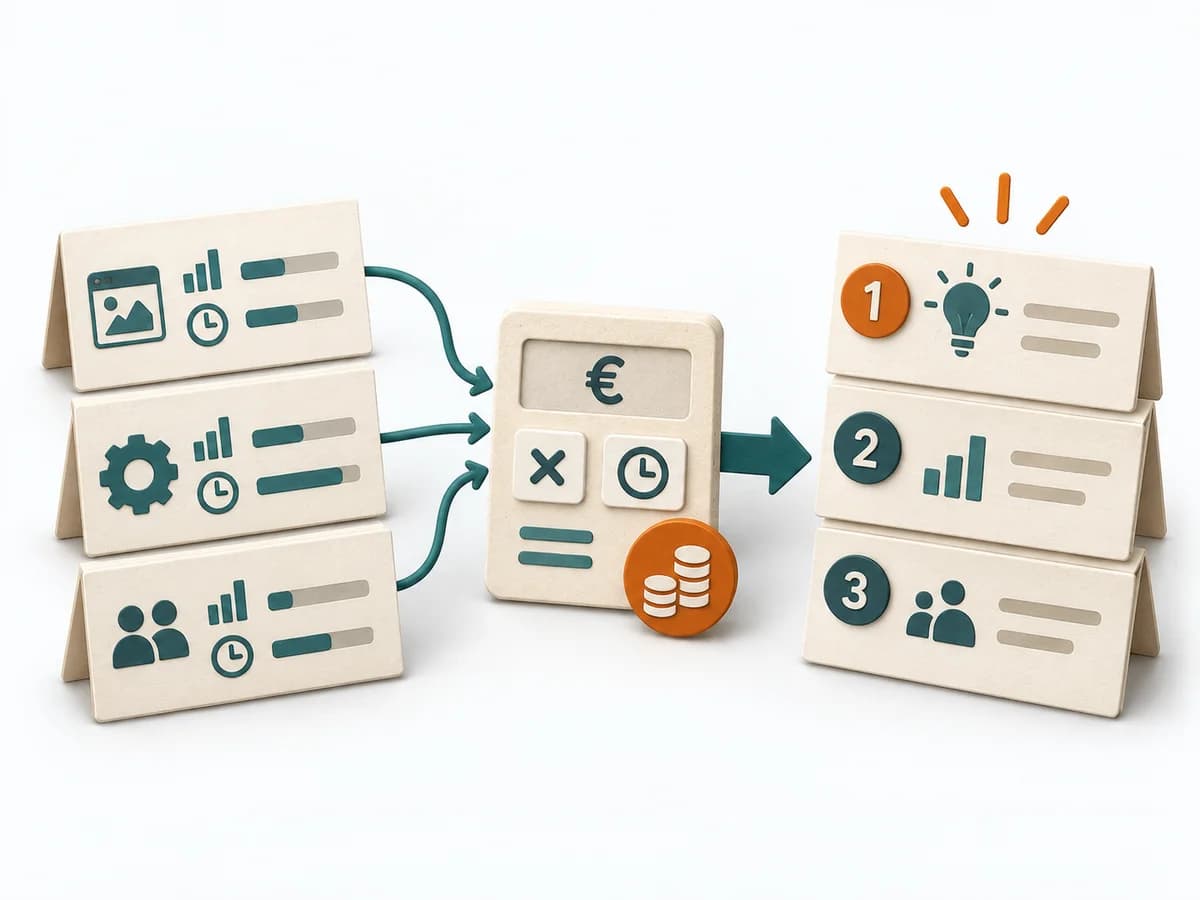
Frame loss
Bound option, beneficiary, loss mechanism, and time unit.
Model profile
Model linear, fixed-date, or expedited loss with deadlines and horizon.
Estimate range
Estimate drivers, unit, base value, and range per time unit.
Sequence options
Compare profiles over the actual delivery window and justify sequence.
Update profile and range when market, deadline, or demand changes.
Useful for sequencing decisions with real time effects; remain qualitative without credible drivers.
Cost of Delay profile with traceable sources, assumptions, and domain decisions.
Owners, dates, and next review for Cost of Delay profile.
Fictional worked example
a time-dependent delay-cost profile with unit, range, and critical dates as a precise working structure with a fictional example.
| Option | Option and effect | Profile | CoD per time | Assumptions | Decision |
|---|---|---|---|---|---|
| Contract reportingWorked example | Contract reporting avoids service credits. | Fixed-date from 1 October. | €18k/week; €15–22k. | Contract clause; full rollout at delivery. | Reporting first if delivery slips beyond 1 October. |
The example demonstrates the domain logic of Cost of Delay; worksheets remain blank.
Start with the core question: What value is lost per week of delay, what is the loss profile, and which assumptions support the estimate?
Helps clarify scope, order, and delivery flow in concrete terms. It makes work, constraints, and sequence manageable. The result is captured as a Cost of Delay table and prioritization sequence.
For each initiative, value drivers and time lost are considered together and translated into a comparable order of magnitude. This couples prioritization to economics instead of leaving it hanging on gut feeling or loudness.
Cost of Delay, often abbreviated as CoD and popularized by Don Reinertsen, expresses how much the organization loses every week or month that an initiative remains unresolved. CoD can be estimated in absolute money terms or as relative profiles. The method forms the economic argument behind WSJF and is central in scaled Agile setups.
Allow relative size estimates instead of forcing false precision. Explain that CoD is rarely linear.
The method guide walks execution through 4 phases, timing, 4 pitfalls, and clear stop criteria.
Open method guideYour perspective
Your feedback helps shape the next improvements to methodatlas.
Plan Cost of Delay around its domain steps and the concrete decision question.
To be confirmed
To be confirmed
Full workshop Time: 45–75 minutes
Complete this worksheet on paper or in your own document during the work.
| Option | Option · beneficiary · loss path | Shape · deadline · horizon | Unit · base · range | Source · uncertainty · dependency | Delivery window · cumulative loss · sequence |
|---|---|---|---|---|---|
| Contract reporting |
Enter only real input, sources, and decisions.
Reinertsen: Principles of Product Development Flow
Expected artifact: loss hypothesis
loss hypothesis · source · uncertainty · next decision
Entry:
...
Expected artifact: CoD profile
CoD profile · source · uncertainty · next decision
Entry:
...
Expected artifact: CoD range
CoD range · source · uncertainty · next decision
Entry:
...
Expected artifact: sequence decision
sequence decision · source · uncertainty · next decision
Entry:
...
...
Method guide: https://methodatlas.meierhoff-systems.de/en/methods/cost-of-delay/run-sheet
Fitting alternatives with decision guidance, followed by other related methods.
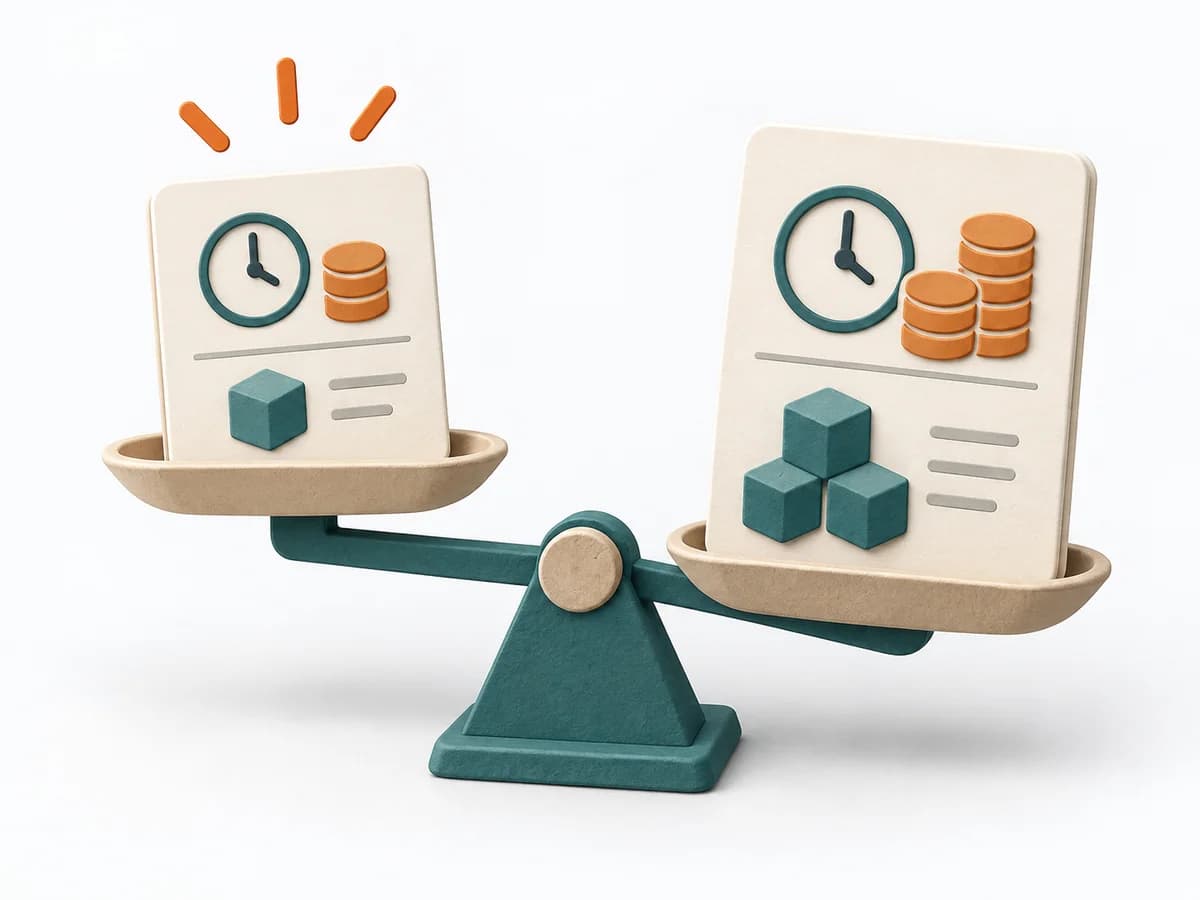
Instead of Cost of Delay, choose WSJF when you want to balance priorities through cost of delay and job size.
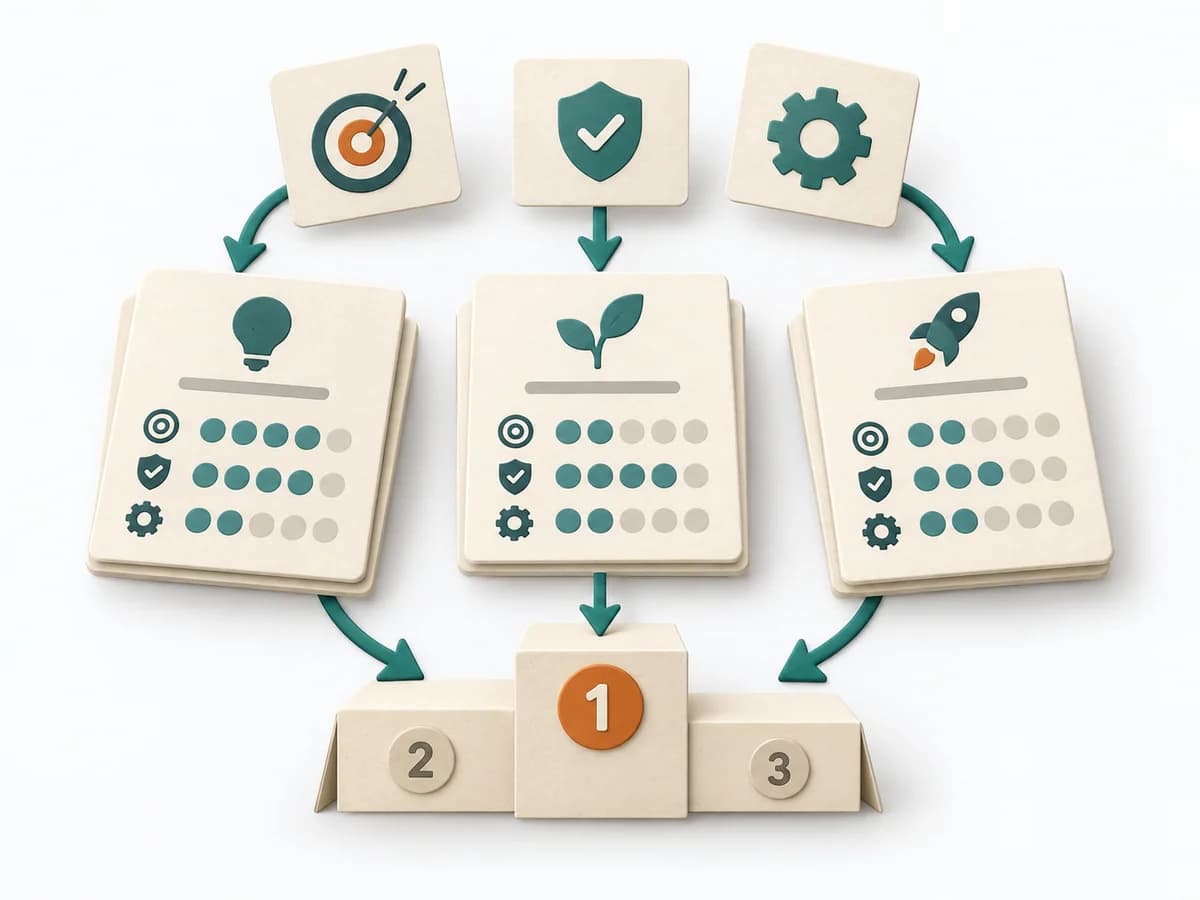
Moves target group, value, goals, and priorities toward a concrete result through "prepare the idea backlog", "define scales for I, C, and E", and "select top ideas for testing or building".
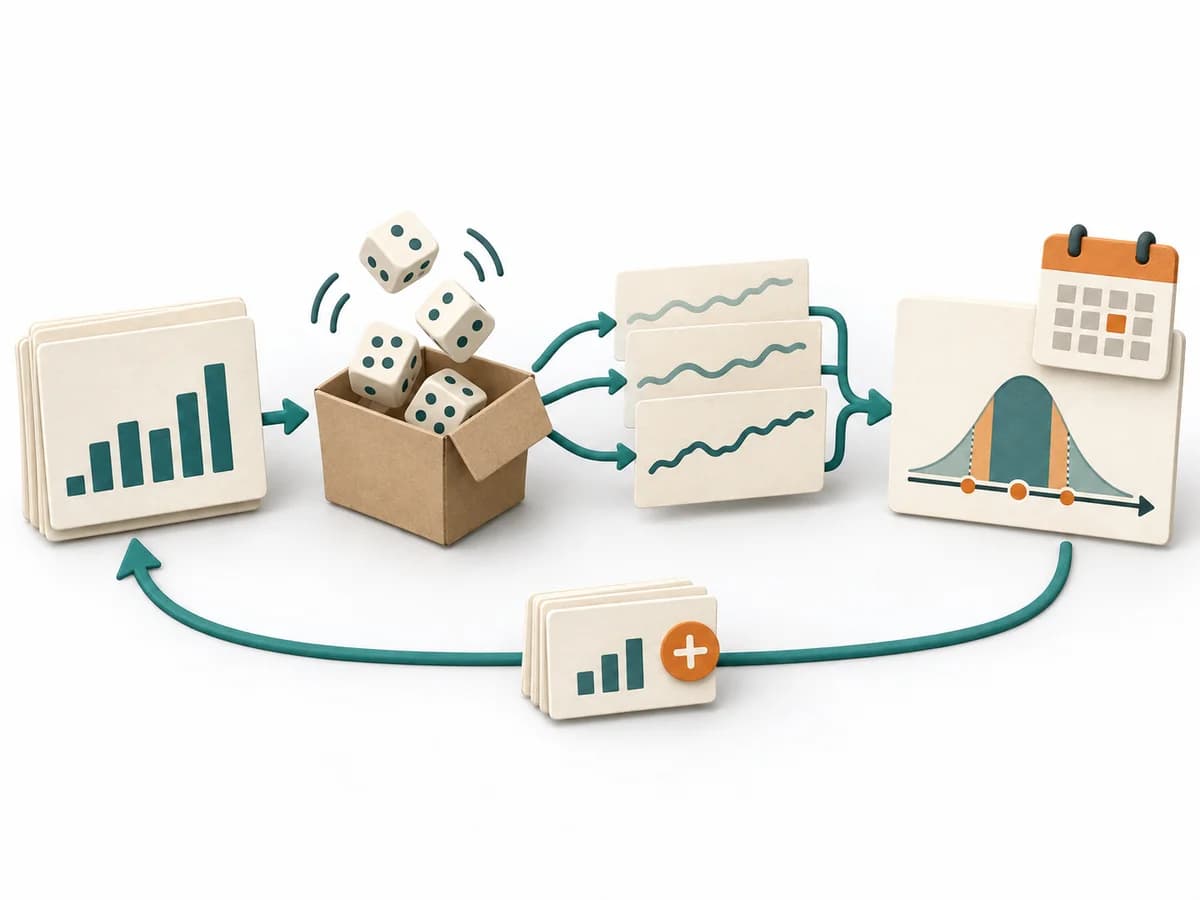
Moves scope, sequence, and delivery flow toward a concrete result through "formulate the forecast question", "choose historical flow data", and "update the forecast regularly".

Defines audiences, channels, frequencies, and owners so relevant information reliably gets through.
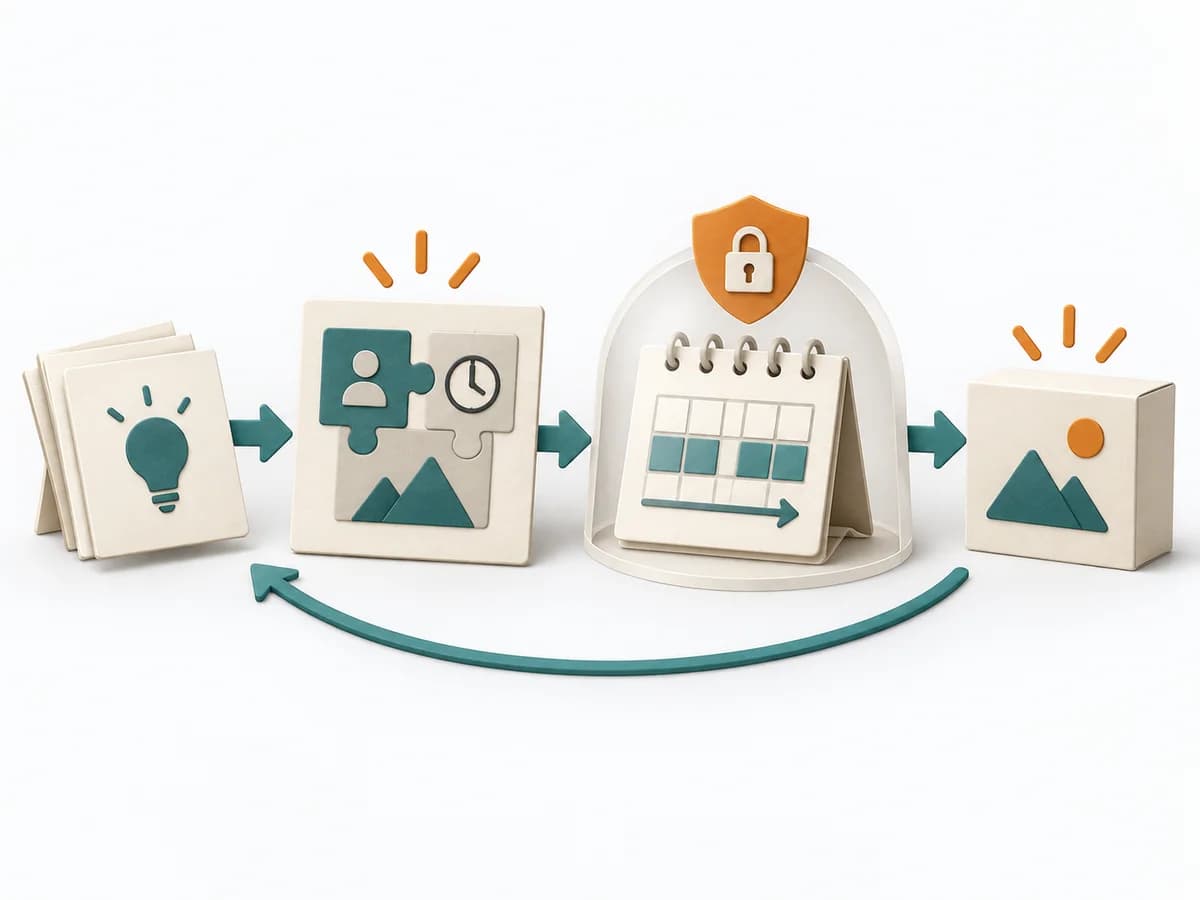
Structures product work around shaped pitches, bets, fixed cycles, hill charts, and scope hammering.
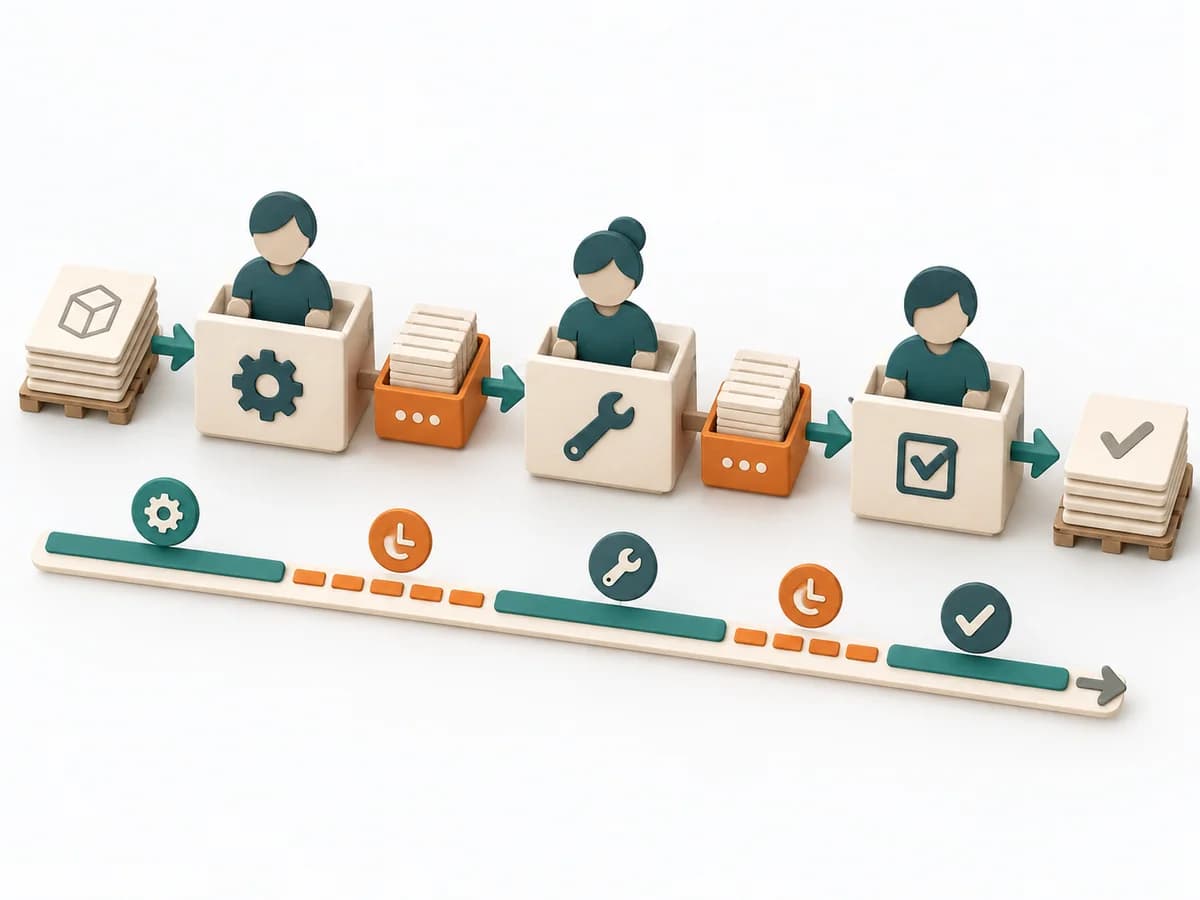
Maps a service's path all the way to delivery and exposes wait times, waste, and bottlenecks.