View methods side by side.
Choose up to four methods. Add them using the search and share the comparison by copying its link.
| Criterion | 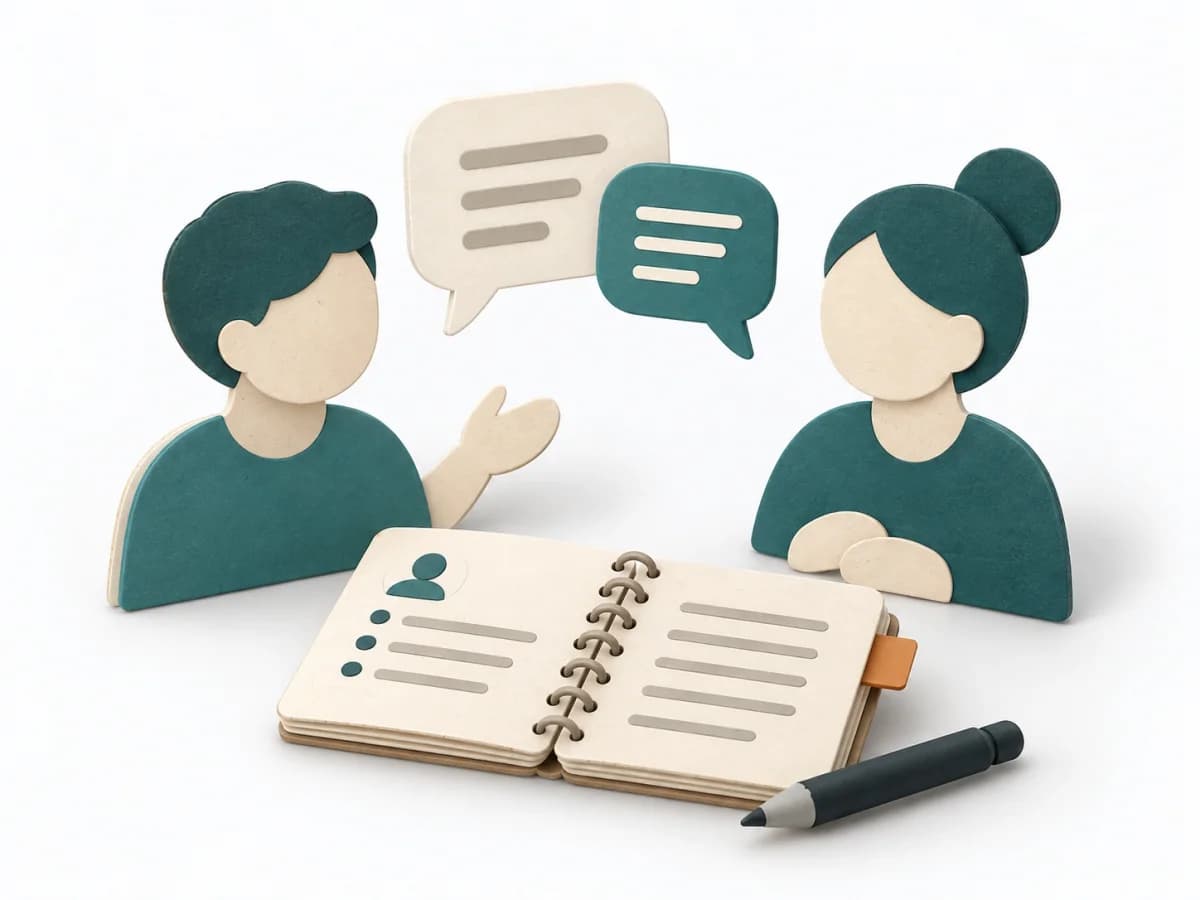 UX Research User Interviews | 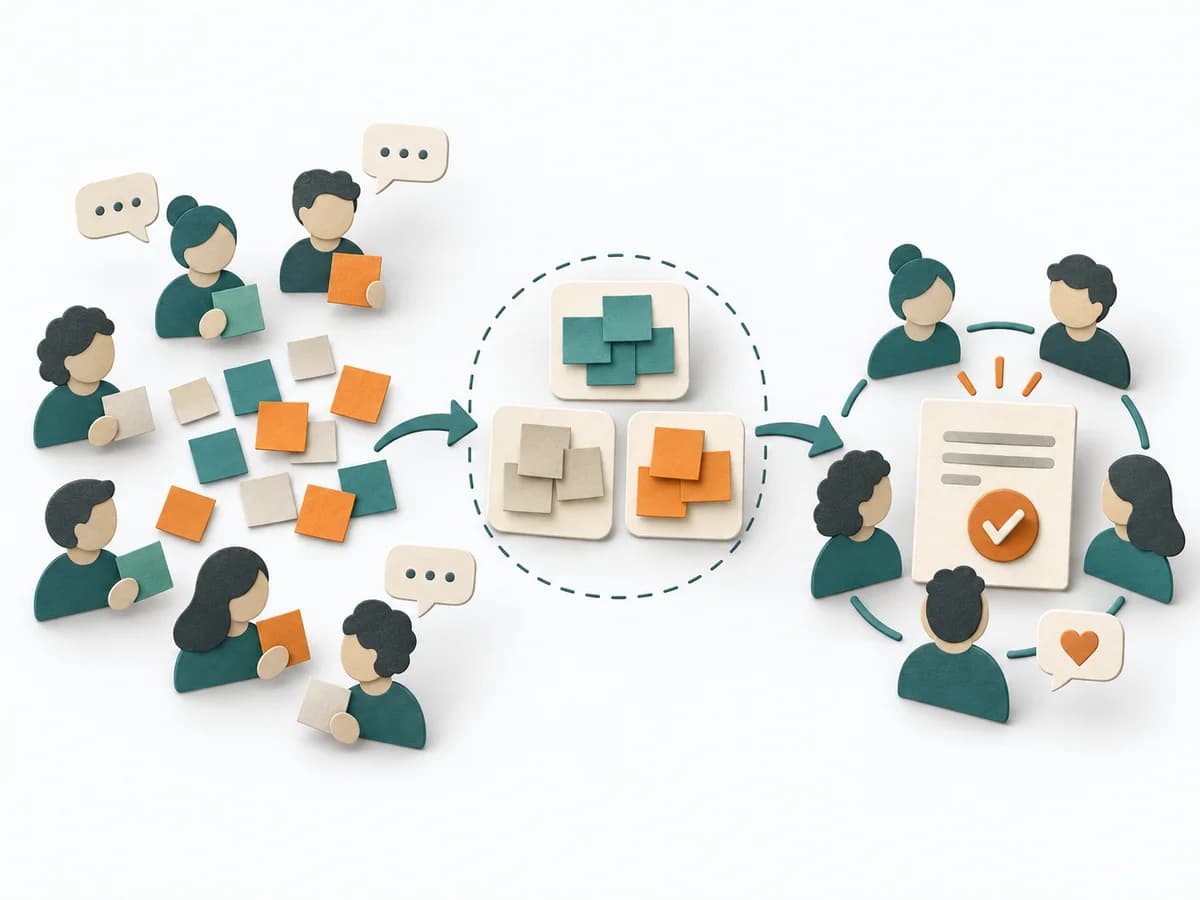 Facilitation Consensus Workshop |  Facilitation Stakeholder Salience Model |
|---|---|---|---|
Purposedifferent | When teams derive needs only from assumptions and real motives are missing, user interviews give direct access to behavior and meaning. Conversations from the target group's everyday life make patterns, tensions, and open questions solidly visible. | When a group needs a solid decision without outvoting individual factions, a Consensus Workshop creates a negotiable common ground. It makes agreement, reservations, and open tensions discussable at the same time. | When stakeholders appear to matter very differently, the Stakeholder Salience Model rates their actual priority through power, legitimacy, and urgency. It turns individual contributions into a visible selection. The result is captured as a Salience diagram and a class-based strategy. |
Complexitydifferent | Low | Medium | Medium |
Timedifferent | 30–60 min per interview | 1-3 h | 60-90 min |
Participantsdifferent | 1 participant per interview | 5-30 | 3-6 |
Formatdifferent | Workshop + async | Workshop | Workshop |
Outputdifferent | Interview Notes, Themes, Insight Summary | Consensus Clusters, Theme Titles, Priority Areas | Salience Diagram, Strategy per Class |
Tagsno overlap | QualitativeResearchCustomerDiscovery | FacilitationConsensusWorkshopAlignment | StakeholdersFacilitationAlignmentGovernance |
Often compared together
Methods with strong topical overlap with the current selection, not yet in the comparison.