View methods side by side.
Choose up to four methods. Add them using the search and share the comparison by copying its link.
| Criterion |  Facilitation Team Charter | 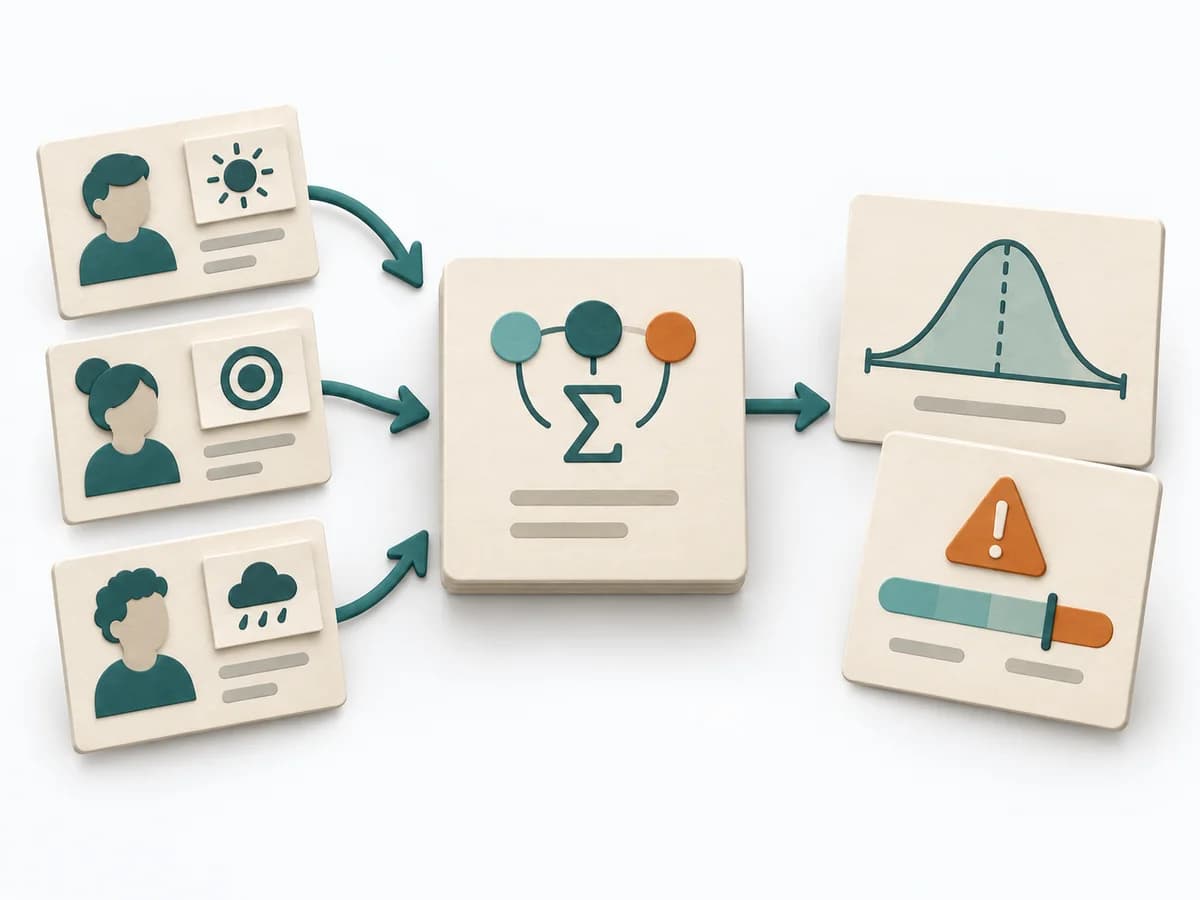 Decision Making PERT Estimation |  Facilitation Stakeholder Salience Model |
|---|---|---|---|
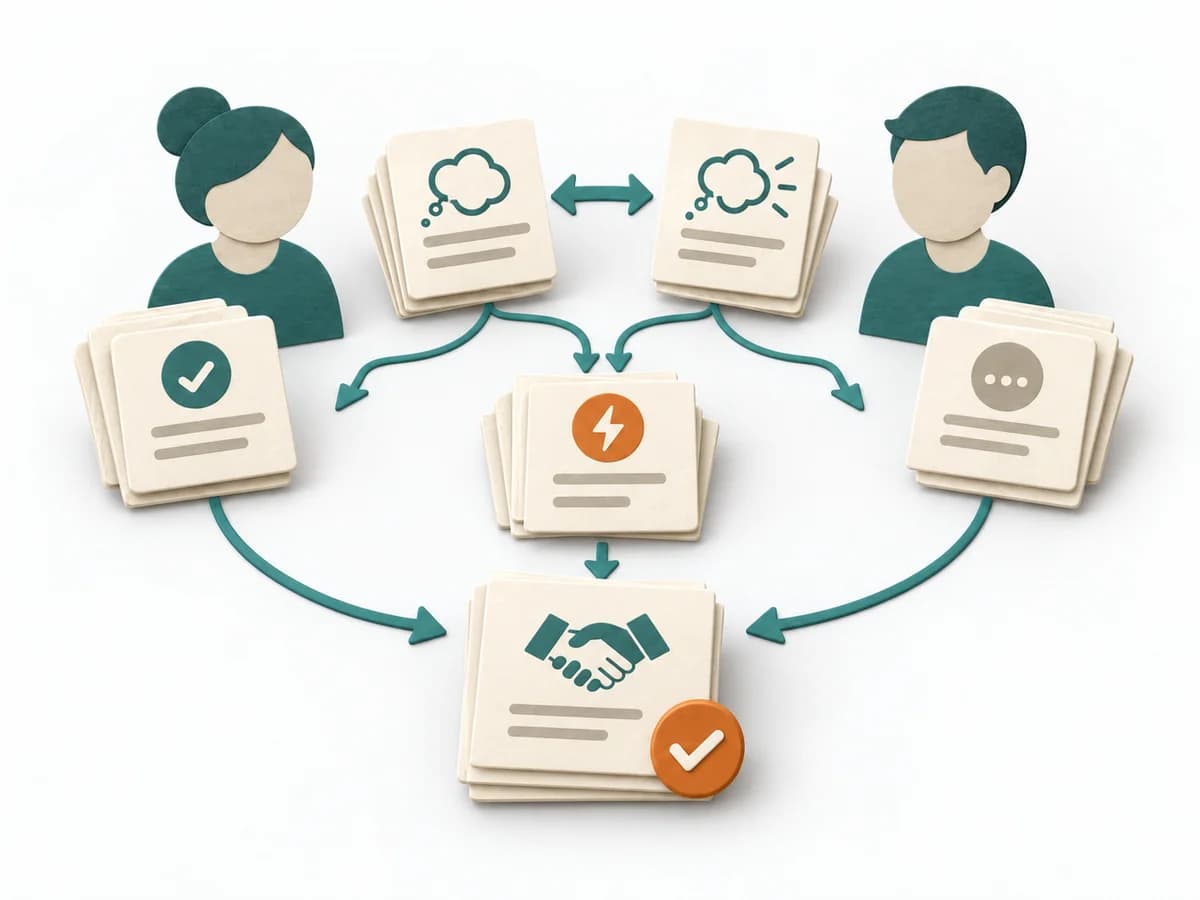
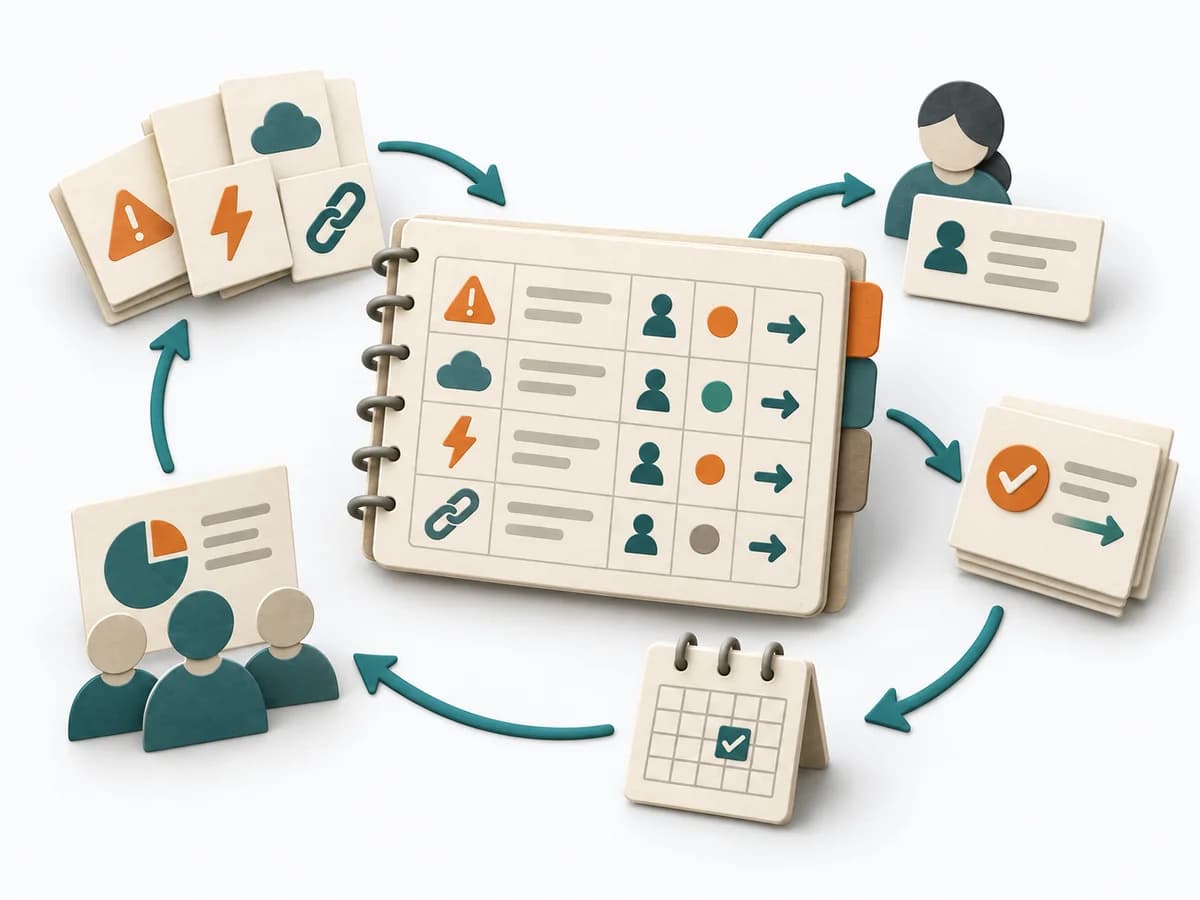
Purposedifferent | When a team is starting fresh or working past each other, Team Charter clarifies the shared working basis. It visibly sets out how collaboration, decision paths, and mutual conduct should work day to day. | On complex initiatives, a plain average tends to understate just how uncertain the outcome really is. It separates options, evaluation criteria, and open risks. The result is captured as a PERT Estimate, Expected Value, and Risk Notes. | When stakeholders appear to matter very differently, the Stakeholder Salience Model rates their actual priority through power, legitimacy, and urgency. It turns individual contributions into a visible selection. The result is captured as a Salience diagram and a class-based strategy. |
Complexitysame | Medium | Medium | Medium |
Timedifferent | 2-4 h | 15-45 min | 60-90 min |
Participantsdifferent | 3-12 | 1-8 | 3-6 |
Formatdifferent | Workshop | Workshop + async | Workshop |
Outputdifferent | Team Charter, Working Norms, Role Notes | PERT Estimate, Expected Value, Risk Notes | Salience Diagram, Strategy per Class |
Tagsno overlap | TeamAlignmentCollaboration | EstimationUncertaintyRisk | StakeholdersFacilitationAlignmentGovernance |
Often compared together
Methods with strong topical overlap with the current selection, not yet in the comparison.