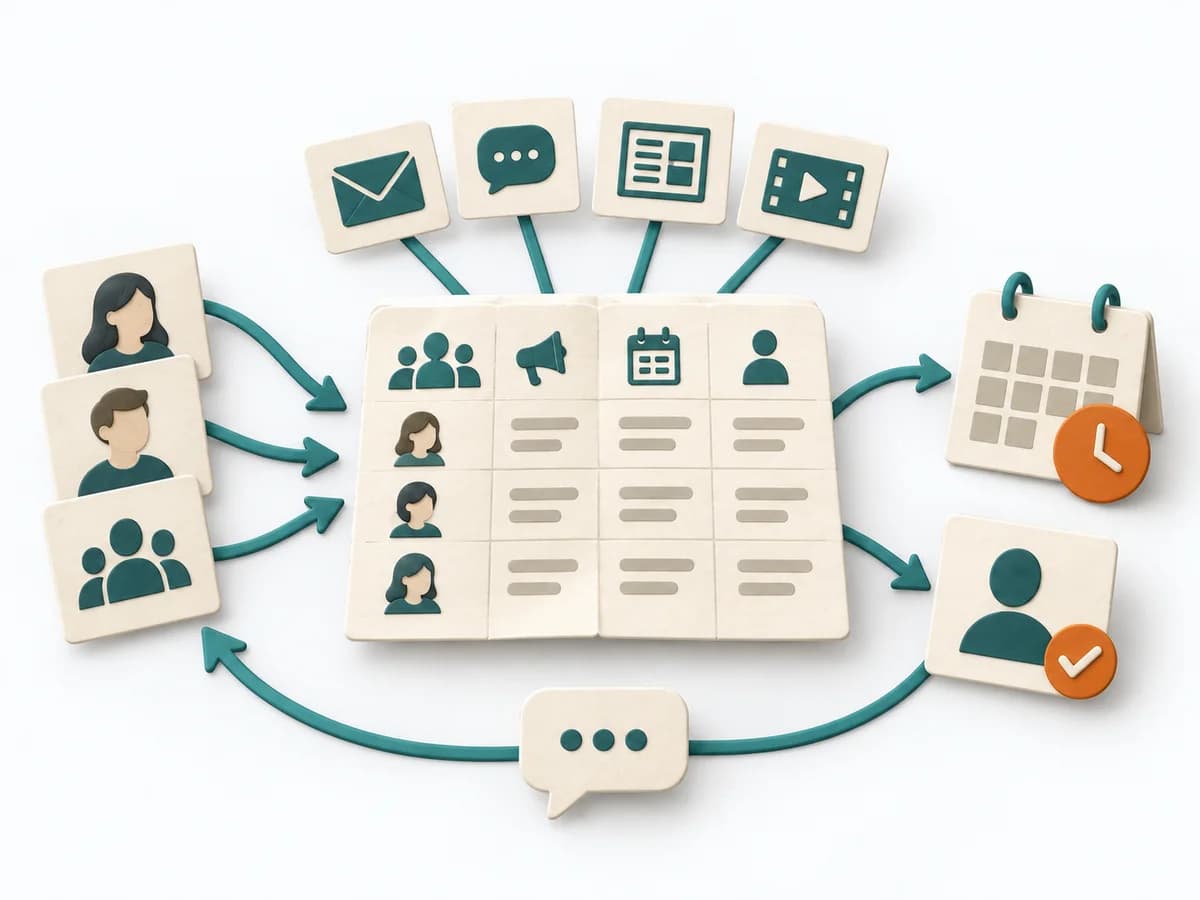
View methods side by side.
Choose up to four methods. Add them using the search and share the comparison by copying its link.
| Criterion |  Knowledge Modeling Teach-back | 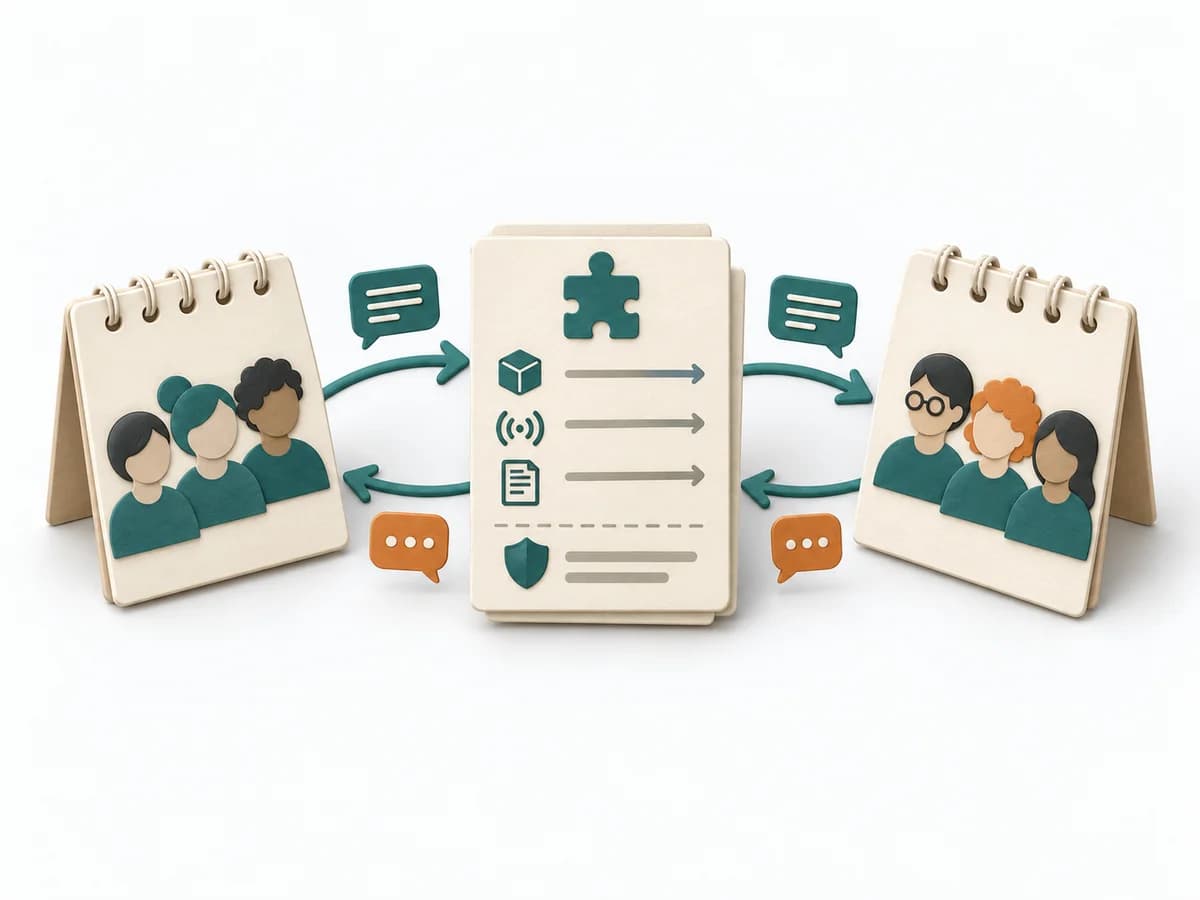 Team Design Team API |  Facilitation Power Interest Grid |
|---|---|---|---|
Purposedifferent | Teach-back checks whether an explanation actually got through to the other person. The method makes misunderstandings visible early and strengthens shared understanding in advisory and learning situations. | When expectations between teams stay fuzzy, it describes how a team can be reached, used, and held accountable. It clarifies responsibility, interaction, and load between teams. The result is captured as a Team API document. | When many stakeholders compete for attention at once, the Power Interest Grid sorts them by influence and stake. It turns individual contributions into a visible selection. The result is captured as a Power Interest Grid and a stakeholder-specific strategy. |
Complexitysame | Low | Low | Low |
Timedifferent | 5-20 min | Half day initial, dann laufend | 30-60 min |
Participantsdifferent | 2-8 | Ein Team plus Stakeholder | 2-8 |
Formatdifferent | Workshop + async | Workshop + async | Workshop |
Outputdifferent | Understanding Check, Clarification Notes, Learning Gaps | Team API Document | Power Interest Grid, Strategy per Stakeholder |
Tagsno overlap | LearningUnderstandingCommunication | TeamAlignmentCommunicationService | StakeholdersFacilitationAlignmentPlanning |
Often compared together
Methods with strong topical overlap with the current selection, not yet in the comparison.