View methods side by side.
Choose up to four methods. Add them using the search and share the comparison by copying its link.
| Criterion |  Agile Story Splitting | 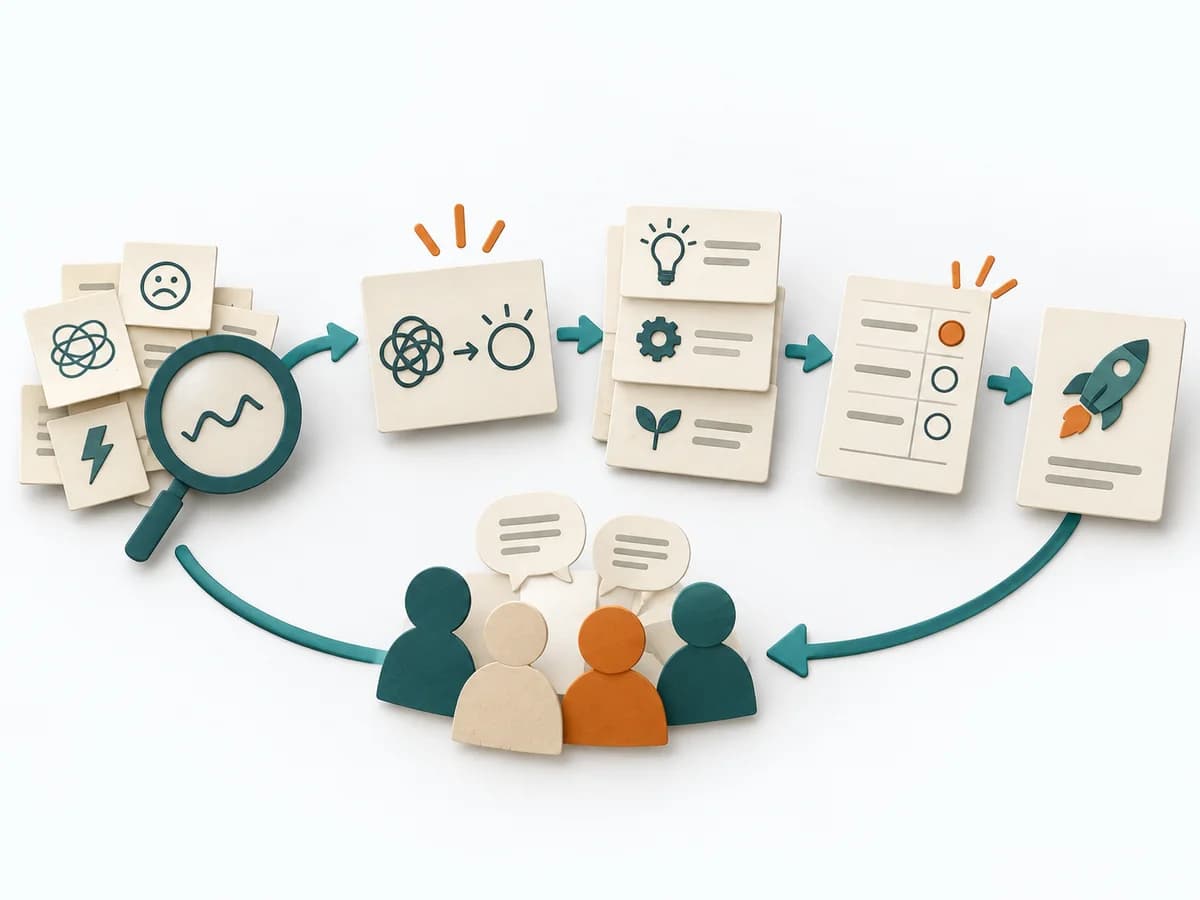 Facilitation Decision Jam |  Facilitation Stakeholder Salience Model |
|---|---|---|---|
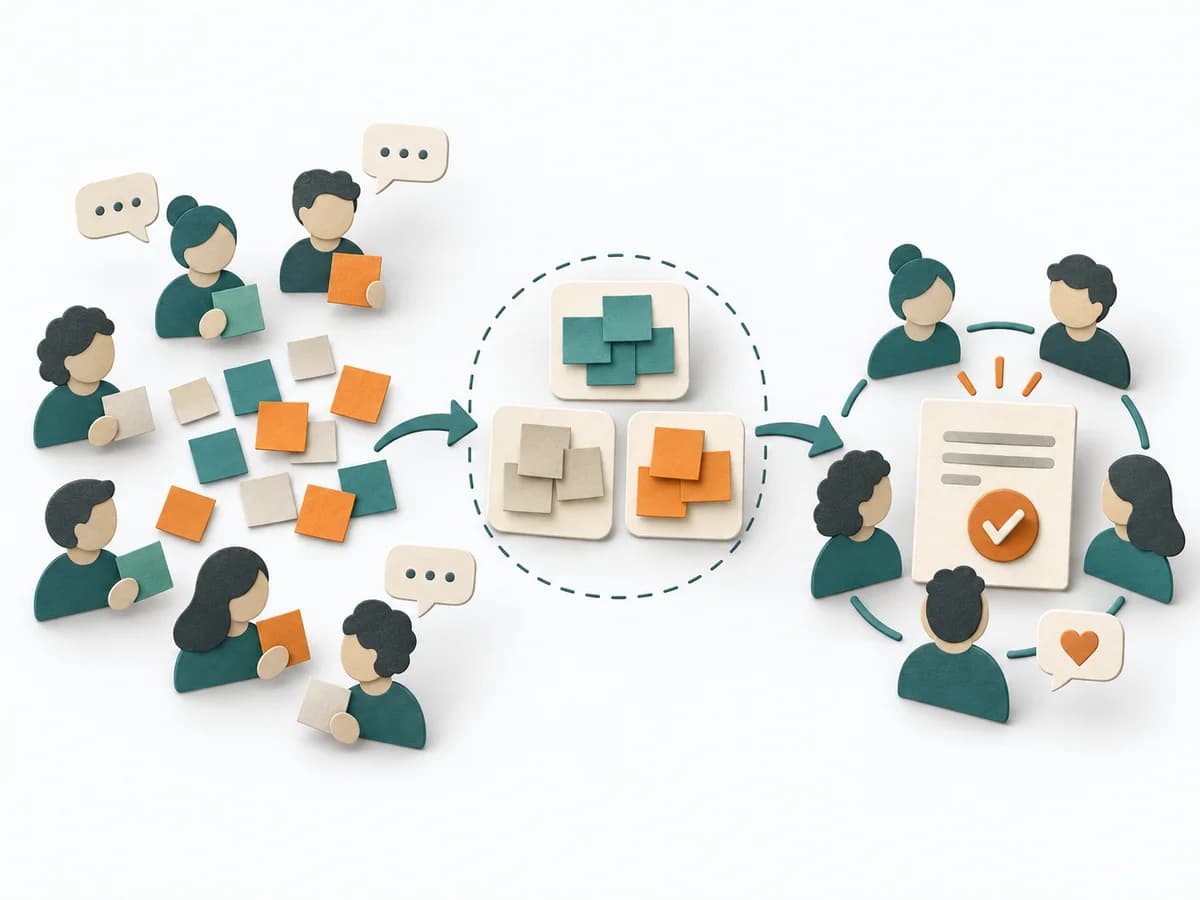
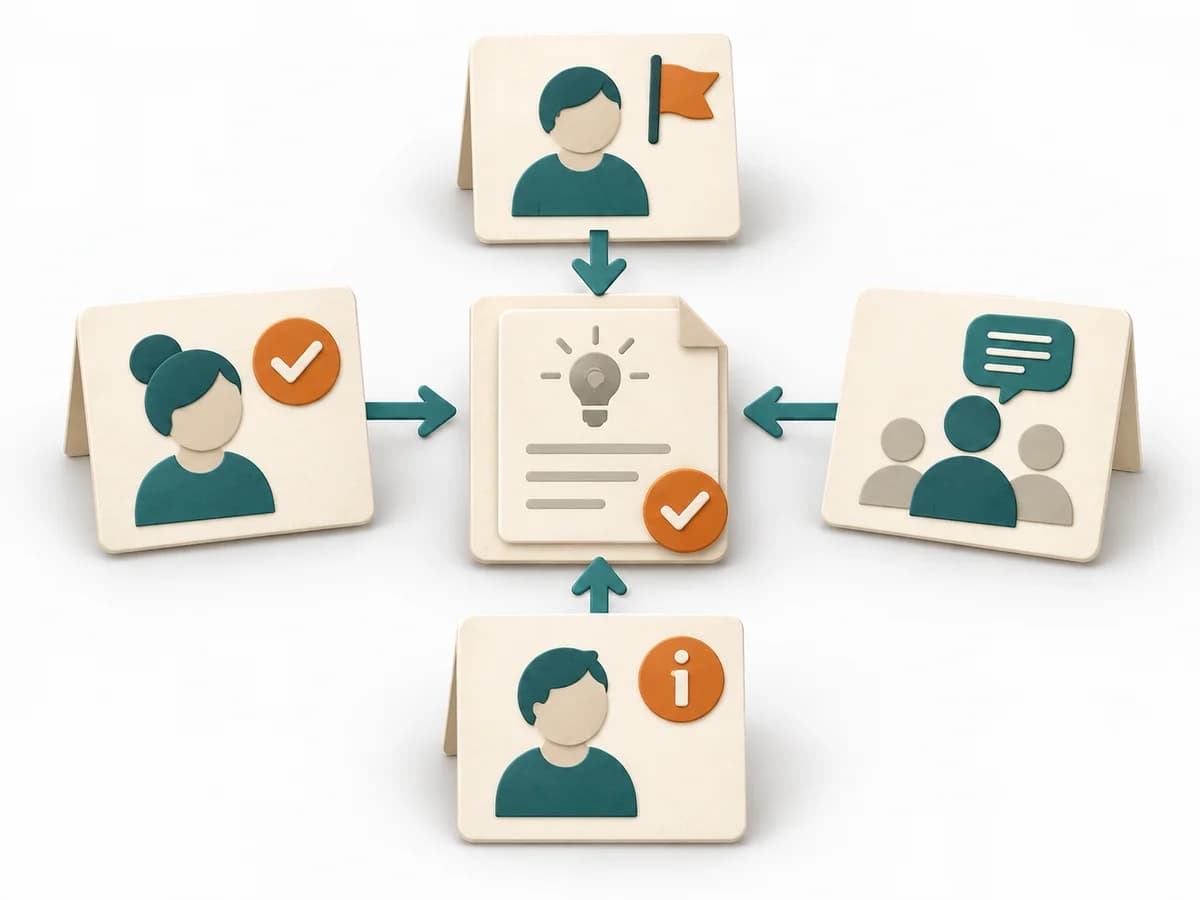
Purposedifferent | When a story becomes too large for a clean flow, it breaks scope down along value and risk. It shapes the work into a form that ships earlier and is easier to verify. | When a decision is stuck, Decision Jam loosens the knot through structured separation of problem, idea, and selection. The format creates movement without jumping prematurely at the first seemingly elegant answer. | When stakeholders appear to matter very differently, the Stakeholder Salience Model rates their actual priority through power, legitimacy, and urgency. It turns individual contributions into a visible selection. The result is captured as a Salience diagram and a class-based strategy. |
Complexitydifferent | Medium | Low | Medium |
Timedifferent | 30-60 min | 60-90 min | 60-90 min |
Participantsdifferent | 2-6 | 4-10 | 3-6 |
Formatdifferent | Workshop + async | Workshop | Workshop |
Outputdifferent | Smaller Stories, Acceptance Criteria, Split Rationale | Problem Cluster, Prioritized Challenge, Experiment | Salience Diagram, Strategy per Class |
Tagsno overlap | BacklogIterationDelivery | FacilitationDecisionProblem solvingWorkshop | StakeholdersFacilitationAlignmentGovernance |
Often compared together
Methods with strong topical overlap with the current selection, not yet in the comparison.