View methods side by side.
Choose up to four methods. Add them using the search and share the comparison by copying its link.
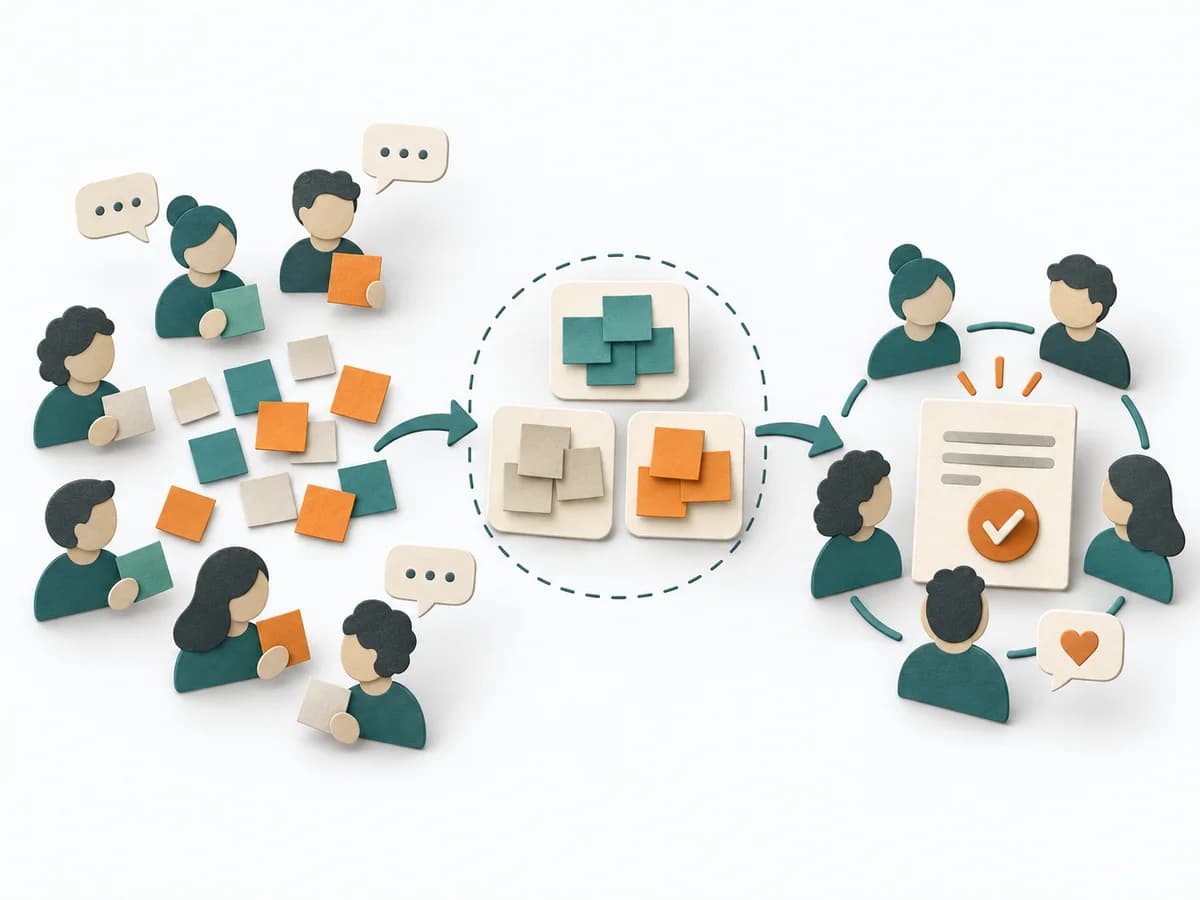
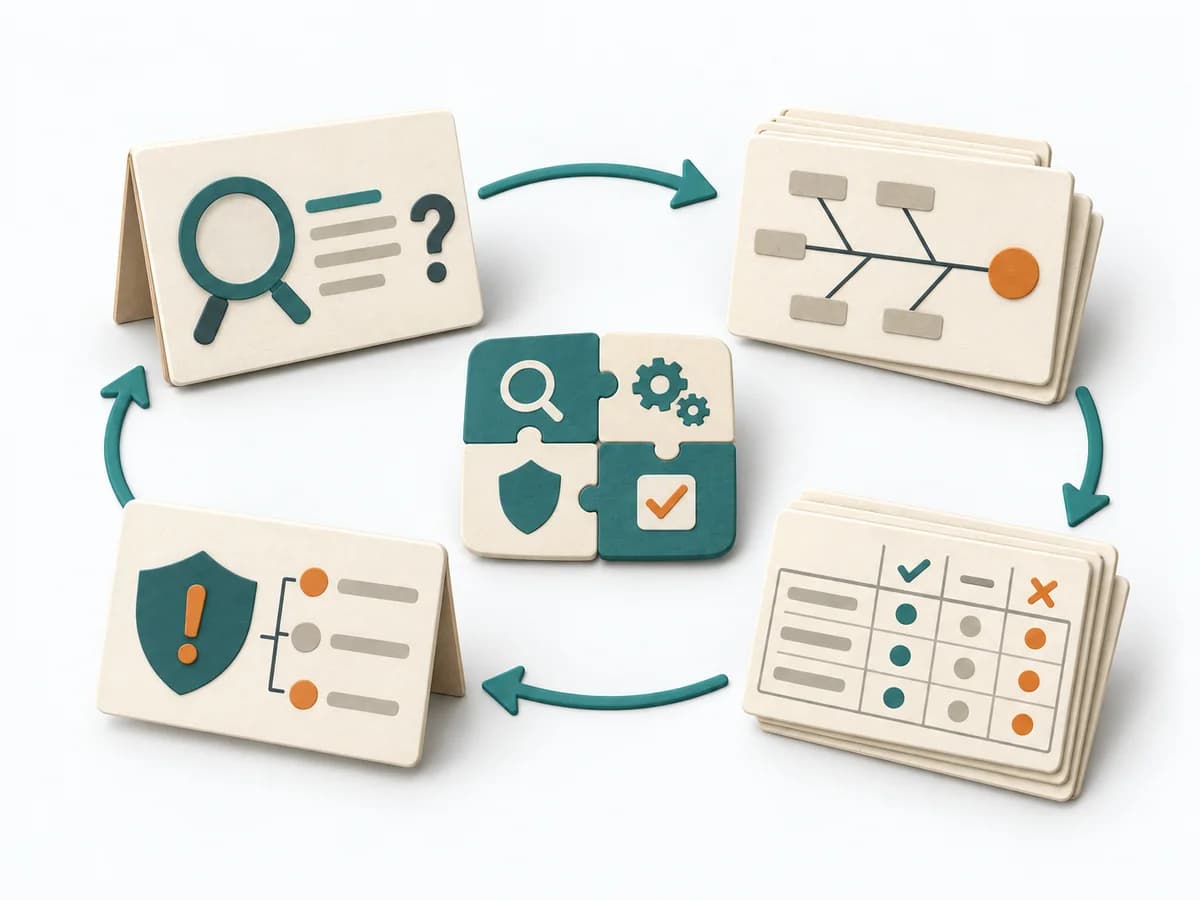
| Criterion |  Facilitation Stakeholder Mapping |  Operations 5 Whys | 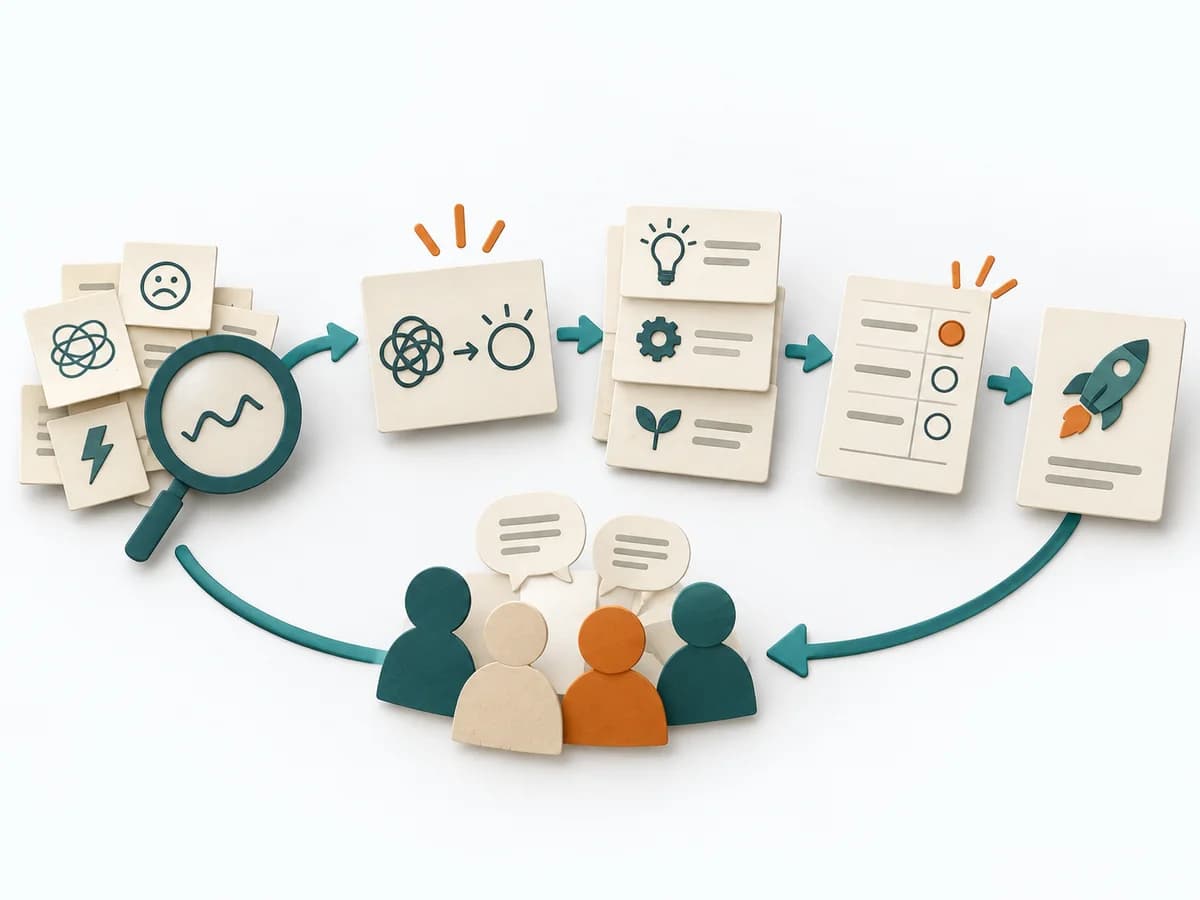 Facilitation Decision Jam |
|---|---|---|---|
Purposedifferent | When an initiative depends on many people, interests, and power dynamics, Stakeholder Mapping systematically orders the environment. It shows who influences, who is affected, and where relationship management or safeguarding matters first. | For a single, hard-to-explain deviation, the method exposes the causal chain behind the visible symptom. It keeps the cause open until a controllable condition emerges instead of a mere description. | When a decision is stuck, Decision Jam loosens the knot through structured separation of problem, idea, and selection. The format creates movement without jumping prematurely at the first seemingly elegant answer. |
Complexitysame | Low | Low | Low |
Timedifferent | 60–90 min | 15-30 min | 60-90 min |
Participantsdifferent | 2-8 | 2-6 | 4-10 |
Formatdifferent | Workshop + async | Workshop | Workshop |
Outputdifferent | Stakeholder Map, Engagement Plan, Risk Notes | Root cause notes, Countermeasures | Problem Cluster, Prioritized Challenge, Experiment |
Tagsno overlap | StakeholdersAlignmentFacilitationChange | Root causeIncidentLeanProblem solving | FacilitationDecisionProblem solvingWorkshop |
Often compared together
Methods with strong topical overlap with the current selection, not yet in the comparison.