View methods side by side.
Choose up to four methods. Add them using the search and share the comparison by copying its link.
| Criterion | 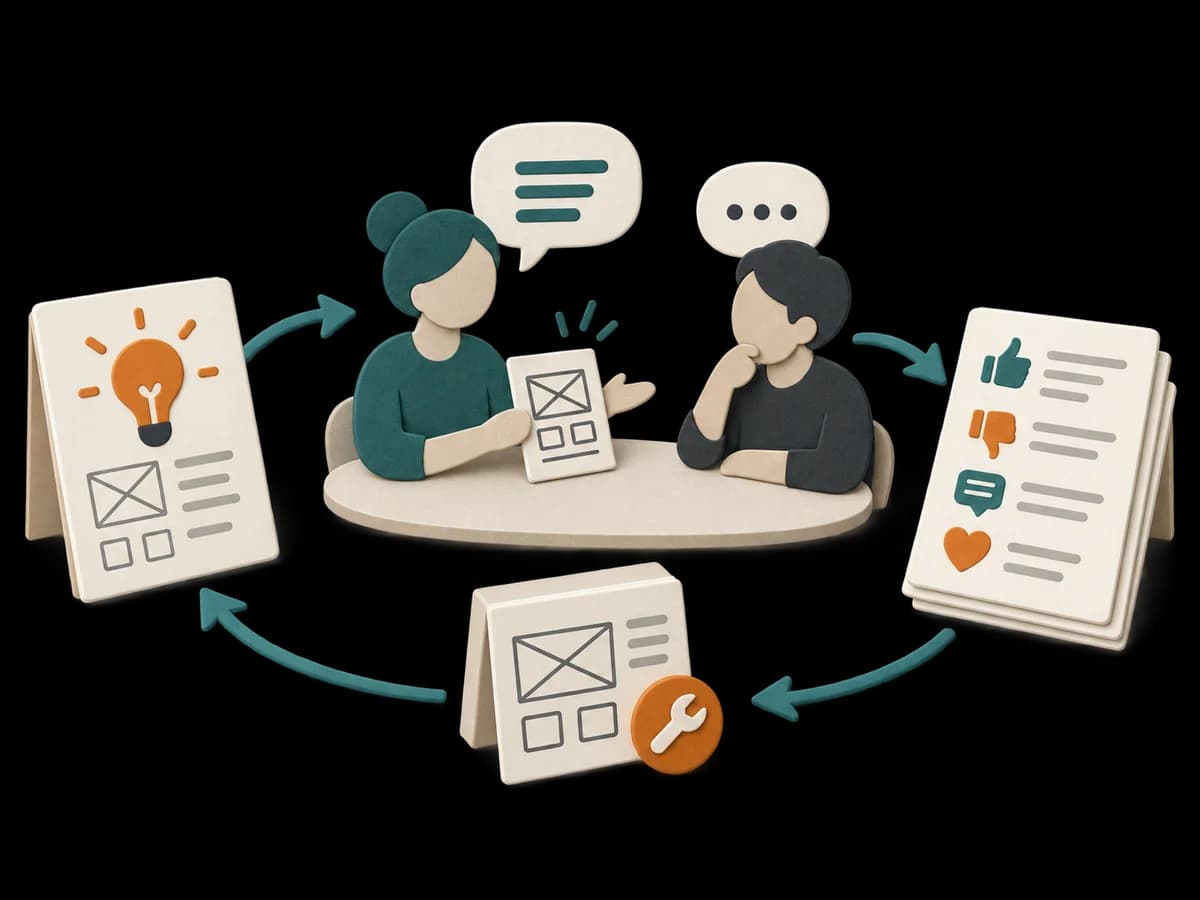 Product Discovery Solution Interview |  Systems Thinking Leverage Points | 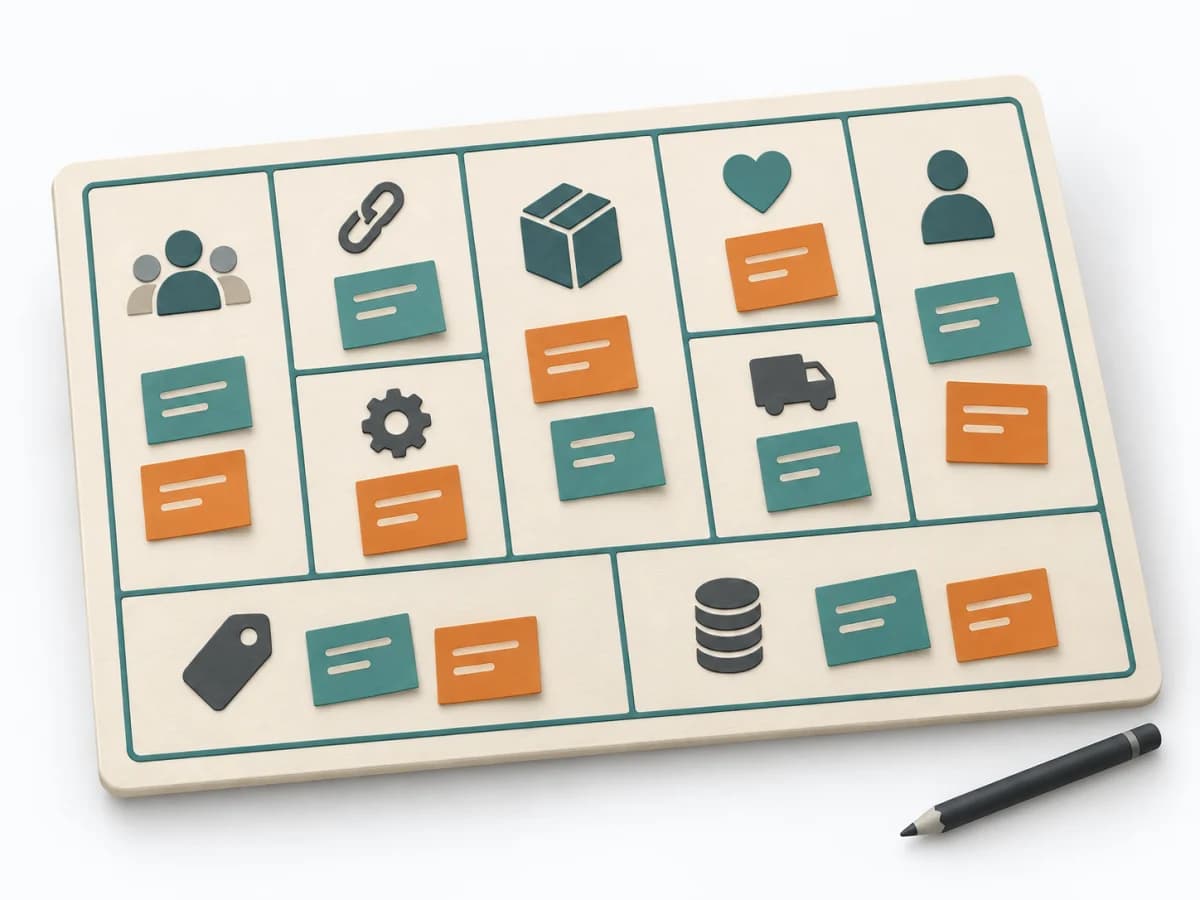 Business Strategy Business Model Canvas |
|---|---|---|---|
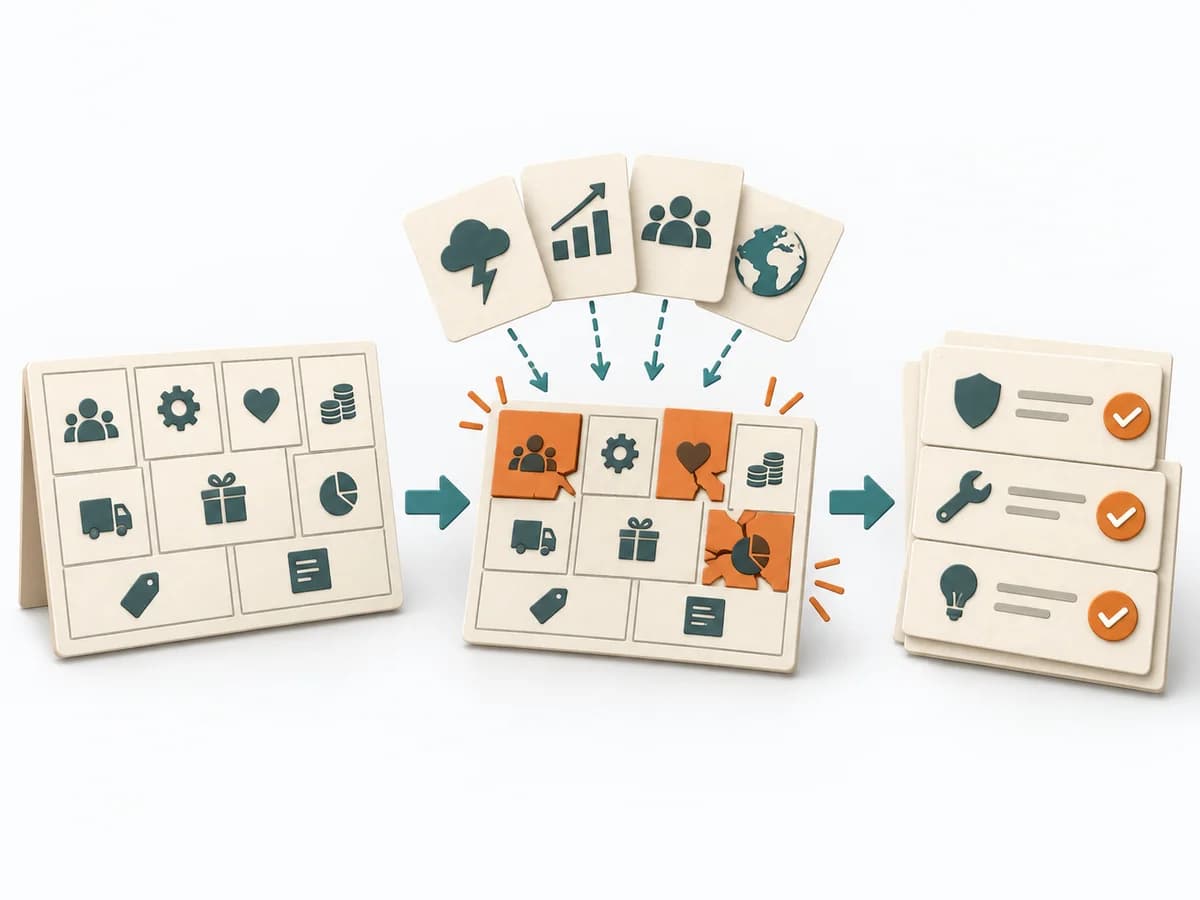
Purposedifferent | When a solution idea is already on the table, it checks how it is understood and evaluated. It looks for resonance, objections, and missing fit early in the conversation. | Leverage Points show exactly where interventions in a system produce a disproportionate effect. It draws relationships, patterns, and feedback loops. The result is captured as a leverage map and action strategy. | The Business Model Canvas condenses a business model to its key building blocks and assumptions. It makes variants quickly comparable and reveals gaps before validation or implementation begins. |
Complexitydifferent | Medium | High | Medium |
Timedifferent | 30-60 min je Interview | Half day | 1-2 h |
Participantsdifferent | 5-10 Interviews | 3-12 | 2-8 |
Formatdifferent | Workshop + async | Workshop | Workshop + async |
Outputdifferent | Solution Feedback, Objection List, Validation Notes | Leverage Map, Action Strategy | Business Model Canvas, Assumption List, Business Hypotheses |
Tagsno overlap | ValidationInterviewsPrototype | Systems thinkingChangeStrategy | Business modelStrategyValueInnovation |
Often compared together
Methods with strong topical overlap with the current selection, not yet in the comparison.