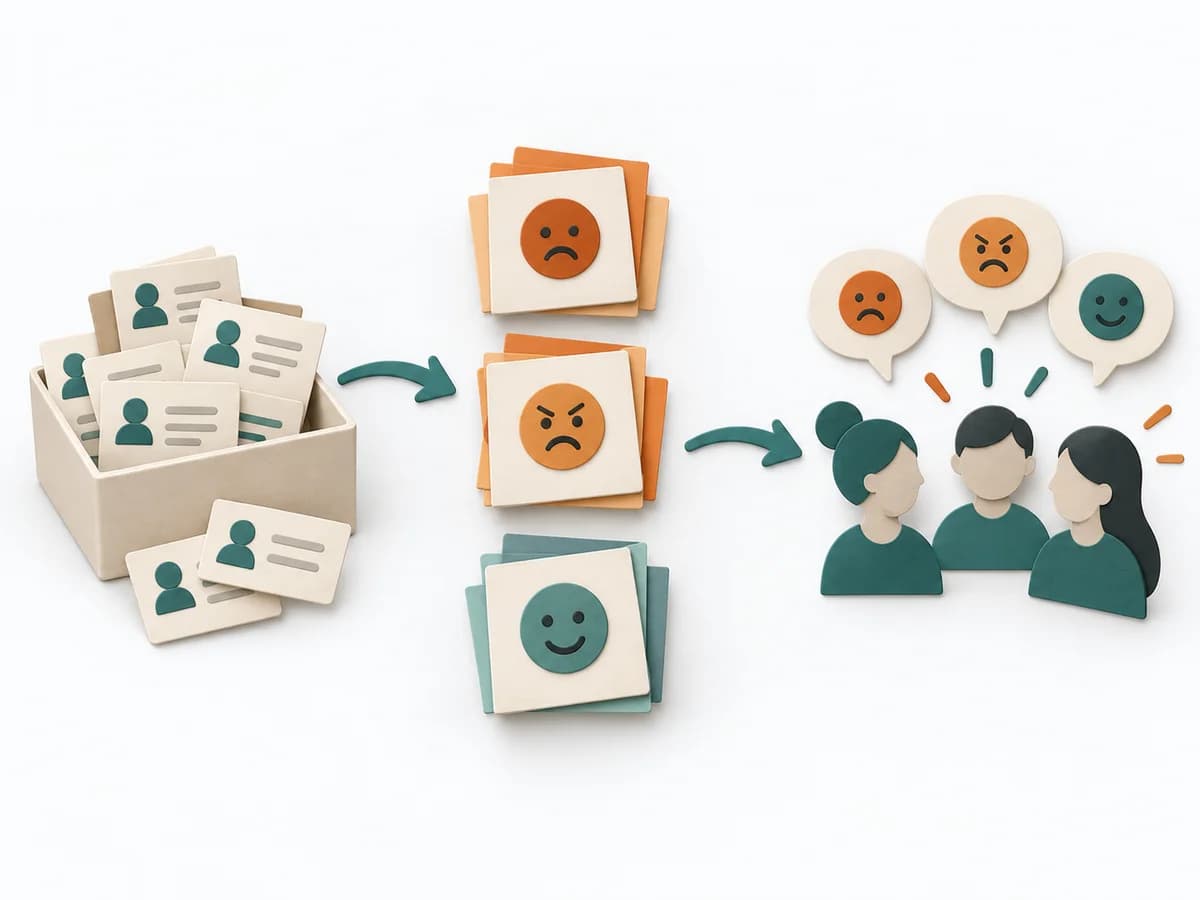
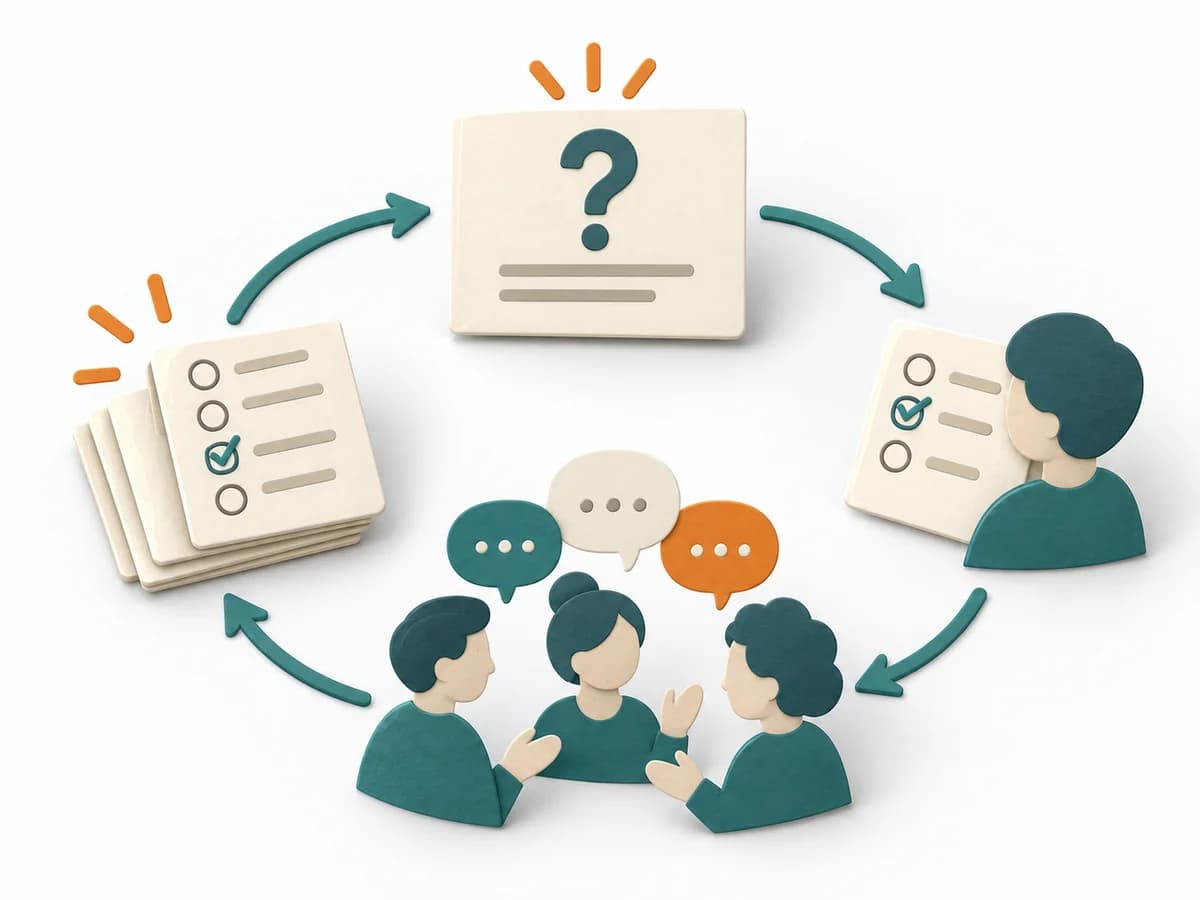
View methods side by side.
Choose up to four methods. Add them using the search and share the comparison by copying its link.
| Criterion |  Systems Thinking Polarity Mapping |  Agile 4Ls Retrospective | 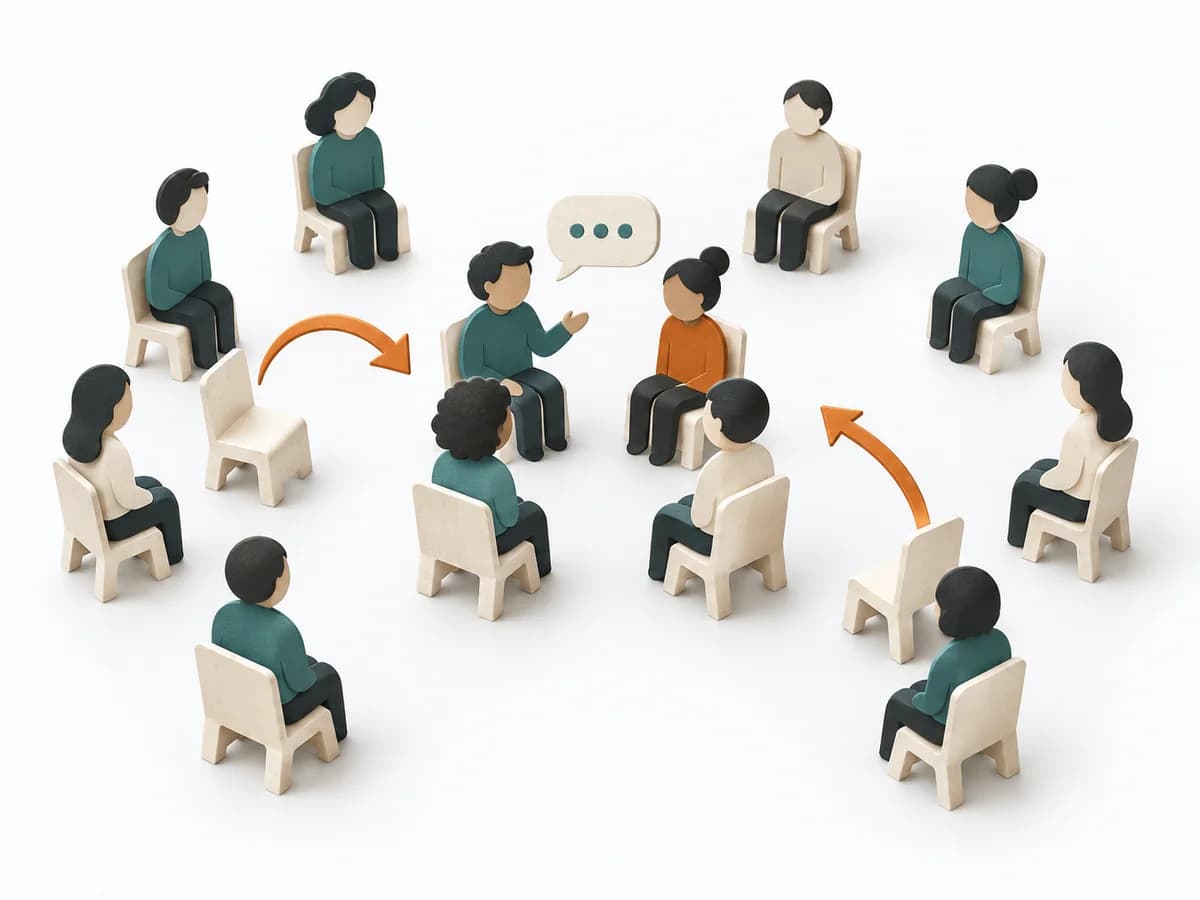 Facilitation Fishbowl Discussion |
|---|---|---|---|
Purposedifferent | Polarity Mapping makes tensions between two opposing poles tangible, such as standardization and adaptation or control and autonomy. The method guards against making apparent either-or decisions prematurely. | When a sprint should not only be assessed but also learned from, it captures experience in clear learning categories. It records what worked, what's missing, and what should run differently next time. | When a controversial topic needs depth and discipline at the same time, Fishbowl Discussion makes the structure of the conversation transparent. The format keeps the core small enough for real dialogue and open enough for controlled turnover. |
Complexitydifferent | Medium | Low | Medium |
Timedifferent | 1-2 h | 45–75 min | 45-90 min |
Participantsdifferent | 3-12 | Team members involved | 8-80 |
Formatsame | Workshop | Workshop | Workshop |
Outputdifferent | Polarity Map, Warning Signs, Balance Actions | 4Ls Board, Learning Themes, Improvement Actions | Discussion Insights, Observed Tensions, Follow-up Questions |
Tagsno overlap | Systems thinkingTradeoffsLeadership | RetrospectiveLearningReflectionTeam | FacilitationDialogueLarge group |
Often compared together
Methods with strong topical overlap with the current selection, not yet in the comparison.