View methods side by side.
Choose up to four methods. Add them using the search and share the comparison by copying its link.
| Criterion |  Knowledge Modeling PARA Method | 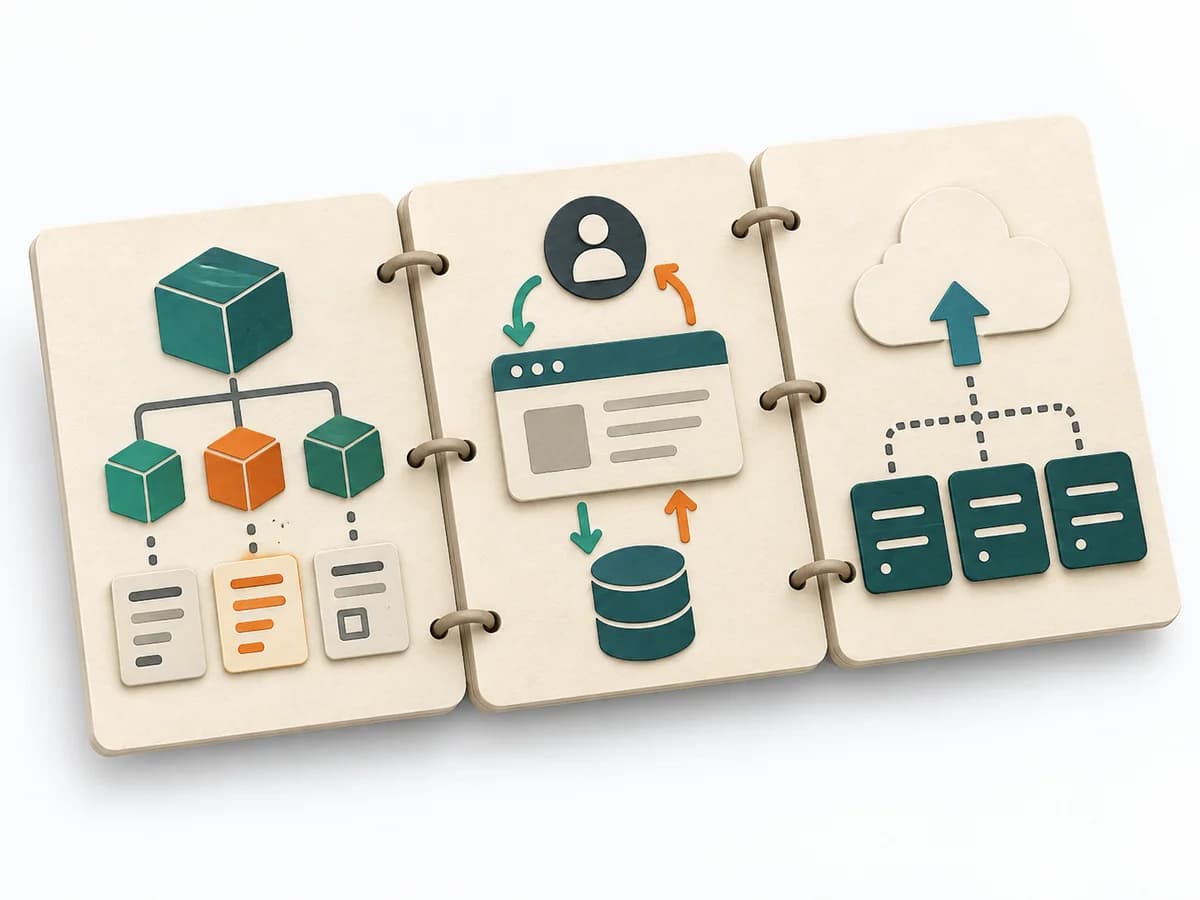 Architecture Views and Beyond |  Facilitation Stakeholder Mapping |
|---|---|---|---|
Purposedifferent | The PARA Method organizes knowledge into Projects, Areas, Resources, and Archives. It creates order when digital notes, files, and tasks no longer cleanly fit current work. | Views and Beyond organizes architecture into several views so no single diagram has to do everything at once. This makes it possible to choose the representation that fits the stakeholder's question. | When an initiative depends on many people, interests, and power dynamics, Stakeholder Mapping systematically orders the environment. It shows who influences, who is affected, and where relationship management or safeguarding matters first. |
Complexitydifferent | Medium | Medium | Low |
Timedifferent | 1-3 h Setup, laufend | 1-3 Tage | 60–90 min |
Participantsdifferent | 1 | 1-4 | 2-8 |
Formatdifferent | Async | Workshop + async | Workshop + async |
Outputdifferent | PARA Structure, Project Notes, Knowledge Archive | Architecture Views, Cross-view Notes, Rationale | Stakeholder Map, Engagement Plan, Risk Notes |
Tagsno overlap | KnowledgeProductivityOrganization | DocumentationStakeholdersArchitecture | StakeholdersAlignmentFacilitationChange |
Often compared together
Methods with strong topical overlap with the current selection, not yet in the comparison.