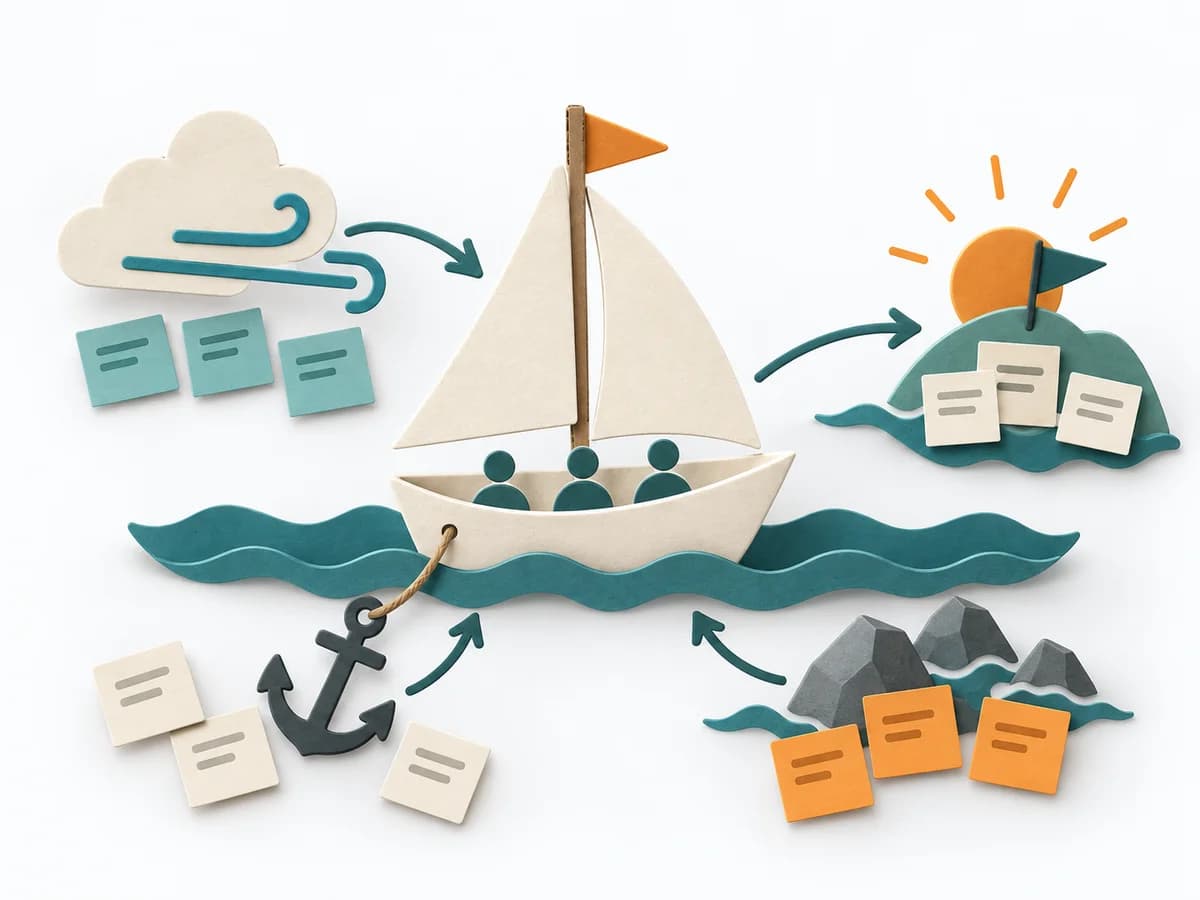
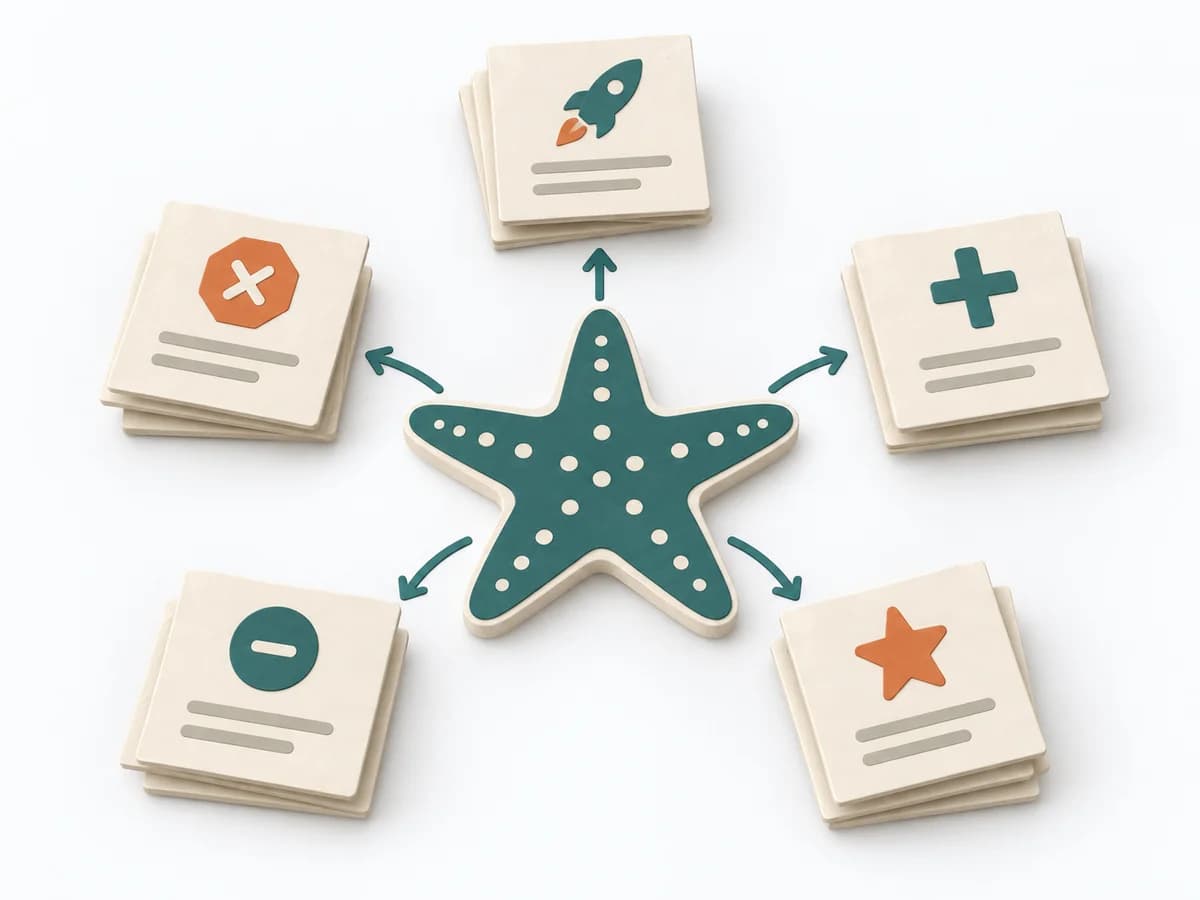
View methods side by side.
Choose up to four methods. Add them using the search and share the comparison by copying its link.
| Criterion |  Knowledge Modeling PARA Method | 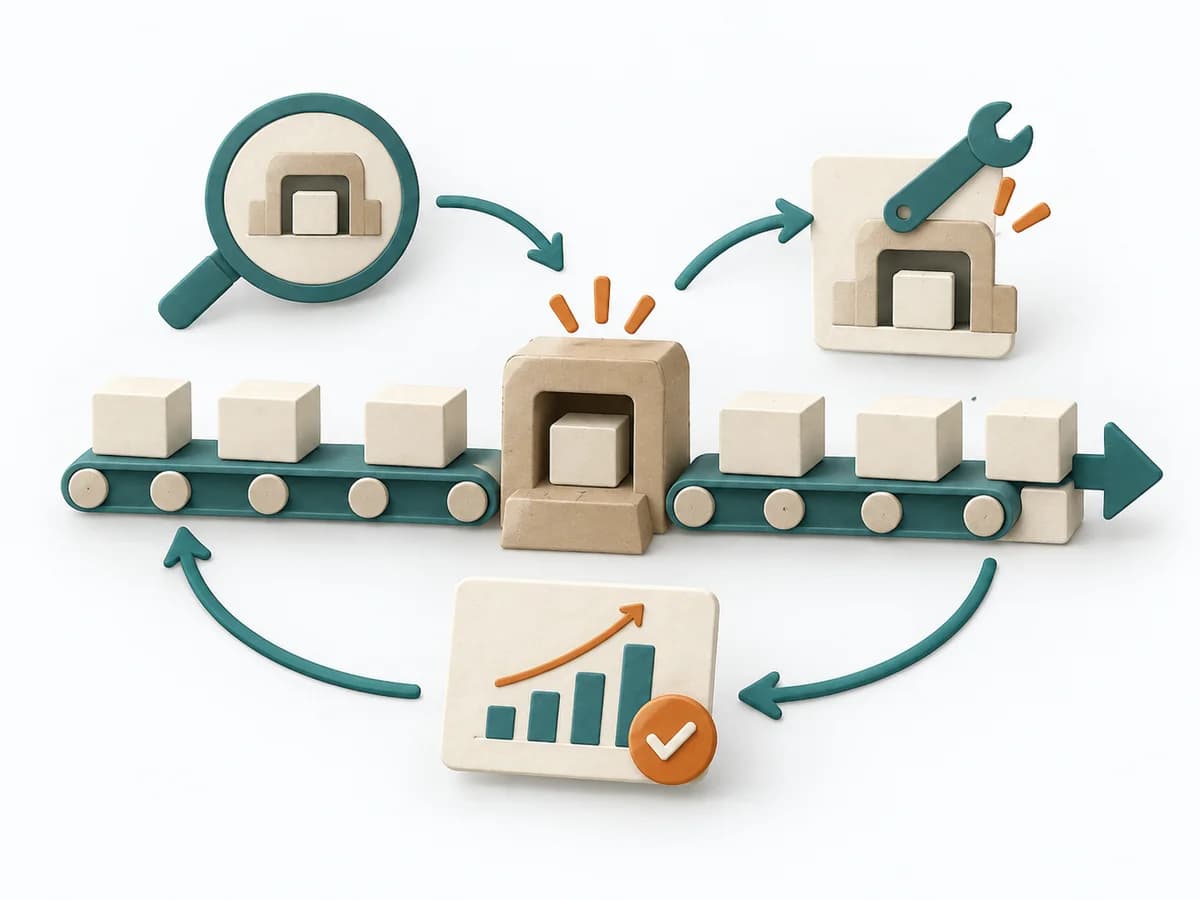 Operations Theory of Constraints | 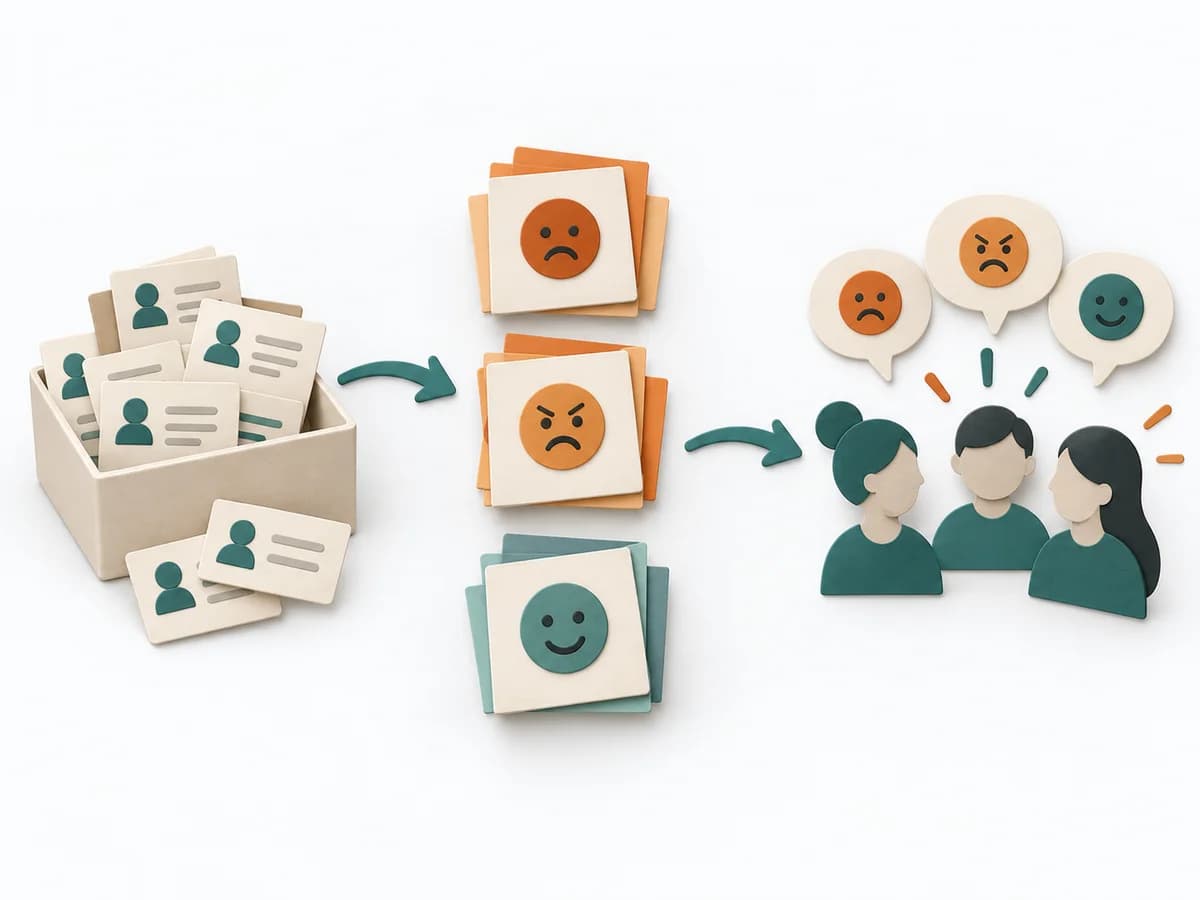 Agile Mad Sad Glad |
|---|---|---|---|
Purposedifferent | The PARA Method organizes knowledge into Projects, Areas, Resources, and Archives. It creates order when digital notes, files, and tasks no longer cleanly fit current work. | For a system that does not get faster despite effort, the method directs attention to the bottleneck. It concentrates improvement on the point that actually limits throughput. | When a team's or workshop's mood needs to become readable, it structures emotional signals with little setup. It makes strain, relief, and sources of energy tangible. |
Complexitydifferent | Medium | High | Low |
Timedifferent | 1-3 h Setup, laufend | 2-4 h Analyse, laufend | 30-60 min |
Participantsdifferent | 1 | 3-12 | 3-10 |
Formatdifferent | Async | Workshop + async | Workshop |
Outputdifferent | PARA Structure, Project Notes, Knowledge Archive | Constraint Map, Improvement Plan, Flow Metrics | Emotion Board, Themes, Action Items |
Tagsno overlap | KnowledgeProductivityOrganization | OperationsConstraintsFlowImprovement | RetrospectiveTeamReflection |
Often compared together
Methods with strong topical overlap with the current selection, not yet in the comparison.