View methods side by side.
Choose up to four methods. Add them using the search and share the comparison by copying its link.
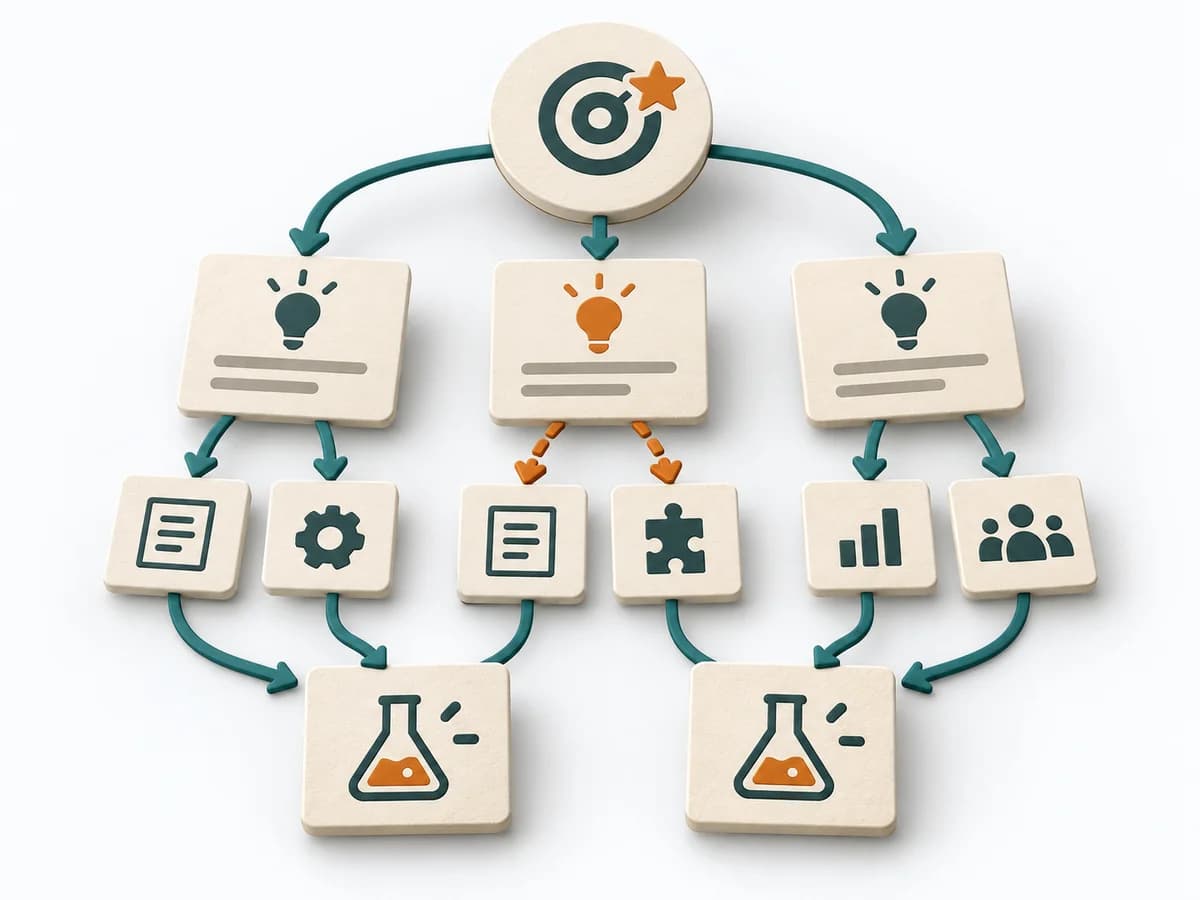
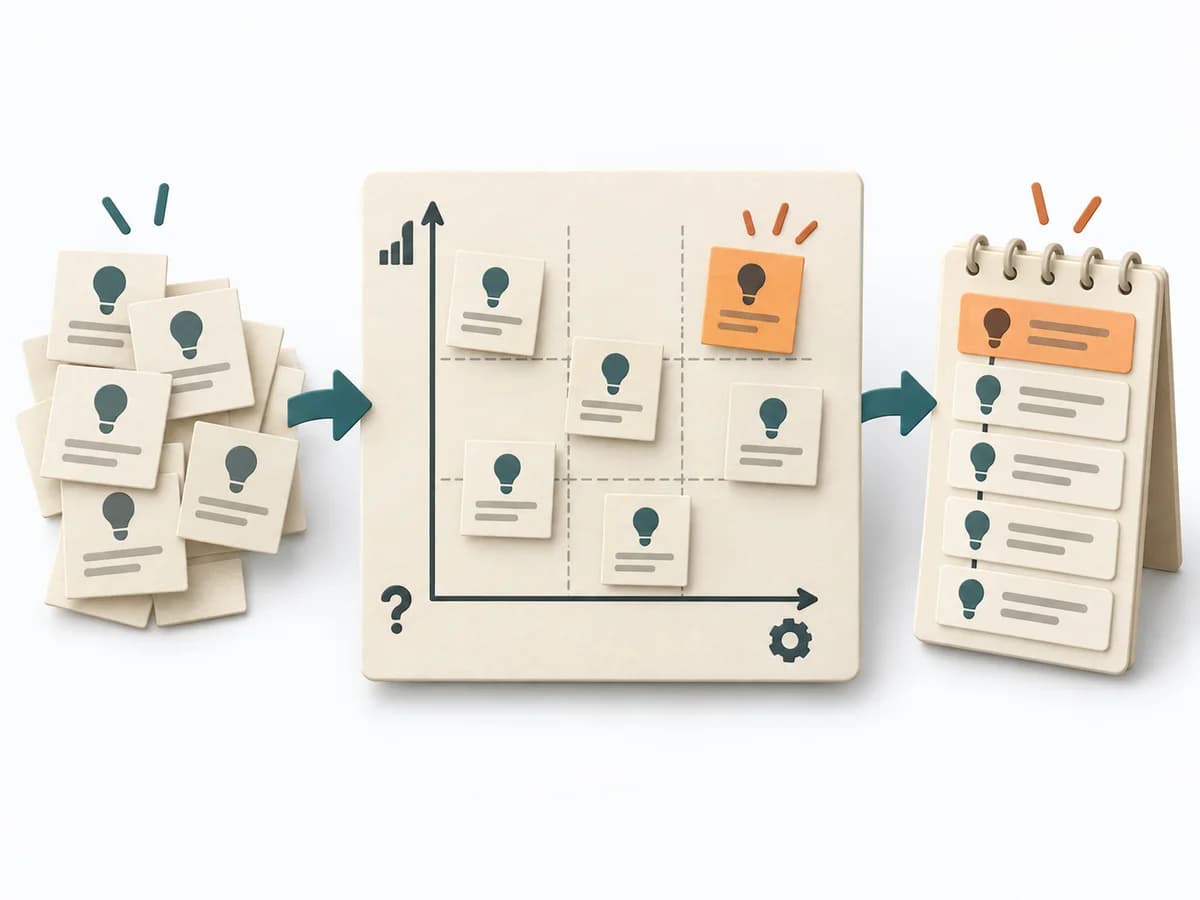
| Criterion |  Knowledge Modeling PARA Method | 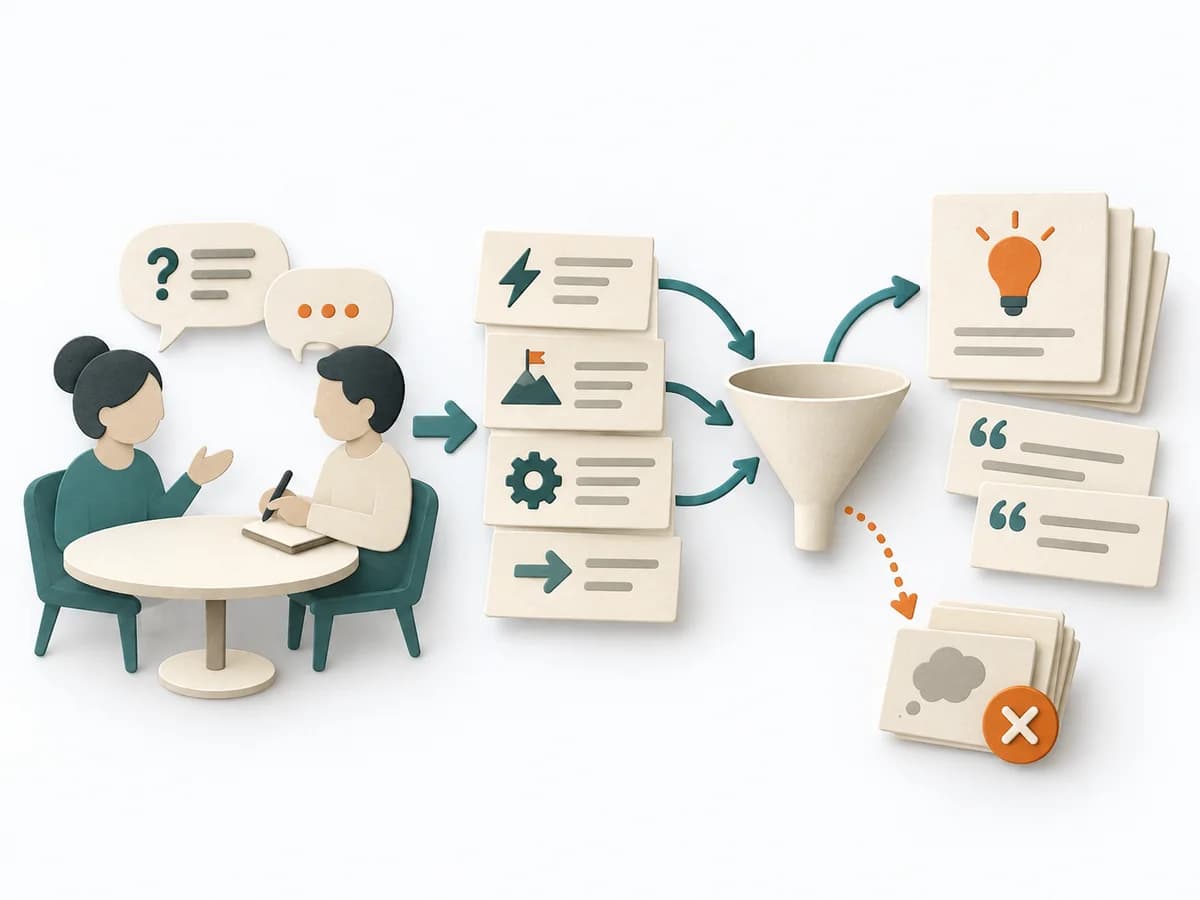 Product Discovery Opportunity Interview | 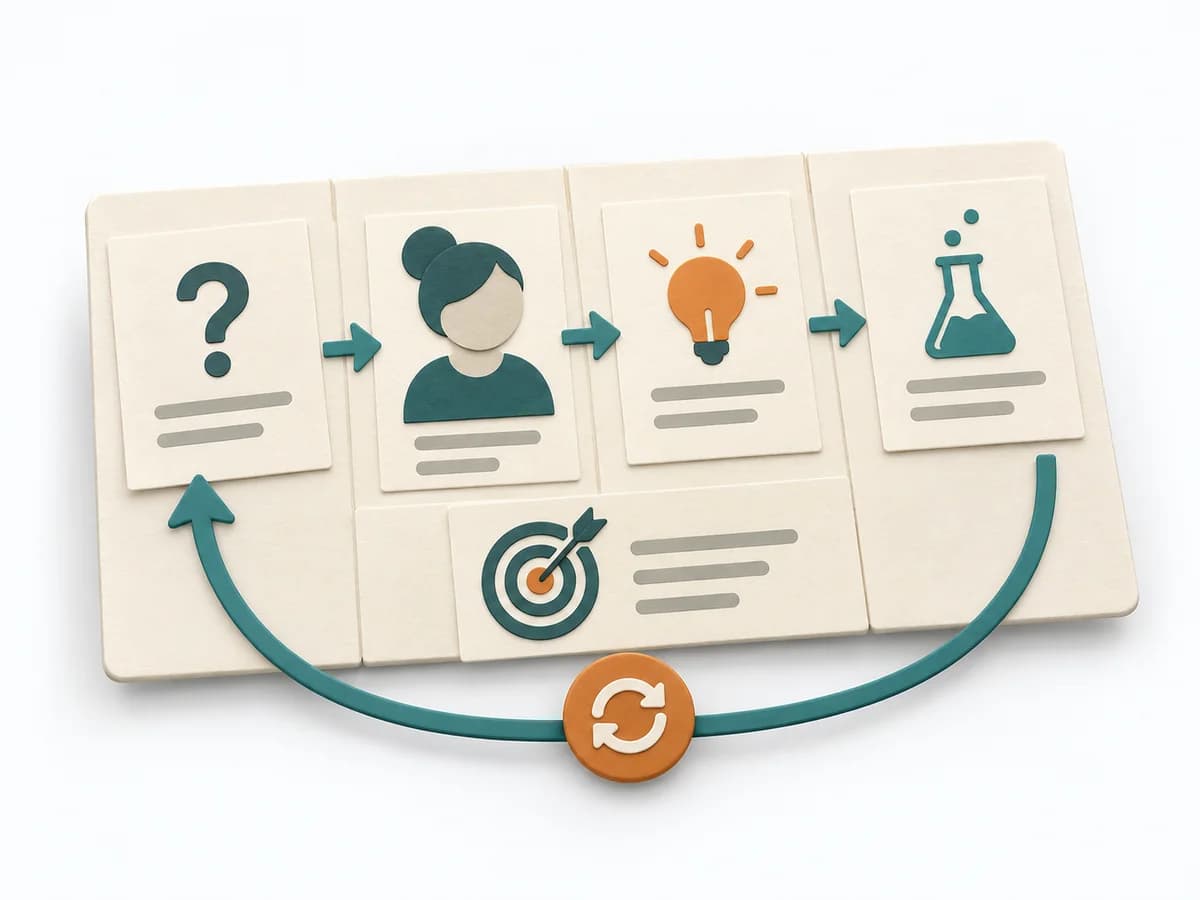 UX Design Lean UX Canvas |
|---|---|---|---|
Purposedifferent | The PARA Method organizes knowledge into Projects, Areas, Resources, and Archives. It creates order when digital notes, files, and tasks no longer cleanly fit current work. | When opportunities are still hidden behind signals of need, it structures conversations around needs and obstacles. It looks for patterns that lead to new product opportunities. | The Lean UX Canvas helps clarify user behavior, touchpoints, and concept decisions. It makes assumptions and desired outcomes visible and captures the result as a completed canvas, hypothesis list, and first experiment. |
Complexitysame | Medium | Medium | Medium |
Timedifferent | 1-3 h Setup, laufend | 30-60 min je Interview | 2-3 h |
Participantsdifferent | 1 | 5-12 Interviews | 3-8 |
Formatdifferent | Async | Workshop + async | Workshop + async |
Outputdifferent | PARA Structure, Project Notes, Knowledge Archive | Interview Notes, Opportunity Themes, Customer Quotes | Completed Lean UX Canvas, Hypothesis list, First experiment |
Tagsno overlap | KnowledgeProductivityOrganization | DiscoveryInterviewsOpportunityCustomer | CanvasHypothesisOutcomesDiscovery |
Often compared together
Methods with strong topical overlap with the current selection, not yet in the comparison.