View methods side by side.
Choose up to four methods. Add them using the search and share the comparison by copying its link.
| Criterion |  Knowledge Modeling PARA Method |  UX Research Customer Journey Mapping | 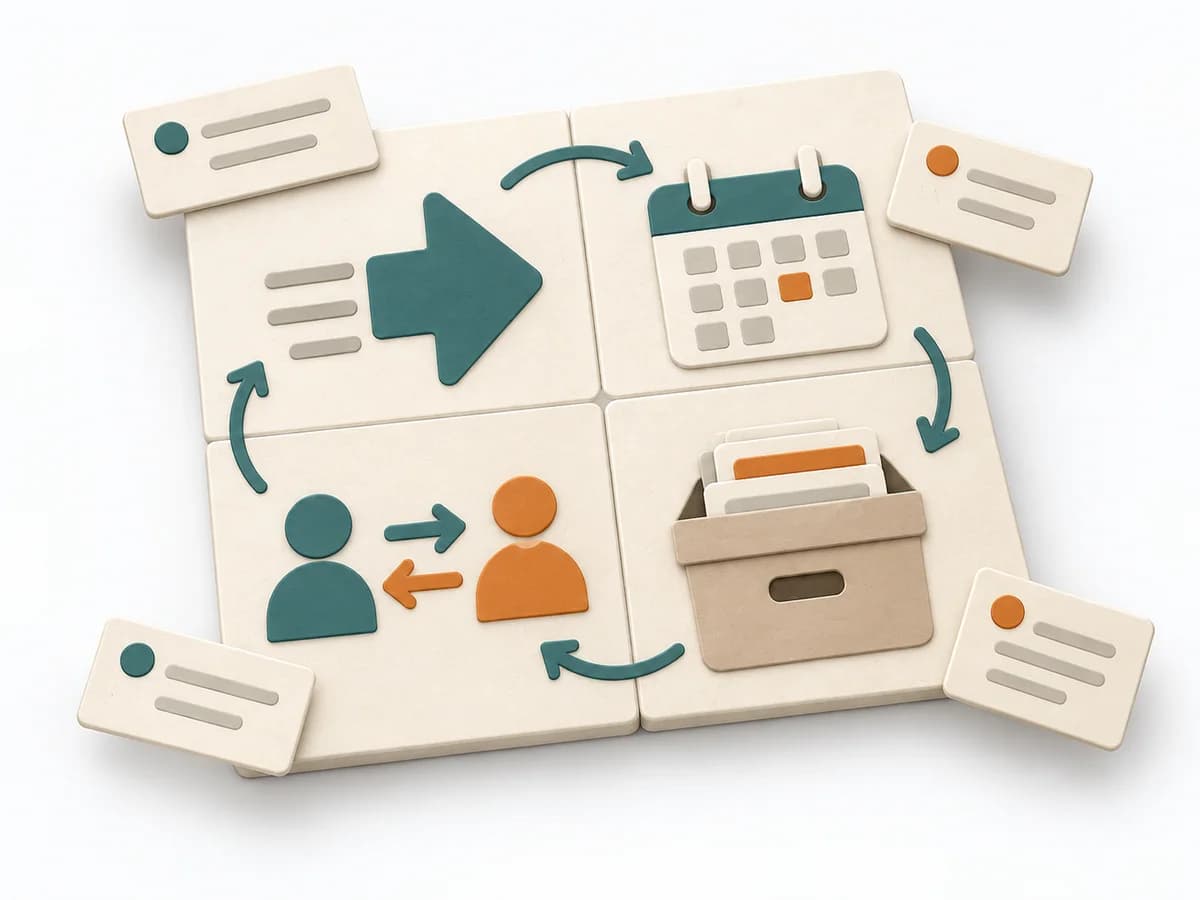 Decision Making Eisenhower Matrix |
|---|---|---|---|
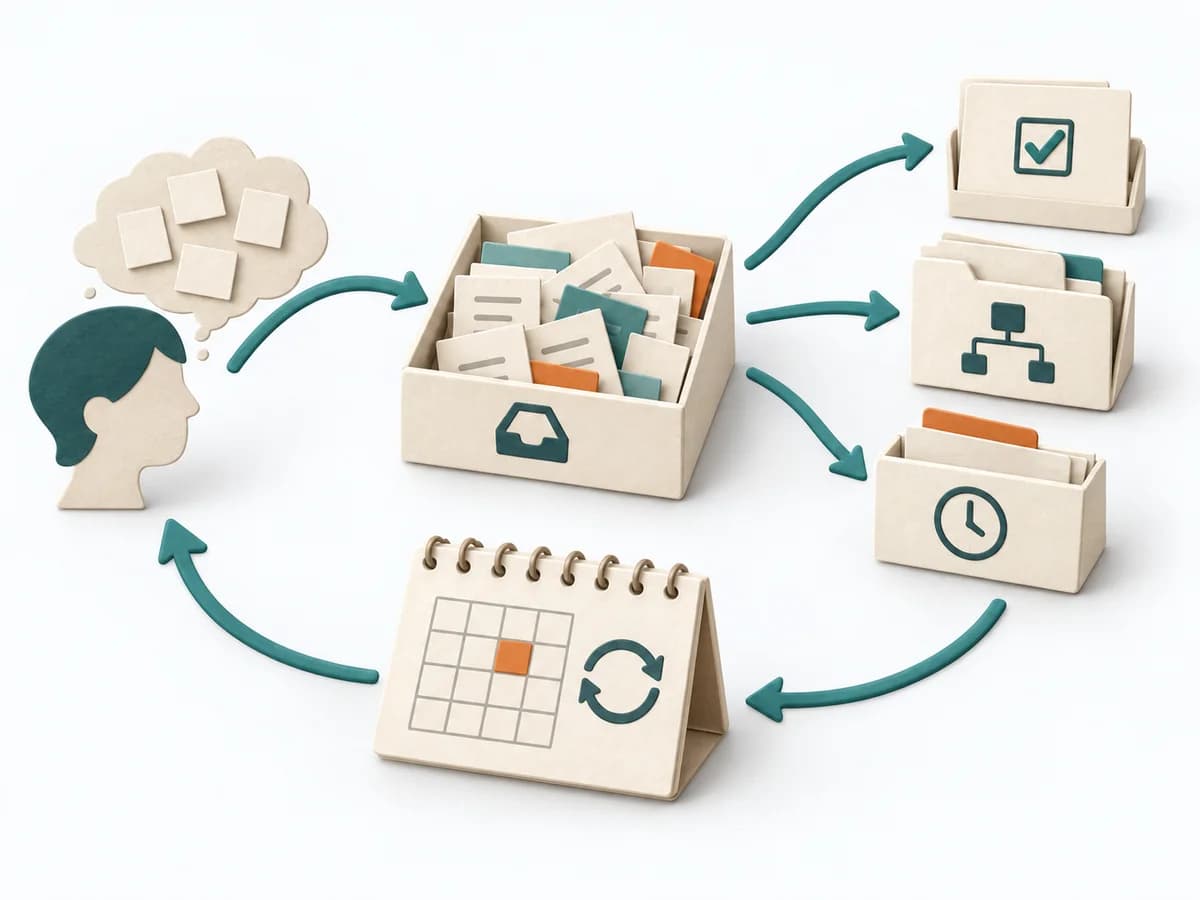
Purposedifferent | The PARA Method organizes knowledge into Projects, Areas, Resources, and Archives. It creates order when digital notes, files, and tasks no longer cleanly fit current work. | When a user journey falls apart across many touchpoints, customer journey mapping makes the experience visible as a coherent arc. Phases, emotions, and breaks become legible enough to prioritize critical moments deliberately. | It separates true priorities from noise so it becomes clear what should be done now, scheduled, delegated, or dropped. |
Complexitydifferent | Medium | Medium | Low |
Timedifferent | 1-3 h Setup, laufend | 2-4 h | 15-30 min |
Participantsdifferent | 1 | 4-10 | 1-6 |
Formatdifferent | Async | Workshop | Workshop + async |
Outputdifferent | PARA Structure, Project Notes, Knowledge Archive | Journey Map, Pain-point List, Opportunity Backlog | Eisenhower Matrix, Action List, Delegation Notes |
Tagsno overlap | KnowledgeProductivityOrganization | JourneyServiceService design | PrioritizationFocusTasks |
Often compared together
Methods with strong topical overlap with the current selection, not yet in the comparison.