View methods side by side.
Choose up to four methods. Add them using the search and share the comparison by copying its link.
| Criterion | 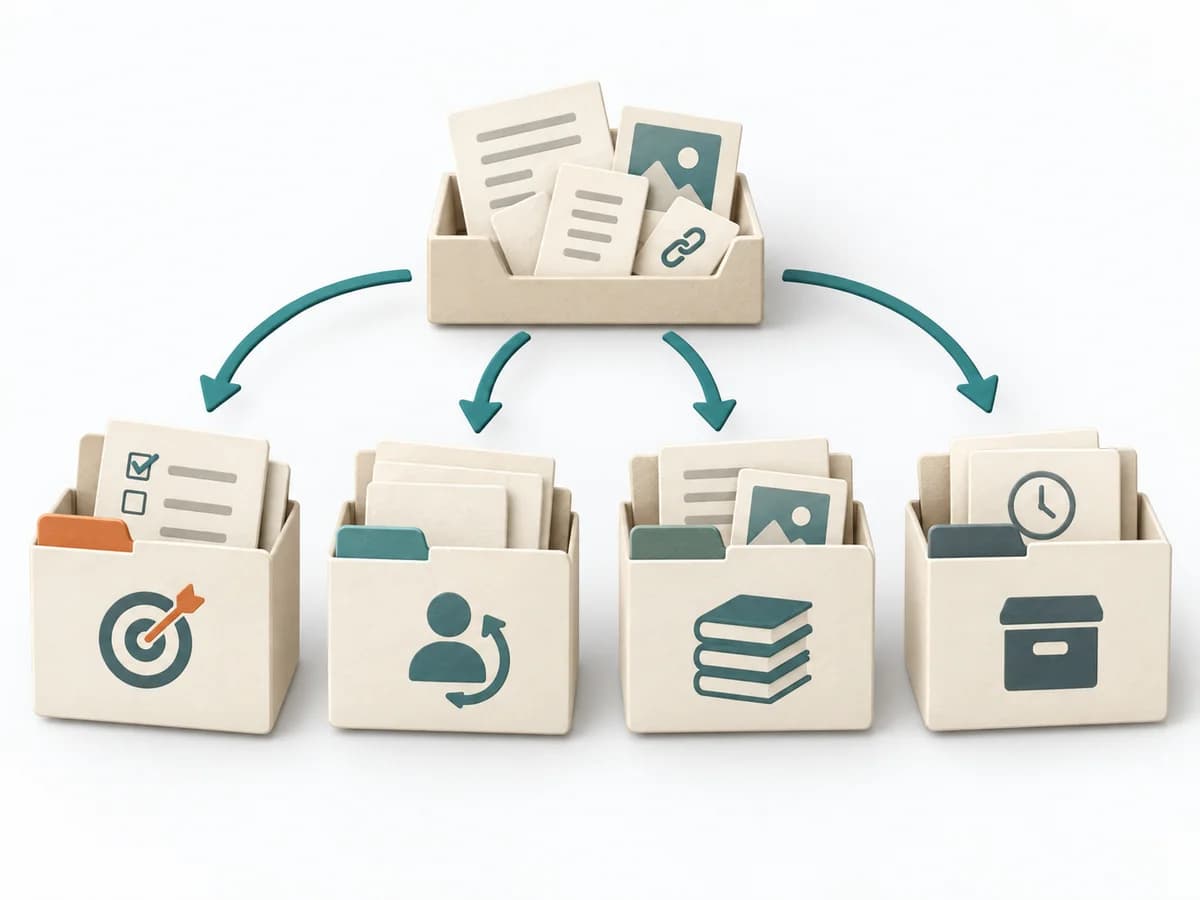 Knowledge Modeling PARA Method |  Decision Making Assumption Surfacing |  Product Discovery Experiment Canvas |
|---|---|---|---|
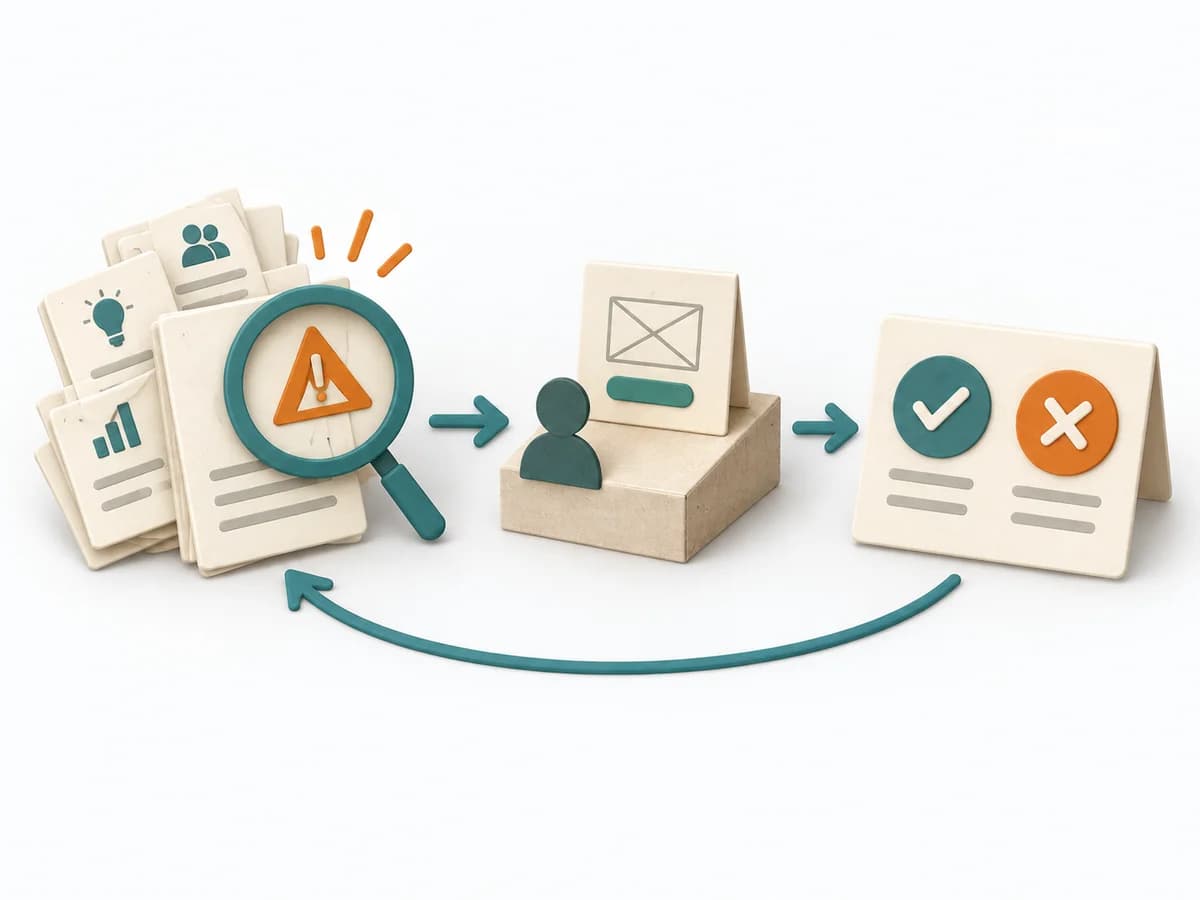
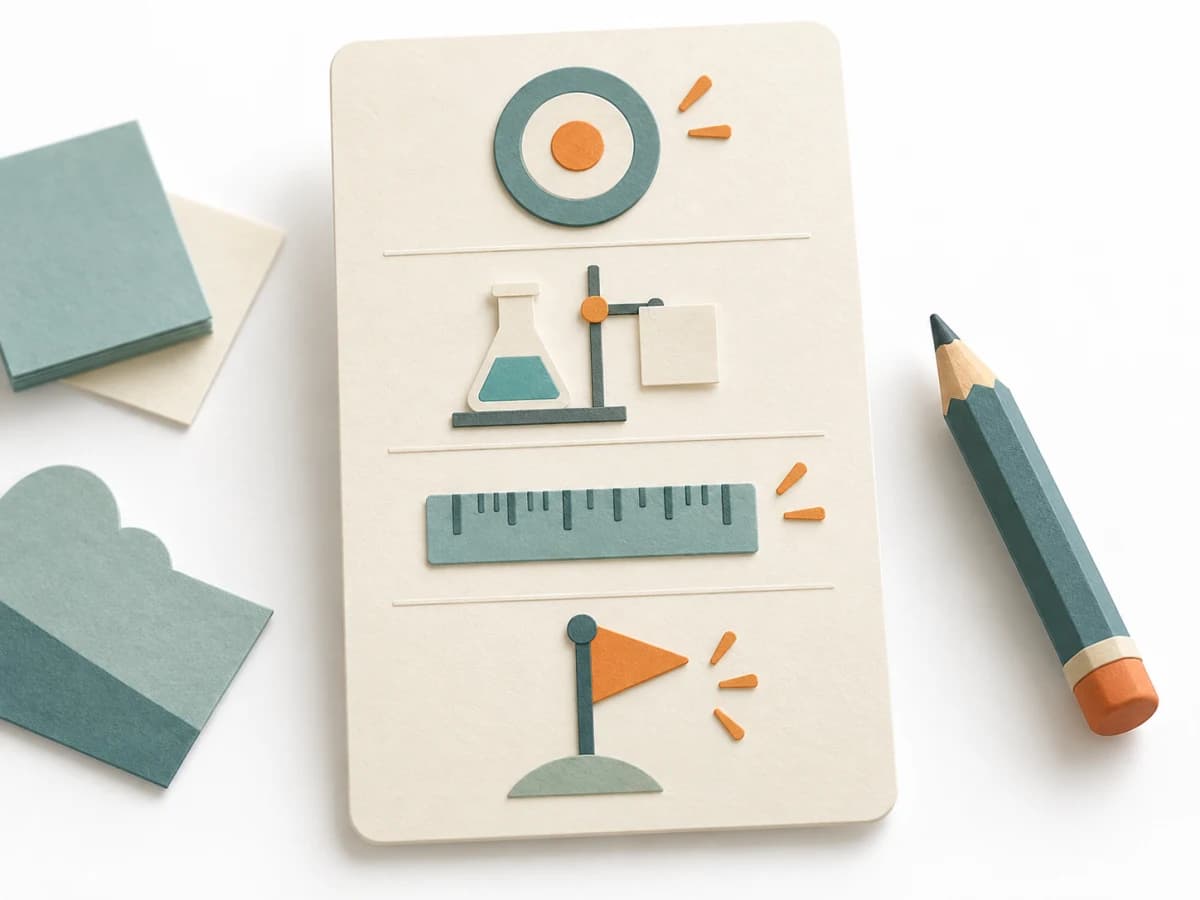
Purposedifferent | The PARA Method organizes knowledge into Projects, Areas, Resources, and Archives. It creates order when digital notes, files, and tasks no longer cleanly fit current work. | Plans often contain assumptions that were never openly stated and remain dangerous precisely because of that. Assumption Surfacing makes these silent premises visible and prioritizes which of them carry the initiative or could sink it. | When experiments become unreadable after the fact, it arranges hypothesis, signal, and learning goal on a single canvas. It separates problem, assumption, solution, and evidence. The result is captured as a Completed Experiment Canvas and a Success Metric. |
Complexitydifferent | Medium | Low | Low |
Timedifferent | 1-3 h Setup, laufend | 45-90 min | 30-60 min |
Participantsdifferent | 1 | 2-8 | 1-5 |
Formatdifferent | Async | Workshop + async | Workshop + async |
Outputdifferent | PARA Structure, Project Notes, Knowledge Archive | Assumption List, Critical Assumptions, Learning Plan | Completed Experiment Canvas, Success Metric |
Tagsno overlap | KnowledgeProductivityOrganization | AssumptionsRiskDecisionDiscovery | ExperimentsValidationDiscoveryHypothesis |
Often compared together
Methods with strong topical overlap with the current selection, not yet in the comparison.