View methods side by side.
Choose up to four methods. Add them using the search and share the comparison by copying its link.
| Criterion | 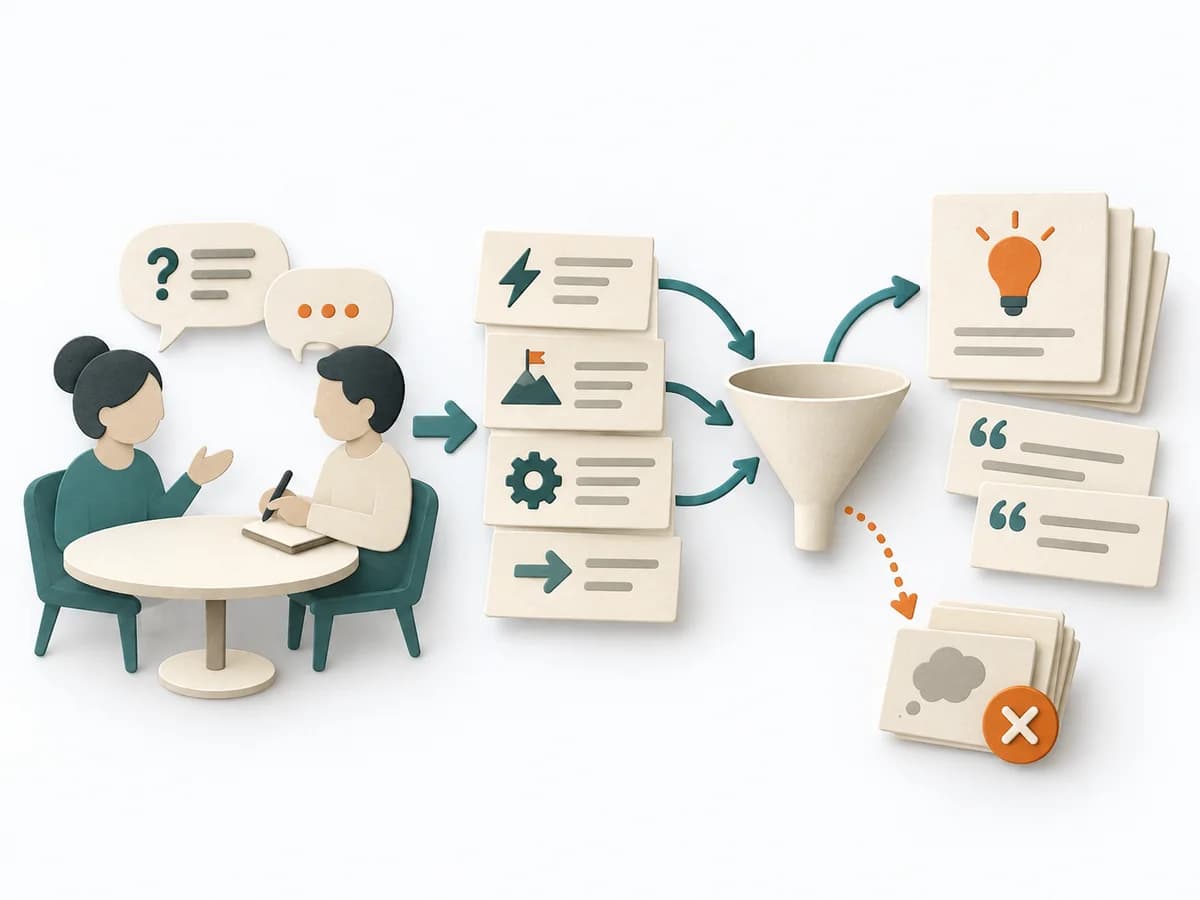 Product Discovery Opportunity Interview | 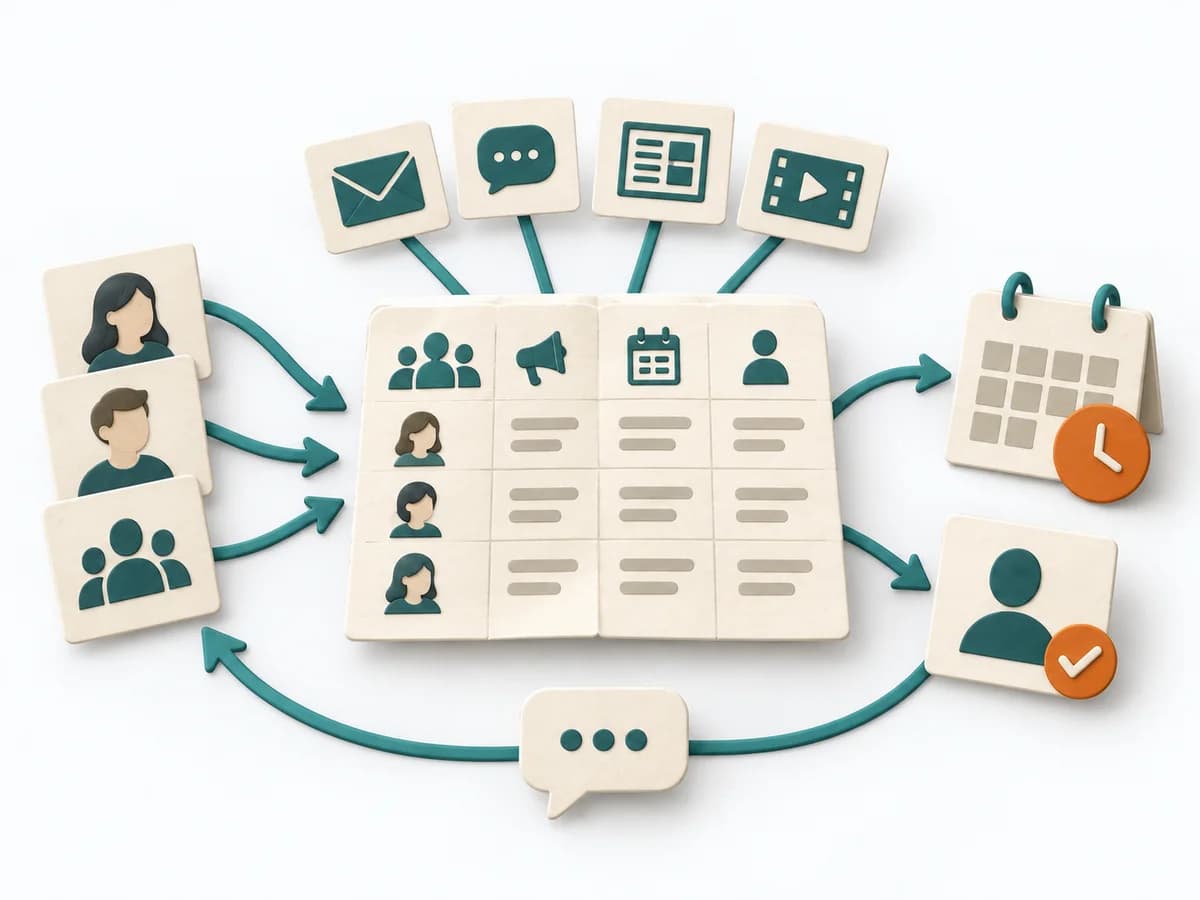 Delivery Communication Plan | 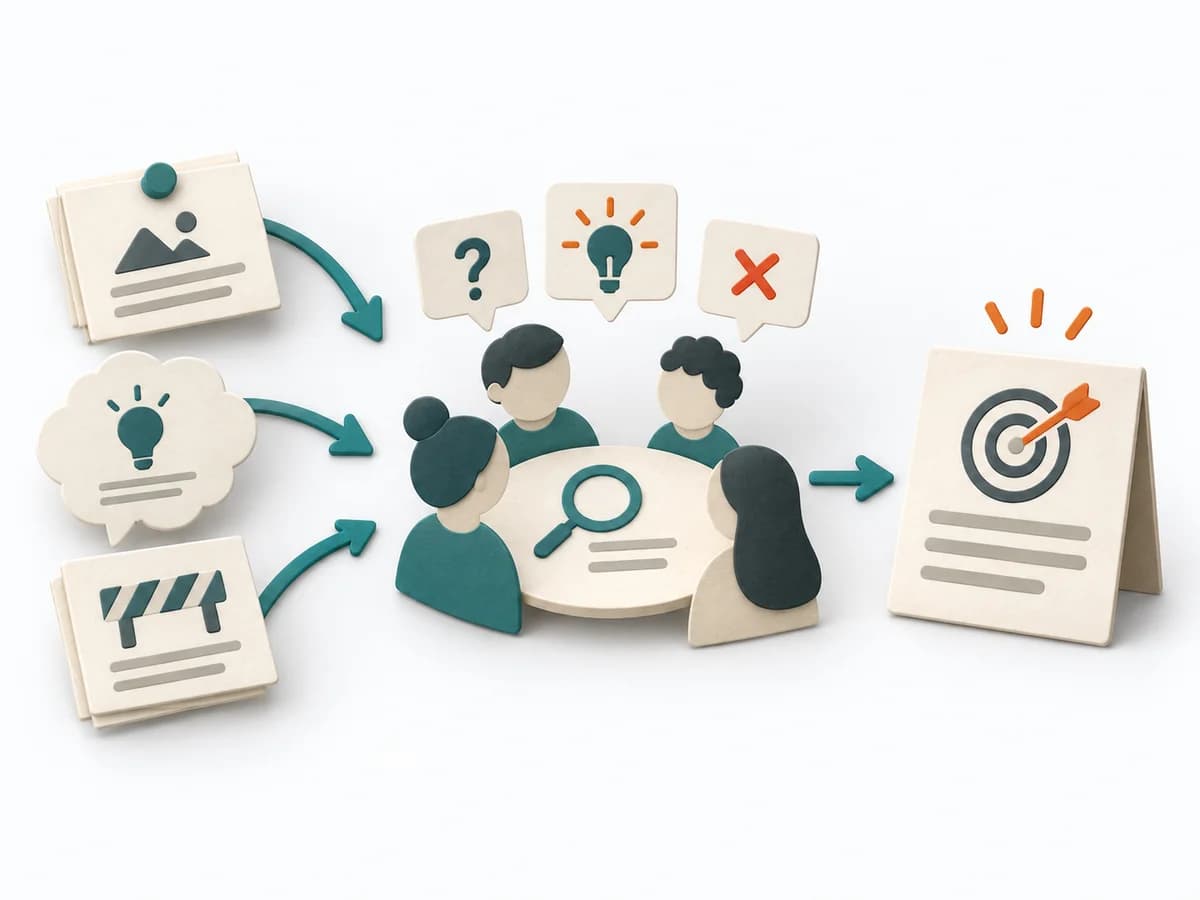 Facilitation Problem Framing Workshop |
|---|---|---|---|
Purposedifferent | When opportunities are still hidden behind signals of need, it structures conversations around needs and obstacles. It looks for patterns that lead to new product opportunities. | When many people need to be informed in parallel and messages would otherwise arrive unevenly or too late, a Communication Plan orders communication reliably. Channels, audiences, and cadences interlock so important information doesn't get lost. | When a team works on symptoms but the real question stays fuzzy, a Problem Framing Workshop sharpens the view of the right problem. It separates observation, interpretation, and target picture from each other. |
Complexitydifferent | Medium | Low | Low |
Timedifferent | 30-60 min je Interview | 45-90 min | 60-120 min |
Participantsdifferent | 5-12 Interviews | 2-6 | 4-10 |
Formatdifferent | Workshop + async | Workshop + async | Workshop |
Outputdifferent | Interview Notes, Opportunity Themes, Customer Quotes | Communication Plan, Channel Matrix, Message Cadence | Problem Statement, Scope Boundaries, Assumption List, Next Analysis Questions |
Tagsno overlap | DiscoveryInterviewsOpportunityCustomer | CommunicationStakeholdersDeliveryPlanning | FacilitationAlignmentDiscovery |
Often compared together
Methods with strong topical overlap with the current selection, not yet in the comparison.



