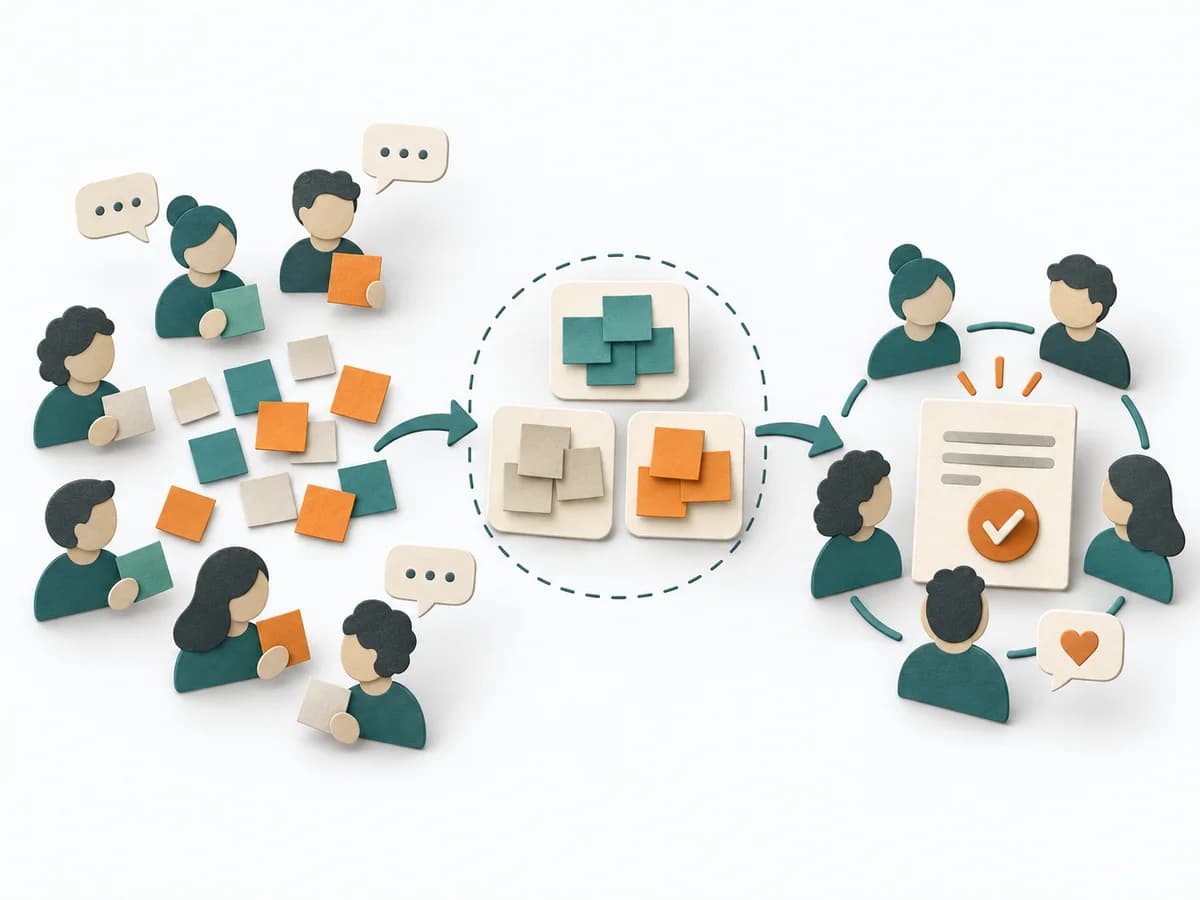
View methods side by side.
Choose up to four methods. Add them using the search and share the comparison by copying its link.
| Criterion | 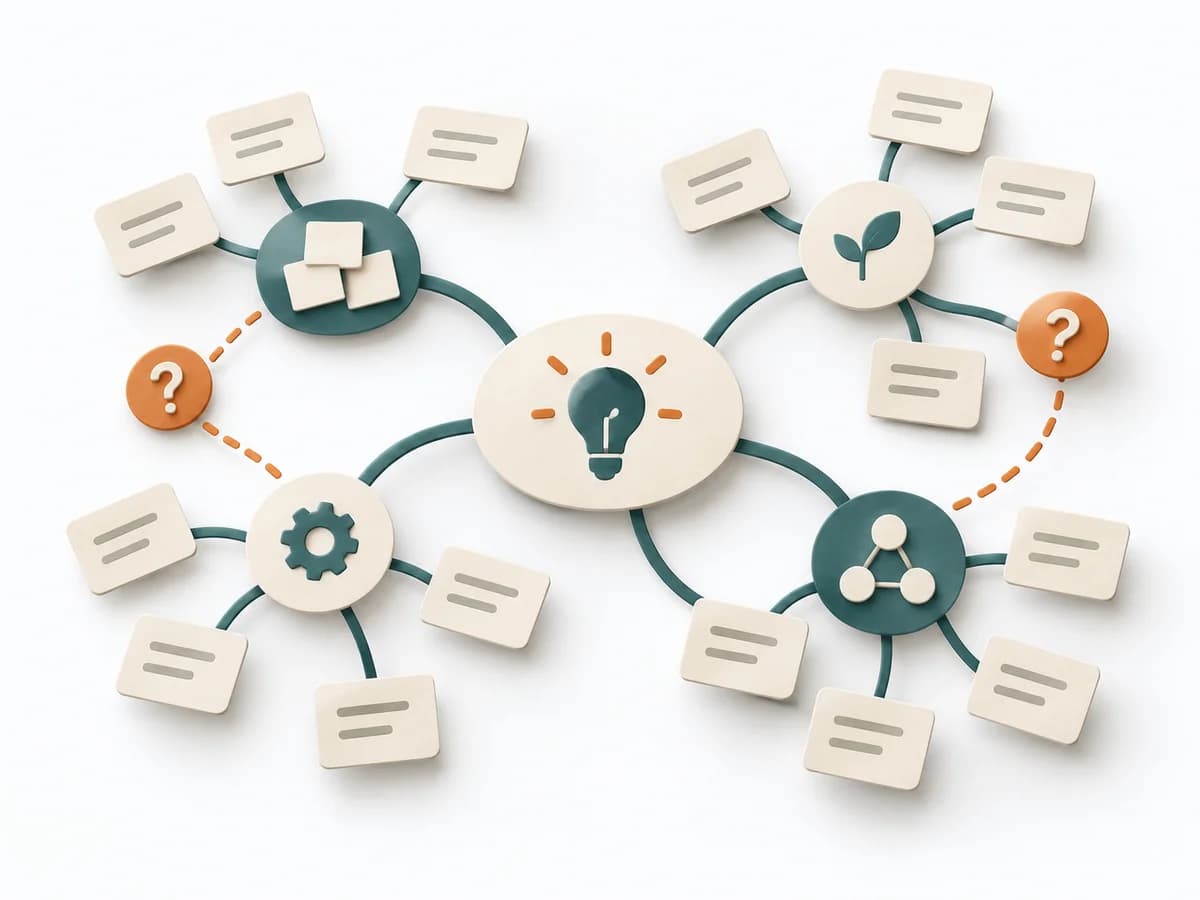 Facilitation Mind Mapping |  UX Research Empathy Mapping |  Facilitation Stakeholder Salience Model |
|---|---|---|---|
Purposedifferent | When a topic is still unclear and too many thoughts surface at once, Mind Mapping creates an open surface for ordering them. It makes connections, subtopics, and starting points visible without fixing them too early. | When a lot is assumed about a target group but little is seen jointly, empathy mapping makes knowledge and gaps directly comparable. The picture also shows which assumptions hold up and where evidence is missing. | When stakeholders appear to matter very differently, the Stakeholder Salience Model rates their actual priority through power, legitimacy, and urgency. It turns individual contributions into a visible selection. The result is captured as a Salience diagram and a class-based strategy. |
Complexitydifferent | Low | Low | Medium |
Timedifferent | 15-45 min | 30–60 min | 60-90 min |
Participantsdifferent | 1-10 | 4-8 | 3-6 |
Formatdifferent | Workshop + async | Workshop | Workshop |
Outputdifferent | Mind Map, Topic Clusters, Open Questions | Empathy Map, Assumptions List, Research Gaps | Salience Diagram, Strategy per Class |
Tagsno overlap | BrainstormingIdeasMappingStructureFacilitation | SynthesisQualitativeWorkshop | StakeholdersFacilitationAlignmentGovernance |
Often compared together
Methods with strong topical overlap with the current selection, not yet in the comparison.