View methods side by side.
Choose up to four methods. Add them using the search and share the comparison by copying its link.
| Criterion |  Systems Thinking Leverage Points | 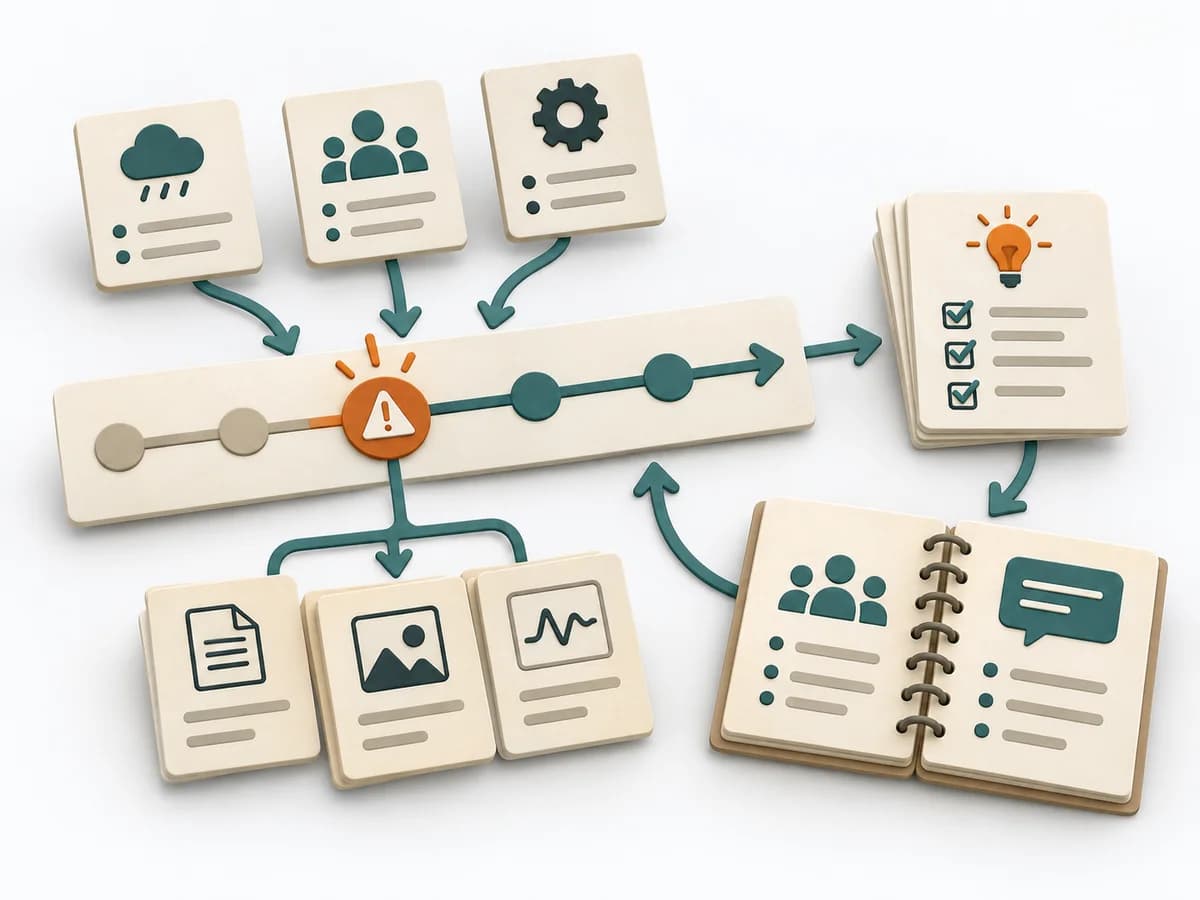 DevOps Blameless Postmortem |  DevOps Incident Timeline Analysis |
|---|---|---|---|
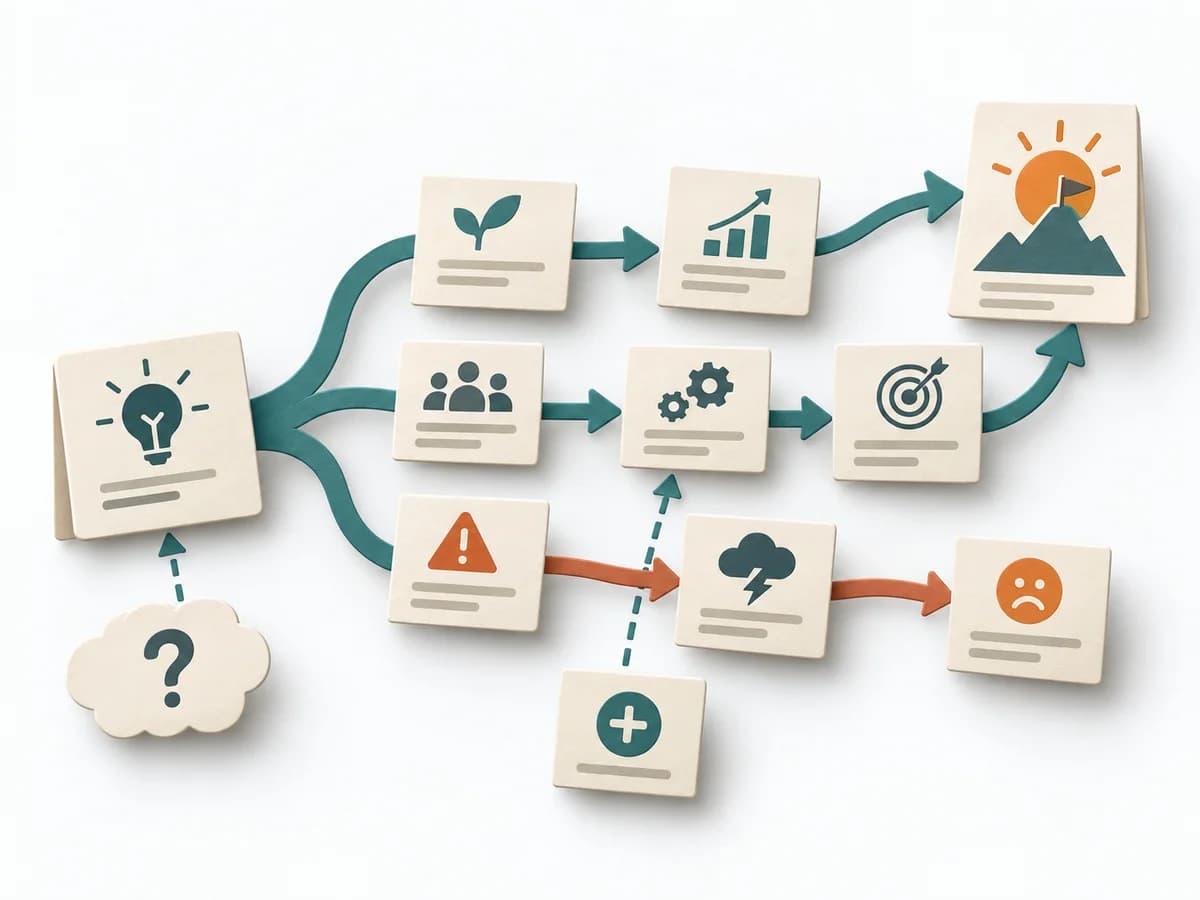
Purposedifferent | Leverage Points show exactly where interventions in a system produce a disproportionate effect. It draws relationships, patterns, and feedback loops. The result is captured as a leverage map and action strategy. | After an incident with damage or a near miss, the method creates a sober field for learning without assigning blame. It directs attention to the course of events, conditions, and effective countermeasures. | For an incident with an unclear sequence, the method makes the timeline precisely visible. It separates perception, reaction, and delay so cause and effect become more clearly readable. |
Complexitydifferent | High | Medium | Medium |
Timedifferent | Half day | 30-90 min | 60-180 min |
Participantsdifferent | 3-12 | 3-12 | 3-10 |
Formatdifferent | Workshop | Workshop + async | Workshop + async |
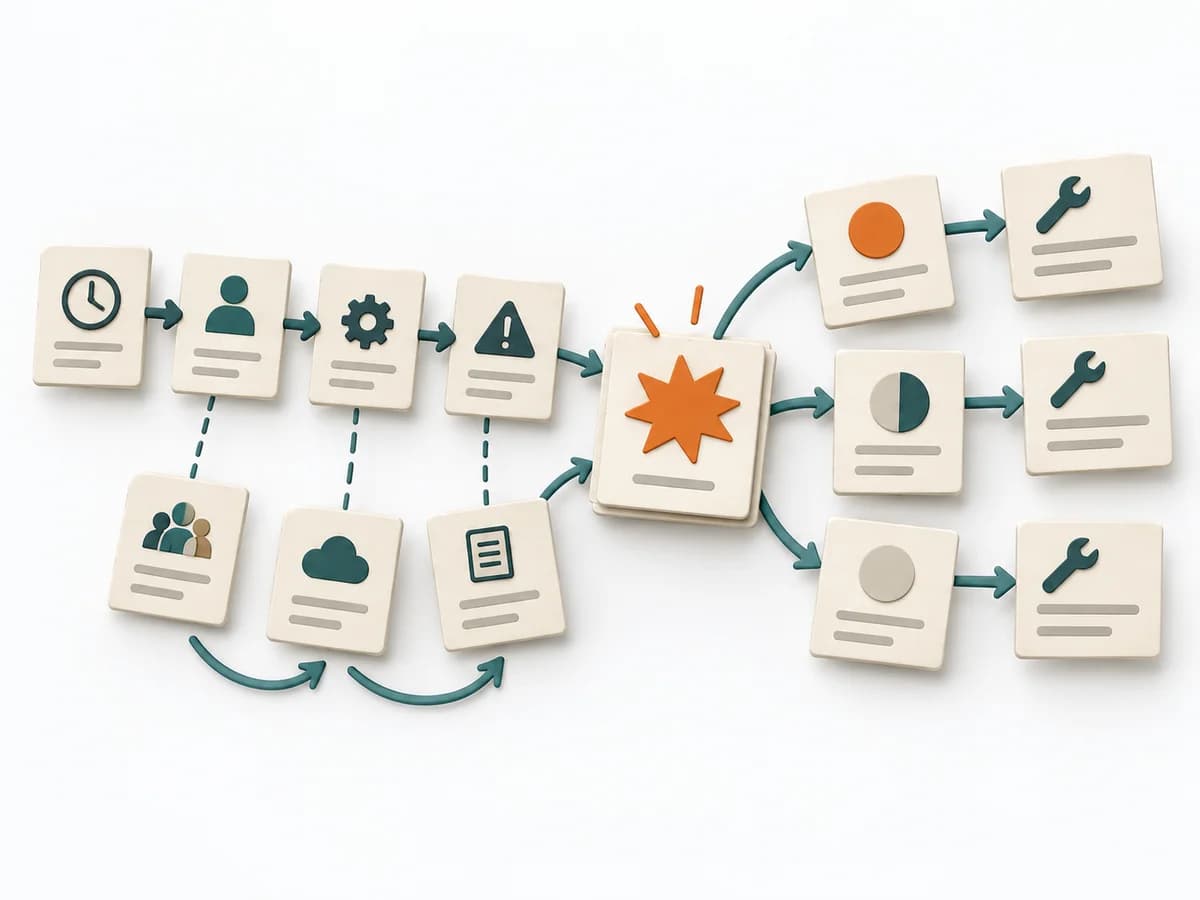
Outputdifferent | Leverage Map, Action Strategy | Postmortem Doc, Action Items, Timeline | Incident Timeline, Evidence Log, Delay Analysis, Improvement Actions |
Tagsno overlap | Systems thinkingChangeStrategy | Site Reliability EngineeringIncidentLearningReliability | IncidentTimelineSite Reliability Engineering |
Often compared together
Methods with strong topical overlap with the current selection, not yet in the comparison.