View methods side by side.
Choose up to four methods. Add them using the search and share the comparison by copying its link.
| Criterion | 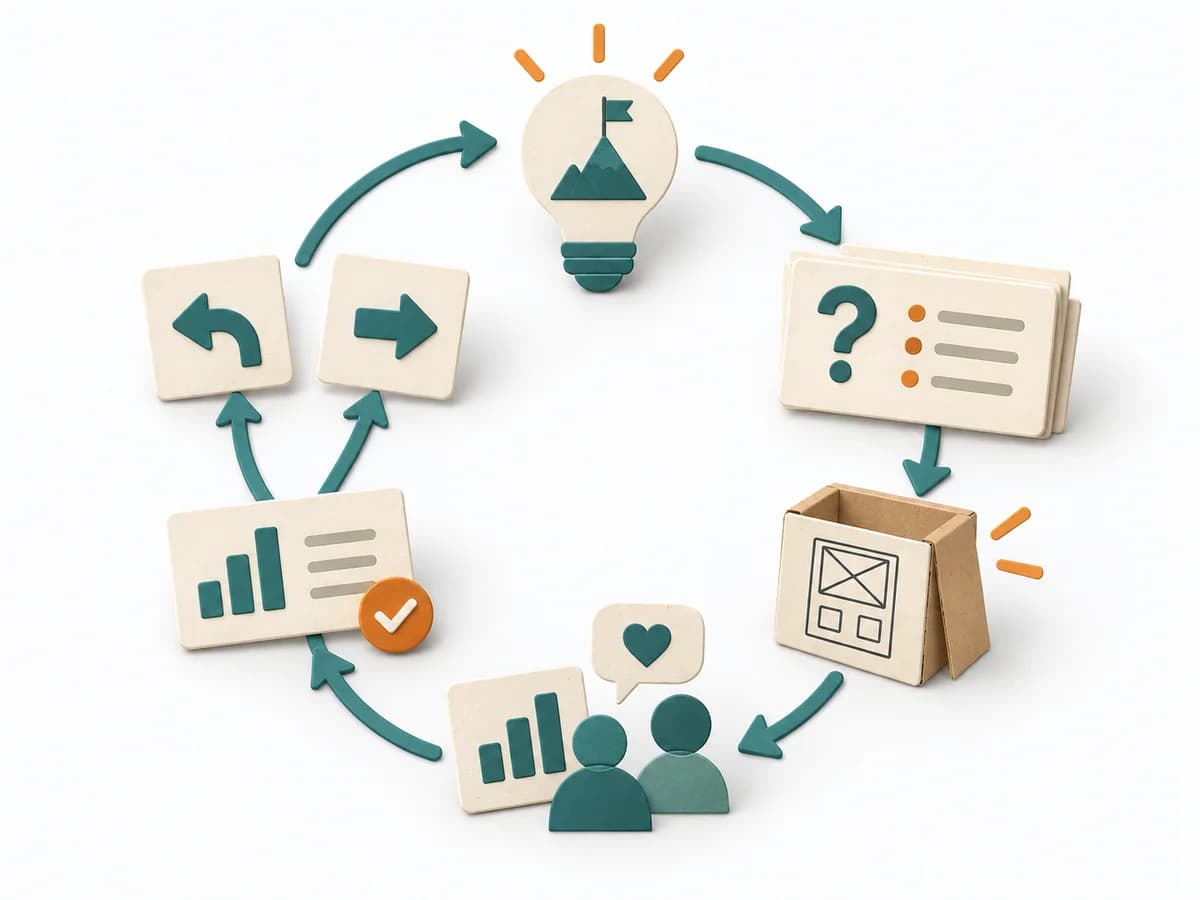 Innovation Lean Startup | 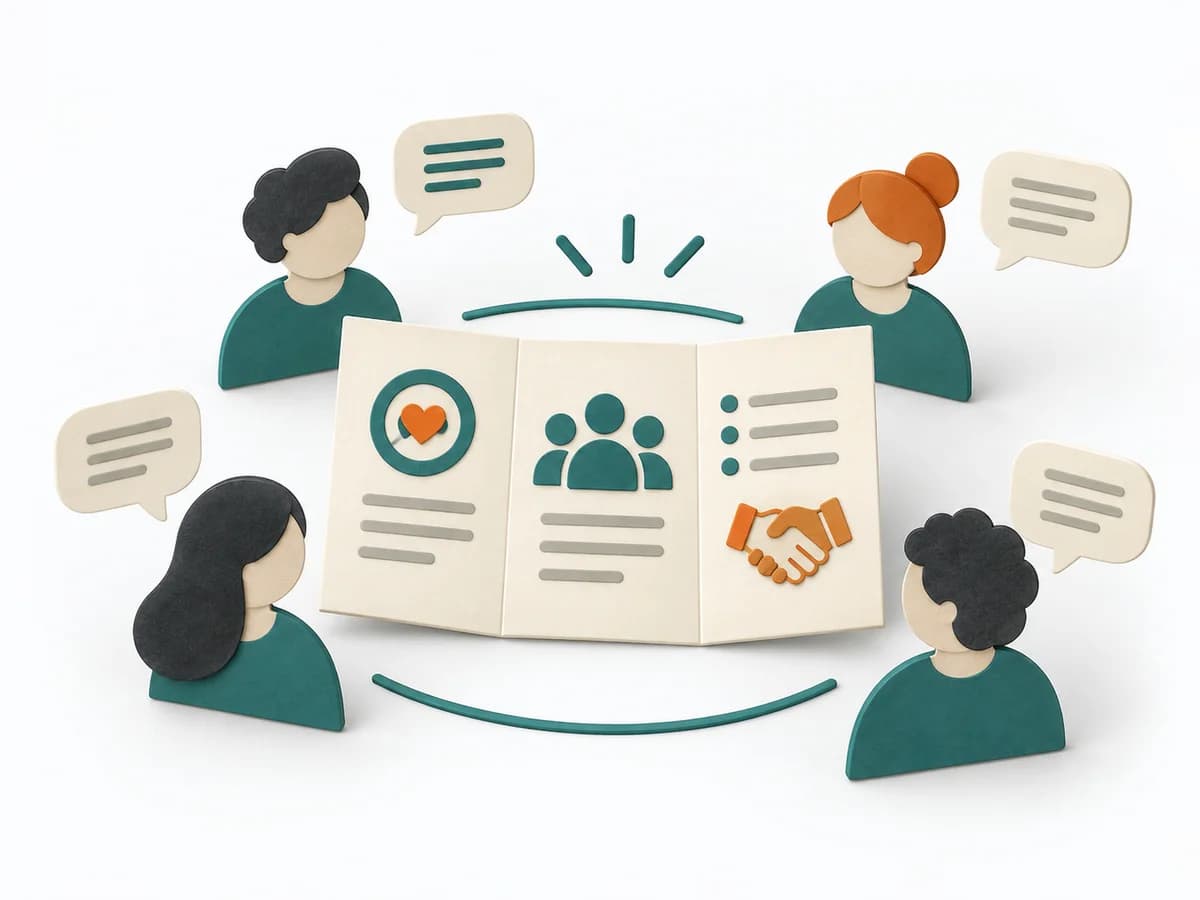 Facilitation Team Charter |  Facilitation Alignment Mapping |
|---|---|---|---|
Purposedifferent | For uncertain business assumptions, the method forces the idea into contact with real market reactions early. It separates wishful picture, assumption, and observable behavior, so that learning becomes faster than planning. This translates uncertainty into measurable insight. | When a team is starting fresh or working past each other, Team Charter clarifies the shared working basis. It visibly sets out how collaboration, decision paths, and mutual conduct should work day to day. | When several people work toward one goal but hold different mental maps, Alignment Mapping makes the discrepancies visible. It arranges goals, assumptions, and priorities so shared direction becomes verifiable. |
Complexitysame | Medium | Medium | Medium |
Timedifferent | Wochen bis Monate je Lernzyklus | 2-4 h | 1-2 h |
Participantsdifferent | 2-8 | 3-12 | 4-12 |
Formatdifferent | Workshop + async | Workshop | Workshop |
Outputdifferent | Hypothesis list, MVPs, Learning reports, Pivot or persevere decision | Team Charter, Working Norms, Role Notes | Alignment Map, Open Issues, Decision Questions |
Tagsno overlap | LeanStartupValidationMVP | TeamAlignmentCollaboration | AlignmentStakeholdersStrategyFacilitation |
Often compared together
Methods with strong topical overlap with the current selection, not yet in the comparison.



