View methods side by side.
Choose up to four methods. Add them using the search and share the comparison by copying its link.
| Criterion | 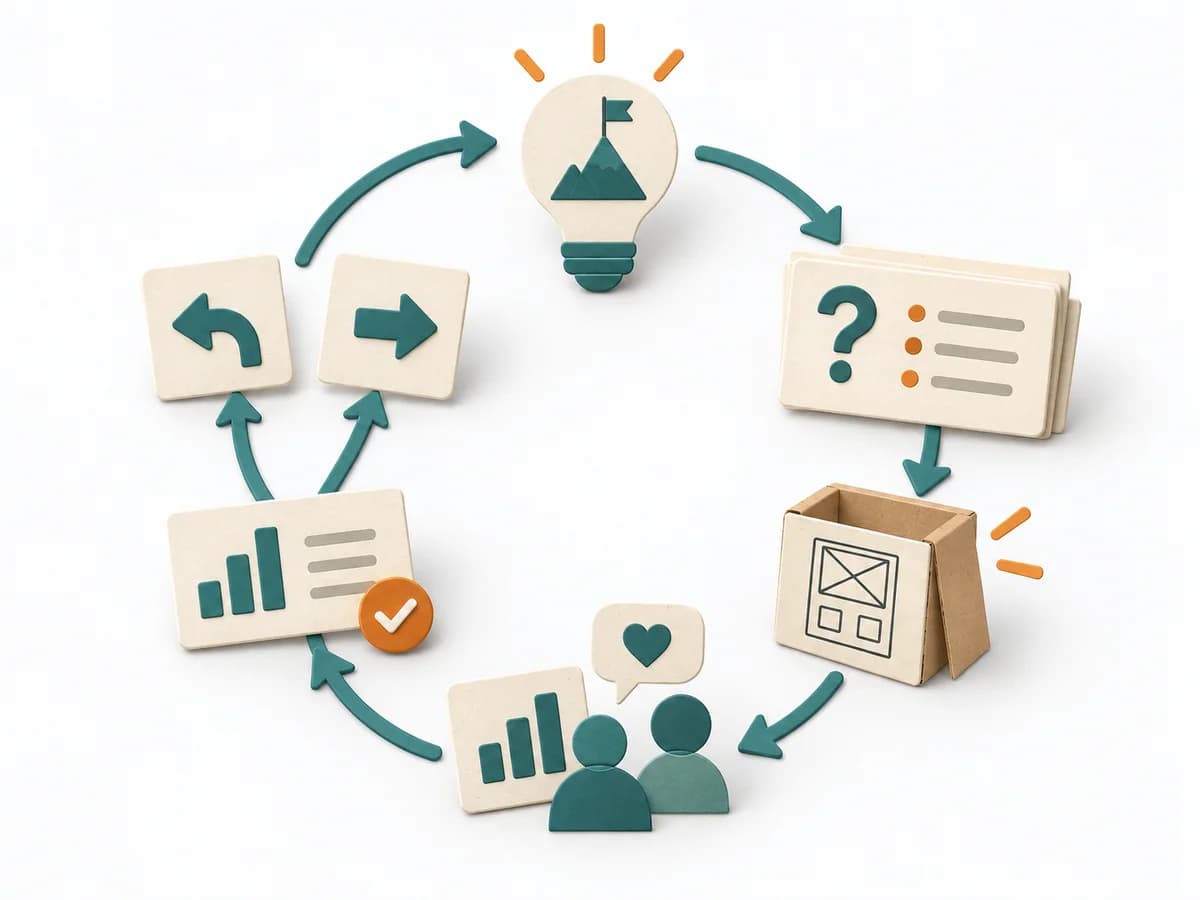 Innovation Lean Startup | 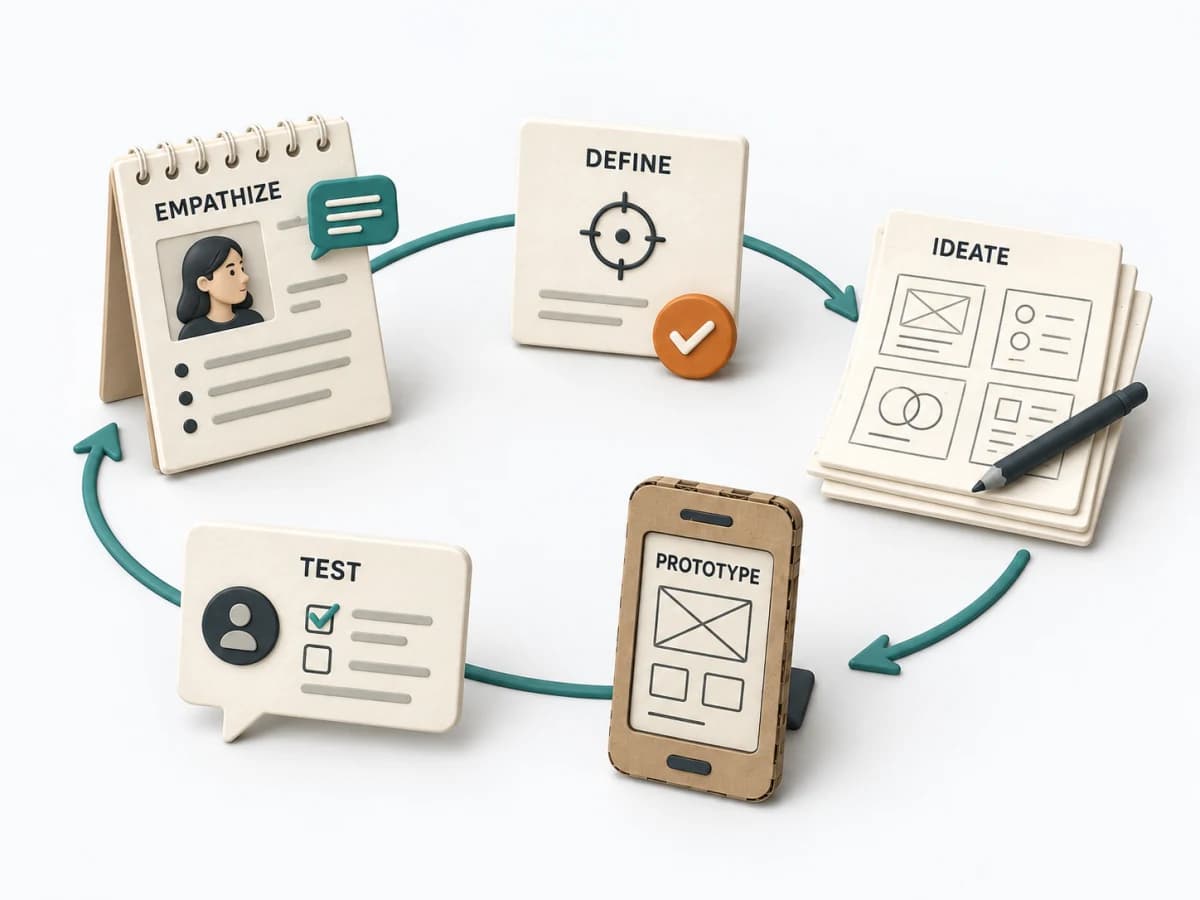 Innovation Design Thinking | 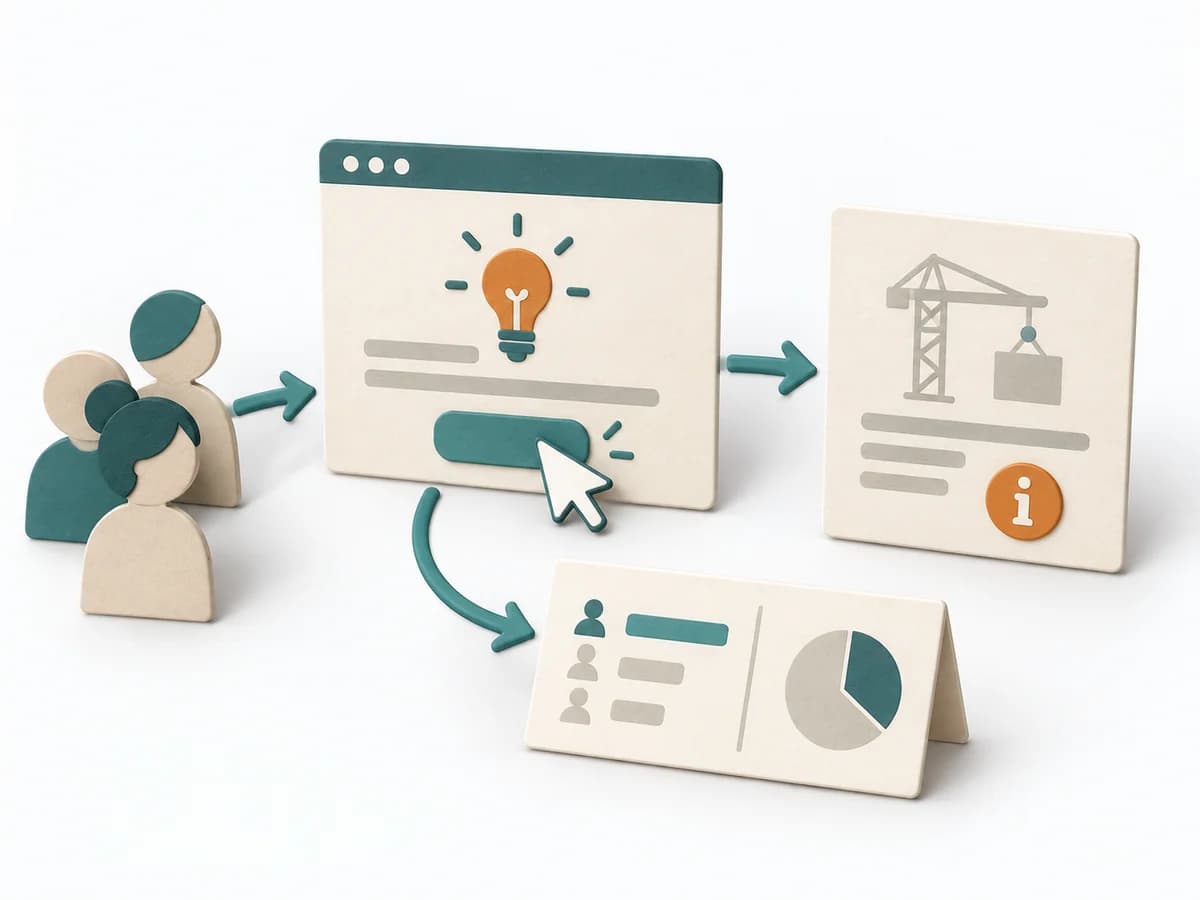 Product Discovery Fake Door Test |
|---|---|---|---|
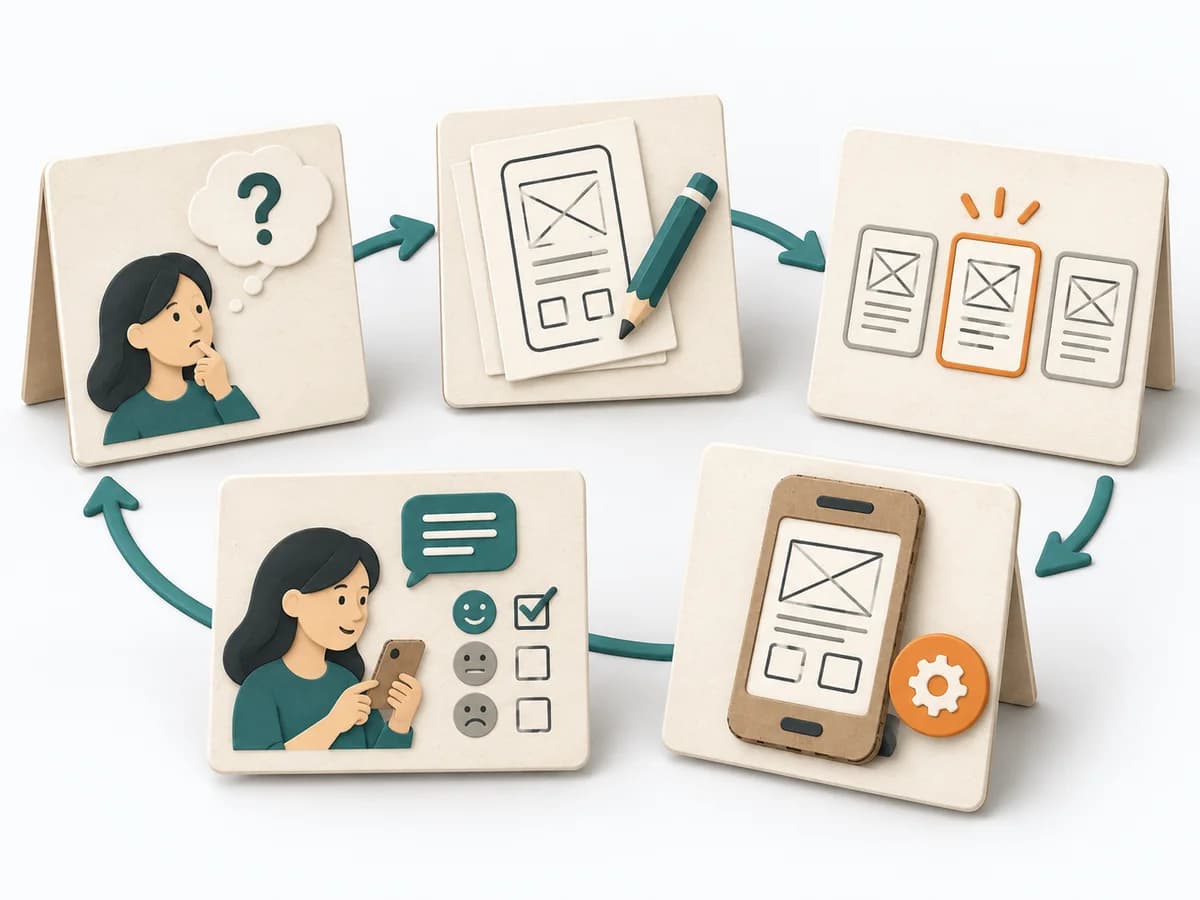
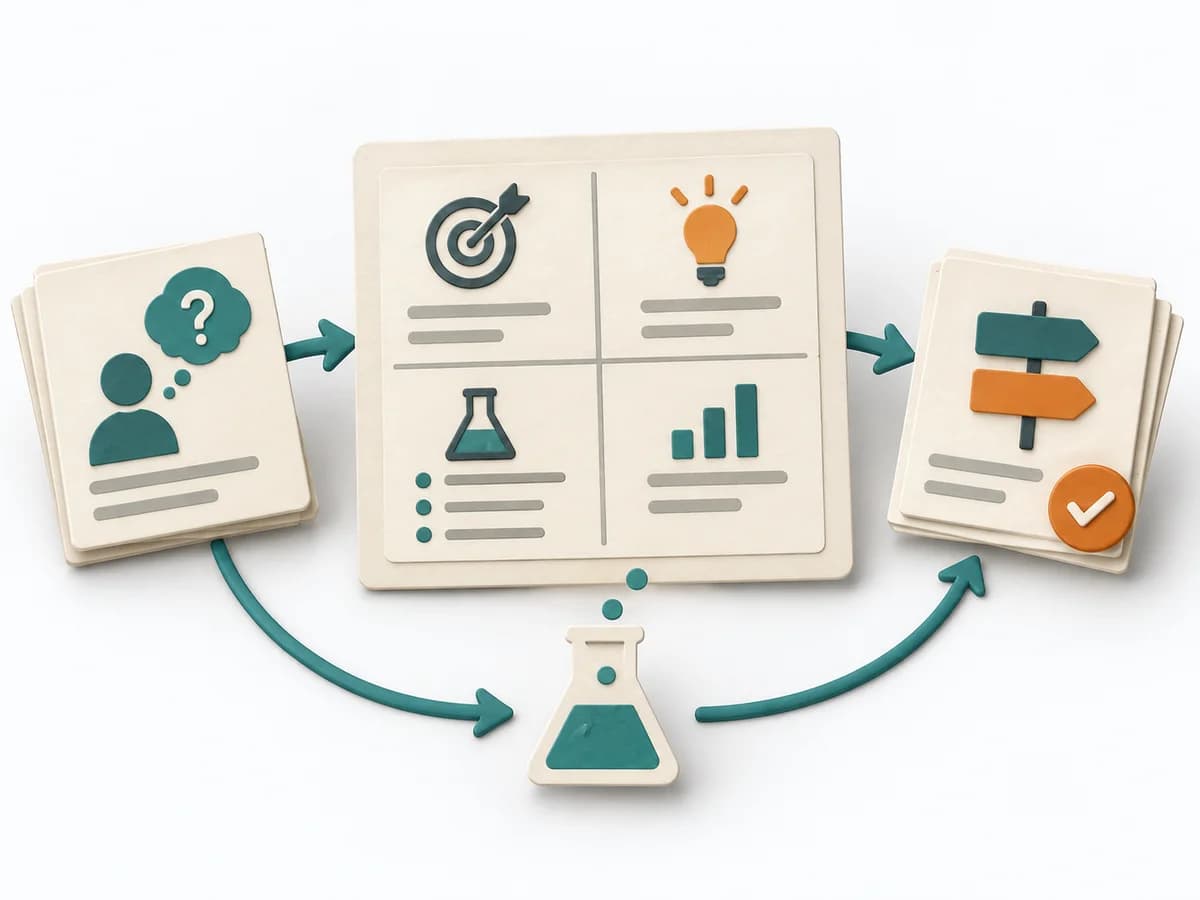
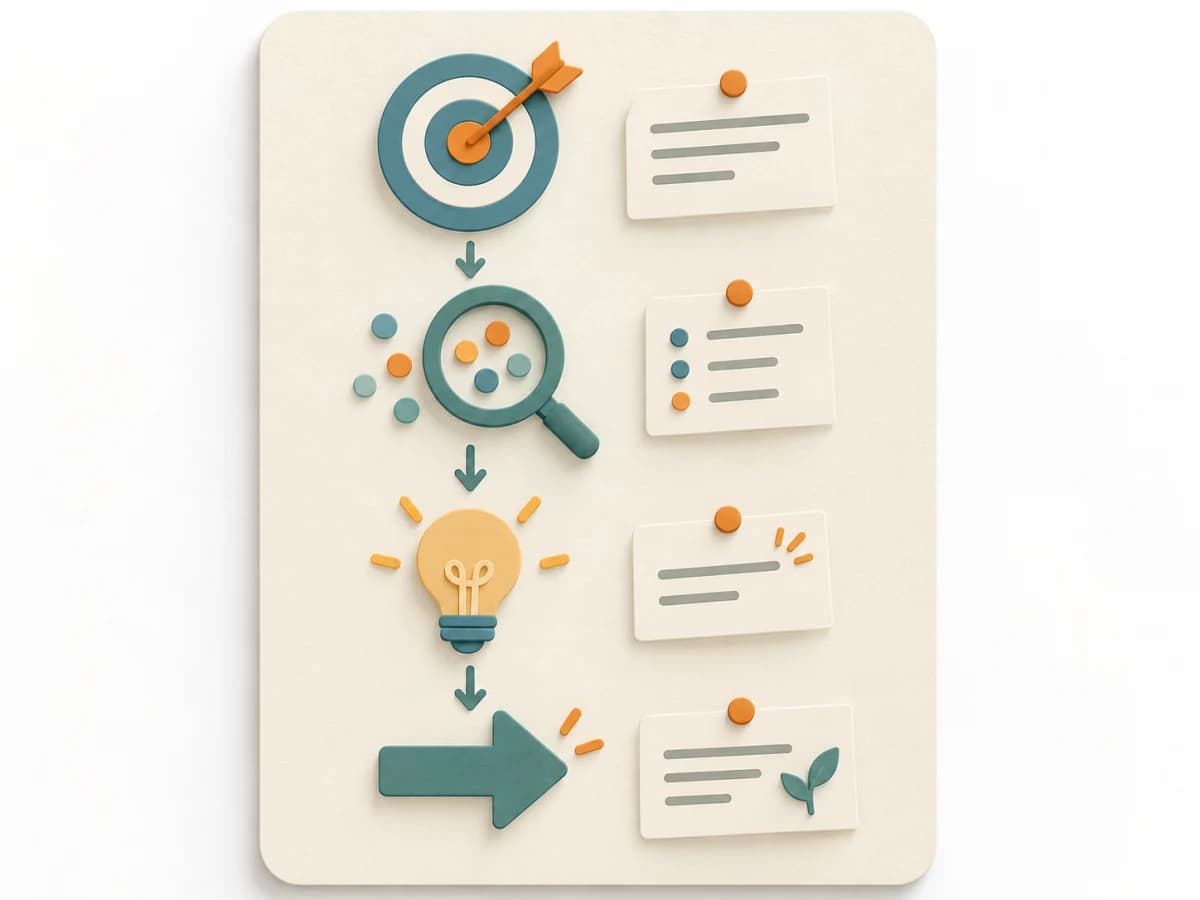
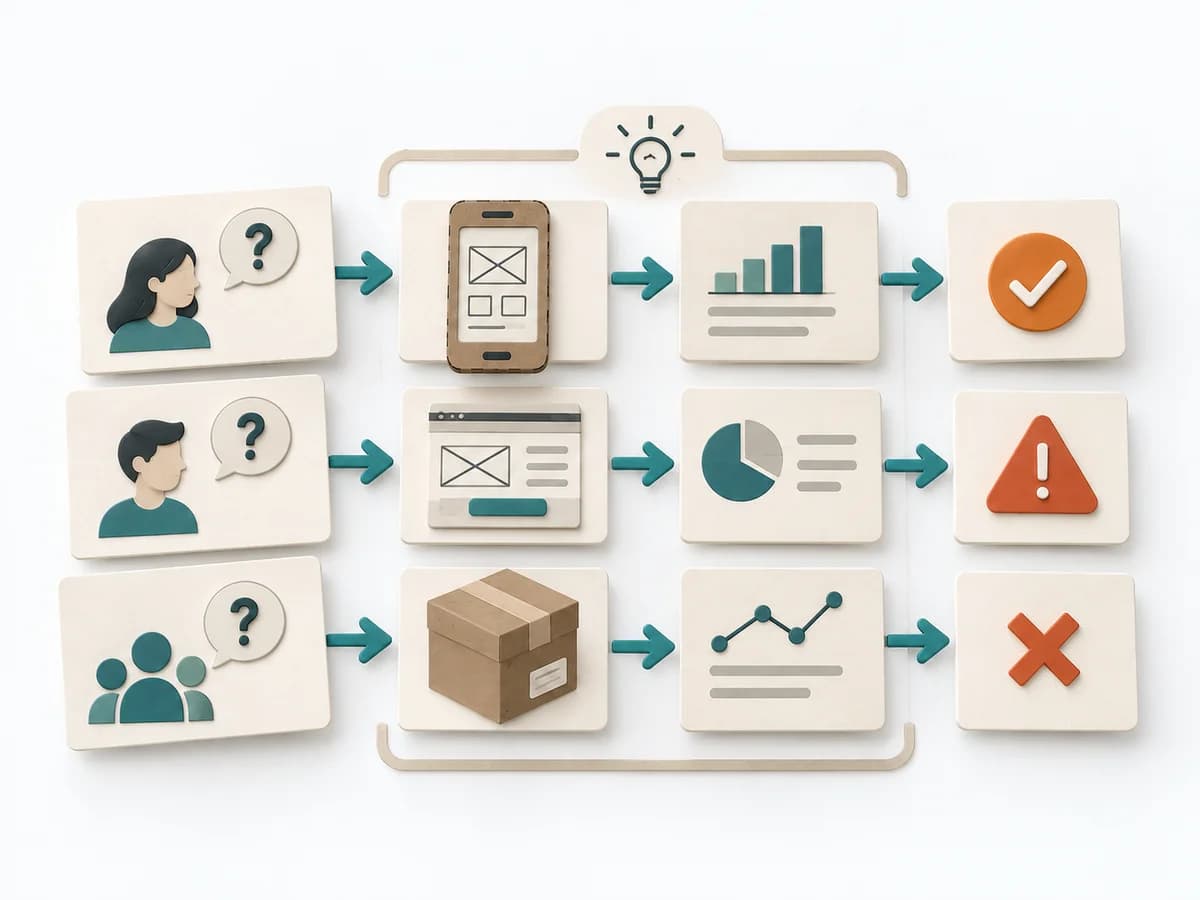
Purposedifferent | For uncertain business assumptions, the method forces the idea into contact with real market reactions early. It separates wishful picture, assumption, and observable behavior, so that learning becomes faster than planning. This translates uncertainty into measurable insight. | For complex user problems with an uncertain cause, the method connects observation, interpretation, and experiment into a learning cycle. It keeps the focus on real needs and avoids premature solution language. This produces robust decisions for product and service. | When demand is still unclear, it measures interest in a feature before it is built. It separates real behavior from polite agreement and deliberately keeps build effort small. |
Complexitydifferent | Medium | High | Medium |
Timedifferent | Wochen bis Monate je Lernzyklus | 1 Tag bis mehrere Wochen | 1-5 Tage |
Participantsdifferent | 2-8 | 4-10 | Nutzertraffic |
Formatdifferent | Workshop + async | Workshop | Async |
Outputdifferent | Hypothesis list, MVPs, Learning reports, Pivot or persevere decision | Problem Statement, Prototype, Test Learnings | Click Data, Interest Signal, Learning Decision |
Tagsno overlap | LeanStartupValidationMVP | InnovationPrototypeResearch | ValidationExperimentsDemandDiscovery |
Often compared together
Methods with strong topical overlap with the current selection, not yet in the comparison.