View methods side by side.
Choose up to four methods. Add them using the search and share the comparison by copying its link.
| Criterion | 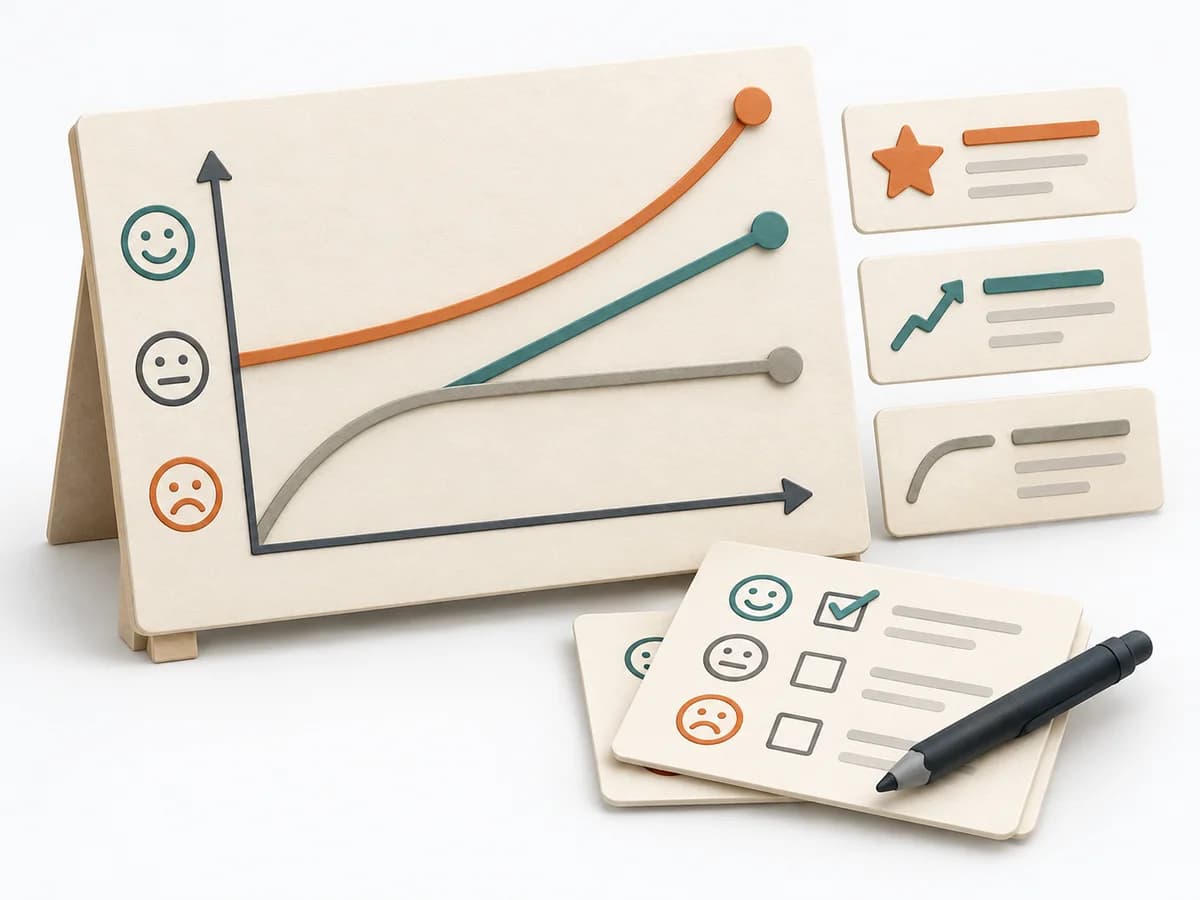 Product Discovery Kano Model | 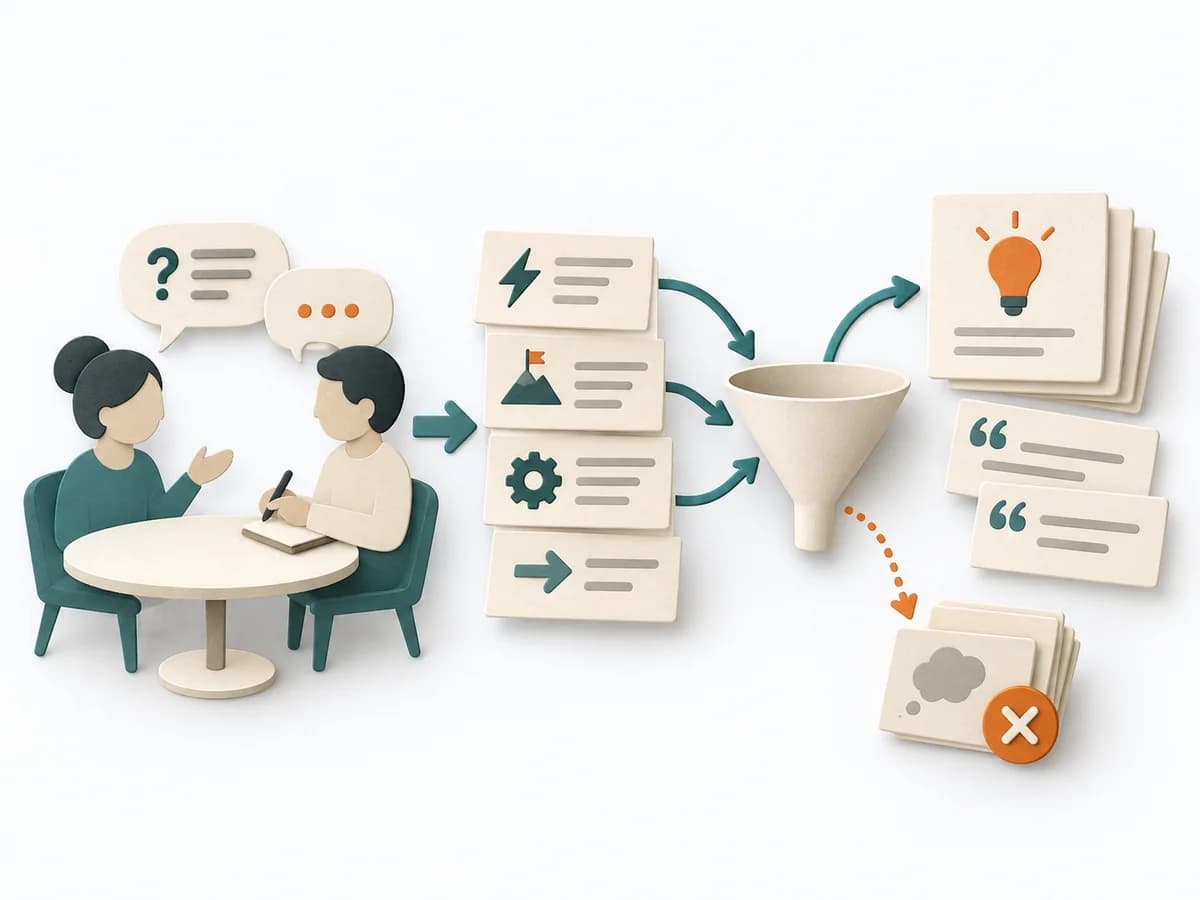 Product Discovery Opportunity Interview |  Facilitation Stakeholder Mapping |
|---|---|---|---|
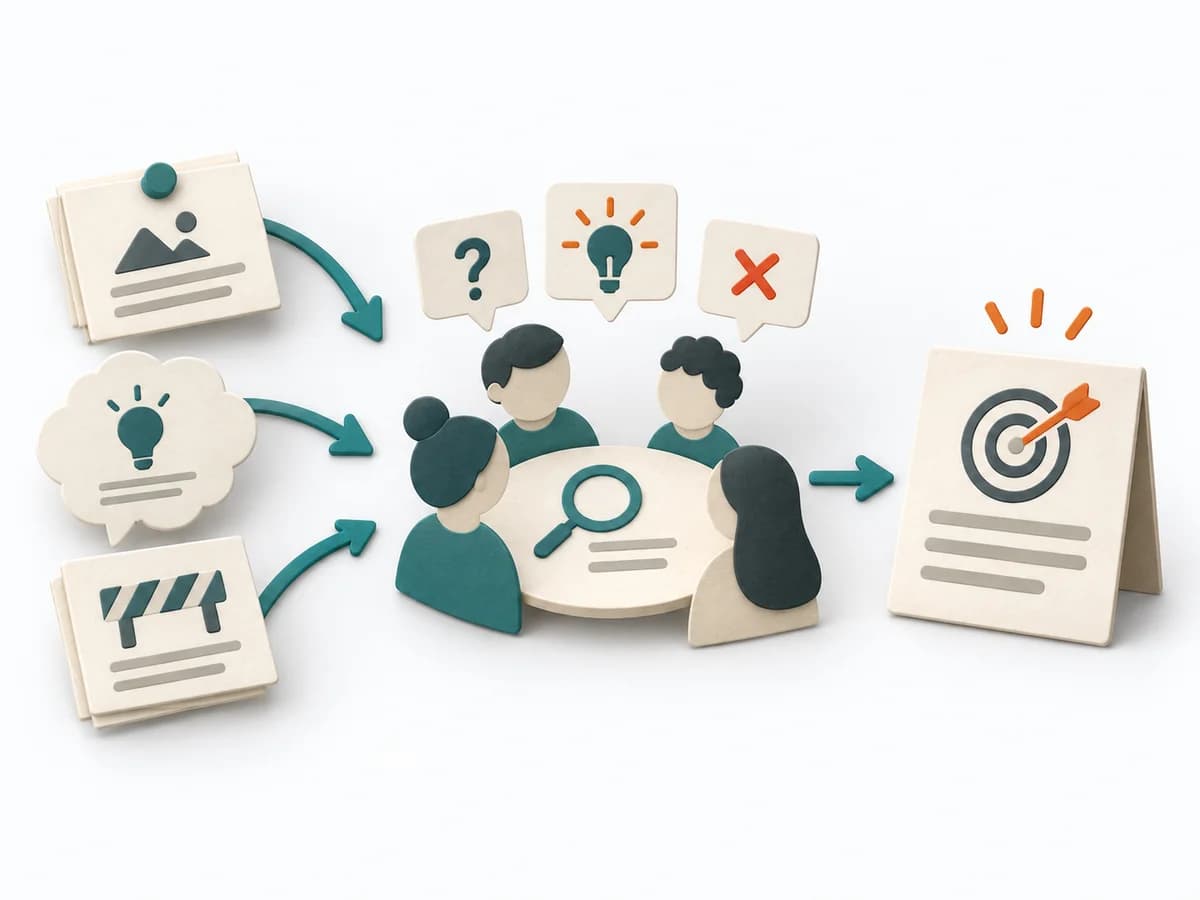
Purposedifferent | When features need to be distinguished by their effect on satisfaction, it makes expectations and surprises comparable. It separates basic needs, performance contribution, and delight. | When opportunities are still hidden behind signals of need, it structures conversations around needs and obstacles. It looks for patterns that lead to new product opportunities. | When an initiative depends on many people, interests, and power dynamics, Stakeholder Mapping systematically orders the environment. It shows who influences, who is affected, and where relationship management or safeguarding matters first. |
Complexitydifferent | Medium | Medium | Low |
Timedifferent | 1-2 Tage | 30-60 min je Interview | 60–90 min |
Participantsdifferent | 10-50 | 5-12 Interviews | 2-8 |
Formatsame | Workshop + async | Workshop + async | Workshop + async |
Outputdifferent | Kano Matrix, Feature Classes, Priority Themes | Interview Notes, Opportunity Themes, Customer Quotes | Stakeholder Map, Engagement Plan, Risk Notes |
Tagsno overlap | SatisfactionPrioritizationCustomer | DiscoveryInterviewsOpportunityCustomer | StakeholdersAlignmentFacilitationChange |
Often compared together
Methods with strong topical overlap with the current selection, not yet in the comparison.