View methods side by side.
Choose up to four methods. Add them using the search and share the comparison by copying its link.
| Criterion | 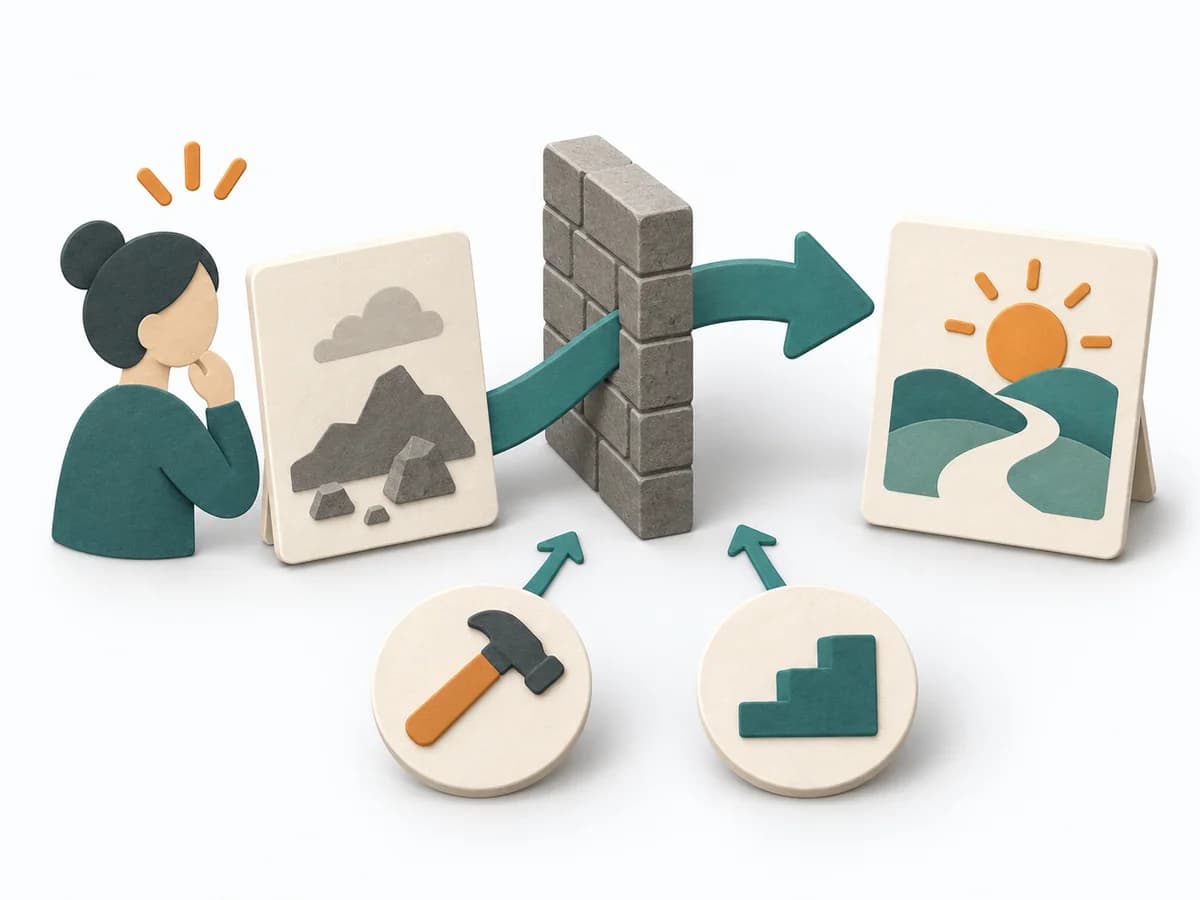 Product Discovery Jobs to Be Done | 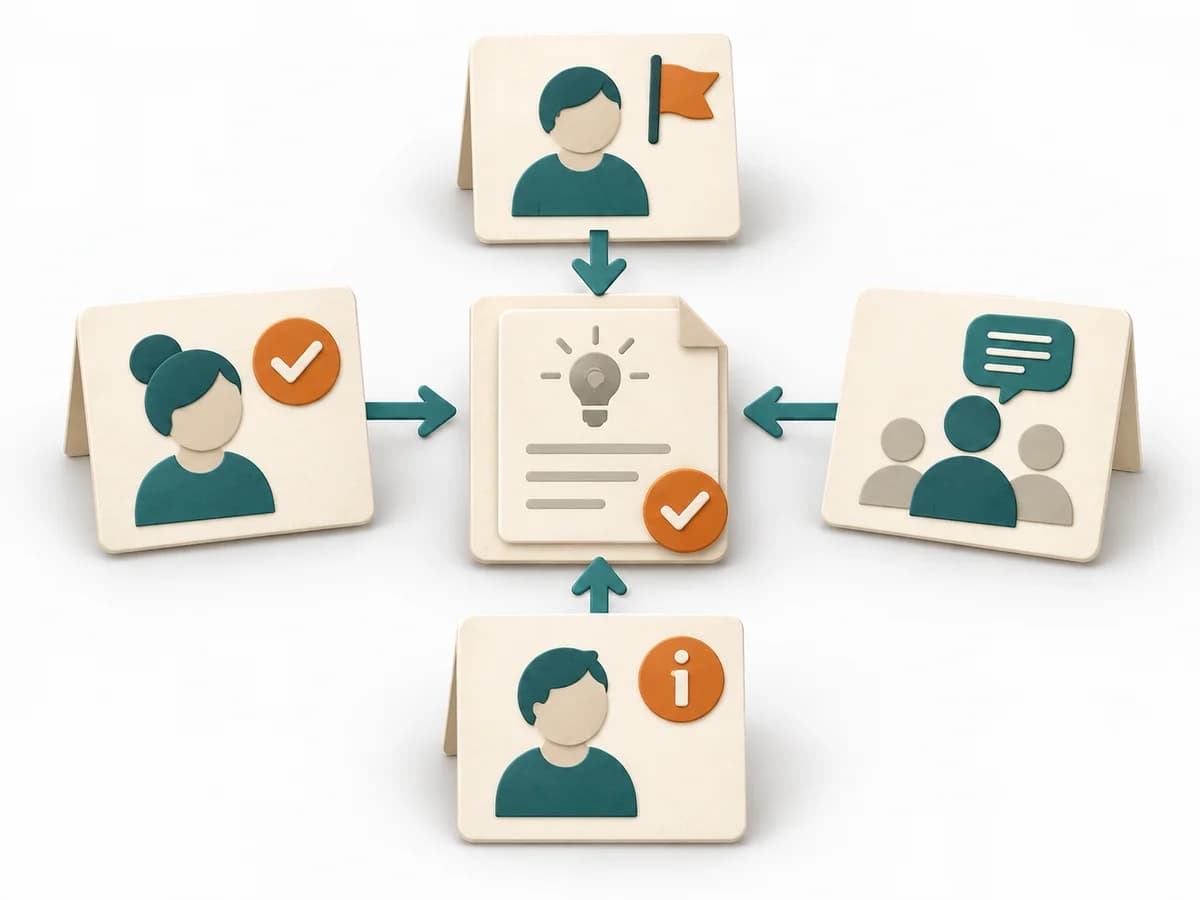 Decision Making DACI | 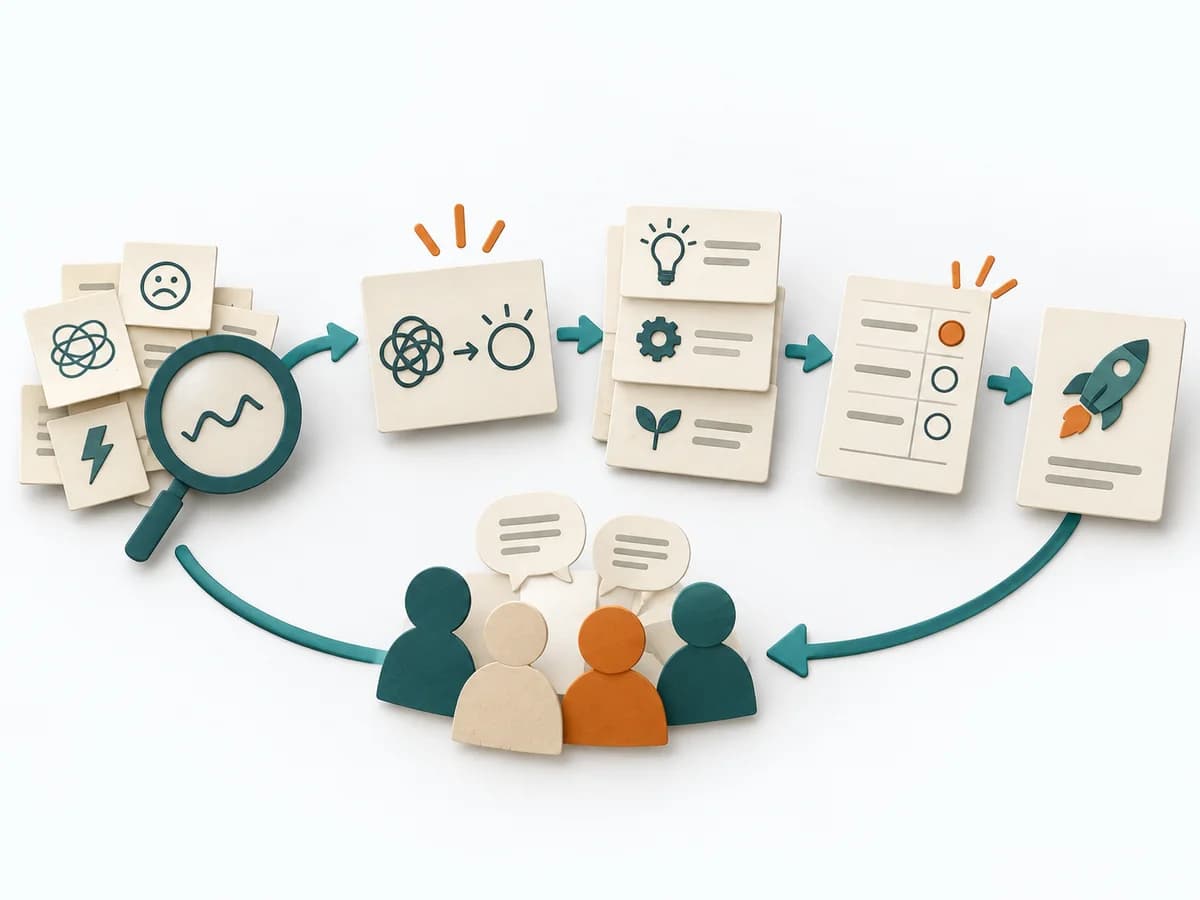 Facilitation Decision Jam |
|---|---|---|---|
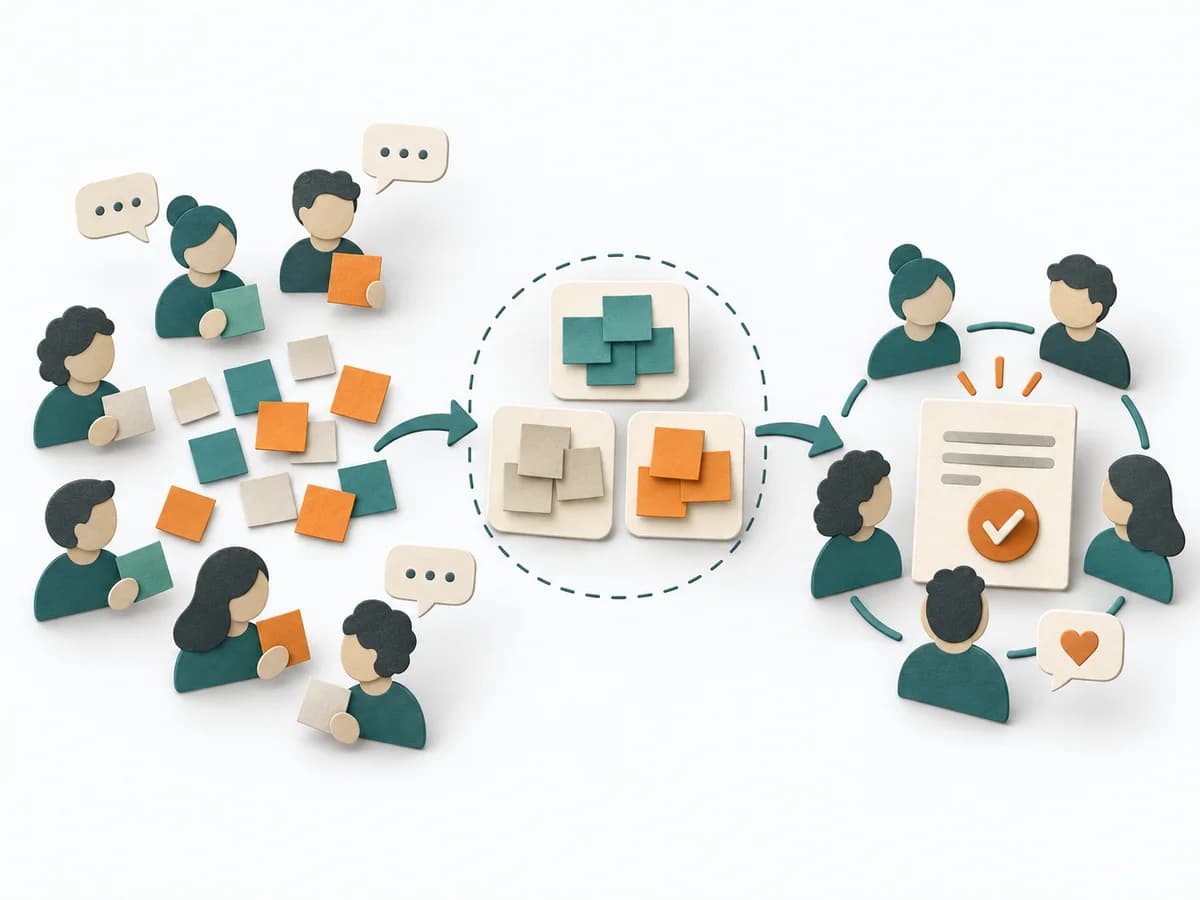
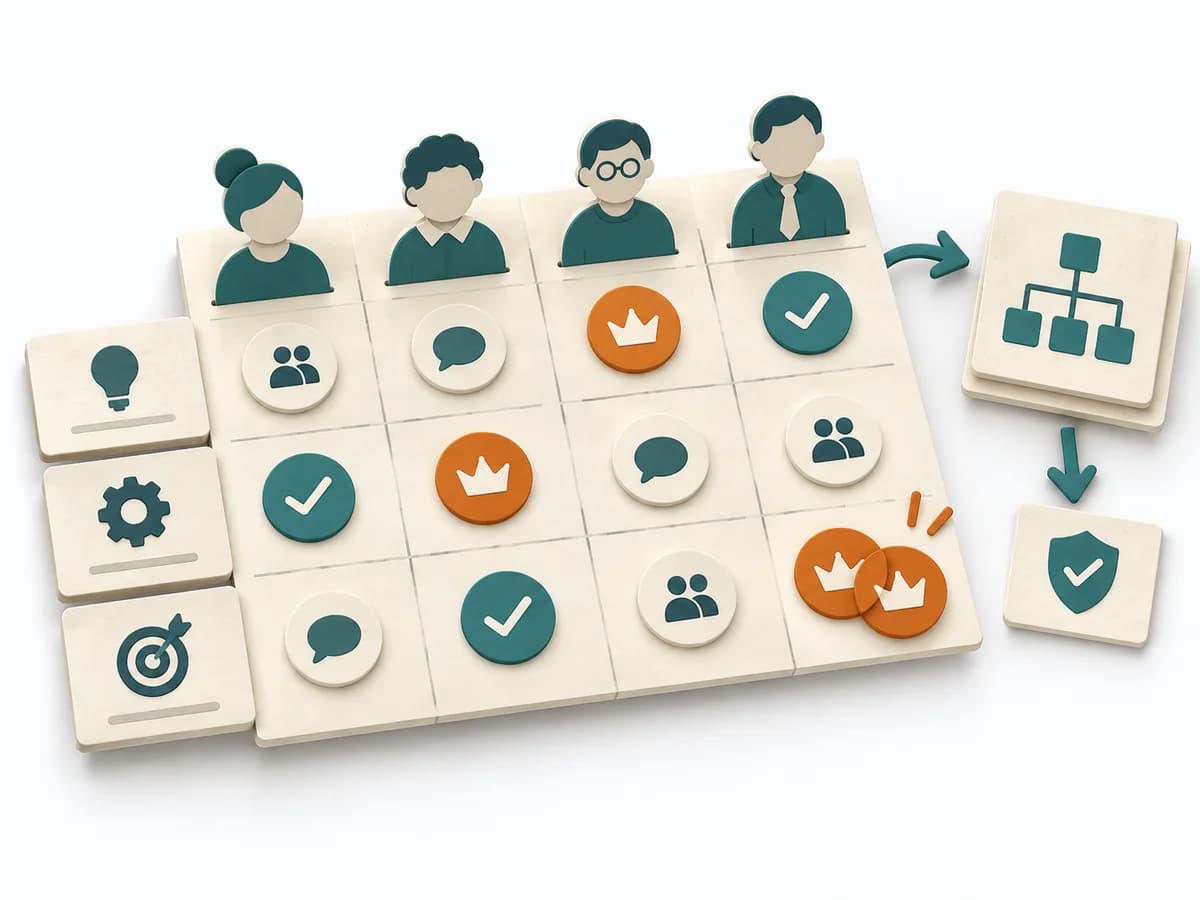
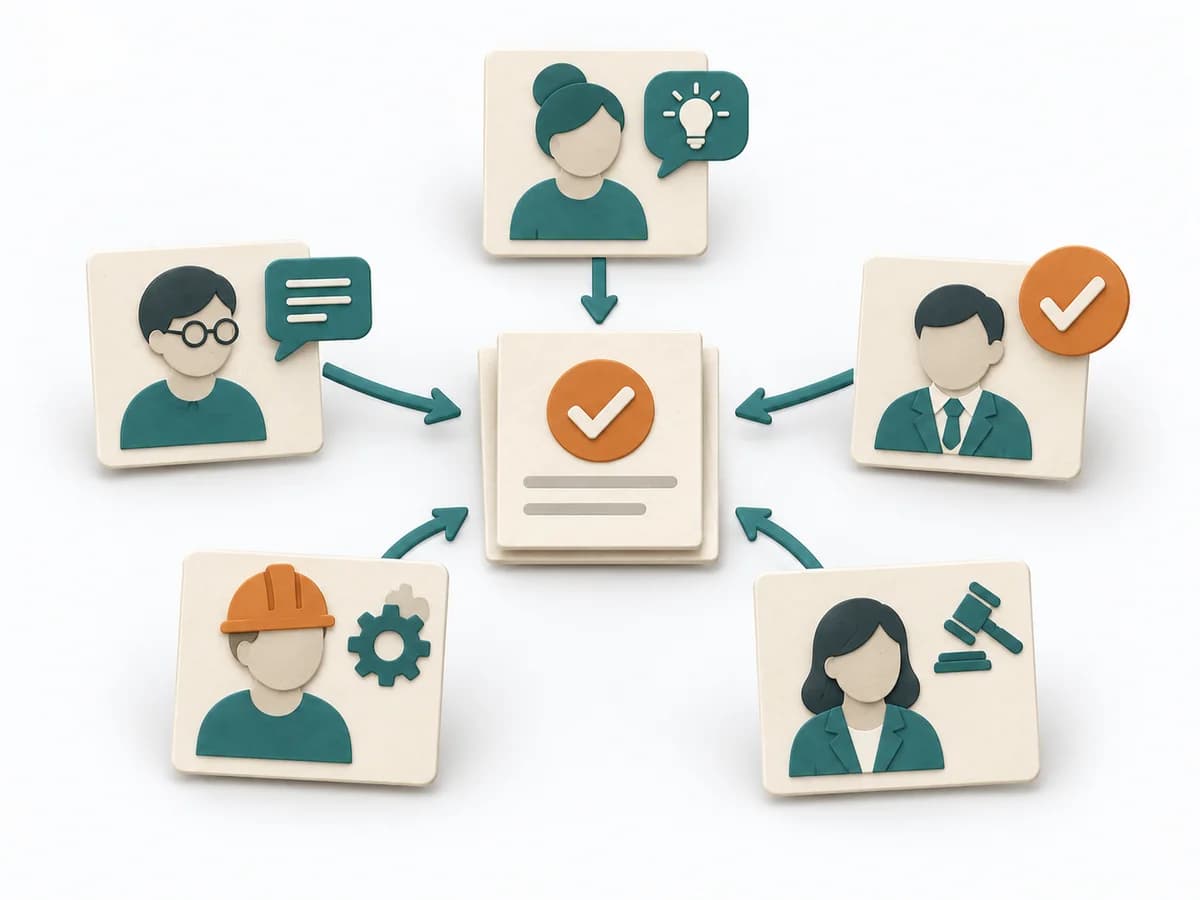
Purposedifferent | When switching motives and progress are unclear, it reconstructs the situation from real customer circumstances. It shows why a switch happens and what kind of progress is being sought. | In cross-functional decisions, responsibilities quickly blur between approval, influence, and execution. DACI arranges these roles so decision pressure, contribution, and information stay cleanly separated. | When a decision is stuck, Decision Jam loosens the knot through structured separation of problem, idea, and selection. The format creates movement without jumping prematurely at the first seemingly elegant answer. |
Complexitydifferent | Medium | Low | Low |
Timedifferent | 1-3 Wochen | 30-60 min | 60-90 min |
Participantsdifferent | 5-12 Interviews | 2-10 | 4-10 |
Formatdifferent | Workshop + async | Workshop + async | Workshop |
Outputdifferent | Job Stories, Outcome Statements, Opportunity List | DACI Matrix, Decision Owner, Decision Log | Problem Cluster, Prioritized Challenge, Experiment |
Tagsno overlap | CustomerOutcomesNeeds | DecisionRolesGovernanceAlignment | FacilitationDecisionProblem solvingWorkshop |
Often compared together
Methods with strong topical overlap with the current selection, not yet in the comparison.