View methods side by side.
Choose up to four methods. Add them using the search and share the comparison by copying its link.
| Criterion | 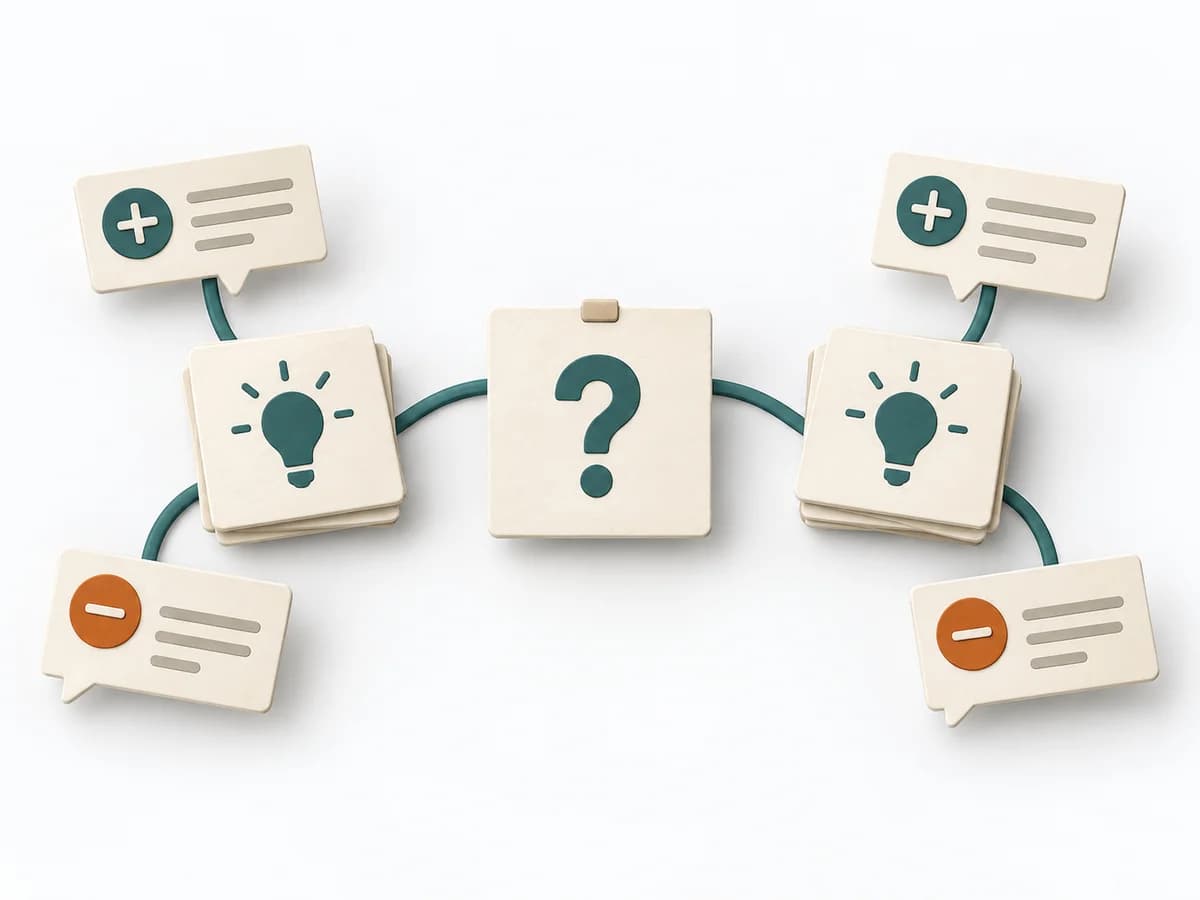 Knowledge Modeling IBIS | 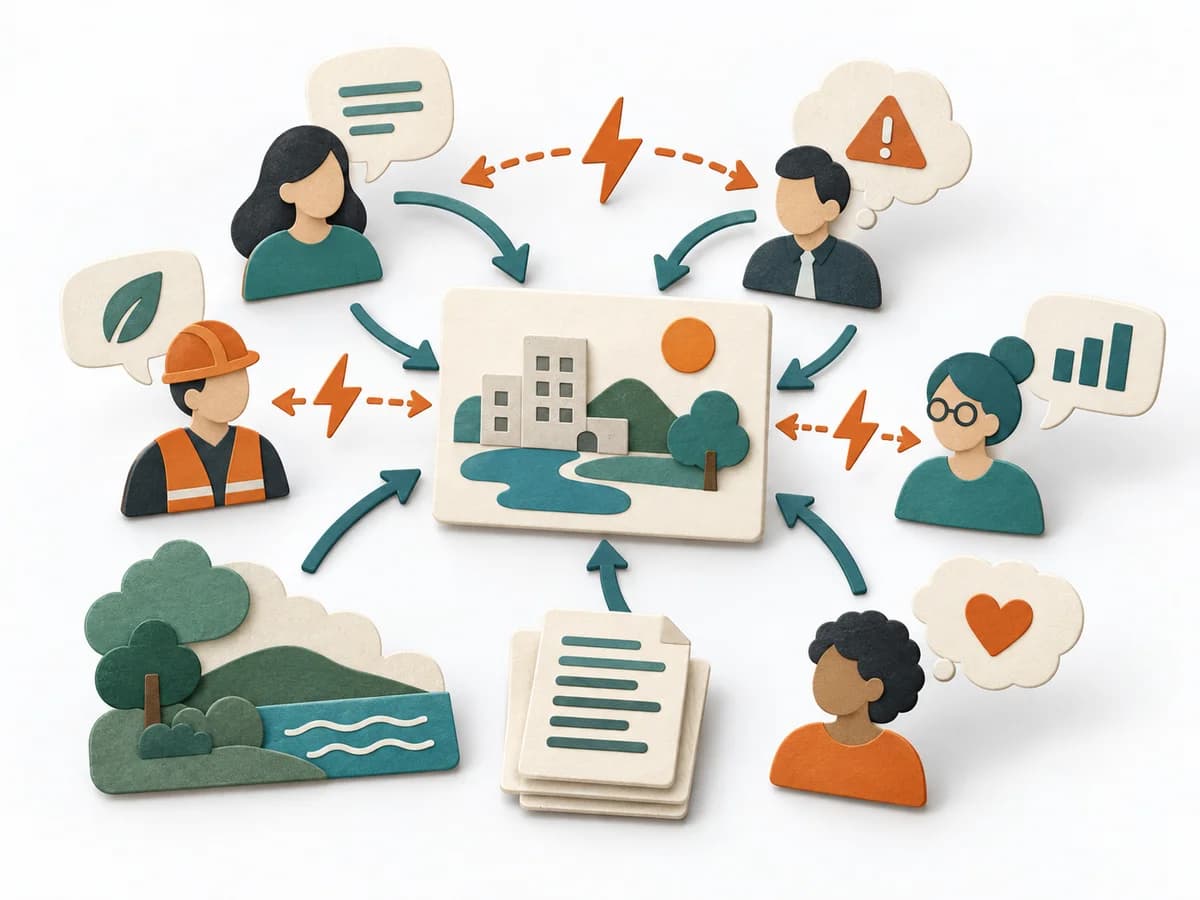 Systems Thinking Rich Picture |  Facilitation Stakeholder Mapping |
|---|---|---|---|
Purposedifferent | IBIS structures thinking about complex questions as a sequence of issues, ideas, and arguments. The method keeps discussions open without forcing them into premature consensus. | A Rich Picture brings an unclear situation onto a shared drawing. It captures actors, tensions, information flows, and blind spots before the team jumps to solutions too early. | When an initiative depends on many people, interests, and power dynamics, Stakeholder Mapping systematically orders the environment. It shows who influences, who is affected, and where relationship management or safeguarding matters first. |
Complexitydifferent | Medium | Low | Low |
Timedifferent | 1-3 h | 30-90 min | 60–90 min |
Participantsdifferent | 2-8 | 2-10 | 2-8 |
Formatdifferent | Workshop + async | Workshop | Workshop + async |
Outputdifferent | Issue Map, Positions, Argument Notes | Rich Picture, Problem Framing Notes | Stakeholder Map, Engagement Plan, Risk Notes |
Tagsno overlap | RationaleKnowledgeDecision | Systems thinkingSoft systemsFramingVisualization | StakeholdersAlignmentFacilitationChange |
Often compared together
Methods with strong topical overlap with the current selection, not yet in the comparison.